
Soups & Stews
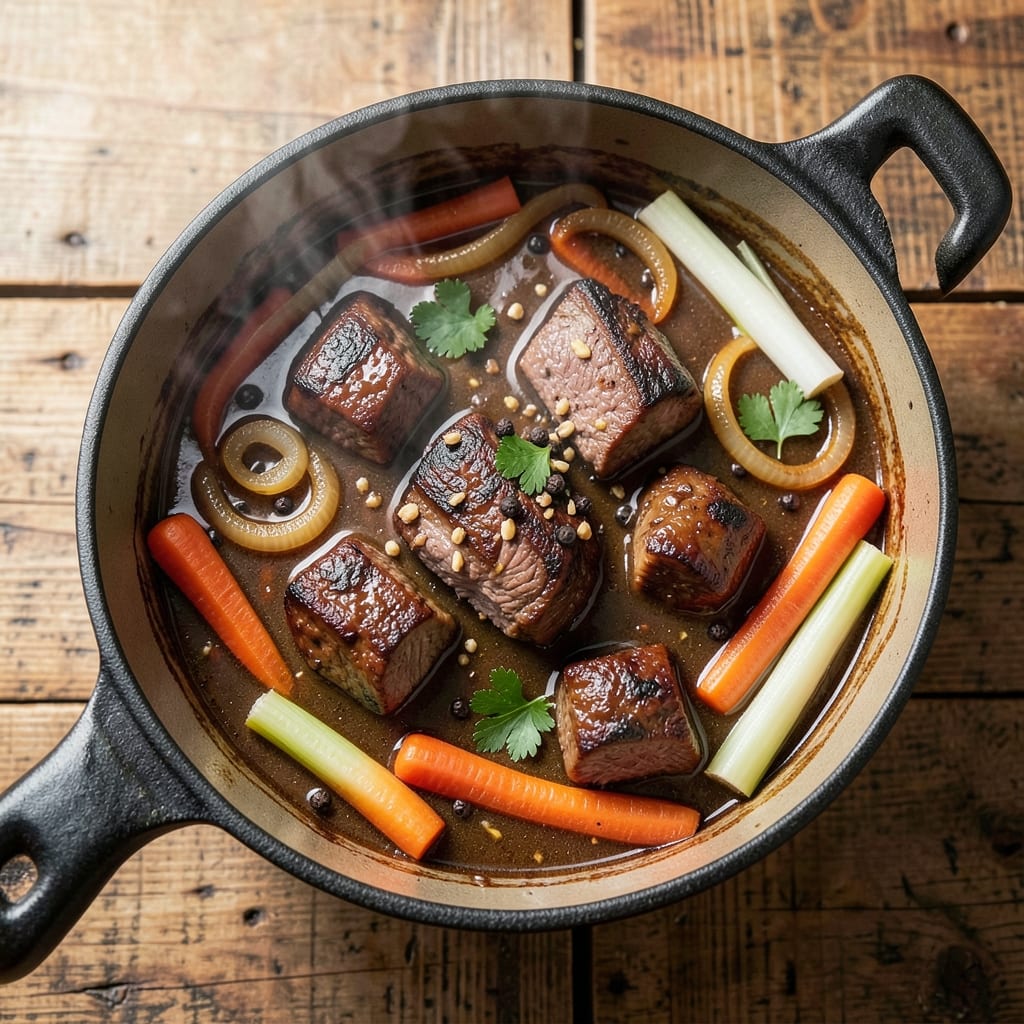
A beef and stout stew recipe transforms tough cuts into melt-in-your-mouth perfection through slow simmering and deep umami flavors. This dish builds layers of complexity by searing beef, deglazing with stout beer, and reducing it into a velvety sauce that clings to every bite. The result is a hearty stew with tender meat, caramelized edges, and a sauce so flavorful it becomes the star.
What sets this stew apart is the technique: browning the beef creates a flavorful crust that dissolves into the stew, while the stout beer adds malty depth and natural sweetness. A long, slow simmer—at least 3 hours—allows the beef to break down into tender pieces while the sauce develops into a rich, concentrated broth. The key is patience; rushing this process sacrifices the depth of flavor that makes it unforgettable.
By the end, you'll have a stew that's restaurant-quality at home, with beef that practically falls apart at the touch of a fork and a sauce that's both hearty and balanced. The aroma alone will have everyone gathering at the table, and each bite delivers layers of savory, smoky, and slightly sweet flavors. This is comfort food at its finest—perfect for cold evenings or special occasions.
The beauty of this recipe is its versatility. Serve it alongside crusty bread for soaking up every drop of sauce or pair it with roasted root vegetables for a complete meal. The stew tastes even better the next day, making it ideal for meal prep or feeding a crowd. Let's get started on creating this deeply satisfying dish.
Ingredients for beef and stout stew
Sixteen ingredients transform tough beef into restaurant-quality stew through slow simmering and deep umami flavors.
| Ingredient | Amount | Notes |
|---|---|---|
| Chuck Roast 🥩 | 3 lb | Cut into 1.5-inch cubes |
| Stout Beer 🍺 | 2 cups | Dark stout, like Guinness or Negra Modelo |
| Yellow Onion 🧅 | 2 whole | Chopped into 1/2-inch pieces |
| Carrots 🥕 | 4 whole | Cut into 1-inch chunks |
| Celery Stalks 🌿 | 4 whole | Chopped into 1/2-inch pieces |
| Garlic Cloves 🧄 | 6 cloves | Minced finely |
| Tomato Paste 🍅 | ½ cup | Smooth, not chunky |
| Beef Broth 💧 | 4 cups | Low-sodium preferred |
| Red Wine 🍷 | 1 cup | Dry, like Cabernet Sauvignon |
| Thyme Sprigs 🌿 | 4 whole | Fresh, stems removed |
| Bay Leaves 🍃 | 2 whole | Dried, standard size |
| Olive Oil 🫒 | ½ cup | Extra-virgin for searing |
| Salt 🧂 | 1 ½ tsp | Kosher or sea salt |
| Black Peppercorns 🌶️ | 1 tsp | Freshly cracked |
| Flour 🌾 | ½ cup | All-purpose, for dredging |
The beef is the foundation—chuck roast delivers that melt-in-your-mouth texture after hours of simmering. Look for cuts with good marbling at Costco or Whole Foods, where they often sell it pre-cut for convenience. If buying whole, trim excess fat but leave some for flavor. Guinness or Negra Modelo are ideal stouts, but any dark, malty beer will work. The key is to let the beef brown deeply before adding liquid, creating a rich crust that dissolves into the stew for maximum flavor. Fresh thyme and bay leaves add aromatic depth, so don't skip them—dried works in a pinch but fresh is worth the effort.
No stout beer? Dark ale or even coffee adds similar depth, though beer's malty sweetness is ideal. The tomato paste can be swapped for crushed tomatoes (1 cup), but paste intensifies the umami. Red wine adds acidity—substitute with extra beef broth and a splash of balsamic if needed. For the vegetables, frozen chopped carrots and celery work perfectly if fresh isn't available. The flour is just for dredging the beef before searing—cornstarch works too if you prefer gluten-free. If you're prepping ahead, chop all vegetables and store them in the fridge for up to 3 days before cooking.
This stew tastes even better the next day, so make a double batch if you can. Store leftovers in airtight containers for 4-5 days in the fridge or freeze for 3 months. The sauce thickens as it cools, so you can thin it with a splash of broth or water when reheating. For serving, crusty bread or roasted potatoes soak up every last drop of that velvety sauce. The aroma alone will have your kitchen smelling like a cozy pub—worth every minute of simmering time.
Why You'll Love This Recipe
- One-Pot Magic: I swear by this recipe—just toss everything into a Dutch oven, walk away, and let the stout beer and chuck roast do the heavy lifting. No fancy techniques, no last-minute chopping frenzy.
- Deep Umami Bomb: That stout beer isn’t just a liquid—it’s the secret weapon. Rich, malty, and slightly bitter, it tenderizes the beef while adding layers of flavor you won’t find in your basic beef stew.
- Leftovers That Don’t Suck: I make this on Sundays because the second day is better—the beef gets even more fall-apart tender, and the carrots soak up all the savory goodness. Freeze half for when you’re too tired to cook.
- Budget Beef Boost: A chuck roast is cheap, but it feels like a splurge when it turns into this hearty, restaurant-worthy stew. Onion, celery, and carrots are the holy trinity of flavor, and they stretch every bite.
Step-by-step instructions for slow-simmered beef and stout stew
This method transforms tough chuck roast into melt-in-your-mouth beef through precise timing and layering flavors.
Sear the Chuck Roast for Deep Flavor
Pat the 3 lb chuck roast dry with paper towels - this ensures maximum browning. Heat 0.5 cup olive oil in a heavy Dutch oven over medium-high heat until shimmering. Working in batches if needed, sear the beef cubes on all sides until they develop a deep golden-brown crust (about 3-4 minutes per side). The high heat creates the Maillard reaction that forms complex flavors.
As you sear, remove the beef and set it aside. The residual heat will continue cooking the meat while you build the aromatic base. Don't crowd the pan - this prevents proper browning. If the oil smokes excessively, reduce heat slightly but maintain that steady sizzle. This initial searing is non-negotiable for developing the stew's rich depth.
Build the Aromatic Base
Return the Dutch oven to medium heat and add the chopped 2 whole yellow onion, 4 whole carrots, and 4 whole celery stalks. Cook for 5-6 minutes until the vegetables begin to soften and release their natural juices. Add the 6 cloves minced garlic and cook for another 30 seconds until fragrant - you should smell that sweet garlic aroma immediately.
Stir in the 0.5 cup tomato paste and cook for 2 minutes to deepen its flavor. This step forms the flavor foundation that will carry throughout the simmering process. The vegetables should be tender but not mushy - they'll continue cooking in the liquid. Here's where the magic happens: the caramelization of the vegetables and the development of the tomato paste create that irresistible umami backbone.
Deglaze and Combine Liquids
Pour in the 2 cups stout beer, scraping up any browned bits from the bottom of the pot with a wooden spoon. This deglazing captures all the flavor that would otherwise burn. Let it simmer for 3-4 minutes until the alcohol smell dissipates completely. Add the 1 cup red wine and 4 cups beef broth, along with the 4 whole thyme sprigs and 2 whole bay leaves. Bring to a gentle boil.
The beer and wine combination creates a complex flavor profile that balances the richness of the beef. At this stage, you should have about 8 cups of liquid in your pot. The thyme and bay leaves will infuse subtle herbal notes that complement the deep maltiness of the stout. Don't worry if the liquid seems like too much - it will reduce significantly during the long simmer.
Simmer Until Tender
Return the seared beef to the pot, along with the 1.5 tsp salt and 1 tsp freshly cracked black peppercorns. Bring to a gentle simmer, then reduce heat to maintain a barely bubbling surface. Cover partially (leave a 1-inch gap) and simmer for 2.5-3 hours until the beef is fork-tender. You'll know it's ready when a fork slides in easily and the meat pulls apart with minimal resistance.
The long simmering time is crucial - it breaks down the connective tissue in the chuck roast, transforming it into tender, flavorful beef. Check occasionally and add hot water if the liquid reduces too much. The stew should have a rich, velvety consistency by the end. This is where patience pays off - rushing will leave you with tough meat instead of melt-in-your-mouth bites.
Adjust Consistency and Finish
Once the beef is tender, remove the thyme sprigs and bay leaves. Taste the stew and adjust seasoning if needed - you might need a bit more salt to balance the deep flavors. For a thicker stew, simmer uncovered for 10-15 minutes to reduce the liquid further. For a thinner consistency, you can add a splash of water or reserved cooking liquid from the beef.
Serve the stew hot, ladled over crusty bread or mashed potatoes. The aroma alone should make your mouth water - rich, malty beer notes mingling with the deep umami of the beef and vegetables. Each bite should deliver that perfect balance of tender meat, hearty vegetables, and complex liquid that coats every spoonful. This is comfort food at its finest, made even better by the slow simmer that develops all those incredible flavors.
Pro Tips For Making Beef And Stout Stew
- Brown the Chuck Hard: That roast won’t turn tender if it’s just searing lightly—you need deep, dark brown crusts in 3-4 minutes per side. I learned this the hard way when my stew ended up chewy. Use a cast-iron or heavy pot, and don’t move it until it’s blackened in spots. The caramelized bits dissolve into the beer, making the stew richer.
- Slice Onions Thinly: Skip the big chunks—thinly sliced yellow onions (about 1/8-inch) cook faster and sweeten up better in the beer. I used to chop them roughly, and they’d sit there like rocks. A mandoline or sharp knife makes this easy, and you’ll taste the difference in every spoonful.
- Deglaze with Cold Beer: Pouring room-temperature stout into a hot pot makes the sauce split. Instead, chill your beer first, then add it gradually while stirring. This keeps the flavors balanced and prevents a thin, watery stew. (Yes, it’s a pain to remember, but your stew will thank you.)
- Simmer Low and Long: Three hours on low heat is better than rushing it. The chuck needs time to break down, and the beer’s maltiness mellows out. I used to walk away after 2 hours—big mistake. Cover the pot, keep it at a gentle bubble, and let the stew work itself out. Patience here means melt-in-your-mouth beef.
Best sauces and condiments for this recipe
Stout Beer Reduction
The stout beer isn't just a liquid—it's the flavor backbone of this stew. After searing the beef, pour in the 2 cups dark stout (like Guinness or Negra Modelo) and let it simmer for 3-4 minutes until the alcohol burns off. The result? A rich, malty sauce with deep roasted notes that clings beautifully to the beef. For extra depth, add 1 tsp molasses or 1 tbsp coffee granules during this step—it enhances the beer's natural sweetness and complexity. 🍺
Umami Boosters
To intensify the savory depth, stir in 2 tbsp Worcestershire sauce or 1 tbsp fish sauce after the beer reduces. Both add layers of umami without overpowering the beer's maltiness. For a vegetarian-friendly twist, swap the Worcestershire for 1 tbsp soy sauce (use tamari for gluten-free). The key is balance—these ingredients should complement, not dominate, the stew's natural flavors.
Herb-Infused Oil Finish
Just before serving, drizzle the stew with 1 tbsp olive oil infused with 2 minced garlic cloves and 1 tsp chopped fresh rosemary. Simmer for 2 minutes to let the aromatics meld. This adds a bright, herbal note that cuts through the richness. For a smoky touch, add ½ tsp smoked paprika instead of rosemary. Garnish with extra herbs or a sprinkle of crumbled blue cheese for a bold finish. ✨
Crispy Onion Topping
For texture contrast, top individual servings with crispy fried onions. Thinly slice 1 small yellow onion and fry in 2 tbsp butter over medium heat for 5-7 minutes until golden and crisp. The crunch balances the stew's velvety sauce perfectly. Store-bought fried onions work in a pinch, but homemade adds that restaurant-quality touch.
Acid Balance Adjustments
If the stew tastes too heavy, brighten it with 1 tbsp apple cider vinegar or ½ tsp lemon juice. For a tangier profile, add 1 tbsp tomato paste and simmer for 5 minutes to deepen the acidity naturally. The beer's maltiness pairs beautifully with these bright notes, creating a well-rounded flavor. Taste as you go—adjust gradually to avoid over-acidifying.
Nutrition facts
Frequently asked questions
Can I substitute regular beer for stout in this recipe?
The deep, malty flavor of stout is key to this stew's richness. For best results, use a dark ale or porter—these provide similar depth. If you only have light beer, add 1 tsp molasses or ½ tsp coffee granules to mimic the stout's complexity. Avoid pale lagers, which lack the necessary body and flavor.
How do I know when the beef is fully tender?
Use the fork test: pierce a beef cube—it should slide in easily with minimal resistance. The meat should also pull apart cleanly into flakes. For chuck roast, this typically takes 2.5-3 hours of simmering. If you're short on time, cut the beef into smaller pieces initially (about 1-inch cubes) to speed up tenderness.
Can I make this stew in a slow cooker?
Brown the beef first in a skillet, then transfer everything to the slow cooker. Cook on low for 6-7 hours or high for 3-4 hours. The slow cooker's gentle heat mimics the Dutch oven's simmer, though you may need to add ½ cup water if the stew gets too thick. The flavor will develop beautifully, though the texture may be slightly softer than stove-top.
Why does my stew taste too bitter?
Bitterness usually comes from over-reducing the beer or overcooking the vegetables. To fix it, stir in 1 tbsp tomato paste or ½ cup beef broth to balance the flavors. For prevention, don't let the beer reduce past 3-4 minutes—remove from heat once the alcohol smell fades. Adding a pinch of sugar or a splash of apple cider vinegar can also help.
What's the best way to reheat leftovers?
Gently reheat on the stovetop over low heat with a splash of water or broth to restore moisture. Avoid microwaving, as it can make the sauce grainy. If the stew thickens too much, stir in 1-2 tbsp liquid as it warms. Leftovers taste even better the next day, as flavors meld further—just reheat until steaming hot.