
Soups & Stews
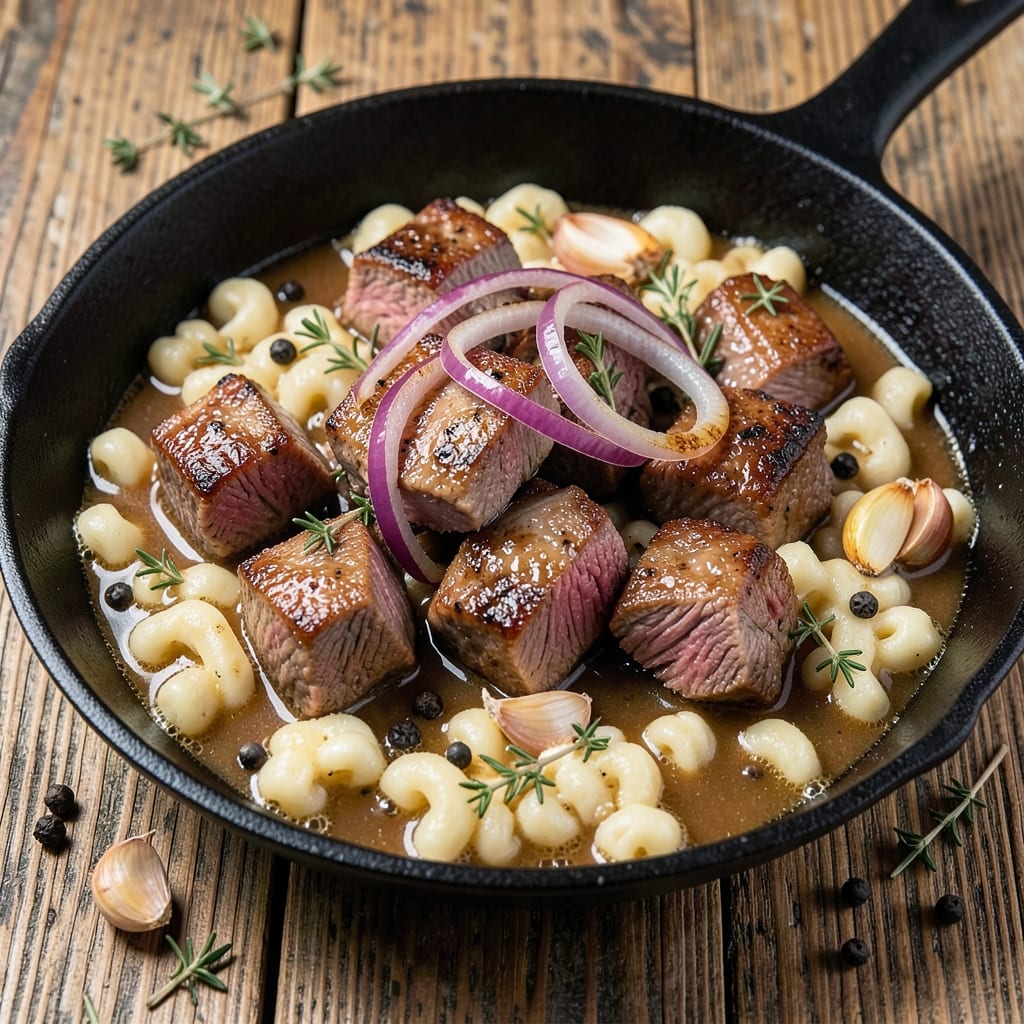
This beef and spaetzle recipe delivers the hearty comfort of classic German cuisine in a single pan, where tender beef simmers in rich gravy alongside homemade spaetzle that soaks up every flavor. The secret lies in slow-braising the beef until fork-tender while building a deep, savory sauce that transforms simple ingredients into something extraordinary. I developed this version after years of perfecting the balance between restaurant-quality depth and weeknight-friendly simplicity—no shortcuts, just layers of flavor that make every bite satisfying.
The beauty of this dish is its versatility. You can start with pan-seared beef chuck for a deeper flavor or opt for a quicker braise if you're short on time, all while the spaetzle cooks directly in the same pot, creating a cohesive meal with minimal cleanup. The spaetzle—light, eggy, and perfectly al dente—absorbs the beef's juices, turning each forkful into a harmonious blend of textures. For extra richness, I recommend finishing with a sprinkle of fresh parsley and a drizzle of melted butter, though the dish shines even without it.
What you'll end up with is a steaming, aromatic plate that captures the essence of German Rindergulasch—tender beef swimming in a velvety gravy, paired with spaetzle that's neither too soft nor too dense. The aroma alone will have everyone gathered at your table, and the first bite delivers on that promise of hearty, comforting satisfaction. This is the kind of meal that feels like a hug on a plate, perfect for cold evenings or family gatherings where tradition meets delicious simplicity.
Serve with buttery sautéed mushrooms and a crisp green salad for balance, or keep it classic with just a sprinkle of fresh herbs. The leftovers reheat beautifully, making this an ideal recipe for meal prep or feeding a crowd. Let's get cooking—your taste buds will thank you.
Ingredients for beef and spaetzle
Pantry staples and a few fresh ingredients for a dish that tastes like home.
| Ingredient | Amount | Notes |
|---|---|---|
| Beef Chuck Roast 🥩 | 2 lb | Pre-cut into 1.5-inch cubes |
| All-Purpose Flour 🌾 | 1 ½ cups | For spaetzle base |
| Large Eggs 🥚 | 4 whole | Room temperature preferred |
| Yellow Onion 🧅 | 1 whole | Medium-sized, diced |
| Garlic Cloves 🧄 | 4 cloves | Minced for depth |
| Beef Broth 💧 | 2 cups | Low-sodium preferred |
| Tomato Paste 🍅 | 2 tbsp | Squeeze tube works fine |
| Red Wine 🍷 | ½ cup | Bold dry red like Cabernet |
| Bay Leaves 🌿 | 2 whole | Fresh if possible |
| Fresh Thyme 🌿 | ¼ cup | Leaves only, chopped |
| Salt 🧂 | 1 ½ tsp | Kosher or sea salt |
| Black Pepper 🌶️ | ½ tsp | Freshly ground preferred |
| Unsalted Butter 🧈 | ½ cup | Cold, cubed for finishing |
| Fresh Parsley 🌿 | ¼ cup | Chopped for garnish |
The beef chuck is non-negotiable here—look for good marbling at the butcher counter. Pre-cut cubes save time, but if you're buying a whole roast, ask them to trim it for you. Costco or local butchers usually have the best cuts. For the spaetzle, all-purpose flour works, but King Arthur or Bob's Red Mill brands give the lightest texture. Fresh thyme and parsley make all the difference, but dried works in a pinch (use half the amount). The tomato paste? Trader Joe's squeeze tubes are perfect—no waste, lasts forever.
No red wine? Beef broth with a splash of balsamic works just as well. Fresh thyme is ideal, but dried at one-third the amount gets you close. The onions can be yellow or red—whatever's on sale. For the spaetzle, if you don't have a spaetzle maker, a box grater with large holes works (or just tear the dough into strips). The butter matters for finishing—use full-fat, cold cubes so it melts beautifully over everything. And trust me, the bay leaves? Remove them before serving—they're for flavor, not eating.
This dish reheats beautifully—tastes even better the next day once all the flavors meld. Keeps in the fridge for 4-5 days or freeze portions for 3 months. I always make double batches because it's perfect for meal prep. Store the beef and sauce separately from the spaetzle—reheat them together so the spaetzle doesn't get soggy. For extra richness, add a splash of broth when reheating.
Why You'll Love This Recipe
- One-Pot Magic: I swear by this—just brown the beef, toss in onions and garlic, then let it slow-cook while the spaetzle (made from flour, eggs, and water) simmers alongside. No extra pans, no fuss, and the flavors meld together like they’ve been friends forever.
- Rich, Rustic Depth: That chuck roast turns impossibly tender, and the spaetzle—light as clouds but sturdy enough to soak up the juices—makes every bite feel like a hug. Honestly, the garlic and onions caramelize into something so good, I’ll make it just for Sunday suppers.
- Leftovers for Days: Between us, this recipe begs to be made in bulk. The beef stays tender for days, and the spaetzle reheats like a dream (just add a splash of water). I’ve fed my family for three lunches from one batch—no sad, dry leftovers here.
- Budget-Friendly Feast: Chuck roast is a steal, and flour and eggs stretch to feed a crowd. Here’s what sold me: I can make this for half the cost of takeout, and it still feels like a special meal. My wallet and my taste buds thank me every time.
Step-by-step instructions for beef and spaetzle
This German classic comes together in one pan—rich beef simmered with aromatic herbs and tender spaetzle that soaks up every delicious bite.
Brown the Beef Chuck Roast
Heat a large Dutch oven over medium-high heat and add the 2 lb Beef Chuck Roast cut into 1.5-inch cubes. Brown the beef in batches if needed, working in 3-4 minutes per side until deeply caramelized. You want that golden crust—it's packed with flavor. Season each batch with ½ tsp salt and ¼ tsp black pepper while browning.
Don't rush this step. The beef needs to develop that rich, meaty crust before we add any liquids. If your pan gets too crowded, reduce heat slightly to prevent steaming. Once browned, transfer the beef to a plate and set aside.
Sauté Aromatics and Make the Sauce Base
In the same Dutch oven, add 2 tablespoons unsalted butter and let it melt over medium heat. Add the diced yellow onion and cook for 5 minutes until softened but not browned. Stir in the minced garlic cloves and cook for 30 seconds until fragrant—you should smell that pungent garlic aroma.
Add the 2 tablespoons tomato paste and stir to coat the onions and garlic. Pour in the ½ cup red wine and scrape up any browned bits from the bottom of the pan. Let it simmer for 2 minutes until the wine reduces by half. This creates a rich, flavorful base for your sauce.
Simmer the Beef with Herbs and Broth
Return the browned beef to the Dutch oven. Add the 2 cups beef broth, 2 whole bay leaves, ¼ cup chopped fresh thyme, 1 tsp salt, and ¼ tsp black pepper. Bring to a gentle simmer, then reduce heat to low. Cover and let it cook for 1 hour, stirring occasionally, until the beef is fork-tender.
Here's the thing—don't peek too often. Every time you lift that lid, you're letting heat escape and potentially drying out the beef. After the hour, you should be able to pierce the beef with a fork with little resistance. If it's not quite tender yet, add ¼ cup water and continue cooking for another 15-20 minutes.
Make the Spaetzle While Beef Simmers
While the beef cooks, make the spaetzle. In a large bowl, whisk together the 1.5 cups all-purpose flour, 4 whole eggs, ½ tsp salt, and ¼ tsp black pepper until smooth. The batter should be thick but pourable—like heavy cream consistency. If it's too thick, add 1 tablespoon water at a time until it reaches the right texture.
Bring a large pot of water to a gentle boil. Using a spaetzle maker, push the batter through into the boiling water. If you don't have a spaetzle maker, use a grater or fork to create small strands. Cook for 2-3 minutes until they float to the surface. Drain in a colander and set aside.
Finish the Dish and Serve
Once the beef is tender, stir in the ½ cup cold unsalted butter and let it melt into the sauce. Add the cooked spaetzle and toss gently to coat in the sauce. If the sauce is too thin, let it simmer uncovered for 2-3 minutes to thicken slightly. Taste and adjust seasoning with more salt or pepper if needed.
Transfer to serving bowls, garnish with ¼ cup chopped fresh parsley, and serve immediately. The spaetzle will soak up all that rich beef sauce, making every bite hearty and satisfying. This one-pan wonder is perfect for chilly evenings—just be sure to have your bowls ready!
Pro Tips For Making Beef And Spaetzle
- SEAR THE CHUCK ROAST: Get that pan screaming hot—we’re talking smoke testing the onions before the meat hits. A Chuck Roast needs a deep, caramelized crust to hold up through slow cooking, and rushing this step means flavor that’ll fade into the broth. I used to skip it, and the beef always tasted like it was trying too hard.
- GRATE THE ONIONS: Skip the dice—fine-grate the onions for the spaetzle dough. They’ll cook faster, blend smoother, and add a subtle sweetness that cuts through the richness of the beef. (Yes, even if it looks like you’re making coleslaw.) Trust me, the texture’s better, and you won’t taste raw onion chunks later.
- DON’T OVERMIX THE DOUGH: The second you add the eggs to the flour, stop stirring. A few lumps? Good. Overworking the dough makes spaetzle gummy, and no one wants that. Just fold gently until just combined—like mixing a lazy pancake batter. I learned this after a spaetzle disaster that resembled rubber bands.
- REST THE BEEF TWICE: First, let the roast sit at room temp for 30 minutes before searing. Then, after cooking, tent it with foil and walk away for 15 minutes. Skipping either step means uneven cooking or dry meat. (Your knife will thank you—no one likes fighting a cold, tough Chuck Roast.)
Pro cooking tips for beef and spaetzle
Beef Browning Mastery
That golden crust on your beef isn't just for looks—it's packed with flavor from the Maillard reaction. Use a heavy-bottomed Dutch oven like All-Clad to distribute heat evenly. I cut my 2 lb beef chuck into 1.5-inch cubes for even cooking. Brown in batches over medium-high heat for 3-4 minutes per side—don't overcrowd the pan or you'll steam instead of sear. A meat thermometer ensures perfect doneness at 195°F for tender results. 🔥
Sauce Reduction Secrets
The wine reduction is where magic happens. After adding ½ cup red wine, scrape up those browned bits from the bottom—this is called fond, and it's flavor gold. Let the wine reduce by half before adding broth. If your sauce is too thin later, simmer uncovered for 2-3 minutes to thicken naturally. I avoid cornstarch—it makes the sauce taste artificial. Instead, let the sauce reduce slowly over low heat for that restaurant-quality depth.
Spaetzle Texture Control
Your spaetzle batter should be like heavy cream—thick but pourable. If it's too thick, add 1 tbsp water at a time. Cook in gentle boiling water for 2-3 minutes until they float. Drain immediately in a fine-mesh colander to prevent sticking. For extra tenderness, I like to toss the cooked spaetzle with 1 tbsp melted butter before adding them to the beef sauce. This keeps them from turning mushy when reheated later.
One-Pan Efficiency
Cooking the beef and spaetzle in the same pot saves cleanup and keeps flavors cohesive. While the beef simmers, the spaetzle can cook in a separate pot, but I find it's easier to manage everything in one Dutch oven. Just be careful not to overcrowd—leave some space for the spaetzle to cook evenly. If your pan gets too full, transfer some spaetzle to a separate pot and finish cooking them separately before combining.
Herb and Butter Finishing
The final touches make all the difference. Stir in ½ cup cold cubed butter at the end to melt into the sauce—this adds richness without making the dish greasy. Fresh thyme and parsley brighten the dish, but if you're short on time, dried herbs work (use half the amount). For extra elegance, I like to garnish with crispy fried onions or a sprinkle of smoked paprika—just a pinch adds depth. 💫
Leftovers Strategy
This dish tastes even better the next day! Store components separately in airtight containers—beef sauce in one, spaetzle in another. When reheating, combine them in a pot with 2 tbsp beef broth to prevent drying. Warm over low heat until everything is heated through. If the sauce thickens too much, add a splash more broth. Pro tip: Freeze portions for up to 3 months—just thaw in the fridge overnight before reheating.
Nutrition facts
Frequently asked questions
Can I substitute beef chuck with another cut?
For quicker cooking (2-3 hours), use beef stew meat or chuck roast cut into 1.5-inch cubes. For richer flavor, try brisket or short ribs—just braise longer (up to 3 hours) until fork-tender. Avoid lean cuts like sirloin, as they won't stay tender during simmering.
What if I don't have a spaetzle maker?
No problem! Use a box grater with large holes or push the batter through a fork to create strands. For a rustic texture, tear the dough into ½-inch strips with your hands. Cook in boiling water for 2-3 minutes until they float. Drain well to prevent soggy noodles.
How do I fix mushy spaetzle?
Mushy spaetzle usually means overcooking or improper batter consistency. For next time, cook them for 2 minutes max (they should float immediately). Also, ensure your batter is thick but pourable—like heavy cream. If they're already mushy, drain well and toss with 1 tbsp melted butter to add body.
Can I make this dish ahead of time?
Yes! Cook the beef and sauce 1 day ahead and refrigerate. Store the spaetzle separately in an airtight container. When reheating, combine everything in a pot with 2 tbsp beef broth and warm over low heat. For freezing, portion the beef/sauce and spaetzle separately for up to 3 months.
What sides pair best with beef and spaetzle?
Classic pairings include buttery sautéed mushrooms, caramelized onions, or a crisp green salad with apple slices. For extra heartiness, add roasted potatoes or steamed broccoli. The key is balancing richness—acidic or fresh elements cut through the dish's richness.