
Soups & Stews
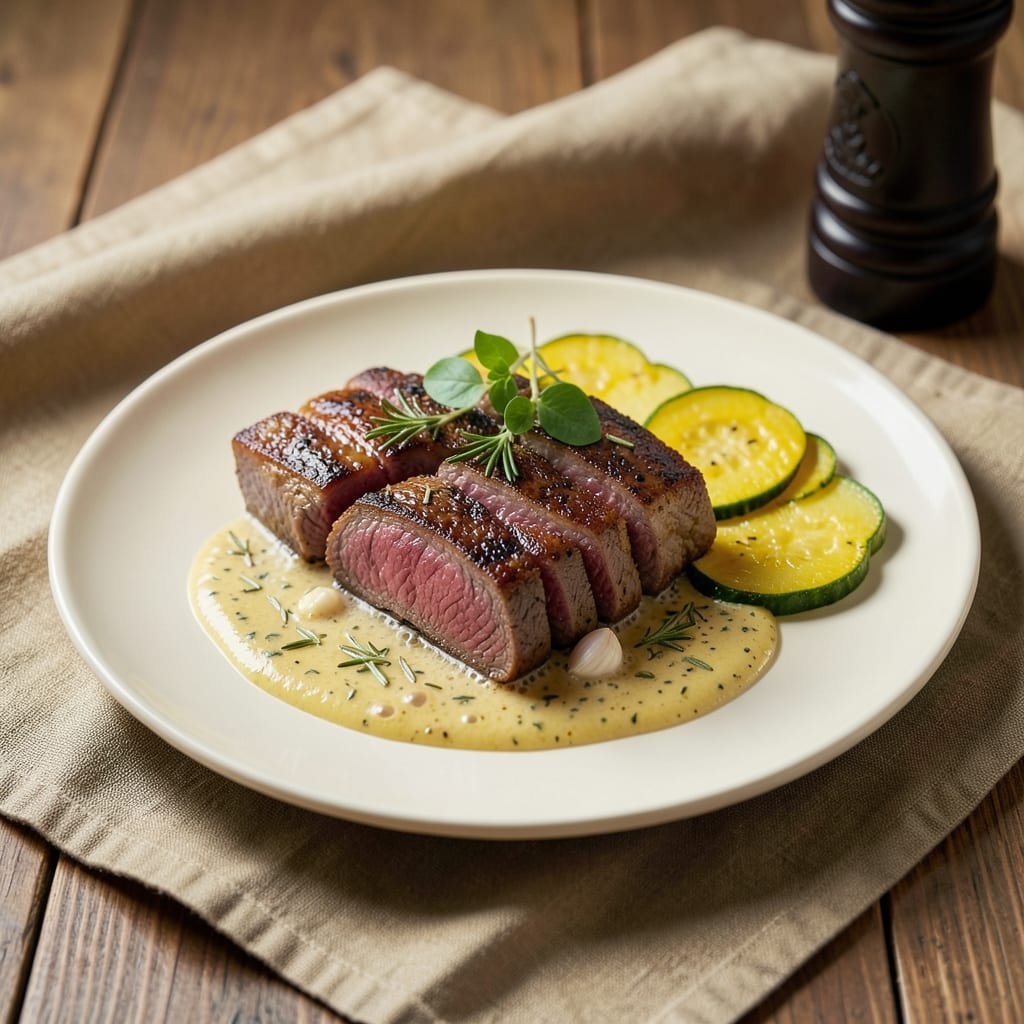
This beef and yellow squash recipe delivers a restaurant-quality one-pan meal that combines tender beef strips with sweet, caramelized yellow squash in just 30 minutes. The secret lies in high-heat searing followed by a herbed butter finish that transforms simple ingredients into a dish worthy of any dinner table. I developed this technique after realizing how often we overcomplicate weeknight meals—this version proves you don’t need fancy techniques for impressive results.
The beauty of this recipe is its balance: the beef develops a savory crust while the yellow squash softens into tender, slightly sweet slices that absorb the herbed butter beautifully. We start with a simple pan-sear to lock in juices, then finish with a quick deglaze that creates a rich, flavorful sauce. This method ensures every bite delivers perfect texture—tender beef with caramelized squash—without requiring multiple pans or complicated steps.
What you’ll end up with is a dish that’s hearty enough for a family dinner but simple enough for a weeknight. The herbed butter finish adds layers of flavor without overpowering the natural sweetness of the squash or the richness of the beef. It’s the kind of meal that makes you feel like you’ve put in effort without actually spending hours in the kitchen.
Serve with crusty bread to soak up the pan juices or alongside a simple green salad for a complete meal. The flavors are robust enough to stand alone but also pair beautifully with a bold red wine or even a light beer. Let’s get cooking—this dish is simpler than it looks, and the results will impress everyone at your table.
Ingredients for beef and yellow squash
Pantry staples meet fresh produce for this restaurant-worthy one-pan meal.
| Ingredient | Amount | Notes |
|---|---|---|
| Beef Tenderloin 🥩 | 1 lb | Cut into 1-inch strips |
| Yellow Squash 🥒 | 2 medium | Sliced into 1/4-inch rounds |
| Unsalted Butter 🧈 | 4 tbsp | Cold, cubed for herbed butter |
| Fresh Rosemary 🌿 | 1 tbsp | Finely chopped, stems removed |
| Fresh Thyme 🌿 | 1 tsp | Leaves only, chopped |
| Garlic Cloves 🧄 | 3 cloves | Minced, for herbed butter |
| Olive Oil 🫒 | 2 tbsp | For searing beef |
| Kosher Salt 🧂 | 1 ½ tsp | Adjust to taste |
| Ground Black Pepper 🌶️ | 1 tsp | Freshly ground |
| Dried Parsley 🌿 | 1 tsp | For garnish |
| Red Wine Vinegar 🍷 | 1 tbsp | For deglazing |
| Beef Broth 💧 | ½ cup | Low-sodium preferred |
The beef is where this dish shines—look for tenderloin or sirloin at Costco or your local butcher for the best texture. Pre-cut strips save time, but if you're buying a whole piece, ask for it sliced yourself. Yellow squash should be firm with no soft spots—Trader Joe's usually has the best selection. Fresh herbs are non-negotiable here; dried won't give you that bright, herby finish. If you're short on time, Penzeys sells pre-chopped rosemary and thyme in little jars that work in a pinch.
No fresh thyme? Dried works at one-third the amount, but it's not the same. Running low on beef broth? Chicken broth with a splash of soy sauce gets you close. The red wine vinegar adds brightness—substitute lemon juice if that's what you've got. For the herbed butter, use cold butter cubes so it melts beautifully over the squash. The squash slices should be even thickness so they cook uniformly—no one wants mushy bits while the edges stay firm.
This dish reheats beautifully—just add a splash of water or broth and cover. Keeps for 3 days in the fridge or 3 months frozen. I always double the herbed butter and freeze half in an ice cube tray for future meals. The flavors actually improve overnight as everything melds together. Serve with crusty bread to soak up the pan juices—it's the best part.
Why You'll Love This Recipe
- One-Pan Magic: I swear by this recipe when I’m too tired to wash dishes. Just sear the tenderloin, toss in the squash, and let the butter and herbs work their magic—no extra pans, no stress.
- Herb-Infused Richness: That rosemary-thyme butter melting into the beef? It’s like a hug for your taste buds. The squash soaks up all the savory goodness without overpowering—simple but ridiculously flavorful.
- Weeknight to Dinner Party: Same recipe, different vibes. Serve it sliced for a fancy dinner or as hearty leftovers the next day. Honestly, I’ve taken it to potlucks, and no one ever questions why it’s so good.
- Budget-Friendly Luxury: Tenderloin feels fancy, but it stretches far when paired with squash—no wasted ingredients. Plus, fresh herbs and butter make it taste like a splurge, even if your wallet’s happy.
Step-by-step instructions for beef and yellow squash sauté
Here's how to create a perfectly balanced one-pan dish with tender beef and sweet squash.
Prepare the Beef and Squash
Cut the 1 lb beef tenderloin into 1-inch strips using a sharp knife. Pat each piece dry with paper towels—this helps them sear properly. Slice the 2 medium yellow squash into ¼-inch rounds, discarding any tough ends. Set both aside while you prep the aromatics.
Real talk: don't skip the drying step. Even slightly damp beef releases steam instead of developing that gorgeous crust we're after. I like to work in batches if needed—just keep the cut pieces on a plate while you prep everything else.
Sear the Beef and Sauté the Squash
Heat 2 tablespoons olive oil in a large skillet over medium-high heat until shimmering. Add the beef strips in a single layer, being careful not to overcrowd. Let them sear undisturbed for 2-3 minutes until they develop a deep golden crust. Flip and cook another 2-3 minutes until browned on both sides. Transfer the beef to a plate and set aside.
In the same skillet, reduce heat to medium and add the squash slices. Cook for 4-5 minutes, stirring occasionally, until they begin to soften slightly but still hold their shape. You want them tender-crisp, not mushy. Season lightly with ½ teaspoon kosher salt and ¼ teaspoon black pepper while they cook.
Create the Herbed Butter Sauce
In a small bowl, combine 4 tablespoons cold unsalted butter, 1 tablespoon finely chopped fresh rosemary, 1 teaspoon chopped fresh thyme, 3 minced garlic cloves, ½ teaspoon kosher salt, and ½ teaspoon black pepper. Mix until well incorporated—this butter should be cold enough to hold its shape when pressed between fingers.
Here's where it gets fun: add the herbed butter to the skillet with the squash. Let it melt completely over medium-low heat, stirring constantly for 2 minutes until the butter has fully incorporated and the aromatics are fragrant. The butter should coat the squash evenly, giving it that rich, herby finish.
Finish with Wine Vinegar and Broth
Pour in 1 tablespoon red wine vinegar and scrape up any browned bits from the bottom of the pan. Let it simmer for 1 minute until the vinegar has mostly evaporated and the pan juices are reduced by half. Add ½ cup beef broth and stir to combine, letting it simmer for another 2 minutes until slightly thickened.
Return the seared beef strips to the skillet and toss everything together gently. The beef will finish cooking in the residual heat—just 1-2 minutes is all you need. Taste and adjust seasoning with more salt or pepper if needed. The sauce should be just enough to coat everything lightly without being watery.
Garnish and Serve Immediately
Transfer the beef and squash to serving plates, spooning any remaining sauce from the skillet over the top. Sprinkle with 1 teaspoon dried parsley for a pop of color and freshness. Serve immediately while the beef is still juicy and the squash retains its slight crunch.
This dish works beautifully with crusty bread to soak up any extra sauce. I like to pair it with a simple green salad to balance the richness. The key is timing—don't let it sit too long after cooking, or the squash will turn mushy and the beef may dry out.
Pro Tips For Making Beef And Yellow Squash
- USE A CAST-IRON SKILLET: I learned this the hard way—beef tenderloin needs even heat, and nonstick pans lie to you. Cast iron holds the temperature steady and gives that golden crust without flaking. (Yes, even if you’re impatient like me, don’t rush the sear.)
- TRIM THYME STEMS, NOT THE LEAFY BITS: Fresh thyme’s flavor hides in the leaves, not the woody stems. Strip them off with your fingers—no knife needed—and pack the leaves into the butter for the squash. It’s more work upfront, but the aroma makes a real difference.
- SALT THE BEEF TWICE: Do it first thing when you pull the steak from the fridge, then again right before searing. The first salt draws out moisture, so the second layer sticks better and forms that crust. (Your future self will thank you.)
- CUT SQUASH IN EVEN STICKS: Uneven pieces cook at different rates, and nobody wants mushy squash next to al dente. Aim for ½-inch-wide sticks—thick enough to hold shape, thin enough to cook fast. No measuring cups needed, just eyeball consistency.
Essential equipment for perfect results
Skillet Essentials
A 10-12 inch cast iron skillet is my go-to for this recipe—its heavy base distributes heat evenly, preventing hot spots that could burn the squash while the beef cooks. I swear by a Lodge Pre-Seasoned Cast Iron Skillet because it develops a natural nonstick surface over time. If you don’t own cast iron, a stainless steel skillet with a heavy base (like All-Clad) works well too. Just be prepared to deglaze carefully to avoid sticking. 🔥
Knife Precision
Invest in a sharp chef’s knife (I use a Wüsthof Ikon 8-inch) for clean cuts that ensure even cooking. The beef strips should be 1-inch thick for perfect searing, and the squash slices need to be ¼-inch thick to cook uniformly. A mandoline speeds up squash prep if you’re making this often, but a sharp knife works just fine with practice. Always cut on the diagonal for more surface area and faster cooking.
Butter Tools
For the herbed butter, I recommend using a small mixing bowl (like Pyrex glass) to combine the cold butter with herbs. The key is keeping everything cold until it hits the skillet—use a spoon to fold the herbs into the butter cubes gently. A microplane makes quick work of garlic and herbs if you’re short on time. Store any leftover herbed butter in an airtight container in the fridge for up to 5 days or freeze it in portions for future meals.
Heat Control
An instant-read thermometer (like Thermoworks ThermoPop) is worth every penny for this recipe. It helps you monitor the skillet’s temperature—you want it at medium-high (375°F) for searing beef and medium (350°F) for squash. Without one, watch for smoke or slight dancing in the oil to gauge heat levels. A heat-resistant spatula (like OXO Good Grips) is essential for flipping beef without losing those precious browned bits.
Deglazing Tools
Scrape up those flavorful browned bits with a wooden spoon or silicon spatula—they’re packed with caramelized goodness that elevates the dish. I keep a small whisk nearby to quickly combine the wine vinegar and broth for a smooth sauce. A fine-mesh strainer isn’t needed here, but it’s handy if you want to strain the sauce for a cleaner finish (though I usually leave it in for texture). 💡
Serving Essentials
For plating, grab a tongs set (like J. L. Chef’s) to transfer beef and squash without breaking them. A small serving spoon helps distribute the herbed butter sauce evenly. Garnish with dried parsley using a sprinkle tray or just pinch it between your fingers. Serve on warm plates (pop them in a 200°F oven for 5 minutes) to keep everything hot and inviting. Trust me, the presentation makes all the difference!
Nutrition facts
Frequently asked questions
Can I substitute yellow squash with zucchini?
Zucchini works perfectly in this recipe—it has a similar texture and absorbs flavors beautifully. Just slice it the same thickness (¼-inch rounds) for even cooking. The slight difference in sweetness won't affect the dish, but yellow squash does have a marginally sweeter profile that pairs slightly better with the herbed butter.
What's the best cut of beef for this recipe?
Tenderloin or sirloin work best—they're lean enough to sear quickly while staying tender. Avoid tougher cuts like flank steak unless you're planning to slice thinly against the grain. For budget-friendly options, look for pre-cut beef strips at Costco or ask your butcher for 1-inch strips—this ensures perfect cooking every time.
How do I prevent the squash from turning mushy?
Keep the squash slices ¼-inch thick and cook them over medium heat for only 4-5 minutes. Remove them from the pan as soon as they're tender but still slightly firm. Overcooking releases moisture that turns them mushy. Also, don't overcrowd the pan—cook in batches if needed to maintain even heat distribution.
Can I make this dish ahead of time?
Yes! Assemble everything except the final herbed butter step, then refrigerate for up to 24 hours. Reheat gently in the skillet over medium-low heat with a splash of beef broth, then finish with the herbed butter just before serving. For longer storage, freeze the cooked beef and squash separately for up to 3 months—just thaw and reheat using the same method.
What wine pairs best with this dish?
A medium-bodied red like Pinot Noir or Chianti complements the herbed butter and beef beautifully. For white wine lovers, try a crisp Sauvignon Blanc—its acidity cuts through the richness. If you prefer beer, a hoppy pale ale balances the dish's savory notes while adding a refreshing contrast.