
Soups & Stews
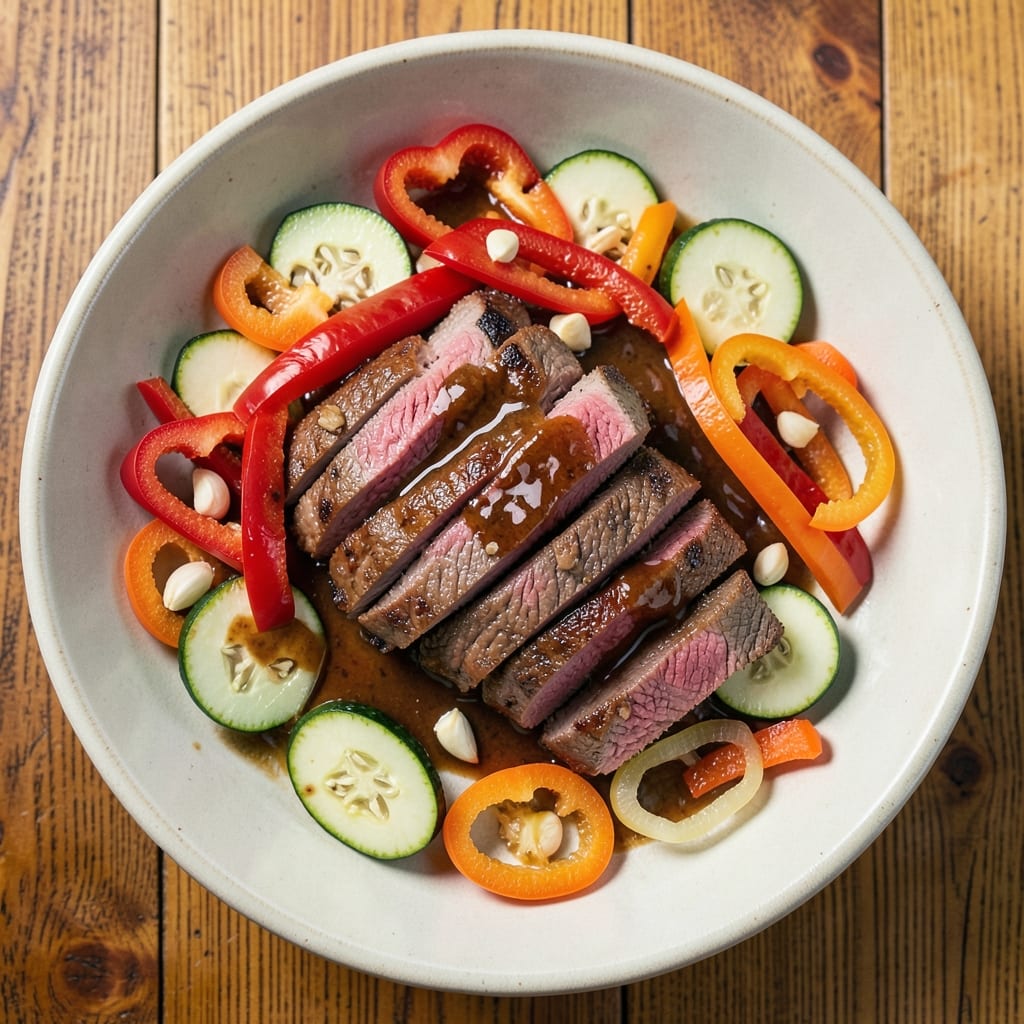
This beef and mixed vegetables recipe delivers a protein-packed, one-pan dinner that’s ready in just 30 minutes—perfect for busy weeknights when you need balanced, flavorful meals without the fuss. The secret lies in searing tender beef strips alongside vibrant vegetables, creating a dish that’s both hearty and nutritious, with minimal cleanup. Whether you're feeding a family or meal prepping for the week, this method ensures every bite is packed with savory depth and satisfying texture.
The beauty of this recipe is its versatility—you can adjust the vegetables based on what’s fresh at the market, while the beef’s rich, caramelized crust adds a restaurant-quality touch without requiring fancy techniques. A simple blend of garlic, ginger, and soy sauce builds the flavor foundation, ensuring the dish is bold yet approachable, even for home cooks. The vegetables stay crisp-tender, absorbing just enough of the beef’s savory juices to create a harmonious, one-pan masterpiece.
What makes this recipe stand out is its ability to transform simple ingredients into a restaurant-worthy meal with almost no effort. The beef becomes tender and flavorful, while the mixed vegetables retain their natural sweetness and vibrant colors. Serve it over steamed rice or with a side of crusty bread to soak up every last bit of the savory pan juices—this is the kind of dinner that feels indulgent yet stays light and balanced.
From searing the beef to sautéing the vegetables in the same pan, this method cuts down on both time and dishes, making it ideal for anyone looking to simplify their weeknight cooking. The result is a dish that’s foolproof, adaptable, and always satisfying—proving that great meals don’t have to be complicated. Let’s get cooking!
Ingredients for beef and mixed vegetables
Simple, protein-rich ingredients that transform into a restaurant-quality one-pan dinner in minutes.
| Ingredient | Amount | Notes |
|---|---|---|
| Flank Steak 🥩 | 1 ¼ lb | Cut into 1-inch strips, boneless |
| Yellow Onion 🧅 | 1 whole | Sliced into 1/2-inch strips |
| Bell Peppers 🌶️ | 2 whole | Any color, cut into 1-inch pieces |
| Carrots 🥕 | 4 whole | Baby or regular, cut into 1-inch chunks |
| Zucchini 🥒 | 1 whole | Medium, sliced into 1/2-inch rounds |
| Garlic Cloves 🧄 | 4 cloves | Minced for marinade |
| Fresh Ginger 🌿 | 1 tbsp | Grated, peeled |
| Soy Sauce 🍶 | 2 tbsp | Low-sodium preferred |
| Olive Oil 🫒 | 2 tbsp | Extra-virgin for searing |
| Brown Sugar 🍚 | 1 tbsp | Light or dark |
| Sesame Oil 🫒 | 1 tsp | For finishing |
| Salt 🧂 | 1 tsp | Kosher or sea salt |
| Black Pepper 🌶️ | ½ tsp | Freshly ground |
| Green Onions 🧅 | 2 whole | Sliced for garnish |
The beef is the star here, so flank steak is ideal—it stays tender when sliced thin and cooks fast. Costco or local butchers often have it pre-sliced for stir-fries, which saves time. Look for good marbling but avoid anything with a strong gamey smell. If you can't find flank, sirloin or skirt steak work too—just slice against the grain. The vegetables? Fresh is best, but frozen mixed veggies in a pinch will do. Just don't skip the onions—they caramelize beautifully and add depth to the dish.
No soy sauce? Coconut aminos or tamari are great swaps—they've got that same umami punch. Fresh ginger too pricey? Ground ginger at half the amount works, though it's not quite the same. The sesame oil is non-negotiable for that final aromatic hit—Trader Joe's has a great affordable bottle. Want to bulk this up? Add broccoli florets or snap peas—they hold up well to the quick cooking. The bell peppers can be swapped for mushrooms if you prefer a meatier texture, but they add a nice crunch.
This dish reheats beautifully—honestly tastes better the next day once everything melds. Store leftovers in an airtight container for up to 4 days in the fridge. For meal prep, portion into containers with a little extra sauce from the pan. Freezes well for 3 months if you seal it tightly. The beef stays juicy when reheated, but if it's too dry, just add a splash of water or broth when warming.
Why You'll Love This Recipe
- One-Pan Magic: I swear by this recipe when I’m too tired to scrub pots—just toss the flank steak, sliced veggies, and a splash of soy sauce on one sheet pan. The onions caramelize while the peppers soften, and the steak gets that perfect sear without a skillet.
- Savory Crunch Combo: Between us, the bell peppers add a sweet snap, the carrots bring natural sweetness, and the zucchini keeps it light—all while the steak delivers that deep, umami punch. Honestly, the flavors balance like a well-made sandwich.
- Lunchbox Hero: I make double batches because this reheats beautifully for work lunches (yes, even the next day). The veggies stay crisp-tender, and the steak slices neatly—no sad, dry leftovers here.
- Budget Power Move: Flank steak is affordable, and seasonal veggies stretch further than you’d think. I’ll be real: my grocery bill stays sane, and I still end up with a meal that feels special enough for company. (Not the prettiest, but the taste makes up for it.)
Step-by-step instructions for beef and mixed vegetables dinner
Here's how to create a perfectly balanced one-pan meal with tender beef and crisp-tender vegetables.
Prepare the Marinade and Slice the Ingredients
In a small bowl, combine the 2 tablespoons soy sauce, 1 tablespoon brown sugar, 1 tablespoon grated fresh ginger, 4 minced garlic cloves, 1 teaspoon salt, and 0.5 teaspoon black pepper. Whisk until the brown sugar dissolves completely. This marinade will tenderize the beef while adding depth of flavor.
While the marinade rests, slice the 1.25 lb flank steak into 1-inch strips. Cut the 1 whole yellow onion into ½-inch strips, the 2 whole bell peppers into 1-inch pieces, the 4 whole carrots into 1-inch chunks, and the 1 whole zucchini into ½-inch rounds. Keep all vegetables separate for even cooking.
Marinate the Beef and Preheat the Pan
Place the sliced flank steak strips in a resealable plastic bag and pour the marinade over them. Seal the bag and massage the marinade into the beef, coating all surfaces evenly. Let it marinate for at least 15 minutes at room temperature—this ensures maximum flavor penetration and tenderness.
Heat a large skillet or wok over medium-high heat. Add the 2 tablespoons olive oil and swirl to coat the pan evenly. The oil should shimmer but not smoke—this is your signal that it's ready for the beef. If you see smoke, reduce the heat slightly to maintain control.
Sear the Beef and Remove from Pan
Working in batches if necessary, add the marinated beef strips to the hot pan. Cook for 2-3 minutes per side until they develop a deep golden-brown crust and are no longer pink in the center. The beef should be nearly cooked through but still slightly tender. Remove the beef and set it aside on a plate.
This searing step is critical—it locks in juices and creates that beautiful caramelized flavor. Don't overcrowd the pan or the beef will steam instead of sear. If you notice the pan getting too crowded, cook the beef in two batches.
Cook the Vegetables in the Beef's Flavorful Juices
In the same pan, add the sliced yellow onion, bell peppers, carrots, and zucchini. Stir to combine with any remaining beef juices and rendered marinade at the bottom of the pan. Cook for 5-6 minutes, stirring occasionally, until the vegetables begin to soften but still retain a slight crispness.
You want the vegetables to develop color and become tender-crisp rather than mushy. The carrots should be fork-tender with a slight bite, while the bell peppers and zucchini should still hold their shape. If the vegetables are releasing a lot of moisture, reduce the heat slightly to prevent steaming.
Combine and Finish with Sesame Oil
Return the seared beef strips to the pan with the vegetables. Stir everything together and cook for an additional 2-3 minutes until everything is heated through and the flavors have melded. The beef should be fully cooked with a beautiful caramelized crust, and the vegetables should be tender yet still vibrant.
Drizzle with the 1 teaspoon sesame oil and toss gently to coat. The sesame oil adds a nutty aroma and helps tie all the flavors together. Taste and adjust seasoning if needed—you might want to add a splash more soy sauce or a pinch of salt to balance the dish.
Serve Immediately with Fresh Garnish
Transfer the beef and vegetables to serving plates. Garnish with the sliced 2 whole green onions for a fresh pop of color and brightness. Serve hot while the vegetables are still crisp-tender and the beef is juicy. This dish pairs beautifully with steamed rice or crusty bread to soak up all the flavorful juices.
Each bite should deliver a perfect balance of tender beef, colorful vegetables, and complex flavors from the marinade. The one-pan method keeps everything simple while maximizing flavor—no complicated techniques required, just good timing and attention to detail.
Pro Tips For Making Beef And Mixed Vegetables
- Slice Against the Grain: Flank steak’s tough fibers run diagonally—cutting perpendicular to them shortens each strand, making every bite tender. I used to ignore this and ended up with chewy, disappointing slices. Grab a sharp knife and angle those cuts like you’re slicing a loaf of bread.
- Char the Onions First: Yellow onions release sweetness when caramelized, but they’ll turn mushy if you toss them in with the peppers. Sear them alone in the pan for 3-4 minutes until dark brown spots form—then add the rest. This isn’t optional; it’s what turns a good stir-fry into a flavor bomb.
- Don’t Overcrowd the Pan: I learned this the hard way after my zucchini turned soggy and the beef steamed instead of searing. Work in batches: cook the steak first, then set it aside while you prep the veggies in the same pan. A hot, empty pan is your friend—keep it that way until the beef hits it.
- Use Cold Carrots: Raw carrots take longer to soften, but if you blanch them for 2 minutes in boiling water first, they’ll cook evenly without turning to mush. Skip the blanch, and you’ll end up with some al dente chunks and others falling apart—no one wants that texture fight in their dish.
Essential equipment for great beef and mixed vegetables
Skillet Essentials
A high-quality 12-inch cast iron skillet or carbon steel wok is my go-to for this recipe—both distribute heat evenly and handle high temperatures beautifully. I swear by a Lodge cast iron skillet for its durability and natural non-stick properties after proper seasoning. For a lighter option, a well-seasoned stainless steel skillet works too, though you may need slightly more oil to prevent sticking. 🔥
If you don’t own cast iron, a non-stick skillet with a heavy base (like Calphalon or All-Clad) is a great alternative. Just avoid cheap non-stick pans—they can’t handle the high heat needed for proper searing. For wok cooking, a round-bottomed wok on a gas burner gives you the best heat control, but a flat-bottomed wok works on electric stoves too.
Heat Control Tools
Investing in a thermometer for your stove is a game-changer—it helps you maintain the ideal medium-high heat (around 375-400°F) for searing. I use a Thermoworks Thermapen because it’s precise and fast, but even a simple infrared thermometer works in a pinch. If you’re cooking on gas, a grill pan with ridges can help with browning while preventing overcrowding.
For electric stoves, a heavy-bottomed pan prevents hot spots. If your pan isn’t heavy enough, add a small baking sheet underneath to help distribute heat more evenly. And if you’re using a wok, a wok stand elevates it for better heat circulation—trust me, it makes a difference! ⚡
Knife and Cutting Gear
A sharp chef’s knife (like Mercer Culinary Genesis) and a cutting board are non-negotiable for this recipe. The beef and vegetables need to be cut uniformly for even cooking, so invest in a long, flexible blade for slicing the flank steak against the grain. A mandoline speeds up prep for the vegetables, but it’s not essential—just be careful with those thick slices!
For the ginger and garlic, a microplane or garlic press saves time and ensures even mincing. And if you’re prepping a lot of vegetables, a food processor with a slicing blade can handle the onions and carrots in seconds. Just don’t overfill it, or you’ll end up with a messy pile! 🌿
Marinade and Storage
A resealable plastic bag or glass container keeps the beef and marinade together for even flavor absorption. I prefer glass for storage, but plastic bags are perfect for quick marinating. For the sesame oil, a small squeeze bottle makes drizzling effortless—no messy drips! Store any leftovers in an airtight container to keep the beef and veggies fresh.
If you’re meal prepping, glass meal prep containers with tight-sealing lids are ideal. They’re microwave-safe and won’t absorb odors like plastic. And for the marinade, a small glass jar with a lid keeps everything fresh in the fridge for up to 5 days. 💫
Nutrition facts
Frequently asked questions
Can I substitute flank steak with another cut of beef?
Sirloin or skirt steak work perfectly—they're tender when sliced thin and cook quickly. For a leaner option, try top round, but marinate it 30 minutes longer to prevent toughness. Avoid tough cuts like chuck roast, as they won't tenderize properly in this quick cooking method. Always slice against the grain for maximum tenderness!
How do I adjust the recipe for a slow cooker?
For a slow cooker version, sear the beef first on the stovetop, then transfer everything to the pot with ¼ cup beef broth. Cook on low for 4-5 hours or high for 2-3 hours. The vegetables will become softer, so add them in the last 30 minutes to prevent mushiness. Finish with sesame oil before serving for that signature aroma!
What's the best way to make this dish spicier?
Add ½ teaspoon red pepper flakes to the marinade, or stir in 1 tablespoon sriracha with the soy sauce. For extra heat, toss in 1 chopped Thai chili with the vegetables. Garnish with sliced jalapeños or a drizzle of gochujang sauce before serving. Remember, you can always add more heat—just don't remove it!
Can I use frozen mixed vegetables instead of fresh?
Yes, but thaw them first and pat completely dry to prevent steaming. Frozen veggies work best for carrots and bell peppers—just add them with the onions and cook 2 minutes longer than fresh. For zucchini, fresh is ideal as it releases too much moisture when frozen. Drain any excess liquid from thawed veggies before cooking for crispier results!
Why did my beef turn out tough?
Overcooking or skipping the marinade are the most common causes. Ensure beef strips are 1-inch thick and cook only until 160°F internal temperature (about 2-3 minutes per side). Always marinate for at least 15 minutes at room temperature. If using leaner cuts, add 1 teaspoon cornstarch to the marinade to help tenderize. Slice against the grain too!