
Main Courses
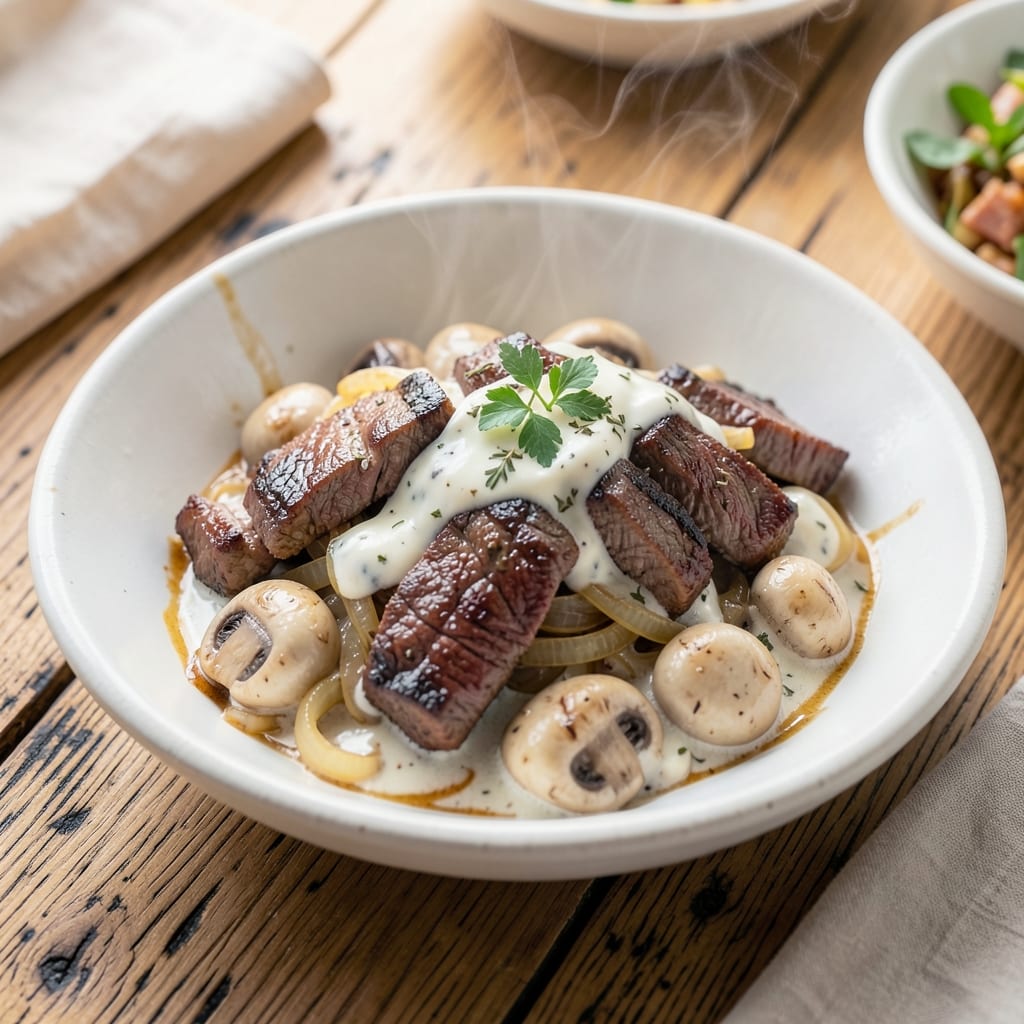
This basic beef stroganoff recipe delivers the creamy, comforting flavors you crave with minimal effort—rich mushroom sauce, tender beef, and velvety sour cream that coats every bite. The secret lies in properly searing the beef and building the sauce gradually, ensuring each component shines without overpowering the others. This isn’t your grandmother’s stroganoff; it’s a refined yet approachable dish that works for weeknight dinners or special occasions.
The process begins with searing thinly sliced beef in batches to render deep flavor, then setting it aside while sautéing mushrooms and onions until golden. A splash of broth and a touch of mustard form the foundation for the sauce, which comes together in minutes before the sour cream is stirred in for that signature creaminess. The result? A sauce so luxurious it feels like a restaurant-quality meal, yet it’s ready in under an hour.
What makes this stroganoff truly special is how the flavors meld—earthy mushrooms, savory beef, and tangy sour cream create a harmonious balance that’s both comforting and sophisticated. Serve it over buttery egg noodles or fluffy rice to soak up every last drop of that velvety sauce. The optional garnish of fresh parsley adds a pop of color and brightness, elevating the dish to new heights.
This recipe is designed to be foolproof, with clear steps that even beginner cooks can follow. The key is patience—letting the sauce simmer until thickened and allowing the beef to rest before serving ensures tender, flavorful bites every time. Whether you’re feeding a family or treating yourself, this stroganoff delivers satisfaction in every spoonful.
Ingredients for basic beef stroganoff recipe sour cream
Rich beef, earthy mushrooms, and velvety sour cream—this stroganoff delivers restaurant-quality comfort with simple ingredients.
| Ingredient | Amount | Notes |
|---|---|---|
| Top Sirloin Steak 🥩 | 1 ½ lb | Thinly sliced against grain |
| White Button Mushrooms 🍄 | 16 oz | Sliced into halves or quarters |
| Yellow Onion 🧅 | 1 whole | Thinly sliced, about 1 cup |
| Garlic Cloves 🧄 | 4 cloves | Minced, fresh preferred |
| Beef Broth 💧 | 2 cups | Low-sodium preferred |
| Dijon Mustard 🍯 | 1 tbsp | For depth of flavor |
| All-Purpose Flour 🌾 | 1 tbsp | For thickening sauce |
| Sour Cream 🧈 | 1 cup | Full-fat for creaminess |
| Unsalted Butter 🧈 | 2 tbsp | For finishing sauce |
| Egg Noodles 🍝 | 8 oz | Or wide egg noodles |
| Fresh Parsley 🌿 | ¼ cup | Chopped, for garnish |
| Salt 🧂 | 1 ½ tsp | Adjust to taste |
| Black Pepper 🌶️ | ½ tsp | Freshly ground |
| Paprika 🌶️ | ½ tsp | Smoked for color |
The beef is the foundation—top sirloin slices thinly against the grain for tender bites. Butcher counters often slice it for you, or use a sharp knife and freeze briefly for easier cutting. Mushrooms should be firm, not slimy; Trader Joe's or Whole Foods carry great pre-sliced options if you're short on time. For the onions, yellow or red both work, but yellow adds a touch of sweetness that pairs beautifully with the mushrooms. Garlic? Fresh is non-negotiable—jarred lacks the punch this dish deserves.
No beef broth on hand? Low-sodium chicken broth works in a pinch, but beef is ideal. The Dijon mustard adds depth without overpowering—no substitute needed. For the sour cream, full-fat is essential—light versions won't give that luxurious texture. If you're watching calories, use half sour cream and half Greek yogurt, but trust me on the full-fat version for authentic flavor. The flour is just for thickening; if you're gluten-free, cornstarch works 1:1. And those egg noodles? Fresh or dried, but fresh cooks faster and holds up better to the sauce.
This sauce thickens as it cools—reheat gently to restore creaminess. Leftovers keep 3-4 days in the fridge, but the flavor actually improves overnight as everything melds. For freezing, portion into airtight containers with noodles; reheat with a splash of broth to prevent drying. The parsley garnish is optional but adds that restaurant touch—buy fresh and store stems in water like flowers to keep it vibrant longer.
Why You'll Love This Recipe
- One-Pan Magic: I swear by this—just sear the steak, toss in sliced mushrooms and onions, then let the broth and sour cream work their magic together. No extra pots, no fuss, and still feels like a restaurant dish.
- Creamy Garlic Hug: That first bite of tender steak coated in tangy sour cream and caramelized onions? It’s the kind of flavor that makes you pause mid-spoonful. The garlic cloves? They’re the secret—just two minced ones, but they make it sing.
- Leftover Hero: This dish actually improves the next day. The flavors meld even more, and it reheats like a dream. Pack it for lunches or freeze portions—no one will guess it’s not fresh.
- Budget Dinner Win: Top sirloin steak stretches further than you’d think when sliced thin, and mushrooms bulk it up perfectly. A single onion and a few cloves of garlic turn this into a filling, satisfying meal without breaking the bank.
Step-by-step instructions for beef stroganoff with creamy mushroom sauce
Follow this method for rich, velvety stroganoff where the sauce clings perfectly to tender beef and egg noodles.
🍳 Step 1: Sear the Beef for Maximum Flavor
Pat the 1.5 lb top sirloin steak dry with paper towels and slice thinly against the grain. Heat 2 tablespoons unsalted butter in a large skillet over medium-high heat until foaming. Add the sliced beef in a single layer and let it sear undisturbed for 2-3 minutes until browned on one side.
Flip the beef and cook for another 1-2 minutes until it reaches medium doneness (about 145°F internal temperature). Remove the beef from the skillet and set aside on a plate. The beef should be browned but still juicy—overcooking here will make it tough. Keep the browned bits in the pan; they're packed with flavor.
🍳 Step 2: Cook the Mushroom and Onion Base
In the same skillet, add 1 whole yellow onion and 16 oz white button mushrooms sliced in halves. Cook over medium heat for 5-6 minutes, stirring occasionally, until the mushrooms release their moisture and begin to soften. Add 4 cloves minced garlic and cook for another 30 seconds until fragrant.
Here's the thing—don't rush this step. You want the mushrooms to develop a golden color and lose their raw taste. If the pan gets too dry, add 1 tablespoon beef broth to deglaze. The mushrooms should be tender but not mushy, and the onions should be translucent with just a hint of caramelization.
🥘 Step 3: Build the Sauce with Flour and Broth
Sprinkle 1 tablespoon all-purpose flour over the mushroom mixture and stir vigorously for 1 minute to cook off the raw flour taste. Gradually whisk in the 2 cups beef broth and 1 tablespoon Dijon mustard, scraping up any browned bits from the bottom of the pan.
Bring the mixture to a gentle simmer and let it cook for 5-6 minutes until it thickens slightly. The sauce should coat the back of a spoon but still be pourable. If it thickens too much, whisk in 1-2 tablespoons water to reach the perfect consistency. Season with 1.5 teaspoons salt, 0.5 teaspoon black pepper, and 0.5 teaspoon paprika—this is where the flavors come together.
🥘 Step 4: Finish with Sour Cream and Return Beef
Reduce the heat to low and stir in the 1 cup sour cream. Be careful not to boil the sauce—gentle heat is all you need to warm it through. Return the seared beef to the skillet and toss everything together for 1-2 minutes until the beef is heated through and the sauce is fully incorporated.
This is the moment that matters: the sour cream should create a silky, velvety texture that coats every strand of beef. If the sauce looks too thick, whisk in a splash of the beef broth to loosen it. The final sauce should be rich but still able to coat the back of a spoon smoothly.
🍽️ Step 5: Serve Over Perfectly Cooked Noodles
Cook the 8 oz egg noodles according to package instructions until al dente (usually 8-10 minutes in boiling salted water). Drain and toss them with 1 tablespoon unsalted butter to prevent sticking. Divide the noodles among serving plates and ladle the beef stroganoff generously over the top.
Garnish with 0.25 cup chopped fresh parsley and serve immediately. The noodles should be tender but still hold their shape, and each bite should deliver a perfect balance of tender beef, creamy sauce, and earthy mushrooms. For extra richness, pass additional sour cream on the side.
Pro Tips For Making Basic Beef Stroganoff Recipe Sour Cream
- SEAR STEAK IN BATCHES: Top sirloin’s fat content makes it smoke like a campfire if you crowd the pan. Cut it into 1-inch strips first, then cook in two batches over medium-high heat—don’t rush this, or you’ll end up with gray, tough strips instead of caramelized flavor. I learned this the hard way after one batch turned into a sad, greasy mess.
- SWEAT ONIONS LOW AND SLOW: Onions release water like a faucet when you crank the heat, and that just dilutes your sauce. Keep the pan on low-medium, stir every 30 seconds, and resist the urge to speed it up—even if you’re staring at them like they’re taking forever. Golden, jammy onions make the whole dish sing.
- DEGLAZE WITH BROTH IMMEDIATELY: That browned crust on your pan? That’s flavor gold. The second you remove the steak, pour in ½ cup beef broth and scrape like your life depends on it—don’t let it sit, or it’ll turn to glue. This isn’t the time to be lazy; your sauce’s depth relies on it.
- THICKEN WITH CORNSTARCH SLURRY: Sour cream makes the sauce rich, but it can also turn watery if you’re not careful. Mix 1 tablespoon cornstarch with 2 tablespoons cold water, stir it into the simmering sauce, and let it bubble for 2 minutes—no more, no less. This guarantees a luscious, clingy consistency without breaking the sour cream. (Yes, even if you’re skeptical.)
Regional styles of this basic beef stroganoff recipe sour cream
Russian Origins
The classic beef stroganoff traces back to 19th-century Russia, where it was created for Count Stroganoff—a nobleman who demanded a dish that combined French culinary techniques with Russian ingredients. The original version used beef tenderloin instead of top sirloin, and the sauce relied on white wine and beef consommé rather than sour cream. This version was lighter and more elegant, served at high-society gatherings in St. Petersburg. 🌍
Hungarian Goulash Influence
Contrary to popular belief, stroganoff's roots are deeply tied to Hungarian goulash. The dish arrived in Russia through Hungarian immigrants who adapted their paprika-spiced beef stew into a cream-based sauce. The key difference? Stroganoff uses sour cream for richness, while goulash relies on tomato and paprika. The Hungarian version often includes peppers and carrots, while Russian stroganoff keeps it simpler with mushrooms and onions.
American Comfort Twist
When stroganoff crossed the Atlantic, it underwent a major transformation. American cooks replaced the delicate French techniques with one-pot simplicity, using ground beef or thinly sliced steak instead of tenderloin. The sauce became thicker, sweeter, and more sour cream-forward, often served over egg noodles rather than potatoes or dumplings. This version became a staple in 1950s home kitchens, evolving into the creamy, hearty dish we know today.
Modern Fusion Variations
Today, stroganoff has gone global with creative twists. In Japan, it's served with udon noodles and a touch of mirin for sweetness. Swedish versions often include lingonberry jam for a tart contrast, while Australian adaptations swap beef for kangaroo or venison. Even vegetarian stroganoff exists, using portobello mushrooms or tofu as the protein base. The dish proves how a classic can adapt while keeping its soul intact. 🔥
European Simplicity
In Eastern Europe, stroganoff remains a weeknight workhorse—quick, nourishing, and budget-friendly. Polish versions often add dill and hard-boiled eggs, while Czech cooks might include crispy fried onions on top. The sauce here tends to be lighter, with less sour cream and more beef broth for depth. It's a reminder that stroganoff's charm lies in its versatility—equally at home in a castle or a home kitchen.
Global Garnish Trends
While fresh parsley is traditional, modern stroganoff garnishes reflect local tastes. In Italy, it's topped with basil and grated Parmesan, while Indian adaptations add cilantro and a sprinkle of chaat masala for heat. Mexican-inspired versions include lime wedges and avocado, turning the dish into a fusion fiesta. The key? Garnishes should enhance, not overpower—the creamy, savory base. 🌶️
Nutrition facts
Frequently asked questions
Can I substitute ground beef for sliced steak in this recipe?
Yes, but the texture will differ slightly. Ground beef works well if you brown it thoroughly and drain excess fat first. For best results, use 80% lean ground beef and cook it until no longer pink. The sauce will still cling beautifully, though sliced beef gives those tender, melt-in-your-mouth bites that make stroganoff special.
What if my stroganoff sauce gets too thick after adding sour cream?
Simply whisk in 1-2 tablespoons beef broth or warm water to loosen the sauce. If it's still too thick, reduce the heat to low and let it sit for 2-3 minutes—the sauce will naturally thin as it cools. Never boil the sauce after adding sour cream, or it may curdle. A smooth, velvety consistency is key!
Can I make stroganoff ahead of time and reheat it?
This dish actually tastes better the next day as flavors meld. Store leftovers in an airtight container in the fridge for up to 3 days. To reheat, warm gently on the stove over low heat with a splash of broth to restore creaminess. Avoid microwaving—it can make the sauce grainy.
Why does my stroganoff taste too sour or tangy?
This usually happens when the sour cream isn't warmed gradually or if too much is used. Always stir the sour cream in over low heat and never let the sauce boil. For balance, add a pinch of sugar or a splash of heavy cream to mellow the acidity. The Dijon mustard also adds depth—reduce to ½ tablespoon if you prefer milder flavor.
What are the best sides to serve with beef stroganoff?
Classic choices include egg noodles, buttered mashed potatoes, or crusty rye bread for soaking up sauce. For a lighter option, try roasted potatoes or a simple green salad with lemon vinaigrette. The creamy sauce pairs beautifully with anything hearty—just avoid overly sweet sides that might clash.