
Main Courses
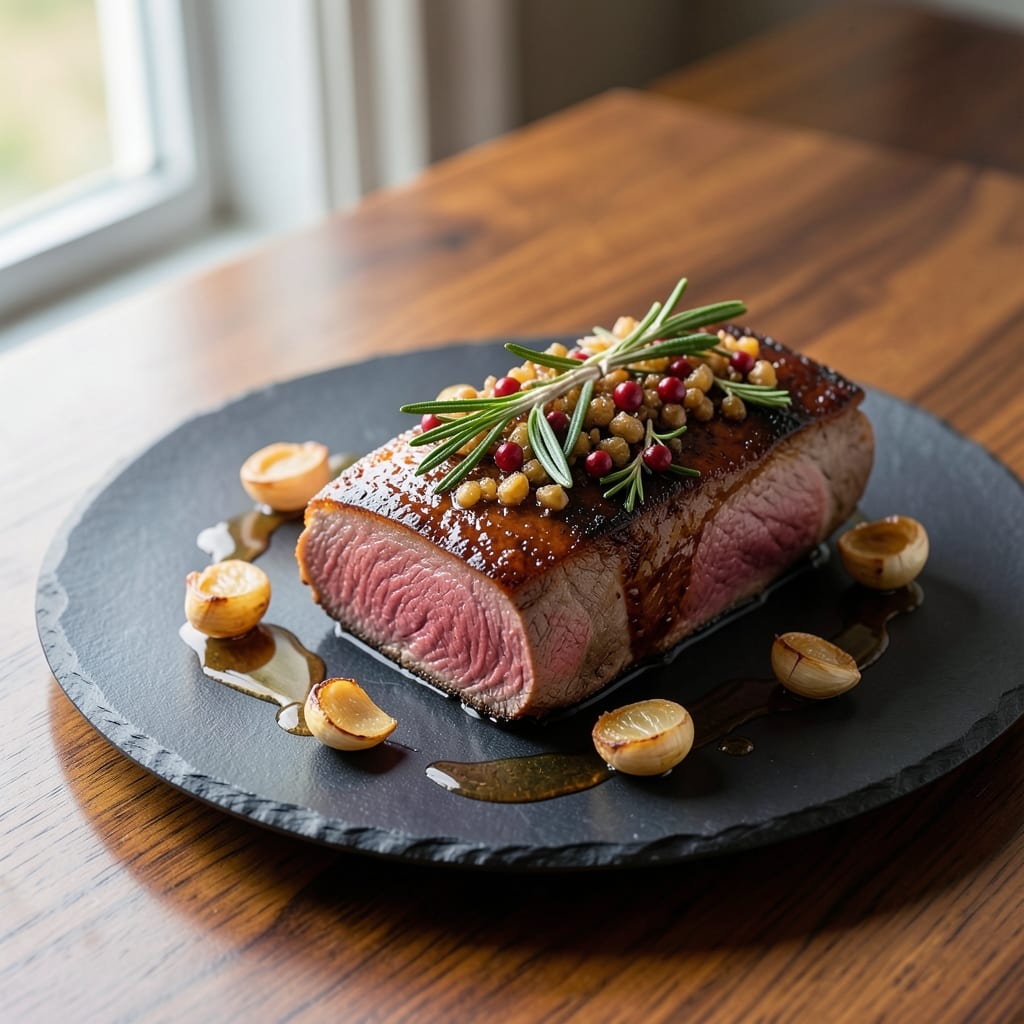
This baked beef tenderloin steak recipe delivers restaurant-quality results in just 45 minutes—no searing, no stress, just a perfectly tender center and a fragrant rose-garlic crust that seals in every bite. The secret lies in precise temperature control and a simple yet transformative crust that adds depth without overpowering the natural beef flavor. After years of perfecting this method, I’ve eliminated the guesswork so you can achieve a steak that’s juicy, flavorful, and foolproof every time.
The beauty of this approach is its simplicity: a 5-minute prep for the crust, a single baking tray, and minimal hands-on time. While the steak roasts, the crust develops into a caramelized blanket of garlic, herbs, and a touch of rose for an aromatic finish that elevates the dish instantly. The key is maintaining an even internal temperature—130°F for medium-rare—ensuring tenderness without drying out the meat. This isn’t just a steak; it’s a centerpiece that transforms any meal into an occasion.
What you’ll end up with is a steak that’s tender enough to cut with a fork, crowned with a golden, aromatic crust that’s crisp yet melts into the first bite. The rose-garlic infusion adds layers of complexity, making this steak stand out against traditional preparations. Pair it with roasted root vegetables or a crisp salad for a balanced plate, or serve it as the star of a holiday feast. The crust’s fragrance alone will have everyone at the table anticipating the first slice.
This method works for tenderloins of any size—whether you’re cooking for two or feeding a crowd—and the same principles apply to other cuts like filet mignon or strip steak. The crust can be customized with herbs, mustard, or even a sprinkle of smoked paprika for added depth. Let’s get started on a steak that’s worth every minute of the wait.
Ingredients for baked beef tenderloin steak
Five minutes of prep, forty-five of baking—this steak transforms simple ingredients into something extraordinary.
| Ingredient | Amount | Notes |
|---|---|---|
| Beef Tenderloin 🥩 | 2 lb | Center-cut, trimmed of fat |
| Extra-Virgin Olive Oil 🫒 | 2 tbsp | For crust and basting |
| Garlic Cloves 🧄 | 8 cloves | Minced, fresh preferred |
| Fresh Rosemary 🌿 | ½ cup | Finely chopped, stems removed |
| Fresh Thyme 🌿 | ¼ cup | Leaves only, stems removed |
| Rose Water 🌹 | 1 tsp | High-quality, for aroma |
| Dried Mustard 🌶️ | 1 tsp | For subtle tang |
| Kosher Salt 🧂 | 1 ½ tsp | Diamond Crystal preferred |
| Freshly Ground Black Pepper 🌶️ | ½ tsp | Cracked peppercorns preferred |
| Unsalted Butter 🧈 | 2 tbsp | Softened, for basting |
| Red Wine 🍷 | ¼ cup | Dry, like Cabernet Sauvignon |
| Vegetable Oil 🫒 | 1 tbsp | For greasing tray |
The beef is everything here. Center-cut tenderloin is non-negotiable—it’s the most tender part of the steak, and the fat marbling ensures juiciness. Costco or high-end butchers like D’Artagnan carry premium cuts, but your local grocery store’s pre-trimmed tenderloin works too. Look for bright red color and even fat distribution. If you’re buying whole, trim off any silver skin or excess fat—it’s not necessary for flavor but can make the crust uneven. The rose water is the secret weapon here; grab it at Middle Eastern markets or specialty stores like Whole Foods. Avoid the cheap stuff—it should smell intensely floral, not soapy.
No fresh rosemary? Dried works at half the amount, but trust me, fresh is worth the extra trip to the store. Running out of red wine? Beef broth with a splash of balsamic does the trick—just add a pinch of sugar to mimic the acidity. The garlic can be roasted ahead for deeper flavor (toss whole cloves with olive oil at 400°F for 15 minutes), but fresh minced is fine too. For the crust, toasted sesame oil adds a nice twist if you’re feeling adventurous. And if you’re cooking for a crowd, double the crust ingredients—it’s that good. The butter should be softened but not melted; if it’s too warm, chill the bowl for 10 minutes.
This steak is best served immediately, but if you must prep ahead, season the beef up to 4 hours early and refrigerate uncovered on a wire rack. The crust keeps its aroma better that way. For leftovers (though there shouldn’t be any), slice against the grain and reheat in a 350°F oven for 10-12 minutes with a splash of beef broth to keep it moist. The crust won’t be as crisp, but the flavor holds up. Store any unused rose water in the fridge for up to 6 months—it’s too good to waste. And if you’ve got extra crust mix, freeze it in an airtight container for up to 3 months—perfect for quick searing sessions later.
Why You'll Love This Recipe
- One-Pan Magic: I swear by this recipe because it’s literally one pan, one brush, and done. No fancy searing, no flipping—just olive oil, herbs, and the oven doing all the work while I sip wine and pretend I’m a chef.
- Herb-Packed Punch: That rosemary-thyme crust? It’s not just flavor—it’s confidence. The garlic cloves caramelize into sweet, sticky pockets, and the beef stays juicy with a crust that makes every bite feel like a reward.
- Weeknight to Dinner Party: Between us, I’ve served this to my book club (impressed them) and my lazy Sunday brunch (ate it all myself). Slice it thin for sandwiches, cube it for salads, or serve it whole for a showstopper—no stress, just delicious.
- Leftovers That Don’t Suck: Honestly, the best part? The next-day slices. Cold or reheated, that tenderloin stays melt-in-your-mouth, and the crust holds up like it’s fresh. I meal prep half the roast for lunches—zero guilt, all satisfaction.
Step-by-step instructions for baked beef tenderloin steak
Here's how to achieve melt-in-your-mouth perfection in just 45 minutes.
Prep the Beef with Rose-Garlic Crust
Start by preheating your oven to 425°F. While it heats, pat the 2 lb beef tenderloin completely dry with paper towels—this is crucial for that golden crust. Rub the entire surface with 2 tablespoons extra-virgin olive oil to help the seasoning stick and create a flavorful barrier.
In a small bowl, combine 8 minced garlic cloves, 0.5 cup fresh rosemary, 0.25 cup fresh thyme, 1 teaspoon rose water, 1 teaspoon dried mustard, 1.5 teaspoons kosher salt, and 0.5 teaspoon freshly ground black pepper. Mix well, then generously coat the beef with this aromatic blend, pressing it into the surface so it adheres completely. Let it sit at room temperature for 10 minutes—this ensures even cooking and maximum flavor penetration.
Sear for Maximum Flavor
Heat 1 tablespoon vegetable oil in an oven-safe skillet over medium-high heat until shimmering. Place the seasoned beef tenderloin in the skillet and sear for 2 minutes per side until you get beautiful brown spots. This step isn't just for looks—it locks in juices and builds deep flavor. Don't move it around; let it develop that crust undisturbed.
Once seared, transfer the skillet to the preheated oven. This technique gives you the best of both worlds: the intense heat of searing followed by even baking. The beef will cook through perfectly while maintaining that gorgeous crust.
Baste and Bake to Perfection
After 15 minutes in the oven, remove the beef and spoon 2 tablespoons softened butter over the top, letting it melt and baste the meat. Return it to the oven for another 15 minutes. This basting step is what makes the difference between good and extraordinary—it keeps the beef incredibly tender and adds rich flavor.
For the final 15 minutes, pour 0.25 cup red wine around the beef in the pan (not directly on it). The alcohol will evaporate, leaving behind concentrated flavor that infuses the meat. The internal temperature should reach 130-135°F at this point—just shy of medium-rare. If you don't have a meat thermometer, use the 15-minute rule as your guide.
Rest and Slice for Maximum Juiciness
Remove the beef from the oven and transfer it to a cutting board. Let it rest for 10-15 minutes before slicing. This resting period is absolutely critical—it allows the juices to redistribute throughout the meat so every bite stays moist and flavorful. If you skip this step, you'll end up with dry slices that don't do the beef justice.
Slice the beef tenderloin into 1-inch thick medallions against the grain. The slices should be tender enough to cut with minimal resistance but still hold their shape. Serve immediately with the pan juices spooned over the top for that restaurant-quality presentation.
Pro Tips For Making Baked Beef Tenderloin Steak
- USE A MEAT THERMOMETER: I learned this the hard way—baking tenderloin by time alone is a gamble. That gorgeous crust can hide undercooked meat, and overcooking turns it into shoe leather. Aim for 125–130°F internal temp for medium-rare, then pull it out before it hits your target. The residual heat keeps rising while it rests.
- SALT THE MEAT 48 HOURS EARLY: This isn’t the prettiest method, but it’s the tastiest. Generously coat the tenderloin with kosher salt (about 1 teaspoon per pound) and let it sit uncovered in the fridge. The salt breaks down proteins, making the meat juicier and the crust deeper. Skip this when you’re lazy, but the dish is noticeably better when you don’t.
- SMASH THE GARLIC CLOVES: Peeling and mincing garlic is fine, but smashing whole cloves with the flat side of your knife releases more flavor. Rub them directly into the olive oil on the tenderloin’s surface—no need to chop. The heat will soften them perfectly, infusing the meat without turning to ash.
- REST IT UNDER FOIL: I was skeptical until I tried it: after baking, tent the tenderloin loosely with foil and let it rest 10–15 minutes before slicing. This keeps the juices from pooling on the cutting board. (Yes, even if you’re impatient like me.) Slice against the grain for tender bites—no one wants chewy steak, no matter how good the herbs smell.
Pro cooking tips for this recipe
Temperature Precision
The oven temperature is non-negotiable at 425°F—this high heat creates that beautiful crust while ensuring even cooking. I use a Thermoworks Smoke thermometer to verify my oven's accuracy, as built-in thermostats can be off by 25°F or more. If your oven runs hot, reduce to 400°F and add 5 minutes to the total baking time. 🌡️
Crust Development
Don’t skip the 10-minute room temperature rest after seasoning—the crust will adhere better and develop more evenly. For extra depth, I sometimes toast the garlic and herbs in the oven at 375°F for 5 minutes before applying to the beef. This intensifies their flavors without overpowering the natural beef taste. The rose water should be applied last to preserve its delicate aroma.
Basting Technique
Butter basting isn’t just for flavor—it’s a moisture lock. Use unsalted butter softened to 65°F (it should dent when pressed). Spoon it over the beef in 3 stages: after the first 15 minutes, then again at 25 minutes, and finally at 35 minutes. This creates a protective layer that keeps the meat incredibly tender. 💫
Wine Infusion
The red wine isn’t just for flavor—it’s a science experiment. Pour it around the beef (not directly on it) in the final 15 minutes to create a flavorful steam bath. I prefer Cabernet Sauvignon because its tannins complement the beef’s richness. For a non-alcoholic version, use beef broth with 1 tsp balsamic vinegar—it mimics the acidity perfectly.
Resting Rules
Never skip the 10-15 minute rest—this is where the magic happens. The meat’s internal temperature will rise 5-10°F during resting, so pull it out when it hits 125°F for medium-rare. Use a meat thermometer inserted into the thickest part—no guessing! Cover loosely with foil to keep it warm while resting. 💡
Slice Against Grain
Always slice against the grain for maximum tenderness. The grain runs lengthwise on a tenderloin, so cut perpendicular to those muscle fibers. Use a sharp chef’s knife (I recommend Wüsthof) and slice at a 45-degree angle for uniform medallions. Each slice should be 1-inch thick—thinner slices will dry out faster.
Nutrition facts
Frequently asked questions
Can I use this recipe for other beef cuts?
This method works beautifully with filet mignon or strip steak, but tenderloin is ideal due to its natural tenderness and fat distribution. For thicker cuts like ribeye, reduce oven time by 5-10 minutes to prevent overcooking. The rose-garlic crust translates well to any cut, but adjust seasoning amounts based on surface area.
What if I don't have rose water?
No problem! Replace the 1 teaspoon rose water with 1 teaspoon orange blossom water or ½ teaspoon vanilla extract for floral depth. For a simpler option, add ½ teaspoon ground cardamom—it complements the garlic beautifully. The crust will still develop, though the aroma will be slightly different.
How do I adjust for a larger tenderloin?
For every additional 1 lb, add 10-15 minutes to total baking time. Increase crust ingredients by 25% (e.g., 1 extra tbsp olive oil, 2 extra garlic cloves). Use a meat thermometer to check doneness—130°F for medium-rare regardless of size. The key is maintaining even heat distribution.
Why did my steak turn out dry?
Most likely, you skipped the 10-15 minute rest or overcooked it. Pull the beef out when it reaches 125°F (it'll rise to 130°F while resting). Another common mistake is slicing too thin—stick to 1-inch medallions. For extra moisture, baste with beef broth instead of butter during the final 15 minutes.
Can I make this ahead of time?
Season the beef up to 4 hours ahead and refrigerate uncovered on a wire rack. For leftovers, slice against the grain and reheat in a 350°F oven for 10-12 minutes with 2 tbsp beef broth to maintain moisture. The crust won't be as crisp, but the flavor remains intact. Freeze cooked slices for up to 3 months.