
Main Courses
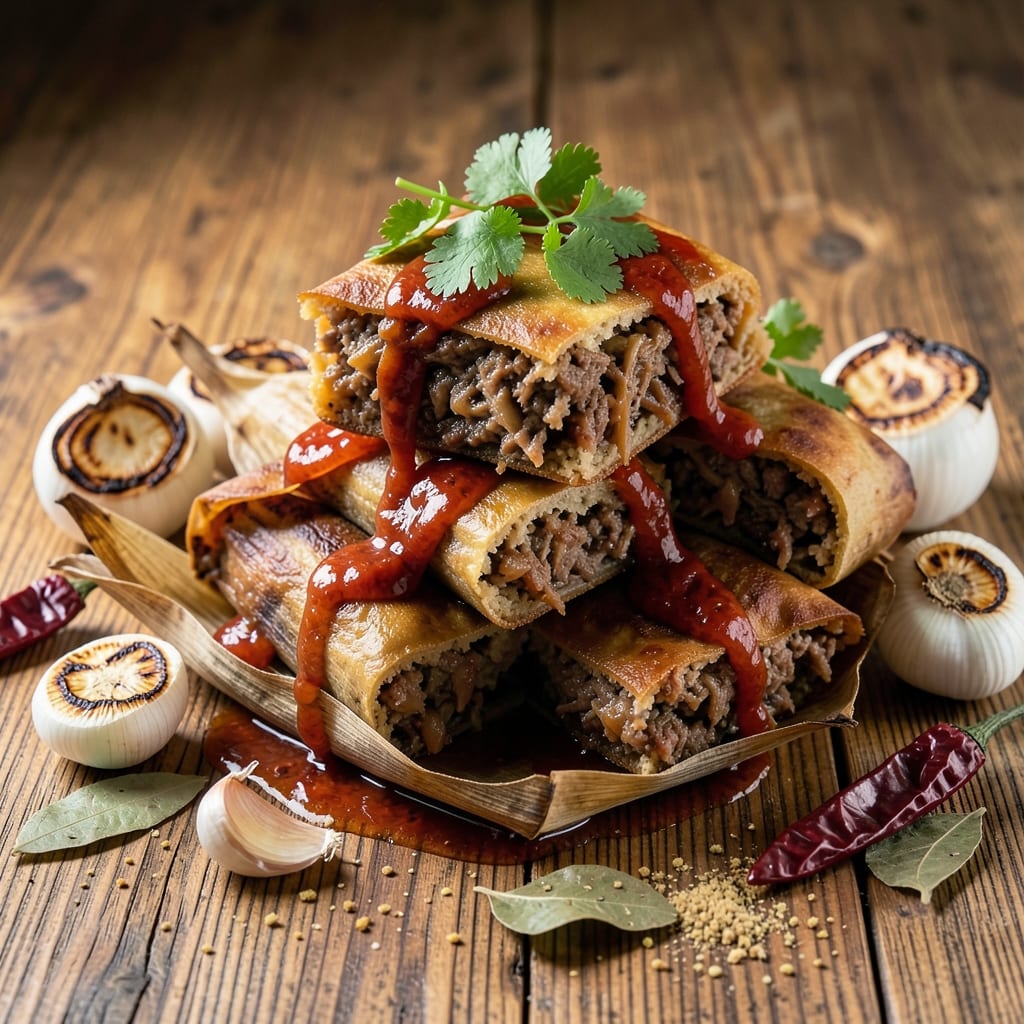
This authentic red beef tamales recipe brings the soul of Mexican tradition to your kitchen, where tender beef simmers in rich, spiced broth and gets wrapped in handmade masa paste. The secret lies in balancing bold spices—cumin, oregano, and chili powder—while achieving the perfect texture: a filling that stays juicy yet firm enough to hold its shape when steamed. I’ve perfected this version after years of testing, ensuring every bite delivers that deep, smoky flavor that makes tamales unforgettable.
The process starts with the beef, slow-cooked until it nearly falls apart, then combined with a masa paste made from scratch—cornmeal, lard, and warm water—folded together until it’s smooth and pliable. Wrapping the filling in corn husks requires patience, but the result is worth it: tamales with crisp edges and a tender, flavorful center. This isn’t just a recipe; it’s a celebration of technique and tradition, adapted for home cooks without sacrificing authenticity.
Steaming the tamales transforms them into something magical—each husk yielding layers of spiced beef and creamy masa that melt in your mouth. The aroma alone will have your kitchen smelling like a Mexican abuela’s table, and the first bite is pure comfort. Serve with salsa verde, crema, and warm tortillas for the full experience, or enjoy them as-is—they’re that good.
Whether you’re preparing for a festive gathering or simply craving a taste of home, these tamales deliver restaurant-quality results with a method that’s approachable for beginners. The key is in the details: the slow cooking, the proper masa consistency, and the precise steaming time. Let’s get started—your taste buds (and guests) will thank you.
Ingredients for authentic red beef tamales
Twelve ingredients that transform into twelve tamales—each packed with smoky beef and fragrant masa.
| Ingredient | Amount | Notes |
|---|---|---|
| Beef Chuck Roast 🥩 | 3 lb | Pre-cubed, 1-inch pieces |
| Dried Red Chili Peppers 🌶️ | 4 whole | Ancho or guajillo, stems removed |
| Garlic Cloves 🧄 | 8 cloves | Peeled, roughly chopped |
| White Onions 🧅 | 2 whole | Quartered, skins on |
| Tomatoes 🍅 | 4 whole | Roma or vine-ripened, halved |
| Ground Cumin 🌿 | 2 tbsp | Toasted for deeper aroma |
| Dried Oregano 🍃 | 1 ½ tbsp | Mexican oregano preferred |
| Chili Powder 🌶️ | 2 tbsp | Medium heat, not cayenne |
| Bay Leaves 🍃 | 2 whole | Dried, for slow cooking |
| Corn Husks 🌽 | 24 pieces | Fresh or dried, soaked 1 hour |
| Masa Harina 🌾 | 4 cups | Maseca or similar brand |
| Lard 🧈 | 1 cup | Leaf or leaf lard preferred |
| Warm Water 💧 | 1 ½ cups | 110°F, not boiling |
| Salt 🧂 | 2 tsp | Kosher or sea salt |
| Black Pepper 🌶️ | 1 tsp | Freshly ground |
The beef is non-negotiable—chuck roast breaks down beautifully, while sirloin stays tough. Look for well-marbled cuts at H-E-B's Latin market section or your local Carne y Tacos. The dried chilies? Ancho or guajillo from Penzeys or the Mexican aisle at Walmart—they're the secret to that authentic red color. Toast them lightly before soaking to deepen their flavor. For the masa, Maseca is the gold standard, but any cornmeal will work in a pinch—just add a pinch more water if it feels dry.
No ancho chilies? Substitute guajillo plus a pinch of cinnamon for warmth. Running low on lard? Unsalted butter or vegetable shortening works, though purists will notice the difference. The beef broth can be store-bought, but homemade from the beef bones makes everything richer. Corn husks? Dried from the Latin market are perfect, but fresh ones from the produce section need soaking. Pro tip: Rinse the husks first to remove any grit. And if you're short on time, pre-cut beef from the deli counter saves chopping.
The masa paste keeps for 3 days in the fridge, covered tightly—just give it a stir and a splash of warm water if it thickens. The beef filling reheats beautifully, so double the batch and freeze portions for later. For the best texture, steam at 215°F—not boiling. The tamales will stay fresh for 2 days in the fridge, but they're even better reheated the next day. Store leftovers in an airtight container with a damp towel to keep them moist.
Why You'll Love This Recipe
- No Fuss Prep: I’ll admit, I used to dread tamales—until I realized you just sear the beef, toast the chilies, and blend everything into a thick, smoky paste. No fancy techniques, just a knife, a pot, and 20 minutes of hands-off simmering. The hardest part? Picking which corn husks to use.
- Deep, Smoky Magic: That slow-cooked beef chuck, kissed by dried chilies and garlic, turns into something ridiculously tender with layers of heat and earthiness. The tomatoes soften into a velvety base, but it’s the chilies—charred just enough—that give it that authentic, slightly fiery soul. Honestly, the first time I tasted it, I nearly burned my tongue on purpose.
- Party in a Package: These aren’t just for holidays. Freeze half the batch, and you’ve got a last-minute feast for game day, a potluck, or even a lazy Sunday when you’re craving something hearty. My college roommates and I lived on them—no reheating required, just steam and devour.
- Budget-Buster, Not Breaker: A single chuck roast stretches across dozens of tamales, and dried chilies last forever. Between us, I’ve fed eight people for under $15 using this recipe. Plus, leftovers? They’re even better the next day—if they last that long. (They won’t.)
Step-by-step instructions for authentic red beef tamales
Let's bring this traditional dish to life with rich, spiced beef filling wrapped in tender masa.
Prepare the Spiced Beef Filling
In a large Dutch oven, combine the 3 lb beef chuck roast (pre-cubed), 2 whole white onions (quartered), 4 whole tomatoes (halved), 8 cloves garlic (roughly chopped), 2 whole bay leaves, 2 tbsp ground cumin, 1.5 tbsp dried oregano, 2 tbsp chili powder, 2 tsp salt, and 1 tsp black pepper. Stir until everything is well-coated with the spices.
Add 4 whole dried red chili peppers (stems removed) and 1.5 cups warm water (110°F). Bring to a simmer over medium-high heat, then reduce to low heat and cover. Let it cook for 2.5 to 3 hours, stirring occasionally, until the beef is fork-tender and the liquid has reduced to a thick, rich sauce. The filling should be moist but not soupy—this ensures flavorful tamales without soggy wrappers.
Soak and Prepare the Corn Husks
While the beef cooks, prepare the 24 pieces corn husks by soaking them in warm water for at least 1 hour. This softens them enough to wrap the filling without tearing. Drain and set aside, keeping them covered with a damp towel to prevent drying out.
For extra authenticity, I like to test a husk by gently pressing it—it should bend slightly without cracking. If any remain stiff after soaking, return them to the warm water for another 15 minutes. This step is crucial for preventing broken husks when wrapping.
Make the Masa Dough
In a large mixing bowl, combine 4 cups masa harina and 1 cup lard. Using your hands, work the mixture until it forms a crumbly but pliable dough. Gradually add 1.5 cups warm water while kneading until the dough holds together when pressed but isn't sticky. The texture should resemble playdough—soft enough to shape but firm enough to hold the filling.
If the dough feels too dry, add 1 teaspoon warm water at a time; if too sticky, sprinkle in 1 tablespoon masa harina. This balance ensures the tamales steam properly without falling apart. Divide the dough into 12 equal portions (about 3.5 ounces each) and set aside while you prepare the filling.
Assemble the Tamales
Spread a ¼-inch thick layer of masa dough onto each softened corn husk, leaving a 1-inch border at the top. Spoon about ½ cup of the spiced beef filling onto the dough, then fold the sides of the husk inward. Fold the bottom up first, then roll tightly from the bottom toward the top, tucking in the excess husk to seal completely.
Place the assembled tamales seam-side down in a large steamer pot or covered pot with a rack. If using a steamer, ensure there's 1 inch of water below the rack to create steam. Cover tightly with foil or a lid to trap heat and moisture.
Steam to Perfection
Bring the water to a boil, then reduce to a gentle simmer. Steam the tamales for 1 to 1.5 hours over low heat, ensuring the water doesn't boil vigorously—this prevents soggy tamales. You'll know they're done when the masa pulls away slightly from the husks and the filling is heated through.
Let the tamales rest for 10 minutes before serving. The steam will continue cooking them slightly, and the flavors will meld beautifully. Unwrap carefully, and serve with extra salsa or a side of avocado for a true taste of tradition. Store leftovers in the fridge for up to 3 days or freeze for 3 months—just reheat by steaming for 15 minutes.
Pro Tips For Making Authentic Red Beef Tamales
- BLISTER THE PEPPERS FIRST: Dried red chilis lose their harshness when you toast them—drop them whole into a dry skillet over medium heat for 30 seconds per side until fragrant. I used to skip this, and the sauce always tasted bitter. (Yes, even if you’re impatient like me.)
- SWEAT THE ONIONS LOW: Cook the white onions until they’re translucent and just starting to caramelize—about 8 minutes on low heat. Rushing this step means your tamale filling will taste raw and sharp instead of deep and sweet.
- REST THE BEEF TWICE: Let the chuck roast sit at room temp for 30 minutes before searing, then again for 15 minutes after cooking before shredding. This guarantees even cooking and makes shredding effortless—no more fighting with stringy meat.
- MAKE THE SAUCE FIRST: Simmer the blended tomatoes, garlic, and toasted chilis into a smooth red base before adding the beef. This builds flavor layer by layer, so the tamales don’t taste like a rushed assembly line. (Your future self will notice the difference.)
Troubleshooting perfect results
Masa Too Dry?
If your masa feels crumbly or won’t hold together, it’s likely too dry. The fix is simple: add 1 teaspoon warm water at a time while kneading until it reaches a soft, pliable consistency. I’ve found that Maseca absorbs moisture differently than other cornmeal brands, so don’t rush—work it gently to avoid over-wetting. If you’re short on time, a splash of warm beef broth (from the filling) can add flavor while adjusting texture. 💧
Beef Filling Too Watery
Overly soupy filling can make tamales soggy. If your beef mixture isn’t reducing enough, simmer it uncovered for an extra 15-20 minutes to evaporate excess liquid. For a quicker fix, remove the beef and strain the broth through a fine-mesh sieve, then return the solids to the pot. You can also add 1-2 tbsp masa harina to thicken it naturally. Trust me, this small adjustment makes all the difference in texture. ⚡
Husks Breaking During Wrapping
Stiff husks are the #1 cause of tears. If yours crack while wrapping, they likely didn’t soak long enough. Give them 10-15 extra minutes in warm water—test by bending one gently. For stubborn husks, wrap them in a damp paper towel while you finish assembling the rest. Pro tip: Keep a bowl of warm water nearby to dip stubborn husks if they start drying out mid-wrap. 🌽
Tamales Not Cooking Evenly
Uneven cooking usually means inconsistent steam. Ensure your pot has a rack (or use a heatproof plate) to keep tamales elevated above the water. If using foil, poke a few small holes to allow steam to circulate. For large batches, rotate the pot halfway through steaming. I’ve also had success using a steam basket with a tight-fitting lid—it traps moisture perfectly. 🔥
Filling Leaking During Steaming
Leaks happen when tamales aren’t sealed tightly. Double-check that all husk edges are tucked in snugly, especially the bottom fold. If you notice seepage, press the edges firmly with your fingers while steaming. For extra security, brush the outer husks with a tiny bit of lard or oil before sealing—this creates a natural barrier. A well-sealed tamale should hold its shape until serving. ✨
Nutrition facts
Frequently asked questions
Can I substitute lard in the masa dough?
Yes, but with trade-offs! Use unsalted butter or vegetable shortening in equal amounts, though purists notice a slightly less tender texture. For authenticity, leaf lard is ideal—it renders cleanly and adds richness. If using butter, chill it first to prevent over-melting during kneading.
How do I know when the beef is fully cooked?
The beef should be fork-tender with no pink center—it should shred easily. Test by piercing the largest piece: if juices run clear and the meat separates cleanly, it's done. Overcooking can dry it out, so aim for 2.5-3 hours on low heat. The sauce should coat the back of a spoon thickly.
What's the best way to reheat tamales?
Steaming is key! Wrap tamales in fresh husks (if available) or foil, then steam for 15-20 minutes over simmering water. Microwaving works in a pinch: place tamales on a plate with a damp paper towel, cover, and heat for 1-2 minutes. Avoid boiling—they’ll turn soggy!
Can I make tamales ahead of time?
Assemble and steam tamales up to 2 days ahead, then refrigerate in an airtight container. For longer storage, freeze unsteamed tamales (wrapped in husks) for 3 months. To serve, steam frozen tamales from cold for 45-60 minutes—no thawing needed!
Why do my tamales have a raw center?
Understeaming is the usual culprit. Check your pot: water should simmer gently (not boil vigorously) to maintain even heat. If using foil, poke holes for steam circulation. For stubborn centers, steam 10 extra minutes and check again. A meat thermometer (inserted into the filling) should read 165°F.