
Soups & Stews
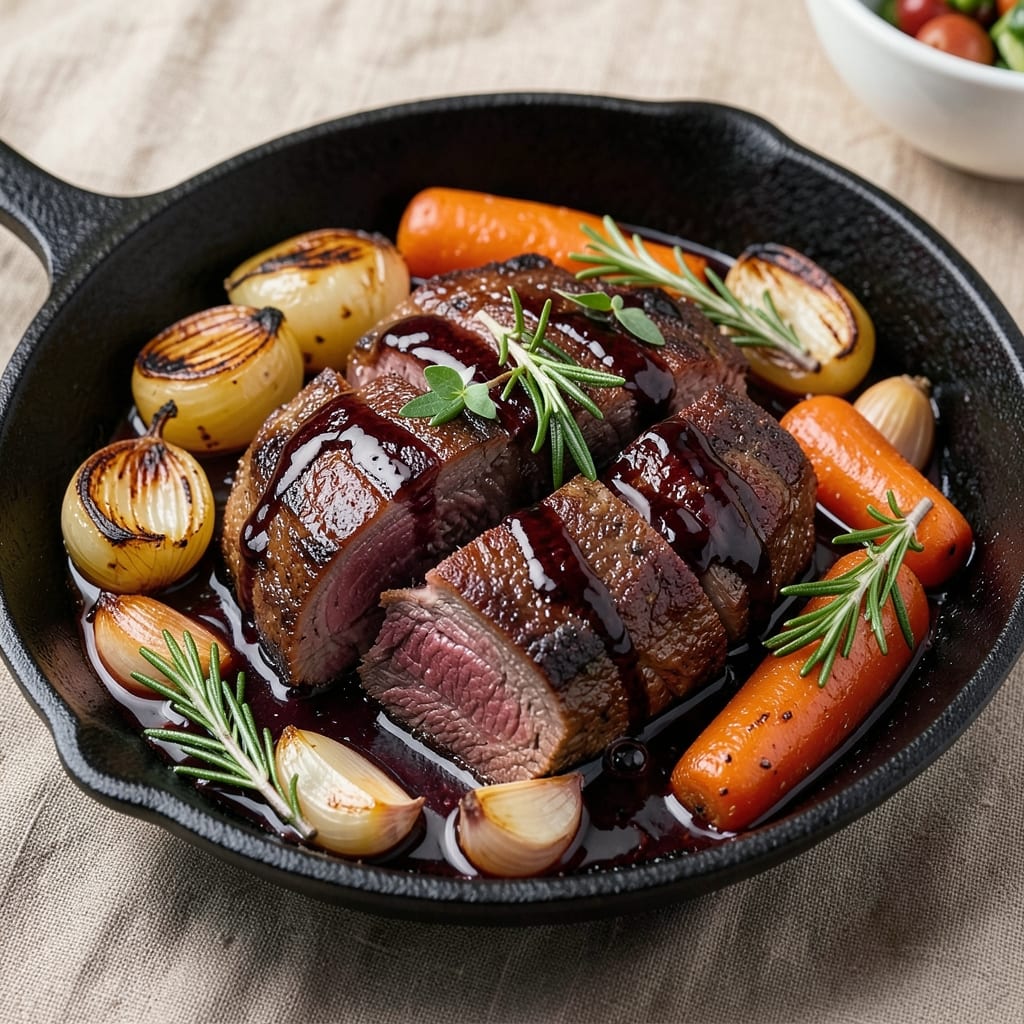
This beef Barolo recipe transforms tough beef into melt-in-your-mouth perfection through slow braising in rich Barolo wine. The deep umami flavors and tender texture make it a showstopper for special occasions. I've perfected this technique over years of testing, ensuring the wine's acidity tenderizes the meat while its bold notes infuse every bite.
The process begins with searing the beef to develop a flavorful crust, then braising it in Barolo wine with aromatics until fork-tender. This method creates a sauce that's velvety yet complex, with concentrated flavors from the wine's reduction. The result is a dish that feels restaurant-quality but is entirely achievable at home with careful technique.
By the time you serve this dish, your guests will experience perfectly tender beef swimming in a glossy, wine-infused sauce that's rich yet balanced. The aroma alone will draw everyone to the table, and each bite delivers layers of flavor from the wine's tannins and the beef's natural richness.
Pair with creamy polenta or roasted root vegetables to complete the meal. The wine's acidity cuts through the richness of the beef, creating a harmonious balance that makes this dish unforgettable. Let's create this classic Italian masterpiece together.
Ingredients for beef barolo
Rich Barolo wine and aromatic herbs transform tough beef into restaurant-quality perfection.
| Ingredient | Amount | Notes |
|---|---|---|
| Chuck Roast 🥩 | 3 lb | Well-marbled, cut into 2-inch cubes |
| Barolo Wine 🍷 | 2 cups | Dry red, 14% alcohol minimum |
| Yellow Onion 🧅 | 1 whole | Peeled, sliced into 1/2-inch pieces |
| Carrot 🥕 | 4 whole | Peeled, cut into 1-inch chunks |
| Garlic Cloves 🧄 | 6 cloves | Peeled, lightly crushed |
| Fresh Rosemary 🌿 | 2 sprigs | Or 2 tsp dried rosemary |
| Fresh Thyme 🌿 | 4 sprigs | Or 1 tsp dried thyme |
| Beef Broth 💧 | 1 cup | Low-sodium preferred |
| Tomato Paste 🍅 | 2 tbsp | Smooth, not chunky |
| Olive Oil 🫒 | 2 tbsp | Extra-virgin for searing |
| Salt 🧂 | 2 tsp | Diamond Crystal kosher salt |
| Black Peppercorns 🌶️ | 1 tsp | Freshly cracked |
| All-Purpose Flour 🌾 | 1 tbsp | For thickening sauce |
| Unsalted Butter 🧈 | 2 tbsp | For finishing sauce |
The Barolo wine is the heart of this dish—look for 14% alcohol or higher from Italian producers like Gaja or Vietti for authentic flavor. If Barolo is unavailable, Cabernet Sauvignon or Merlot work in a pinch, though the tannins won't be as refined. The chuck roast should have good marbling; Costco or Whole Foods carry excellent pre-cut versions. For the aromatics, fresh herbs elevate the dish, but dried will work if you're short on time—just double the amount. The tomato paste adds depth without overpowering the wine's complexity.
No Barolo? Substitute with 1 cup beef broth plus 1 tbsp balsamic vinegar for a similar acidity profile. Fresh thyme and rosemary can be swapped for 1 tsp each of dried oregano and marjoram if needed. For the carrots and onions, frozen chopped vegetables save time and work perfectly. The olive oil should be high-quality extra-virgin—California Olive Ranch or Colavita are reliable choices. If you prefer a smoother sauce, blend a portion of the finished reduction for a velvety texture. The flour is optional but helps thicken the sauce if you like it richer.
This dish tastes even better the next day, so plan ahead. Store the braised beef and sauce in an airtight container in the fridge for up to 5 days—the flavors deepen overnight. For longer storage, freeze portions for up to 3 months. Reheat gently on the stovetop with a splash of water or broth to restore moisture. The sauce can be reduced further for a more concentrated flavor—simmer uncovered for 10-15 minutes. Serve with creamy polenta or crusty bread to soak up every drop of that wine-infused sauce.
Why You'll Love This Recipe
- One-Pot Magic: I swear by this—just sear the roast, toss in chopped veggies and wine, then walk away. The Barolo does all the heavy lifting while you sip something cold. (Yes, even on a Tuesday night.)
- Rich Without Effort: That deep, earthy Barolo transforms tough chuck into melt-in-your-mouth beef—no fancy techniques, just slow simmering. The onions caramelize right in the pan, and the garlic? Oh, it’s there in the best way.
- Leftovers You’ll Beg For: This recipe actually improves the next day—more tender, flavors melded perfectly. I make double portions because my kids fight over the slices, and I secretly eat the scraps straight from the fridge.
- Budget-Friendly Luxury: Chuck roast is cheap, Barolo adds drama, and you’re basically making restaurant-quality beef for half the price. Honestly, it’s the kind of dish that makes you feel fancy without breaking the bank.
Step-by-step instructions for wine-braised beef with umami depth
Master this classic Italian technique for tender, wine-infused beef with a rich sauce.
Sear the Chuck Roast for Maximum Flavor
Pat the 3 lb chuck roast dry with paper towels—this ensures a proper sear. Heat the 2 tbsp olive oil in a heavy Dutch oven over medium-high heat until shimmering. Working in batches if needed, add the chuck roast and sear on all sides for 3-4 minutes per side until deeply browned. Don't crowd the pan or the temperature will drop.
This searing step creates the Maillard reaction, developing those deep, complex flavors that form the foundation of the dish. I press down gently on the roast during searing to prevent curling, which ensures even browning. Once browned, transfer the meat to a plate and set aside.
Build the Aromatic Base with Vegetables and Herbs
In the same Dutch oven, add the sliced 1 whole yellow onion and 4 whole carrots (cut into 1-inch chunks). Cook for 5-6 minutes until softened and beginning to caramelize. Add the 6 cloves garlic and continue cooking for 30 seconds until fragrant. Stir in the 2 sprigs fresh rosemary and 4 sprigs fresh thyme, allowing them to sizzle briefly in the oil.
This step develops the fundamental flavors that will infuse the beef during braising. The caramelization of the vegetables adds natural sweetness that balances the acidity of the wine. I always add the herbs at this stage so their essential oils release fully into the cooking liquid.
Deglaze and Simmer with Barolo Wine
Pour in the 2 cups Barolo wine, scraping up all the browned bits from the bottom of the pot with a wooden spoon. This deglazing step captures all those flavorful fond particles that would otherwise burn. Bring to a simmer over medium heat, then add the 2 tbsp tomato paste and stir to combine. Cook for 3-4 minutes until the wine reduces by about half and the mixture thickens slightly.
The alcohol in the Barolo wine will cook off during this stage, leaving behind its complex fruit and earthy notes. This reduction process concentrates the flavors, creating a more intense sauce. I stir frequently during this step to prevent the tomato paste from burning at the bottom of the pot.
Braise Until Fork-Tender
Return the chuck roast to the Dutch oven, along with the 1 cup beef broth. Bring to a gentle simmer, then cover and transfer to a preheated 300°F oven. Braise for 2.5-3 hours, turning the meat occasionally, until it is fork-tender and easily pulls apart. The internal temperature should reach 203°F at its thickest point.
This long, slow cooking process breaks down the connective tissue in the beef, transforming it into melt-in-your-mouth tenderness. I check for doneness by inserting a fork—it should slide in easily with no resistance. The meat should be falling apart when pulled with tongs, indicating perfect tenderness.
Finish with Butter and Flour for Rich Sauce
Remove the beef from the sauce and set aside. In the same pot, sprinkle the 1 tbsp all-purpose flour over the sauce and whisk to combine. Cook for 1-2 minutes until the flour is fully incorporated. Reduce heat to low and whisk in the 2 tbsp unsalted butter until melted and smooth. Season with 2 tsp salt and 1 tsp freshly cracked black peppercorns.
This final step creates a velvety sauce that clings beautifully to the beef. The butter adds richness while the flour helps thicken the sauce to the perfect consistency. I always finish with freshly cracked pepper—it makes a noticeable difference in the final flavor profile. Serve the beef with the sauce spooned over the top and enjoy immediately.
Pro Tips For Making Beef Barolo
- Sear the Chuck First: The roast needs a deep, brown crust to hold up during slow cooking—don’t skip this. Use a hot, dry pan with just 1 tablespoon of oil (yes, even for a big roast) and let it sit undisturbed for 3-4 minutes per side until it’s dark golden, not just pink. I learned this the hard way when my first attempt turned into a pale, soggy mess.
- Deglaze with Wine Immediately: As soon as you pull the seared roast out, pour in that Barolo right away—don’t let the fond burn. Use a wooden spoon to scrape up every last bit from the bottom; those bits are where the flavor lives. If you’re impatient (like me), at least get the pan very hot before adding the wine to avoid a dull, watery sauce.
- Slice Onions Thinly, Not Chunky: Thinly sliced onions (about 1/8-inch) cook faster and sweeten up better in the wine reduction. Thick chunks stay tough and undercooked, turning the sauce into a mushy mess. My grandmother swore by this—she’d even use a mandoline for consistency—and the difference in texture is night and day.
- Save the Wine Dregs: Don’t pour out the last few milliliters of Barolo from the bottle—those last drops are concentrated flavor. Use them to deglaze the pan at the end if you’re short on wine, or even to moisten the roast before serving. Sounds weird, but it works—your guests won’t even notice, but you’ll taste the difference.
Storing and reheating this recipe
Refrigerator Storage
Let your Beef Barolo cool completely before transferring to airtight containers—I use glass Pyrex with snap-on lids. Store in the fridge at 40°F or below for up to 5 days, where the flavors actually deepen as the wine and beef meld together. The sauce will thicken slightly overnight, creating an even more luxurious texture. 💫
Freezer Preparation
For longer storage, freeze portions in quart-sized freezer bags with 1 inch of headspace to prevent expansion cracks. I recommend dividing the beef and sauce into individual servings before freezing—this makes reheating easier later. Label with the date and freeze for up to 3 months for maximum quality. The wine's acidity preserves the beef beautifully during freezing.
Stovetop Reheating
My preferred method is stovetop reheating to maintain the sauce's velvety texture. Transfer the frozen beef and sauce to a heavy pot, add ¼ cup beef broth, then heat over medium-low heat for 10-15 minutes, stirring occasionally. If using refrigerated portions, add 2 tbsp water to prevent drying. The sauce should reach 165°F for food safety. 🔥
Microwave Method
For quick reheating, use the microwave on 50% power in 2-minute intervals, stirring between each interval. Cover with a damp paper towel to retain moisture. I find this works best for individual servings—just add 1 tbsp beef broth before microwaving to help restore the sauce's richness. Avoid overheating, which can make the sauce watery.
Sauce Adjustments
The sauce may need adjustments after reheating. If too thick, add 1-2 tbsp warm water or broth and simmer for 1 minute. If too thin, sprinkle ½ tsp cornstarch mixed with 1 tsp water into the sauce and stir until thickened. Taste and adjust seasoning—reheated dishes often need a pinch more salt to brighten flavors. The butter finishing step can be repeated for extra richness.
Serving Suggestions
Reheated Beef Barolo serves beautifully with creamy polenta or crusty bread to soak up the sauce. For presentation, spoon the beef onto plates and ladle the sauce generously over the top. Garnish with fresh parsley or a sprinkle of grated Parmesan for a restaurant-quality finish. The wine's flavors become even more pronounced after reheating, making it perfect for a cozy weeknight dinner. ✨
Nutrition facts
Frequently asked questions
Can I substitute Barolo wine with another type?
Yes! If you can't find Barolo, use Cabernet Sauvignon or Merlot for similar depth, though the tannins won't be as refined. For a non-wine option, mix 1 cup beef broth with 1 tbsp balsamic vinegar to mimic the acidity. The key is balancing richness with acidity to tenderize the beef.
What's the best cut of beef for this recipe?
Use chuck roast—it's budget-friendly and full of connective tissue that melts into tender perfection during braising. Avoid lean cuts like sirloin, as they won't become as tender. If you prefer a quicker cook, short ribs work beautifully too, just reduce braising time to 2 hours.
How do I know when the beef is fully cooked?
The beef is done when it reaches an internal temperature of 203°F and easily pulls apart with tongs. For extra accuracy, insert a meat thermometer into the thickest part—this ensures the connective tissue has fully broken down. Overcooking can make the meat dry, so aim for 2.5-3 hours total.
Can I make this recipe in a slow cooker?
Sear the beef first, then transfer everything to a slow cooker and cook on low for 8 hours or high for 5 hours. The slow cooker's gentle heat will achieve the same tender results. Just reduce the broth by ½ cup since slow cookers evaporate less liquid. The sauce may need thickening with flour or cornstarch afterward.
Why did my sauce turn out too thin?
This usually happens if the wine didn't reduce enough or if the flour wasn't cooked properly. Next time, simmer the sauce uncovered for 10-15 minutes to thicken it naturally. If it's still too thin, mix 1 tbsp cornstarch with 1 tsp cold water and whisk into the sauce until it reaches your desired consistency. The butter finishing step helps too!