
Main Courses
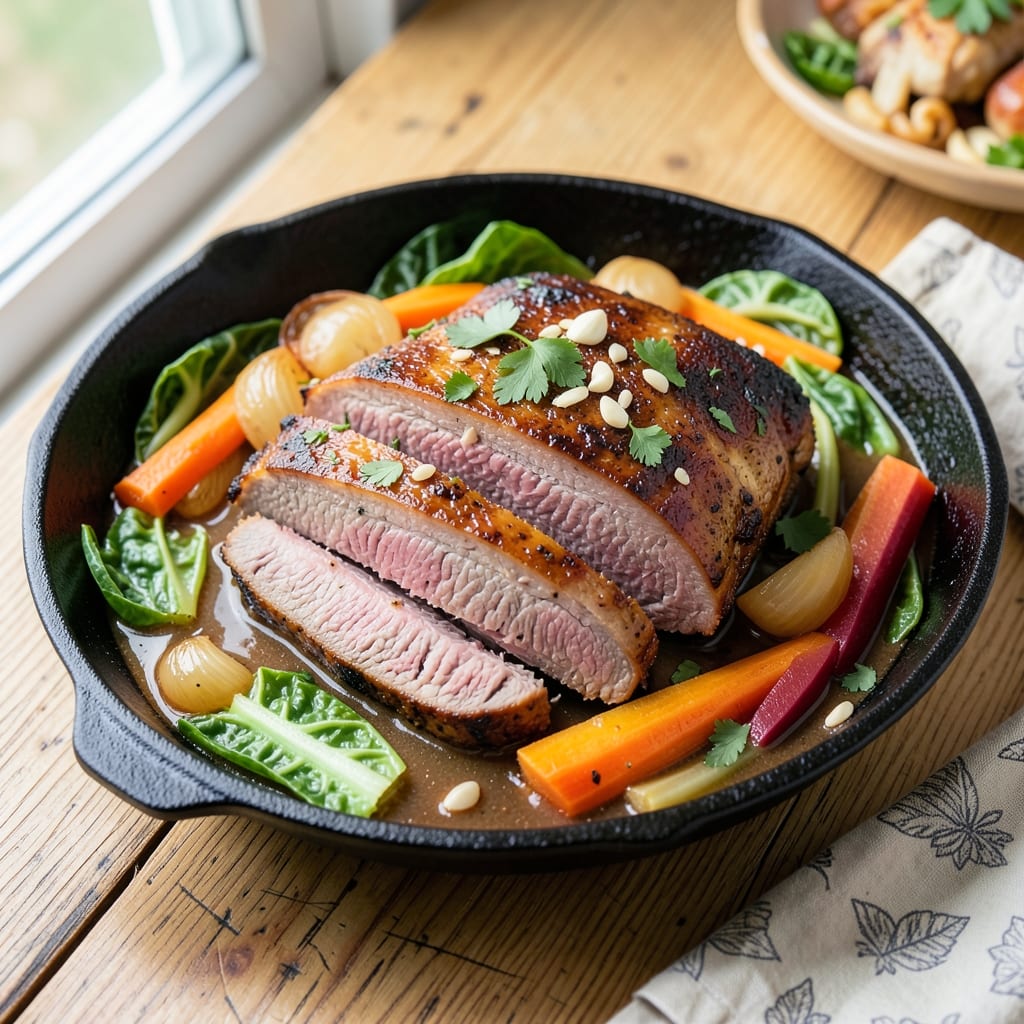
This baked corned beef brisket and cabbage delivers the hearty, slow-braised richness that makes it a staple of Irish-American comfort food. The secret lies in tenderizing the brisket overnight and letting it bake low and slow—transforming tough meat into melt-in-your-mouth perfection while the cabbage softens into sweet, caramelized bites. Every bite carries that deep umami flavor that makes this dish unforgettable.
The beauty of this recipe is its simplicity: just a few ingredients, minimal prep, and a hands-off baking process that lets the flavors develop naturally. The brisket becomes so tender it practically falls apart, while the cabbage absorbs the rich, savory juices from the meat. This is the kind of dish that tastes even better the next day, making it perfect for meal prep or a Sunday feast.
What sets this recipe apart is the balance of textures—tender brisket, slightly crisp edges on the cabbage, and a sauce that’s rich yet not overly greasy. The slow baking process ensures the meat stays juicy, and the cabbage develops a natural sweetness that complements the brisket’s deep, savory notes. It’s the kind of meal that feels like a hug in food form.
Serve it with classic sides like buttery mashed potatoes or crusty bread to soak up every last drop of that flavorful sauce. This isn’t just a recipe—it’s a tradition worth perfecting. Let’s get started!
Ingredients for baked corned beef brisket and cabbage
Just 14 ingredients transform tough brisket into melt-in-your-mouth perfection with cabbage so sweet it caramelizes naturally.
| Ingredient | Amount | Notes |
|---|---|---|
| Corned Beef Brisket 🥩 | 4 lb | Packaged, pre-cured preferred |
| Green Cabbage 🥬 | 1 whole | Heads cut into wedges |
| Yellow Onions 🧅 | 2 whole | Quartered, peeled |
| Garlic Cloves 🧄 | 6 cloves | Smashed, peeled |
| Carrots 🥕 | 4 whole | Whole, scrubbed |
| Beef Broth 💧 | 2 cups | Low-sodium preferred |
| Apple Cider Vinegar 🍎 | ½ cup | For tangy depth |
| Bay Leaves 🌿 | 2 whole | Dried, standard size |
| Black Peppercorns 🌶️ | 1 tbsp | Crushed, whole preferred |
| Salt 🧂 | 2 tsp | Kosher or sea salt |
| Olive Oil 🫒 | 2 tbsp | For brisket coating |
| Fresh Parsley 🌿 | ¼ cup | Chopped, for garnish |
| Mustard Seeds 🌶️ | 1 tsp | Whole, toasted optional |
| Allspice Berries 🌿 | 4 whole | Crushed, optional |
The brisket is the star here, so pick a good-quality pre-cured package—the kind with visible fat marbling. Costco or Whole Foods usually carry excellent options, but any reputable butcher will have a great cut too. Look for brisket that's still firm but not frozen solid. The cabbage should be heavy for its size, with crisp outer leaves—Green Mountain or Savoy varieties hold up best during baking. Carrots don't need peeling, just scrubbing, but if you're feeling fancy, purple heirloom carrots add nice color contrast. The onions and garlic? Yellow onions have the perfect balance of sweetness, and fresh garlic makes all the difference—don't use powdered.
No pre-cured brisket? Start with raw brisket and make your own cure—just mix 1 cup water, 1 cup vinegar, 1/2 cup kosher salt, 2 tbsp sugar, 2 tbsp black peppercorns, 1 tbsp allspice berries, and 2 bay leaves. Substituting cabbage? Green cabbage is traditional, but Napa cabbage works too—just reduce quantity by 20% since it's more delicate. Short on beef broth? Water plus 1 tbsp soy sauce gets you close. The mustard seeds and allspice are optional but add depth—if you skip them, extra black pepper will compensate. For the vinegar, apple cider vinegar gives the best flavor, but balsamic works in a pinch.
This dish tastes even better the next day, so make it ahead if possible. The brisket keeps 4-5 days in the fridge, and the cabbage stays fresh for 3-4 days in its own juices. For leftovers, reheat gently in the sauce—microwaving makes the cabbage soggy. The sauce reduces beautifully, so if you have extra, freeze it in ice cube trays for future use. Store the brisket wrapped in its juices, and the cabbage separately in a sealed container. The flavors only get richer as they sit, making this perfect for meal prep or holiday gatherings.
Why You'll Love This Recipe
- One-Pan Magic: I swear by this—just toss the brisket, chopped cabbage, onions, and carrots on a sheet pan, drizzle with a little water, and let the oven do the work. No pots, no pans, no stress. (Yes, even on a Tuesday night.)
- Crispy-Tender Perfection: That caramelized cabbage with the brisket’s melt-in-your-mouth texture? It’s the kind of combo that makes you close your eyes and sigh. The garlic and onions seep into the meat, turning it into something ridiculously flavorful with almost no effort.
- Leftovers That Save Me: Between us, this recipe makes enough for lunch the next day—and trust me, reheated corned beef and cabbage is still a win. I portion it out in containers so I can grab it straight from the fridge without thinking.
- Budget-Friendly Feast: You’re getting a whole brisket, a full head of cabbage, and enough sides to feed four for under $20. Honestly, it’s the kind of meal that makes grocery day feel like a victory. Plus, the veggies stretch the flavor so every bite feels special.
Step-by-step instructions for baked corned beef brisket and cabbage
Transform tough cuts into tender perfection with this slow-braised method.
Prep the Brisket and Vegetables
Begin by preheating your oven to 300°F. Pat the 4 lb corned beef brisket dry with paper towels—this ensures a better sear later. Place it in a large Dutch oven or heavy oven-safe pot, fat-side up. Rub the brisket generously with 2 tablespoons olive oil to create a protective barrier.
While the oven heats, prepare the vegetables. Cut the 1 whole green cabbage into 8 wedges, leaving the core intact. Peel and quarter the 2 whole yellow onions. Peel and leave the 4 whole carrots whole but scrub them well. Smash the 6 cloves garlic with the side of your knife to release their flavor without mincing them.
Layer and Season the Pot
Arrange the cabbage wedges around the brisket, then place the onions and carrots on top. Nestle the smashed garlic cloves between the vegetables. Pour in the 2 cups beef broth and 0.5 cup apple cider vinegar, which adds tangy depth. Add the 2 whole bay leaves, 1 tablespoon crushed black peppercorns, 1 teaspoon mustard seeds, and 4 whole allspice berries.
Sprinkle the remaining 2 teaspoons salt evenly over the top. The salt should dissolve into the liquid and penetrate the meat as it cooks. Cover the pot tightly with a lid or foil to trap steam and flavors. This layered approach ensures the brisket stays moist while the vegetables absorb the rich cooking liquid.
Braise Until Tender
Place the pot in the preheated oven and braise for 3 to 3.5 hours. The brisket is done when a fork slides in easily and the internal temperature reaches 203°F. You'll know it's ready when the meat is fork-tender and the vegetables are soft but still hold their shape.
Here's the thing—don't peek or lift the lid during cooking. Every time you do, you release steam and add 15 to 20 minutes to the cook time. The brisket needs that steady, gentle heat to break down the connective tissue into rich, gelatinous goodness. If the liquid reduces too much, add a splash of water or broth to keep everything submerged.
Rest and Garnish
Once the brisket reaches the perfect tenderness, remove it from the oven and let it rest for 15 minutes before serving. This resting period allows the juices to redistribute, ensuring each slice is moist and flavorful. While it rests, skim any excess fat from the surface of the braising liquid if desired.
Transfer the brisket to a cutting board and slice it against the grain into ¼-inch thick slices. Ladle the vegetables and cooking liquid over the sliced brisket. Garnish with ¼ cup chopped fresh parsley just before serving. The parsley adds a bright contrast to the rich, umami flavors of the braised meat and vegetables.
Pro Tips For Making Baked Corned Beef Brisket And Cabbage
- Trim the Fat First: Slice off that thick layer of fat on the brisket before baking—it’s the only way to guarantee even cooking and a crispy crust. I used to skip this, and half the time, the meat ended up greasy and unevenly done. Take the extra 10 minutes now, or deal with dry spots later.
- Slice Cabbage Thin: Cut the cabbage into ¼-inch slices so it softens without turning to mush. Thick wedges stay stubbornly crunchy while the onions and carrots get tender. (Yes, even if you’re impatient like me—this isn’t the step to rush.)
- Don’t Crowd the Pan: Space the carrots and onions in a single layer, or they’ll steam instead of caramelize. I learned this the hard way—my first batch tasted bland because the veggies never got golden. If your pan’s full, bake in batches or use two trays.
- Baste with Pan Juices: Every 45 minutes, spoon the rendered fat and juices over the brisket—it keeps the meat moist and adds flavor. I was skeptical until I tried it; now I set a timer to avoid forgetting. (Your future self will thank you.)
Perfect pairings for this recipe
Classic Side Dishes
Serve your corned beef brisket with creamy mashed potatoes—I like using Yukon Gold potatoes boiled in their skins, then mashed with ½ cup sour cream and 4 tablespoons butter. The richness balances the brisket's depth perfectly. For a lighter option, buttered egg noodles with a pinch of nutmeg soak up the sauce beautifully. 🥔
Don’t overlook crusty sourdough bread—its tangy flavor cuts through the richness. I toast slices and serve them alongside for dipping. If you're feeling fancy, roasted root vegetables like carrots, parsnips, and potatoes tossed in olive oil and rosemary add a seasonal touch. The caramelized edges complement the cabbage’s sweetness.
Sauce Enhancements
For an extra layer of flavor, simmer the braising liquid with 1 tablespoon Dijon mustard and 1 teaspoon honey for 5 minutes before serving. This adds a subtle tang and sweetness that elevates the dish. I also like adding 1 teaspoon smoked paprika to the sauce for a hint of smokiness that pairs beautifully with the brisket. 🌶️
If you prefer a creamier sauce, whisk in ¼ cup heavy cream at the end and warm through gently. For a tangy twist, stir in 1 tablespoon apple cider vinegar and a pinch of sugar to balance the acidity. The key is to taste as you go—adjust to your preference!
Beverage Pairings
A dry Irish red ale like Guinness or Smithwick’s is the classic choice—its roasted malt flavors and slight bitterness complement the brisket’s richness. For a lighter option, a crisp lager such as Peroni or Heineken cleanses the palate between bites. 🍺
If you prefer wine, a bold red like Cabernet Sauvignon or Syrah stands up to the dish’s depth. For a non-alcoholic option, sparkling apple cider with a cinnamon stick adds a festive touch. The effervescence cuts through the richness, making each bite feel fresh.
Garnish Ideas
Fresh chopped parsley brightens the dish with a pop of color and freshness. I also like adding toasted mustard seeds for a nutty crunch—just toast 1 teaspoon in a dry pan for 30 seconds until fragrant. For a smoky finish, sprinkle crumbled bacon or crispy fried onions on top just before serving. 🧅
If you want a sweet contrast, drizzle the brisket with honey or caramelized onions before serving. Even a sprinkle of fresh dill adds a bright, herby note that pairs wonderfully with the cabbage. The goal is to enhance, not overpower—the brisket should still be the star!
Nutrition facts
Frequently asked questions
How do I know when the corned beef brisket is fully cooked?
The brisket is done when it reaches an internal temperature of 203°F and a fork slides in easily with no resistance. The meat should be fork-tender and pull apart cleanly. If you're unsure, check the temperature with a meat thermometer—this is the most reliable method.
Can I use a slow cooker instead of oven-baking?
Transfer everything to a slow cooker and cook on low for 8-10 hours or high for 5-6 hours. The key is to keep the brisket submerged in liquid. Add a splash of broth if needed, and the slow cooker will do the work for you while you're away.
What if my cabbage gets too soft or mushy?
If the cabbage becomes too tender, it likely cooked too long. Next time, remove the cabbage wedges after 2 hours of baking and let them rest separately. You can also add them back in the last 30 minutes to warm through while keeping their texture intact.
Is it okay to use regular cabbage instead of green cabbage?
Yes, but green cabbage holds up better during baking due to its tighter leaves. If using regular cabbage, reduce the baking time by 15-20 minutes to prevent overcooking. Savoy cabbage is another great alternative—it's more delicate but absorbs flavors beautifully.
How can I make the sauce thicker for serving?
Simmer the braising liquid uncovered for 5-10 minutes to reduce it. For an instant fix, mix 1 tablespoon cornstarch with 2 tablespoons cold water, stir into the sauce, and cook until thickened. Alternatively, whisk in 1 tablespoon flour and cook for 3-5 minutes until desired consistency is reached.