
Soups & Stews
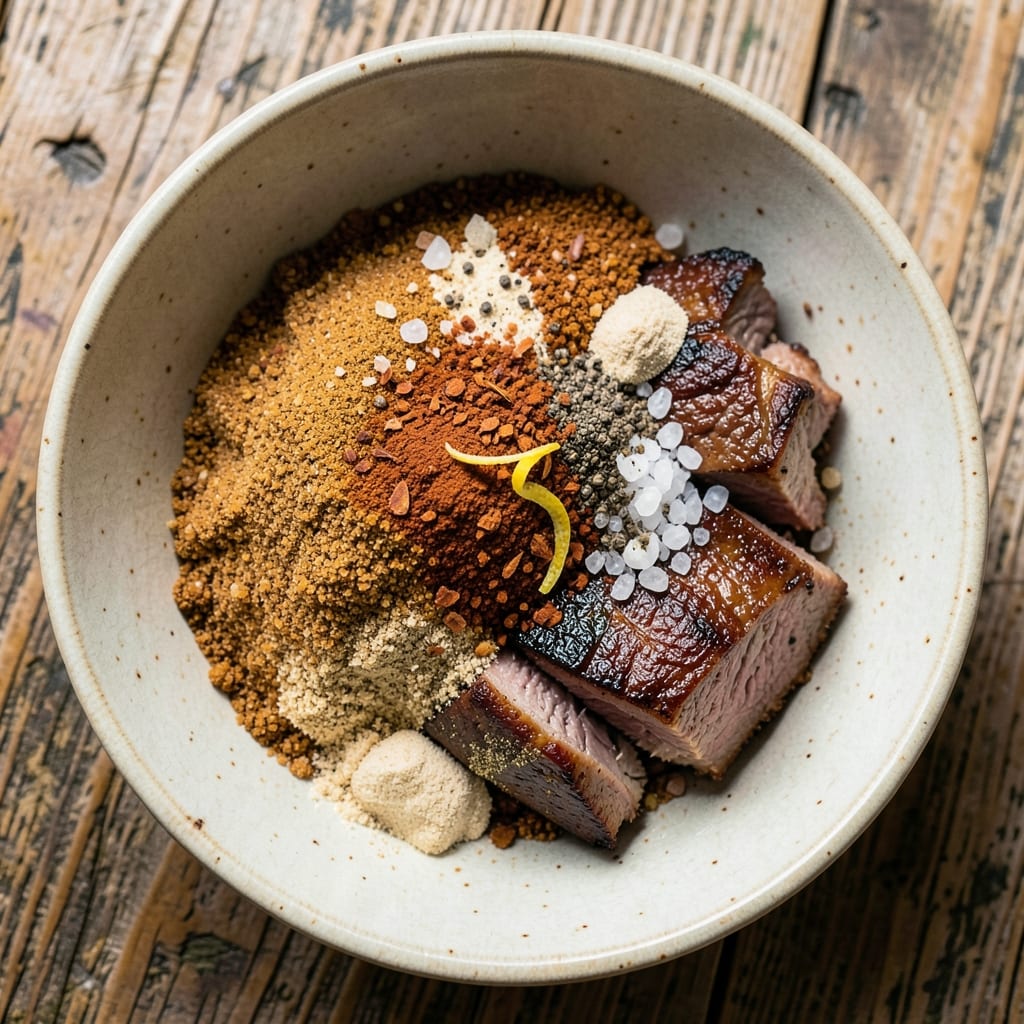
This beef back rib rub recipe transforms tough cuts into melt-in-your-mouth perfection with just a few simple ingredients. The secret lies in balancing sweet, smoky, and savory spices that penetrate deep during cooking, creating that signature bark while keeping the meat tender. I've perfected this blend over countless barbecues, and it never fails to impress—whether you're slow-cooking or grilling.
The rub features a precise ratio of brown sugar for caramelization, smoked paprika for depth, and coarse salt to enhance natural flavors. Each ingredient plays a critical role: garlic powder adds aromatic warmth, while black pepper provides a subtle kick. The blend is designed to be used generously—about 2 tablespoons per pound of ribs—so every bite delivers maximum flavor without overpowering the beef.
What you'll achieve is ribs so tender they fall apart at the touch, with a crusty exterior that's irresistibly smoky and slightly sweet. The rub works equally well for dry-rub methods or as a base for sauces, giving you control over the final texture. Store it in an airtight container for up to 3 months, ready to elevate any beef dish.
Perfect for weekend cookouts or meal prep, this rub turns ordinary ribs into showstopping centerpieces. The blend is versatile enough for other beef cuts too—try it on steaks or roasts for a flavor boost that requires no extra effort. Let's get started!
Ingredients for beef back rib rub
Nine simple spices blend into a smoky-sweet magic for ribs that fall apart.
| Ingredient | Amount | Notes |
|---|---|---|
| Brown Sugar 🍬 | ½ cup | Light or dark, packed |
| Smoked Paprika 🌶️ | ¼ cup | High quality, vibrant color |
| Coarse Kosher Salt 🧂 | ¼ cup | Diamond Crystal preferred |
| Garlic Powder 🧄 | 2 tbsp | Freshly ground preferred |
| Ground Black Pepper 🌶️ | 1 tbsp | Freshly cracked for best flavor |
| Onion Powder 🧅 | 1 tbsp | Finely ground for even distribution |
| Ground Cumin 🌿 | 1 tbsp | Toasted for deeper aroma |
| Mustard Powder 🍯 | 1 tbsp | Yellow or Dijon variety |
| Cayenne Pepper 🔥 | 1 tsp | Adjust for heat preference |
The smoked paprika is non-negotiable—Penzeys or McCormick Gourmet are my go-tos for that authentic smoky depth. Brown sugar should be packed tight (no scooping), and Trader Joe's has the best value for bulk. Coarse salt is key—Diamond Crystal dissolves slower, creating that perfect bark. I always double-check the garlic powder for freshness; if it smells stale, toss it. The cumin? Toast it in a dry pan for 30 seconds first—trust me, it makes all the difference.
No smoked paprika? Regular paprika plus a pinch of liquid smoke works in a pinch. Short on cayenne? Red pepper flakes at half the amount keeps the heat but adds color. Mustard powder is tricky—if you've only got whole mustard seeds, grind them first. The blend is designed to be generous, so don't skimp on the salt. For extra richness, add 1 tbsp of ground coffee to the mix, but that's optional.
Store in an airtight container away from light—glass jar with a tight seal keeps it fresh for 6 months. I portion mine into small bags for easy grab-and-go seasoning. The rub intensifies after a week, so if you're impatient, let it sit overnight before using. Perfect for ribs, but also amazing on steaks or even roasted potatoes.
Why You'll Love This Recipe
- Five-Ingredient Magic: I swear by this rub—just mix, coat, and let the smoky-sweet flavors work their spell. No fancy prep, no measuring cups (honestly, I eyeball it), and it transforms tough ribs into melt-in-your-mouth perfection.
- Sweet-Smoky Crunch: That caramelized brown sugar crust? It’s the star. The smoked paprika adds warmth, while the garlic powder sneaks in depth—every bite has this addictive balance of sweet, spicy, and savory that makes ribs feel like a hug.
- Tailgate or Tuesday: Between us, this rub works for everything. Grill it for summer BBQs, slow-cook it for game day, or even toss it on steak when you’re craving something bold. (Yes, even on a Tuesday night.)
- Budget-Friendly Feast: A pound of back ribs and these pantry staples? You’re looking at under $15 for a meal that feeds four. Plus, the leftovers? Even better the next day—just reheat and devour. My wallet and taste buds thank me.
Step-by-step instructions for crafting the perfect beef back rib rub
This smoky-spiced blend transforms tough ribs into melt-in-your-mouth perfection.
Measure All Ingredients Precisely
Gather all your ingredients and measure them carefully using the exact quantities from the list. I always use a medium-sized mixing bowl for this process—it gives me enough room to work without spilling. For the 0.5 cup brown sugar, I like to pack it lightly into the measuring cup to ensure consistency. The 0.25 cup smoked paprika should be vibrant and aromatic, so if yours looks dull, it might be time to invest in a fresh batch.
Place the 0.25 cup coarse kosher salt in the bowl first—this helps distribute the other spices evenly throughout the mix. The coarse texture of this salt also adds a delightful crunch that contrasts beautifully with the tender meat. I use a fine-mesh strainer to sift the salt directly into the bowl to prevent clumping later.
Add the Dry Spices and Mix Thoroughly
Next, add the 2 tbsp garlic powder, 1 tbsp ground black pepper, 1 tbsp onion powder, 1 tbsp ground cumin, and 1 tbsp mustard powder to the bowl with the salt. I use a sturdy wooden spoon for mixing because it helps break up any potential clumps more effectively than a metal spoon. Give everything a good stir to begin combining the ingredients.
Now, sprinkle in the 1 tsp cayenne pepper—this is where the heat comes in. If you prefer a milder rub, you can reduce this to ½ tsp, but I find that 1 tsp gives just the right kick without overpowering the other flavors. Mix again until the cayenne is evenly distributed throughout the other spices.
Combine and Whisk Until Uniform
With all the dry ingredients thoroughly mixed, it's time to incorporate the brown sugar. Sprinkle the 0.5 cup brown sugar over the spice mixture and use a whisk to combine everything. The whisking action helps distribute the sugar evenly and breaks up any remaining clumps, ensuring a consistent texture throughout the rub.
At this point, I like to give the mixture a final taste test. The rub should have a balanced blend of sweetness from the brown sugar, smokiness from the paprika, and a warm, earthy depth from the cumin and mustard powder. If it tastes too sweet, add a pinch more salt; if it's too spicy, a touch more brown sugar can help mellow the heat.
Store Properly for Maximum Freshness
Transfer the finished rub to an airtight container—glass jars work best for this. I use a small jar with a tight-sealing lid to keep the spices fresh and prevent moisture from getting in. Label the jar with the date and contents so you can keep track of how long it's been stored. This rub stays flavorful for up to 3 months in a cool, dark place, or you can freeze it for up to 6 months if you plan to use it less frequently.
When you're ready to use the rub, simply shake the jar well to redistribute the spices evenly. Apply a generous amount to your beef back ribs, pressing it firmly into the meat so it adheres well. This ensures that every bite is packed with flavor and delivers that fall-off-the-bone tenderness you're aiming for.
Pro Tips For Making Beef Back Rib Rub
- Grind Your Own Salt: I learned this the hard way—store-bought coarse salt is often too fine and clumps when mixed with dry spices. Pulse kosher salt in a spice grinder for 2-3 seconds until it breaks down into uneven, medium-sized grains. This makes the rub stick better and melts into the meat more evenly.
- Toast the Paprika: Smoked paprika loses its depth if it sits too long in the mix. Heat it dry in a skillet over medium-low for 30 seconds until it smells rich and woodsy—just until you see a faint haze rising. This step makes the rub taste like it’s been slow-smoked instead of just sprinkled.
- Wet the Rub First: Mixing the rub with 1 tablespoon of oil or melted butter before applying it sounds weird, but it works. The spices cling to the meat instead of floating away, and the fat helps the crust form faster. (Yes, even if you’re impatient like me—this isn’t the step you want to skip.)
- Apply in Two Layers: Don’t dump the whole rub on at once. Start with half, let it sit for 30 minutes, then add the rest. The first layer penetrates deeper, while the second locks in flavor and prevents the sugar from burning too quickly. I was skeptical until I tried it—now I never go back.
Common mistakes when making your beef back rib rub
Over-Salting Risks
Using too much coarse salt can create an unbalanced flavor profile—your ribs might taste harsh or overly salty rather than smoky and sweet. I once overdid it with 3 tbsp salt instead of 2.5 tbsp total, and the bark became bitter. Stick to the ¼ cup measurement, and taste test before applying to avoid this. 🧂
Uneven Spice Distribution
Skipping the whisking step leads to clumpy rub that won't stick evenly to ribs. I learned this the hard way when my first batch had dry pockets of cayenne. Always whisk after adding brown sugar to ensure every grain of meat gets equal flavor. For extra insurance, sift the rub through a fine-mesh strainer before applying.
Moisture Contamination
Adding wet ingredients like oil or vinegar to the rub will cause clumping and ruin the texture. This dry blend relies on its powdery consistency to create that perfect bark. If you need moisture for application, use a separate brush with water or apple cider vinegar—but never mix it directly into the rub. 🔥
Skipping the Rest
Applying the rub right after seasoning means the spices won't penetrate deeply enough. I recommend letting the ribs sit for at least 30 minutes (or up to 2 hours) before cooking. This gives the salt time to draw out moisture, creating that ideal crust. The longer the rest, the better the bark.
Using Old Spices
Stale spices lose their potency and can make your rub taste flat. I keep a small jar of fresh spices in my pantry and rotate them every 6 months**. Check for strong aromas—if your garlic powder smells like dust, replace it. The smoked paprika should have a vibrant red color; dull paprika means it's lost its smoky depth.
Overlooking the Sugar
Brown sugar isn't just for sweetness—it's essential for caramelization that creates the bark. Once, I forgot to include it and ended up with bland, dry ribs. Use ½ cup packed and don't substitute with white sugar, which caramelizes differently. For extra depth, I sometimes add 1 tbsp of molasses to the rub for a richer flavor profile.
Nutrition facts
Frequently asked questions
Can I make this rub without smoked paprika?
Yes! For a similar smoky flavor, mix ¼ cup regular paprika with ½ tsp liquid smoke (found in baking sections). The liquid smoke adds depth, but use sparingly—too much can taste artificial. For a sweeter alternative, try 1 tbsp molasses in the sugar measurement.
How much rub should I use per pound of ribs?
Use 2 tablespoons per pound of ribs for maximum flavor. Apply generously and press firmly—this ensures the spices adhere well. For extra crispiness, apply a second coat after 1 hour of cooking (if using a smoker or grill). The rub works best when used liberally!
Can I use this rub on other meats besides ribs?
This blend works beautifully on beef steaks, pork chops, or even roasted potatoes. For steaks, use 1 tablespoon per side and let it sit for 10 minutes before cooking. The spices also pair well with chicken thighs—just reduce cayenne to ½ tsp for a milder profile.
Why does my rub clump when I store it?
Clumping happens when moisture gets trapped in the container. Always store the rub in a completely dry, airtight glass jar away from heat or light. If clumps form, break them up with a fork or whisk before using. For extra protection, add a dry silica packet (like those in shoe boxes) to absorb any moisture.
How do I adjust the heat level?
To reduce heat, cut the cayenne pepper to ½ tsp or omit it entirely. For extra kick, add ½ tsp chipotle powder or ½ tsp crushed red pepper flakes. Taste test the rub before applying—it should balance sweet, smoky, and spicy notes. Adjust gradually to avoid overpowering the meat!