
Soups & Stews
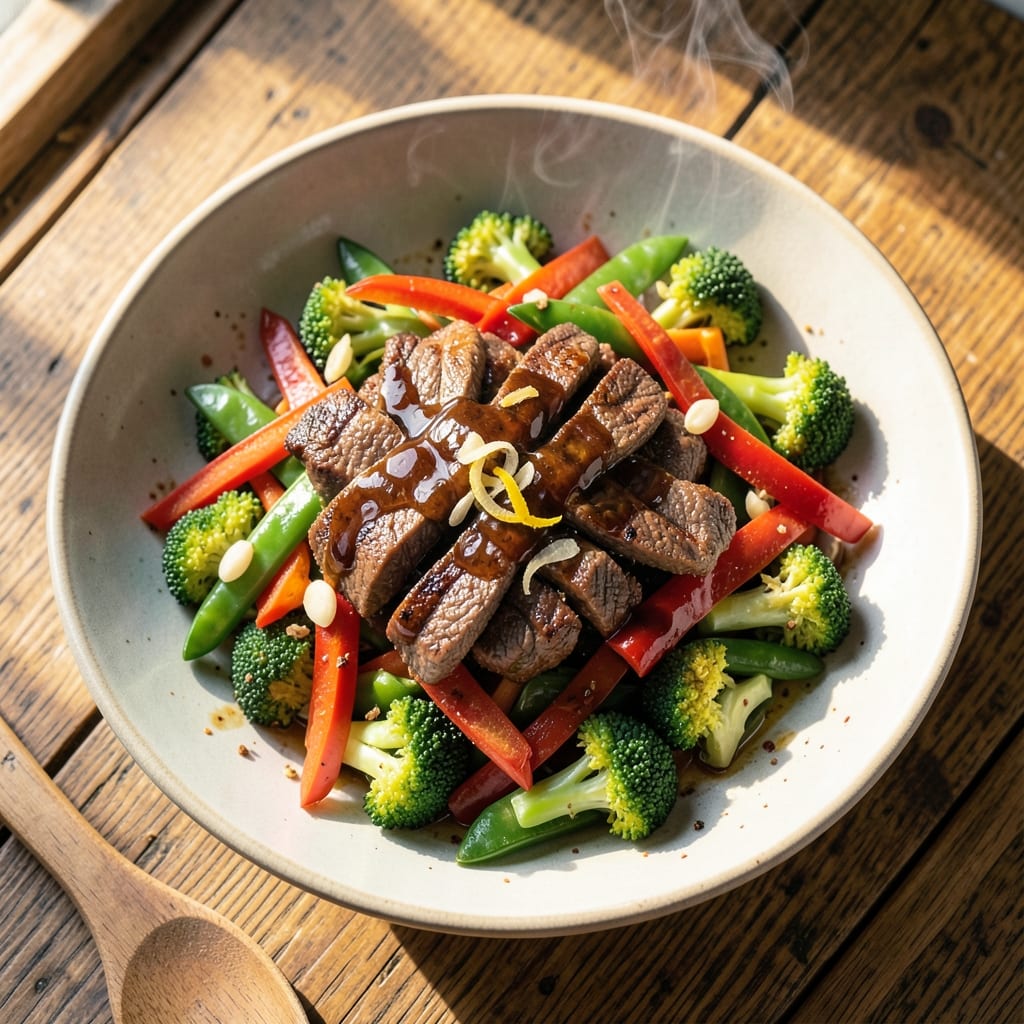
This beef and vegetable Chinese recipe delivers the perfect balance of wok-hei—that signature smoky, charred flavor—paired with tender beef and crisp vegetables. The secret lies in high-heat stir-frying, which creates caramelized edges while keeping the centers juicy. I developed this recipe after years of experimenting with wok techniques, and it never fails to impress with its bold flavors and satisfying textures.
The dish starts with thinly sliced beef that cooks quickly over high heat, ensuring it stays tender rather than tough. Vegetables like bell peppers, broccoli, and snap peas add color and crunch, while a silky sauce made from soy sauce, oyster sauce, and a touch of honey ties everything together. The sauce is light enough to let the natural flavors shine but rich enough to coat every bite.
What makes this recipe special is the contrast between the crispy edges of the beef and vegetables and the silky, savory sauce. The dish is ready in just 20 minutes, making it perfect for a weeknight dinner that feels like a restaurant-quality meal. The aroma of garlic and ginger sizzling in the wok fills the kitchen, setting the stage for a flavorful experience.
Serve this dish over steamed jasmine rice or noodles to soak up every last drop of that flavorful sauce. The combination of textures and flavors makes it a crowd-pleaser, whether you're cooking for family or hosting a dinner party. Let’s get started!
Ingredients for beef and vegetable chinese
Wok-hei magic starts with these 15 ingredients—tender beef, crisp veggies, and a sauce that sings.
| Ingredient | Amount | Notes |
|---|---|---|
| Flank Steak 🥩 | 1 lb | Thinly sliced against grain |
| Red Bell Peppers 🌶️ | 2 whole | Thinly sliced into strips |
| Broccoli Florets 🥦 | 2 cups | Cut into bite-sized pieces |
| Snap Peas 🌱 | 1 cup | Trimmed and halved |
| Garlic Cloves 🧄 | 4 cloves | Minced for aromatic base |
| Fresh Ginger 🌿 | 1 tbsp | Grated, for zesty kick |
| Sesame Oil 🫒 | 1 tbsp | For high-heat aroma |
| Light Soy Sauce 🥄 | 3 tbsp | For umami depth |
| Oyster Sauce 🍲 | 2 tbsp | For silky richness |
| Honey 🍯 | 1 tbsp | For subtle sweetness |
| Cornstarch 🌾 | 1 tbsp | For sauce thickening |
| Neutral Oil 🫒 | 2 tbsp | High smoke point preferred |
| Green Onions 🧅 | 3 whole | Sliced for garnish |
| Sesame Seeds 🌱 | 1 tsp | Toasted for crunch |
| Salt 🧂 | ½ tsp | Kosher or sea salt |
The beef is non-negotiable here—flank steak delivers that perfect balance of tenderness and chew. Look for well-marbled cuts at Whole Foods or your local butcher; the marbling keeps it juicy during high-heat cooking. Thinly slice it against the grain (about 1/4-inch thick strips) for maximum tenderness. For the veggies, freshness matters most—broccoli should snap when bent, and snap peas should be bright green. If using frozen, thaw and pat completely dry before cooking to ensure crisp edges. The garlic and ginger? Freshly minced makes all the difference—pre-minced jarred versions just don't cut it.
No flank steak? Sirloin or ribeye work in a pinch, but slice them thinner to compensate for toughness. Swapping bell peppers for zucchini or mushrooms keeps the dish veggie-packed without altering texture. The sauce components are flexible: vegetarian oyster sauce replaces traditional for plant-based versions, and agave can stand in for honey if needed. For extra wok-hei aroma, add 1/2 tsp smoked paprika to the sauce. The sesame oil is purely aromatic—use sparingly (it's potent!) and add it at the very end to preserve its delicate flavor. If you don't have sesame seeds, toasted peanuts add a nice crunch instead.
Prep the beef and veggies first—they wait patiently while you make the sauce. Store sliced beef in an airtight container with a paper towel to absorb moisture, and keep it in the fridge for up to 2 days (cook within that time for best texture). The sauce keeps for 5 days refrigerated or 3 months frozen, though it's best used fresh. For meal prep, cook the beef and veggies separately, then toss with sauce when reheating. The dish reheats beautifully—stir-fry again over high heat with a splash of water to restore crisp edges. Garnish with fresh green onions and sesame seeds right before serving to keep everything vibrant.
Why You'll Love This Recipe
- One-Pan Magic: I swear by this—just sear the flank steak, toss in the bell peppers, broccoli, and snap peas, then let the garlic and soy sauce work their magic. No pots, no pans, no stress.
- Savory Crunch Balance: That first bite? Sweet snap peas, crisp-tender broccoli, and perfectly charred beef with a hint of garlic heat—it’s the kind of combo that makes you reach for seconds without thinking.
- Lunchbox Hero: Pack the leftovers cold or reheated—it’s just as good the next day. My kids grab it for school lunches, and honestly? I sneak bites from their containers when they’re not looking.
- Budget-Friendly Feast: Flank steak stretches further than you’d think, and the veggies add bulk without breaking the bank. A single cut of beef feeds four, and the rest of the ingredients? Pantry staples you already own.
Step-by-step instructions for wok-hei crispy beef with vegetables
Master this technique and you'll achieve restaurant-quality wok-hei every time.
Prep Ingredients for Even Cooking
Start by slicing the 1 lb flank steak thinly against the grain into ¼-inch thick strips. This ensures tender, bite-sized pieces that cook quickly. Pat the strips dry with paper towels—moisture prevents proper searing and creates steam instead of crispy edges.
Next, prep the vegetables: slice the 2 whole red bell peppers into ¼-inch strips, cut the 2 cups broccoli florets into bite-sized pieces, halve the 1 cup snap peas, and mince the 4 cloves garlic and 1 tbsp fresh ginger. Trim and slice the 3 whole green onions for garnish. Keep all ingredients within reach—this dish moves fast.
Create the Sauce Base
In a small bowl, whisk together 3 tbsp light soy sauce, 2 tbsp oyster sauce, 1 tbsp honey, and 1 tbsp cornstarch. This mixture forms the foundation of your silky sauce. The cornstarch acts as a natural thickener when heated, creating that glossy finish you see in wok dishes.
Set aside—you'll add this later when the vegetables are nearly done. The sauce should be smooth and evenly combined. If you notice any lumps, strain it through a fine-mesh sieve for a perfectly silky texture.
Sear the Beef for Maximum Flavor
Heat a wok or large skillet over high heat until it's screaming hot. Add 2 tbsp neutral oil and swirl to coat the surface. Working in batches if needed, add the flank steak strips and sear for 1-2 minutes until they develop a deep golden brown crust.
Remove the beef and set aside. The high heat is crucial here—it creates that signature wok-hei flavor through rapid cooking and caramelization. Don't overcrowd the pan or the beef will steam instead of sear. If the oil starts to smoke excessively, reduce heat slightly to maintain control.
Stir-Fry Vegetables to Crisp-Tender Perfection
In the same wok, add a bit more neutral oil if needed and stir-fry the red bell peppers for 1 minute until slightly softened. Add the broccoli florets and snap peas, cooking for another 2 minutes while stirring constantly. The vegetables should retain some bite—overcooking turns them mushy.
Add the minced garlic and ginger, stirring for 30 seconds until fragrant. Pour in the sauce mixture and toss everything vigorously for 1-2 minutes until the sauce thickens slightly. The vegetables should be bright and vibrant, not limp.
Combine and Finish with Wok-Hei Flavor
Return the seared beef to the wok and toss everything together for 1 minute, letting the beef absorb the sauce. Add 1 tbsp sesame oil and 0.5 tsp salt, then toss again for 30 seconds to distribute the flavors evenly. The sesame oil adds that distinctive nutty aroma that defines wok cooking.
Garnish with toasted sesame seeds and sliced green onions. Serve immediately while the beef is still crispy and the vegetables retain their vibrant color. This dish tastes best straight from the wok—each bite should deliver crisp-tender vegetables, perfectly seared beef, and a glossy, balanced sauce.
Pro Tips For Making Beef And Vegetable Chinese
- Slice Steak Against Grain: Flank steak’s tough fibers run parallel to the cut—slicing perpendicular breaks them up so every bite feels tender. Use a sharp knife and angle it at 45 degrees for clean, paper-thin strips that cook faster and stay juicy. (Yes, even if you’re impatient like me, don’t rush this—it’s the thing that matters most.)
- Blanch Broccoli First: Toss broccoli florets into boiling water for 30 seconds before stir-frying—this softens them slightly while keeping their shape. Drain and shock in ice water to stop cooking, then pat very dry. Wet broccoli steams instead of sears, and nobody wants sad, limp florets in their dish.
- Don’t Overcrowd the Pan: After searing the beef, resist the urge to dump everything in at once. Cook veggies in batches if needed—bell peppers and snap peas release moisture, which dilutes the wok hei (that smoky aroma) and makes the sauce watery. A crowded pan also steams instead of sears, and that’s a missed opportunity.
- Use Minced Garlic, Not Sliced: Whole garlic cloves burn before they infuse. Mince them finely (or buy pre-minced) so they dissolve into the sauce without turning bitter. Add them after the beef has browned—this way, they cook gently in the finished dish rather than crisping into oblivion. (I learned this the hard way when my stir-fry tasted like charred regret.)
Perfect pairings for this recipe
Rice Pairings
Serve this wok-hei beef over steamed jasmine rice for the classic Chinese meal experience. The fragrant, slightly sticky grains soak up every drop of the silky sauce, creating a perfect balance of textures. For extra flair, sprinkle toasted sesame seeds and green onions over the rice before serving. 💛
For a heartier option, try steamed brown rice or forbidden black rice—both add earthy depth that complements the dish's bold flavors. If you prefer noodles, stir-fried lo mein or chewy udon noodles work beautifully, especially if you toss them directly in the wok with the beef and veggies during the final step.
Dipping Sauces
A small bowl of sweet chili sauce on the side adds a tangy contrast to the savory beef. I like Mae Ploy Sweet Chili Sauce for its perfect balance of sweetness and heat. For a more traditional option, mix 1 tbsp soy sauce, 1 tbsp rice vinegar, and ½ tsp sugar for a quick homemade dipping sauce. 🍶
Side Dish Ideas
Add steamed bok choy or Chinese broccoli as a light, fresh side to cut through the richness. These greens absorb the sauce beautifully and add a vibrant pop of color. For a crunchy element, include quick-pickled cucumbers—toss thinly sliced cucumbers with 1 tbsp rice vinegar, ½ tsp sugar, and a pinch of salt for 10 minutes before serving.
Beverage Pairings
Pair this dish with a light Chinese tea, like jasmine green tea or oolong tea, to cleanse the palate between bites. For beer lovers, a crisp lager like Tsingtao or Sapporo balances the dish's bold flavors without overpowering them. A dry Riesling from Germany also works beautifully, as its acidity cuts through the richness of the sauce. 🍷
Nutrition facts
Frequently asked questions
Can I substitute flank steak with another cut of beef?
Yes, but choose tender cuts that slice thinly. Sirloin or ribeye work well—just slice them ⅛-inch thick against the grain to prevent toughness. Avoid lean cuts like eye of round, as they dry out quickly during high-heat cooking. For extra tenderness, marinate the beef in 1 tbsp soy sauce + 1 tsp cornstarch for 15 minutes before cooking.
Why is my beef tough instead of tender?
Overcooking is the #1 culprit! Beef should cook for 1-2 minutes max over high heat—it'll finish cooking from residual heat. Slice against the grain (not with it) and avoid crowded pans, which lower temperature. For extra insurance, par-cook the beef for 30 seconds in boiling water before stir-frying to jumpstart tenderness.
Can I make this recipe in a regular skillet?
but use a 12-inch cast-iron or stainless steel skillet for best results. Preheat it on high for 5 minutes to mimic wok heat. Stir-fry in batches if needed—don't overcrowd. For extra wok-hei flavor, add ½ tsp smoked paprika to the sauce or finish with a 10-second blast of broiler for charred edges.
How do I adjust the sauce for less sweetness?
Reduce the honey to ½ tbsp and add ½ tsp rice vinegar for balance. For umami depth without sweetness, increase oyster sauce to 2.5 tbsp and add ½ tsp fish sauce (optional). Always taste as you go—Chinese sauces should harmonize sweet, salty, and savory notes.
Can I prep ingredients ahead of time?
Yes! Prep all ingredients 1 day ahead and store in airtight containers. Keep the beef separate (raw) and veggies washed/dried. The sauce can be made 3 days ahead—reheat gently before using. For best texture, cook within 24 hours of slicing beef. Freeze cooked portions for 3 months, but reheat over high heat with 1 tsp water to restore crispness.