
Main Courses
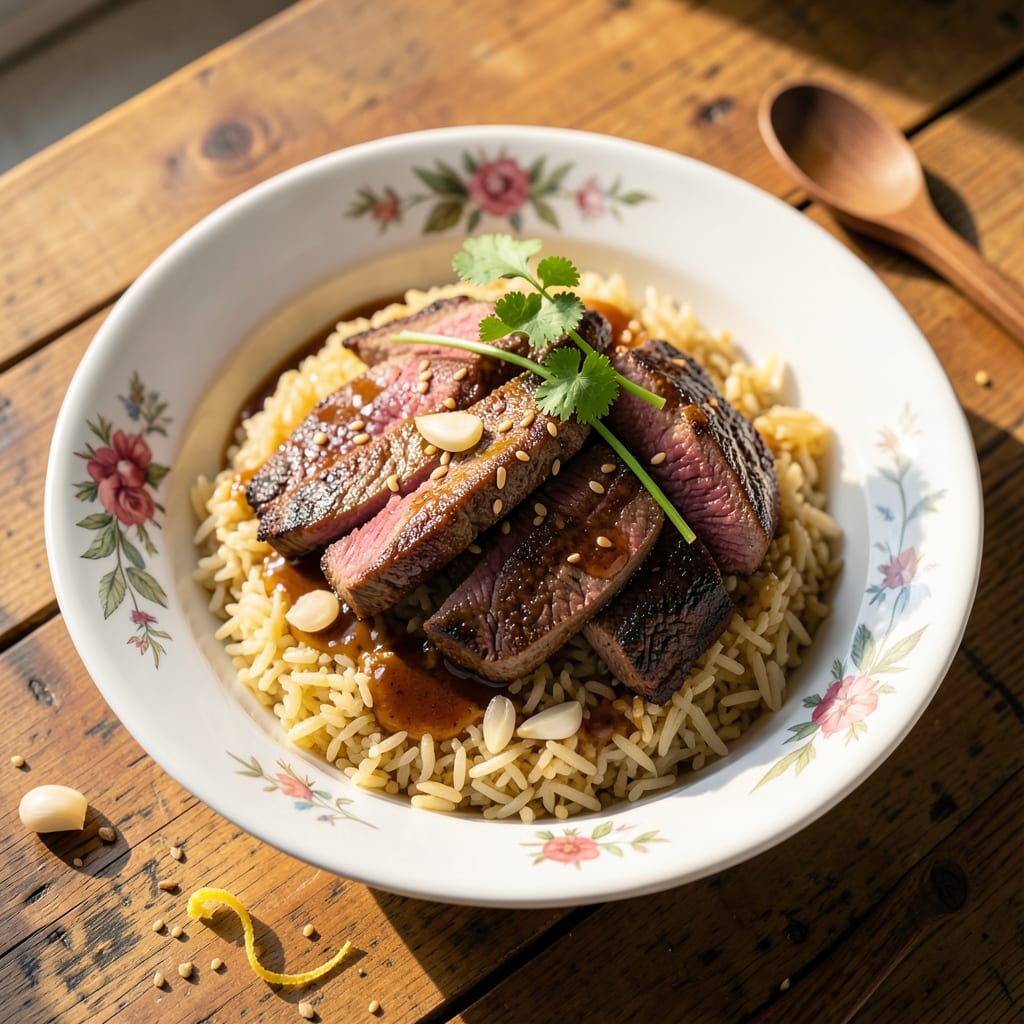
This wok-hei crispy beef over fragrant jasmine rice delivers restaurant-quality flavor with just the right balance of smoky, caramelized beef and aromatic grains. The secret lies in high-heat searing for that signature crispy crust while keeping the beef tender inside—no dry, chewy results here. This dish transforms simple ingredients into a meal that feels special enough for guests but easy enough for weeknights.
What sets this recipe apart is the dual cooking technique: beef stir-fried until perfectly crispy, then finished with a quick braise in a savory sauce, while the jasmine rice steams to fluffy perfection. The combination of garlic, ginger, and soy creates deep umami flavor that pairs beautifully with the nutty aroma of the rice. Every bite delivers that satisfying contrast between crispy beef and tender grains.
By the time you serve this dish, you'll have golden-brown beef slices with caramelized edges resting over fragrant, individual portions of jasmine rice. The sauce clings perfectly to both components, creating a harmonious balance of textures and flavors. Garnish with fresh green onions and sesame seeds for extra visual appeal and a final touch of freshness.
This recipe works beautifully as a main course for dinner parties or family meals, and the leftovers reheat just as well. Pair with steamed vegetables or a simple cucumber salad to complete the meal. The crispy beef technique is the star, but the jasmine rice elevates everything to restaurant-quality levels.
Ingredients for beef and jasmine rice
Restaurant-quality flavor starts with these simple, high-impact ingredients for crispy beef and fragrant jasmine rice.
| Ingredient | Amount | Notes |
|---|---|---|
| Flank Steak 🥩 | 1 ½ lb | Cut into 1/4-inch thick slices |
| Jasmine Rice 🍚 | 1 ½ cups | Uncooked, long-grain |
| Vegetable Oil 🫒 | ½ cup | High smoke point preferred |
| Garlic Cloves 🧄 | 6 cloves | Minced, fresh preferred |
| Fresh Ginger 🌿 | 2 tbsp | Finely grated, peeled |
| Soy Sauce 🍶 | ½ cup | Light or all-purpose |
| Oyster Sauce 🍶 | 2 tbsp | High-quality preferred |
| Dark Soy Sauce 🍶 | 1 tbsp | For color depth |
| Brown Sugar 🍚 | 2 tbsp | Packed, light variety |
| Sesame Oil 🫒 | 1 tbsp | Toasted, for aroma |
| Green Onions 🧅 | ¼ cup | Sliced, for garnish |
| Toasted Sesame Seeds 🌾 | 1 tbsp | For garnish |
| Salt 🧂 | 1 tsp | Kosher or sea salt |
| Black Pepper 🌶️ | ½ tsp | Freshly ground |
| Cornstarch 🌾 | 1 tbsp | For coating beef |
The flank steak is key here—look for well-marbled cuts at your butcher or grocery store's meat counter. Costco or Whole Foods often carry high-quality cuts that slice beautifully. Avoid pre-sliced packages unless the meat is vacuum-sealed; fresh-cut beef develops that signature crispy crust better. For best results, slice the steak yourself against the grain to ensure tender bites. If you can't find flank steak, skirt steak works equally well. The jasmine rice should be long-grain and fragrant—Lotus Foods brand is a reliable choice, but any premium jasmine rice will do.
No oyster sauce? Soy sauce plus a splash of Worcestershire mimics the umami depth, though it won't be identical. The dark soy sauce isn't just for color—it adds a molasses-like richness that balances the crispy beef perfectly. If you're out of sesame oil, toasted peanut oil works in a pinch, though the flavor will differ slightly. The cornstarch coating is non-negotiable for that crispy texture; don't skip it. For the garlic and ginger, fresh is ideal, but if you're in a bind, dried garlic powder and ground ginger at half the amount will work. The beef should be sliced thinly and evenly—about 1/4-inch thick—for consistent cooking.
Prep the rice first—it steams while the beef cooks. Store cooked rice in an airtight container for up to 3 days in the fridge, though it's best served fresh. The beef reheats beautifully; just warm it in a skillet with a splash of water to restore crispiness. For extra flavor, toss the cooked rice with a drizzle of sesame oil and a pinch of salt before serving. Garnishes like green onions and sesame seeds keep for 1 week in the fridge, so buy extra for future meals. This dish freezes well for up to 3 months—just reheat the beef and rice separately to maintain texture.
Why You'll Love This Recipe
- One-Pan Magic: I swear by this—just sear the steak, toss in the rice and aromatics, and let the pot do the work. No chopping, no fussing, no extra dishes. That fragrant steam? It’s basically self-cleaning.
- Steakhouse Without the Hassle: The garlic and ginger caramelize right into the rice, turning it into a sticky, savory base that clings to every bite. Slice the flank steak thin after cooking, and suddenly you’ve got restaurant-quality texture for half the price.
- Lunchbox Hero: Between us, this is my go-to for meal prep. Pack the rice and beef separately, and by Wednesday, you’re still eating like it’s Sunday. (Yes, even on a Tuesday night.) The rice stays fluffy, and the beef? Still tender enough to cut with a fork.
- Budget Flex: Flank steak is affordable, and a single batch feeds four—meaning leftovers for days. Honestly, I’ve had this for breakfast with a fried egg, and no one batted an eye. That’s versatility you can bank on.
Step-by-step instructions for wok-hei crispy beef with jasmine rice
Master the art of wok-hei—here's how to achieve restaurant-quality crispy beef over fragrant rice.
Prepare the Flank Steak for Maximum Crispiness
Slice the 1.5 lb flank steak against the grain into ¼-inch thick strips. Place them in a bowl and toss with 1 tbsp cornstarch, 1 tsp salt, and ½ tsp black pepper until evenly coated. This coating creates a golden crust when seared. Let the steak sit at room temperature for 15 minutes before cooking—this ensures even doneness throughout.
While the steak rests, prepare your wok or large skillet. Heat ½ cup vegetable oil over high heat until it shimmers but doesn't smoke. The oil should be hot enough that a drop of water sizzles and evaporates instantly. This high heat is crucial for achieving that signature wok-hei crispiness.
Cook the Jasmine Rice to Perfect Texture
Rinse the 1.5 cups jasmine rice thoroughly under cold water until the water runs clear. This removes excess starch that would make the rice gummy. Combine the rice with 2 cups water in a pot and bring to a boil over medium-high heat. Once boiling, reduce heat to low, cover tightly, and simmer for 15 minutes without lifting the lid.
After 15 minutes, turn off the heat and let the rice steam undisturbed for another 10 minutes. This resting period allows the rice to absorb all the moisture and develop its signature fragrant texture. Fluff the rice gently with a fork before serving—never stir it while hot as this breaks the grains.
Sear the Beef for Wok-Hei Crispiness
Working in batches to avoid crowding, add the cornstarch-coated steak strips to the hot oil. Sear for 1-2 minutes per side until they develop a deep golden-brown crust. The beef should release easily from the pan and have visible char marks—this is your wok-hei indicator. Remove the beef and set aside on a plate.
In the same pan, add 6 cloves minced garlic and 2 tbsp finely grated ginger. Stir-fry for 30 seconds until fragrant but not browned. Add ½ cup soy sauce, 2 tbsp oyster sauce, 1 tbsp dark soy sauce, and 2 tbsp brown sugar. Bring to a simmer and cook for 2 minutes until the sauce thickens slightly. Return the beef to the pan and toss to coat evenly in the sauce.
Finish with Aromatics and Garnish
Reduce heat to medium-low and add 1 tbsp sesame oil. Stir for 30 seconds to infuse the aroma throughout the beef. The sesame oil should perfume the entire dish with its nutty fragrance. Taste and adjust seasoning if needed—you want a balance of salty, sweet, and umami flavors.
To serve, spoon the crispy beef over the steamed jasmine rice. Garnish with ¼ cup sliced green onions and 1 tbsp toasted sesame seeds. The contrast between the fragrant rice and wok-hei crispy beef creates the perfect bite—crispy edges giving way to tender meat and aromatic grains.
Pro Tips For Making Beef And Jasmine Rice
- SEAR THE STEAK HARD: Flank steak needs aggression—get your pan screaming hot with oil before adding the meat. I used to hover over it like a nervous parent, and it’d turn out gray and tough. Now I crank the heat, walk away for 2 minutes, then finish with garlic and ginger. That crust? Non-negotiable.
- SLICE AGAINST THE GRAIN: Thin, even slices are your goal, but cutting with the grain means chewy, rubbery beef. Flip your knife and slice perpendicular to the muscle fibers—yes, it’ll look weird, but every bite will melt like butter. (Pro move: Let the steak rest 5 minutes first.)
- TOAST THE GINGER FIRST: Skip the raw ginger in oil—it’ll just sit there like a sad, undercooked guest. Mince it fine, then dry-toast in the same pan as your garlic until fragrant (about 30 seconds). This unlocks its flavor without bitterness, and it blends seamlessly into the rice.
- USE LESS RICE, MORE SPACE: Crowding the rice in the pot turns it mushy. Use a wider pan and spread it out—even if it looks sparse. After toasting the garlic-ginger mix, add just enough water (about 1:1.5 rice-to-water ratio) and let it steam uncovered for the last 5 minutes. The edges crisp up, and the texture stays separate.
Essential equipment for this dish
Wok Essentials
A carbon steel wok is my top recommendation for this recipe—it heats up fast and retains heat perfectly, which is crucial for achieving that signature wok-hei crispiness. Look for a 14-inch wok like the Mauviel M'Cook or De Buyer for professional results. If you don’t have a wok, a heavy-bottomed cast-iron skillet (like a Lodge 12-inch) works just as well. 🔥
High-Heat Oil
Use a high-smoke-point oil like avocado oil or peanut oil for searing—these oils can handle the 450-500°F heat needed without burning. I avoid olive oil here because it has a lower smoke point and can create bitter flavors. A wire whisk or chopsticks will help you stir-fry the beef quickly and evenly without overcrowding the pan.
Rice Cooker
For foolproof jasmine rice, I recommend a multi-tiered rice cooker like the Zojirushi NS-ZMC10U. This model steams rice perfectly without sticking, and the separate compartments let you cook the rice while you finish the beef. If you don’t have one, a heavy-bottomed pot with a tight-fitting lid works—just be patient and avoid lifting the lid while cooking. 🍚
Knife & Cutting Board
A sharp chef’s knife and cutting board are essential for slicing the flank steak against the grain into even ¼-inch strips. I use a Wüsthof Ikon 8-inch knife for precision cuts. For the garlic and ginger, a microplane or fine grater ensures you get the right texture—no need for a food processor here. A measuring spoon set helps with accurate sauce ratios.
Sauce Tools
Keep a small bowl nearby for mixing the sauce ingredients before adding them to the pan. A fine-mesh strainer comes in handy if you want to strain the sauce for a smoother finish. I also recommend a small ladle for spooning the beef over the rice at the end—it makes plating look effortless. A tongs set helps toss the beef in the sauce without breaking the strips. 🍶
Nutrition facts
Frequently asked questions
Can I use a different cut of beef instead of flank steak?
Skirt steak works perfectly—it has similar texture and flavor. For leaner options, try sirloin, but slice it thinner (¼ inch) since it cooks faster. Avoid tougher cuts like chuck; they won't develop that signature crispy texture. The key is thin, even slices against the grain for tenderness.
How do I prevent the jasmine rice from becoming mushy?
Rinse the rice thoroughly first to remove excess starch, then use a 1:1 rice-to-water ratio (1.5 cups rice to 1.5 cups water). After boiling, reduce heat to low and steam 15 minutes uncovered to evaporate excess moisture. Never stir while cooking—just fluff gently with a fork after resting. A tight-fitting lid is crucial for even steaming.
What's the best way to reheat leftovers?
Reheat beef and rice separately for best results. Warm the beef in a skillet over medium heat with a splash of water to restore crispiness (2-3 minutes). For rice, use a steamer basket or microwave with a damp paper towel. Never reheat in the oven—it dries out the rice. Store leftovers in airtight containers for up to 3 days.
Can I make this dish in a slow cooker?
Not ideal for the crispy beef technique, but you can adapt it! Sear the beef first in a skillet, then transfer to the slow cooker with all sauce ingredients. Cook on low for 3-4 hours until tender. The rice should be cooked separately and served alongside. The texture won't be crispy, but it becomes a tender beef and rice bowl with similar flavors.
What vegetables pair well with this dish?
Light, fresh sides complement this rich dish best. Try steamed bok choy or sautéed gai lan for Asian flair, or a simple cucumber salad with rice vinegar and sesame seeds. For heartier meals, add blanched broccoli or stir-fried bell peppers. Avoid heavy sides—they'll overpower the delicate flavors.