
Main Courses
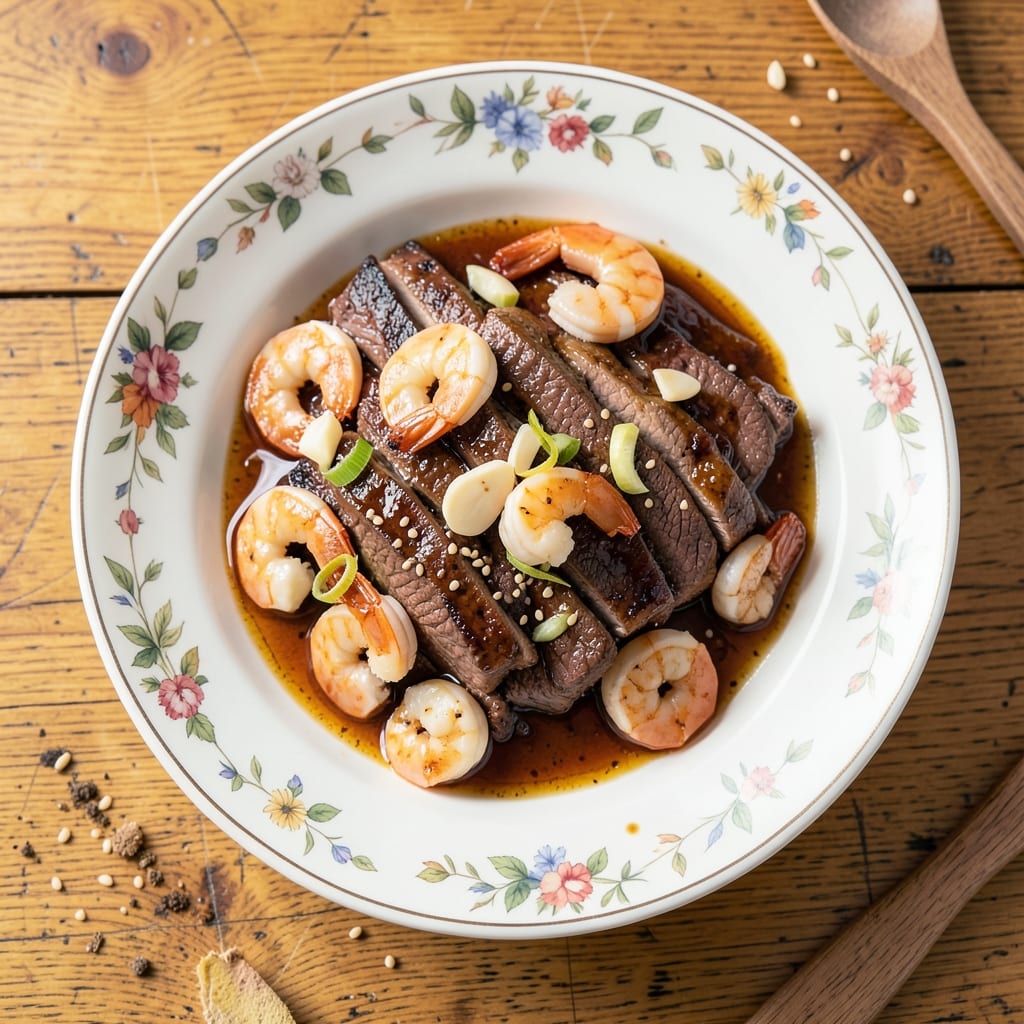
This beef and shrimp teriyaki recipe delivers a perfect balance of sweet-savory flavors in a single pan, with caramelized edges that make every bite irresistible. The secret lies in marinating the proteins separately—beef gets a longer soak for deep flavor penetration, while shrimp marinates just long enough to stay tender. Cross-contamination is critical here, so I’ll show you how to handle raw proteins safely without sacrificing convenience.
What sets this recipe apart is the teriyaki glaze, which develops its signature depth right in the pan as the beef and shrimp cook. No need for separate saucing or messy reductions—just let the natural sugars caramelize while you sear the proteins to perfection. The result? A dish that’s restaurant-quality but built on simple techniques anyone can master.
By the time you plate this, you’ll have golden-brown beef strips and succulent shrimp bathed in a glossy, slightly sticky glaze that clings beautifully. Serve it over steamed jasmine rice or with a side of quick-pickled vegetables to cut through the richness. The aroma alone will have everyone at the table asking for seconds.
The best part? This recipe scales effortlessly—double the batch for a crowd or halve it for a quick weeknight dinner. With proper prep, you’ll spend less than 30 minutes actively cooking, making it the ideal balance of flavor and efficiency. Let’s get started on creating this showstopper.
Ingredients for beef and shrimp teriyaki
Sweet-savory teriyaki magic in one pan—just these 14 ingredients transform simple proteins into a showstopper.
| Ingredient | Amount | Notes |
|---|---|---|
| Flank Steak 🥩 | 1 lb | Thinly sliced against grain |
| Large Shrimp 🦐 | 1 lb | Peeled, deveined, tails on |
| Teriyaki Sauce 🍶 | ½ cup | Store-bought or homemade |
| Sesame Oil 🫒 | 1 tbsp | Toasted for aroma |
| Fresh Ginger 🌿 | 1 tbsp | Finely grated, fresh |
| Garlic Cloves 🧄 | 4 cloves | Minced, fresh |
| Honey 🍯 | 2 tbsp | Pure, mild variety |
| Soy Sauce 🍶 | ¼ cup | Low-sodium preferred |
| Rice Vinegar 🍶 | 1 tbsp | White vinegar substitute |
| Vegetable Oil 🫒 | 2 tbsp | High smoke point |
| Sesame Seeds 🌾 | 1 tbsp | Toasted for garnish |
| Green Onions 🧅 | 3 whole | Sliced, for garnish |
| Salt 🧂 | 1 tsp | Kosher or sea salt |
| Black Pepper 🌶️ | ½ tsp | Freshly ground |
The shrimp and beef are the stars, but the teriyaki sauce ties it all together. Look for a good-quality teriyaki sauce at Asian markets—Lee Kum Kee or Kikkoman are solid choices. If you're making your own, low-sodium soy sauce is key for balance. The flank steak should be thinly sliced against the grain—ask your butcher to slice it if you're not comfortable doing it yourself. For shrimp, frozen works just fine—thaw in cold water before using. Fresh ginger is non-negotiable here—dried lacks the bright punch. Costco sells big tubs that last for months.
No teriyaki sauce? Mix soy sauce, honey, rice vinegar, and a splash of water—it's just as good. Ran out of sesame oil? Avocado oil or neutral oil works, but you'll lose that nutty aroma. The garlic can be roasted (wrap whole cloves in foil at 400°F for 10 minutes) for a sweeter flavor. No rice vinegar? Apple cider vinegar or lemon juice in a pinch. The green onions are optional but add freshness—substitute chives or scallions if that's what you've got. For extra depth, add a pinch of red pepper flakes to the sauce if you like heat.
Marinate the beef for up to 2 hours (longer = more tender), while shrimp only needs 15-20 minutes to absorb flavor. Both can be prepped ahead—store separately in airtight containers in the fridge for 1 day. The cooked dish reheats beautifully—microwave with a splash of water or warm gently in a skillet. Leftover sauce? Freeze in ice cube trays for quick future meals. The sesame seeds toast best in a dry skillet for 30 seconds—watch them like a hawk or they'll burn.
Why You'll Love This Recipe
- One-Pan Magic: I swear by this for nights when I’m too tired to scrub pots—just sear the steak and shrimp, toss in the teriyaki, and let the ginger and sesame oil work their flavor magic. The pan’s already half-cleaned by the time you’re done.
- Sweet-Savory Balance: That first bite of caramelized teriyaki on juicy steak, then the bright snap of shrimp? It’s like a flavor hug. The ginger adds just enough kick to cut through the richness—trust me, it’s the perfect harmony.
- Meal Prep MVP: Between us, this is my go-to for lunches. Cook a big batch, slice the steak thin, and toss everything in containers. The teriyaki keeps it moist, and the shrimp stays tender—no sad, dry leftovers here.
- Budget-Friendly Luxury: Flank steak feels fancy, but it’s way cheaper than ribeye, and shrimp stretches it into a hearty meal. A bottle of teriyaki sauce and a knob of ginger make this feel gourmet without breaking the bank. (Yes, even on a Tuesday night.)
Step-by-step instructions for beef and shrimp teriyaki
This one-pan recipe delivers caramelized teriyaki perfection with tender beef and juicy shrimp.
Marinate the Flank Steak
Place the 1 lb Flank Steak in a bowl and slice it thinly against the grain for even cooking. In a separate small bowl, whisk together 0.5 cup Teriyaki Sauce, 2 tbsp Honey, 0.25 cup Soy Sauce, 1 tbsp Rice Vinegar, 1 tbsp Fresh Ginger, and 4 cloves Garlic Cloves (minced). Pour this marinade over the steak and toss gently to coat completely. Let it marinate for at least 30 minutes in the refrigerator—this ensures deep flavor penetration and tender meat.
While the steak marinates, peel and devein the 1 lb Large Shrimp, leaving the tails intact. Pat them dry with paper towels to remove any moisture, which helps them sear better. Sprinkle the shrimp lightly with 1 tsp Salt and 0.5 tsp Black Pepper, then set aside.
Sear the Beef and Shrimp
Heat 2 tbsp Vegetable Oil in a large skillet over medium-high heat until shimmering. Remove the steak from the marinade (reserve the marinade) and arrange the slices in a single layer in the skillet. Let them sear undisturbed for 2-3 minutes until the edges turn golden brown and the steak releases easily from the pan. Flip and cook for another 1-2 minutes until medium-rare. Transfer the steak to a plate and tent loosely with foil to keep warm.
In the same skillet, add the shrimp in a single layer. Cook for 1-2 minutes per side until they turn pink and opaque. Remove the shrimp and set them aside with the steak. The residual oil in the pan will help build the teriyaki glaze.
Build the Teriyaki Glaze
Return the reserved marinade to the skillet and bring it to a gentle simmer over medium heat. Let it reduce for 3-4 minutes, stirring occasionally, until it thickens slightly and coats the back of a spoon. The glaze should be glossy and syrupy—this indicates it’s ready to coat the proteins perfectly. If it reduces too quickly, add 1-2 tablespoons of water to loosen it.
Here’s the thing—this is the moment that matters: the glaze should caramelize beautifully, so keep an eye on it. Once it reaches the right consistency, stir in 1 tbsp Sesame Oil and let it heat through for another 30 seconds. The sesame oil adds depth and aroma, tying all the flavors together.
Finish and Serve
Return the steak and shrimp to the skillet, spooning the teriyaki glaze evenly over the top. Let everything heat through for 1-2 minutes, tossing gently to ensure the proteins are fully coated. The shrimp should be warm throughout, and the steak should reach an internal temperature of 135°F for medium-rare.
Transfer the beef and shrimp to a serving platter. Garnish with 1 tbsp toasted Sesame Seeds and 3 whole Green Onions (sliced). Serve immediately over steamed rice or noodles to soak up that luscious teriyaki glaze. The contrast of the warm, sticky sauce with the cool rice makes every bite irresistible.
Pro Tips For Making Beef And Shrimp Teriyaki
- SEAR STEAK HOT AND FAST: Flank steak needs a screaming-hot pan—if you’re not seeing black spots in 30 seconds, your heat’s too low. I learned this the hard way when my first batch turned out chewy. Once those crusts form, pull the steak and let it rest before slicing—against the grain, thin strips—so it stays tender when you toss it in the teriyaki.
- PEEL SHRIMP LAST MINUTE: Shrimp cook in a flash, so peel and devein them right before they hit the pan—no need to do it hours ahead. Leave the tails on if you’re serving it family-style; they make the dish look effortless. Overcooking shrimp turns them rubbery, so they’re done the second they turn pink (about 1-2 minutes per side).
- SKIP THE CROWDED PAN: Don’t dump all the shrimp in at once—work in batches if needed. Overcrowding steams them instead of searing, and you’ll end up with soggy protein instead of caramelized edges. A quick 2-minute rest under foil before slicing also keeps the juices from running out when you toss everything in the sauce.
- GINGER: GRATE IT FRESH: Pre-minced ginger from a jar tastes like sawdust next to fresh. Use a microplane for this recipe—you only need about 1 teaspoon, finely grated, to brighten the teriyaki sauce. If you’re short on time, a pinch of ground ginger works in a pinch, but it won’t have the same punch. Add it to the sauce while it simmers, not at the end.
Regional styles of this dish
Japanese Home-Style
In Japan, this dish would be called gyū ebi teriyaki (牛エビ照り焼き), a fusion of classic yakitori (grilled skewers) and teriyaki techniques. The key difference? Japanese home cooks often use mirin (sweet rice wine) instead of honey for the glaze, adding a subtle fruity note. I like to add 1 tbsp mirin to the sauce if I can find it at my local Asian grocery store—it makes the sauce even more balanced. 🍶
Hawaiian Fusion Twist
Hawaii’s love affair with teriyaki led to creative adaptations like adding pineapple chunks to the sauce or serving over garlic butter rice. Locals often swap soy sauce for Hawaiian-style teriyaki sauce (like Kikkoman Hawaiian Teriyaki), which includes pineapple juice for a sweeter, tropical profile. For a quick upgrade, toss in ½ cup pineapple tidbits during the last minute of cooking—they caramelize beautifully with the glaze.
Korean-Inspired Bulgogi Teriyaki
Korean flavors shine in this variation where the marinade incorporates gochujang (fermented chili paste) and sesame oil. I like to mix 1 tbsp gochujang into the teriyaki sauce and add 1 tsp toasted sesame seeds to the garnish. The result is a slightly spicy, umami-packed twist that pairs perfectly with steamed white rice or kimchi on the side. 🌶️
Thai-Inspired Sweet Chili
For a Thai-inspired take, replace the teriyaki sauce with a sweet chili glaze made from red curry paste, fish sauce, and palm sugar. Add 1 tbsp fish sauce and 1 tsp curry powder to the marinade, then finish with a drizzle of sweet chili sauce (like Maesri) before serving. The heat level is milder than traditional Thai curry but still packs a punch—great for those who love a little spice with their sweet-savory balance.
American BBQ Teriyaki
Southern cooks often blend teriyaki with BBQ sauce for a smoky-sweet hybrid. I like to mix ¼ cup BBQ sauce (like Sweet Baby Ray’s) into the teriyaki glaze and finish with a sprinkle of smoked paprika. The result? A deep, caramelized crust with a tangy kick. Serve it over mashed sweet potatoes or cornbread for a true comfort-food mashup. This version is a crowd-pleaser at backyard BBQs!
Nutrition facts
Frequently asked questions
Can I substitute chicken for the beef?
Chicken thighs work beautifully—they stay juicy and absorb the teriyaki flavors well. Use 1.5 lbs boneless thighs, cut into bite-sized pieces, and marinate for 30-45 minutes instead of 2 hours. For extra tenderness, pound the pieces lightly before marinating. Skip the chicken breasts—they dry out quickly in teriyaki.
How do I prevent the shrimp from turning rubbery?
Never overcook shrimp—they're done when they turn pink and opaque (1-2 minutes per side). Pat them completely dry before cooking and use a nonstick skillet to avoid sticking. Cook at medium-high heat and remove them immediately once done. For extra insurance, use a meat thermometer (145°F internal temp).
What's the best way to make this recipe gluten-free?
Use a tamari or gluten-free soy sauce substitute (like San-J Tamari) and verify all other ingredients. Some teriyaki sauces contain wheat—check labels. For the marinade, replace honey with maple syrup or agave nectar (same ratio). The texture will be slightly different but still delicious.
Can I make this ahead of time?
Yes! Marinate the beef and shrimp separately up to 1 day ahead in airtight containers. Cook the proteins fresh, then store the finished dish (without rice) in the fridge for 3 days. Reheat gently in a skillet with a splash of water to prevent drying. The sauce thickens when chilled—thin with 1 tbsp water before reheating.
Why is my teriyaki sauce too thin?
Sauce gets watery when it doesn't reduce enough. Simmer uncovered on medium heat for 5-7 minutes, stirring often, until it coats the back of a spoon. If it still runs, mix 1 tsp cornstarch with 1 tbsp water, stir into the sauce, and cook for 1 more minute. Never boil—just maintain a gentle simmer.