
Soups & Stews
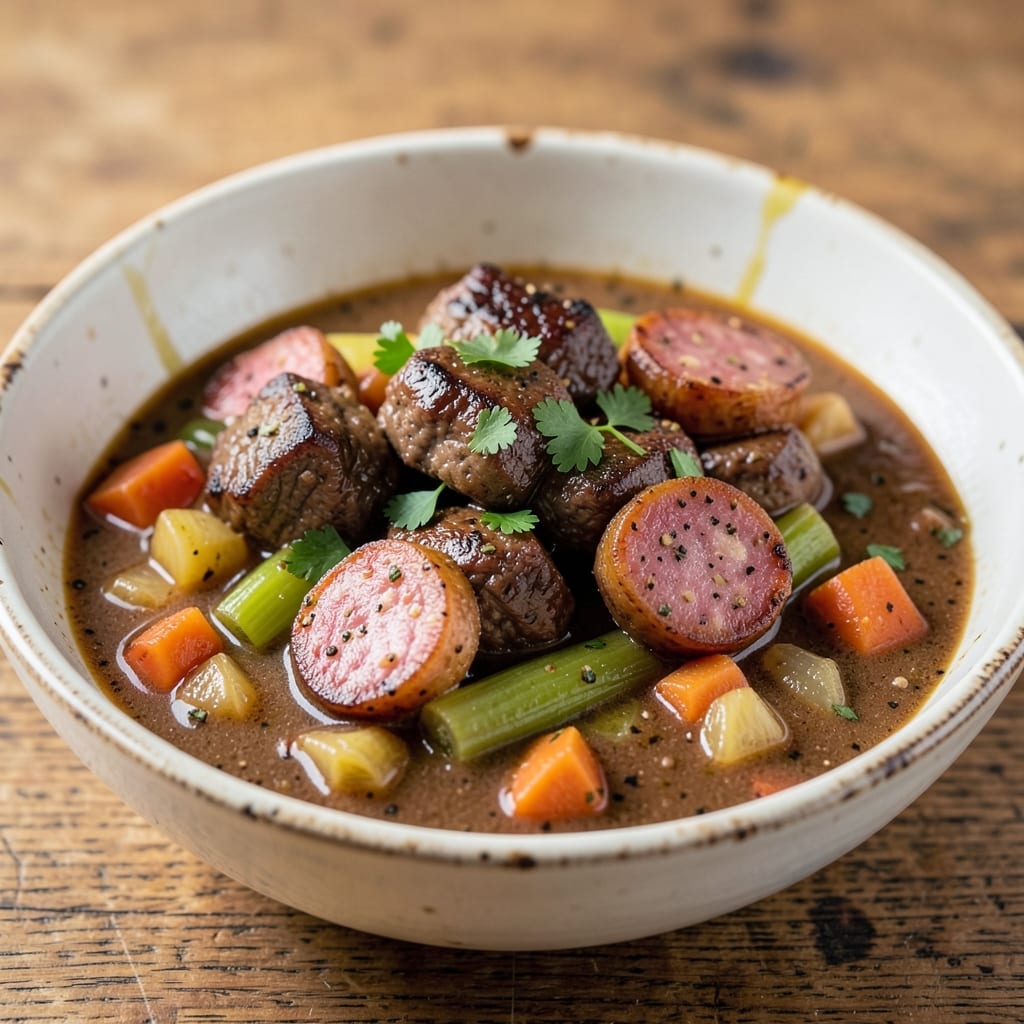
This beef and sausage bolognese recipe delivers restaurant-quality depth in a single pot, where rich umami flavors develop through slow simmering—no fancy techniques required. The combination of ground beef and Italian sausage creates a meaty, savory sauce that clings perfectly to al dente pasta, while aromatic vegetables and herbs build layers of complexity. I’ve perfected this version to balance traditional methods with modern convenience, ensuring tender meat and a sauce that only gets better with time.
The secret lies in proper browning—this step unlocks deep, caramelized flavors that form the foundation of the sauce. After searing the meat, we deglaze with wine to dissolve those flavorful browned bits, then let everything simmer low and slow until the sauce thickens to a velvety consistency. The result is a dish that feels indulgent yet comes together in one pot, making it ideal for weeknight dinners or Sunday suppers when you want to impress.
By the time you serve it, you’ll have a bolognese so rich and flavorful it rivals your favorite Italian restaurant—just without the hefty price tag. The sauce coats every strand of pasta, while the sausage adds a subtle spice that cuts through the richness. Serve with crusty bread on the side or a simple arugula salad to balance the meal. This is comfort food at its finest, elevated by technique without sacrificing simplicity.
What makes this recipe stand out is its versatility—use it for spaghetti, rigatoni, or even stuffed shells, and adjust the seasoning to suit your taste. The one-pot method means less cleanup, and the slow simmer ensures maximum flavor extraction. Whether you're feeding a family or treating yourself to a cozy meal, this bolognese delivers satisfaction in every bite.
Ingredients for beef and sausage bolognese
The secret to restaurant-quality bolognese in your own pot starts with these 15 ingredients.
| Ingredient | Amount | Notes |
|---|---|---|
| Ground Beef 🥩 | 1 ½ lb | 80/20 fat ratio preferred |
| Italian Sausage 🌭 | 1 lb | Sweet or spicy variety |
| Yellow Onion 🧅 | 1 whole | Medium size, diced |
| Carrots 🥕 | 2 medium | Peeled and sliced into rounds |
| Celery Stalks 🧄 | 3 whole | Trimmed and chopped |
| Garlic Cloves 🧄 | 4 cloves | Minced for depth of flavor |
| Red Wine 🍷 | 1 cup | Bold dry variety like Cabernet |
| Canned Crushed Tomatoes 🍅 | 28 oz | High-quality San Marzano preferred |
| Tomato Paste 🍅 | 2 tbsp | Smooth, not chunky |
| Beef Broth 💧 | 2 cups | Low-sodium preferred |
| Fresh Rosemary 🌿 | ¼ cup | Chopped, or 1 tbsp dried |
| Fresh Thyme 🌿 | ¼ cup | Leaves only, or 1 tsp dried |
| Bay Leaves 🍃 | 2 whole | Dried, removed before serving |
| Salt 🧂 | 1 ½ tsp | Diamond Crystal kosher salt |
| Black Pepper 🌶️ | 1 tsp | Freshly ground preferred |
The meat combo is non-negotiable here—80/20 ground beef keeps it juicy while the Italian sausage adds that essential spice. Grab the sweet variety if you want mild heat, or go spicy for a kick. For the beef, Costco or Kroger usually have the best prices on bulk packages. The San Marzano crushed tomatoes make all the difference—skip the store brand. Look for the 28 oz can size at Italian markets or Trader Joe's for the best quality. Fresh herbs? Whole Foods or local farmers markets have the brightest stems.
No red wine? Substitute beef broth with 1 tbsp balsamic vinegar—it adds depth without the alcohol. Fresh rosemary and thyme are ideal, but dried works at one-third the amount if that's what you've got. The tomato paste can be swapped for extra crushed tomatoes if you're in a pinch, though it won't be as concentrated. For the vegetables, baby carrots work fine—just peel and slice them. The celery? Use the stringy kind—it's sweeter and more flavorful than the smooth-stemmed varieties.
This sauce tastes even better the next day—make extra and freeze portions for up to 3 months. Store leftovers in the fridge for 5 days, covered with a splash of broth to keep it moist. The herbs? Freeze any extras in ice cube trays with olive oil for future use. For the meat, brown it well before adding liquids—this step is what builds all that deep umami flavor. And trust me, skip the pre-grated Parmesan if you're serving it—freshly grated from a wedge makes all the difference.
Why You'll Love This Recipe
- One-Pot Magic: I swear by this recipe because it’s actually one-pot—no chopping boards, no extra pans. Just brown the beef and sausage, toss in the onions, carrots, and celery (the "holy trinity" of flavor), and let it simmer. Twenty minutes later, you’ve got a rich, hearty sauce with zero cleanup.
- Flavor Bomb: That Italian sausage—herbs, fennel, and all—adds a depth you won’t find in basic beef bolognese. It’s smoky, savory, and just a little spicy, but the ground beef keeps it grounded. Honestly, my picky-eater husband doesn’t even notice the carrots or celery because the meat and sausage steal the show.
- Leftovers That Save: This recipe makes three meals without trying. The sauce thickens beautifully over time, so reheating it later is just as good as day one. I freeze half for those nights when I’m too tired to cook—just thaw and toss with pasta. (Yes, even on a Tuesday night.)
- Budget-Friendly Powerhouse: Ground beef and Italian sausage stretch further than you’d think, especially with the veggies mellowing out the richness. I buy them in bulk, and this recipe turns a simple protein into something restaurant-worthy. Plus, the carrots and celery last for other meals, so nothing goes to waste.
Step-by-step instructions for beef and sausage bolognese
Here's how to build rich, flavorful Bolognese in one pot—no chopping ahead, no fuss.
Build the Flavor Base with Sautéed Vegetables
Heat a large Dutch oven over medium-high heat and add the 1 whole yellow onion, 2 medium carrots, and 3 whole celery stalks (all chopped from the ingredients list). Cook for 8-10 minutes until the vegetables soften and the onion becomes translucent.
This is your flavor foundation—don't rush it. The vegetables should release their natural sweetness and caramelize slightly at the edges. Stir occasionally to prevent burning. I like to add a pinch of the 1.5 tsp salt at this stage to help draw out moisture and enhance browning.
Brown the Meats for Maximum Depth
Push the vegetables to one side of the pot and add the 1.5 lb ground beef and 1 lb Italian sausage (removed from casings if needed). Break the meat into small pieces with a wooden spoon and spread it evenly in the pan. Cook for 8-10 minutes until the meat loses its raw color and becomes nicely browned.
Here's the thing—browning creates the Maillard reaction, which builds that deep umami flavor. Don't drain the fat; it's what will baste your sauce later. If the pan gets too crowded, work in batches to ensure proper browning. Once the meat is cooked through, use a wooden spoon to break it into small, even pieces and mix it back with the vegetables.
Deglaze and Add Aromatics
Pour in the 1 cup red wine and scrape the bottom of the pot vigorously with a wooden spoon to release all those browned bits stuck to the surface. Let the wine simmer for 3-4 minutes until it reduces by about half. This step is crucial—it dissolves all the flavor you just built.
Add the 4 cloves garlic cloves (minced), 2 tbsp tomato paste, 0.25 cup fresh rosemary, 0.25 cup fresh thyme, and the 2 whole bay leaves. Stir everything together and cook for another 2 minutes until the garlic is fragrant but not browned. The tomato paste will darken slightly—this is normal and adds wonderful depth to the sauce.
Simmer with Tomatoes and Broth
Pour in the 28 oz canned crushed tomatoes and 2 cups beef broth, then add the 1.5 tsp salt and 1 tsp black pepper. Bring the mixture to a gentle simmer, then reduce the heat to low and cover partially. Let it cook for 1.5 hours, stirring occasionally to prevent sticking.
This is where the magic happens—the sauce will thicken and develop complex flavors. I check it every 20 minutes to stir and adjust the heat if needed. If it gets too thick, add a splash of water or broth. The sauce should coat the back of a spoon by the end of cooking time, but still be saucy enough to cling to pasta.
Rest and Serve
Remove the 2 whole bay leaves before serving. Let the Bolognese rest for 15-20 minutes off the heat—this allows the flavors to meld completely and the sauce to thicken slightly. The resting time is often overlooked but makes a big difference in the final texture and flavor.
Serve your Bolognese over freshly cooked pasta, with a sprinkle of fresh parsley if you like. The sauce should be rich, slightly thick, and packed with layers of flavor from the meat, wine, and aromatic herbs. Each bite should deliver that perfect balance of meaty richness and tangy tomato sweetness that makes Bolognese so special.
Pro Tips For Making Beef And Sausage Bolognese
- CRACK THE SAUSAGE FIRST: Remove the casings from the Italian sausage before browning—it’s the only way to avoid a gummy, uneven texture. I used to skip this, thinking it was optional, but those skins turn rubbery and ruin the whole dish. Once uncased, crumble the meat with your fingers for even cooking.
- SWEAT, DON’T CHAR: Onions, carrots, and celery should cook low and slow until they’re soft enough to poke with a fork—about 10 minutes. After burning three batches, I finally realized medium heat is the thing that matters most. If they brown too fast, you’re killing the flavor before it even starts.
- BROWN THE MEAT IN BATCHES: Split the ground beef and sausage into two pans if your skillet is crowded. Overloading steams the meat instead of searing it, and that’s how you end up with a sad, gray bolognese. A hot pan and small batches guarantee that crusty, flavor-packed base.
- STIR IN THE TOMATOES LAST: Hold off on adding the crushed tomatoes or sauce until the meat is fully browned and the veggies are tender. Dumping them in early turns your bolognese into a watery stew. Wait until the meat releases its juices, then stir—your sauce will thicken and deepen in flavor.
Storing and reheating your leftovers
Refrigerator Storage
Let your bolognese cool to room temperature (about 1 hour) before transferring to an airtight container with a lid. I use glass Pyrex containers because they distribute heat evenly when reheating. Store in the fridge at 40°F or below for up to 5 days—the flavors actually deepen as the spices meld further. Always leave ½ inch headspace to prevent spills when the sauce thickens upon cooling. 💫
Freezer Storage
For long-term storage, portion your bolognese into quart-sized freezer bags or glass containers with tight-sealing lids. Label with the date—this sauce stays excellent for 3 months without quality loss. When freezing, leave 1 inch headspace since liquids expand. I recommend using silicone ice cube trays for single-serving portions—perfect for quick meals. Thaw overnight in the fridge before reheating. ❄️
Stovetop Reheating
My preferred method is stovetop reheating because it preserves texture. Transfer the bolognese to a pot and add ¼ cup beef broth or water to prevent sticking. Heat over medium-low heat for 10-15 minutes, stirring occasionally. If it thickens too much, add another splash of liquid. The sauce should reach 165°F internal temperature—use a thermometer to check. Taste and adjust seasoning; reheated bolognese often needs a pinch more salt. 🔥
Microwave Reheating
For quick reheating, transfer a portion to a microwave-safe bowl and cover loosely with a microwave-safe lid or damp paper towel. Heat on 50% power in 2-minute intervals, stirring between each interval, until hot throughout. Avoid overcooking—microwaves can make the sauce watery. If it looks dry, add 1 tablespoon broth at the end. This method works best for single servings. ⚡
Sauce Consistency Tips
If your reheated bolognese seems too thick, thin it with 1-2 tablespoons of warm pasta water or broth. For extra richness, stir in 1 teaspoon butter or 1 tablespoon heavy cream at the end. Never reheat from frozen—thaw completely first to ensure even heating. I always reheat just enough for the meal, keeping the rest refrigerated for freshness. The sauce should coat the back of a spoon but remain saucy enough to cling beautifully to pasta. 💛
Make-Ahead Sauce
This bolognese tastes even better the next day—make a double batch and store half for later! When reheating make-ahead sauce, add 1 extra tablespoon of broth per cup since it tends to thicken during storage. For meal prep, portion into individual containers with cooked pasta and store separately. Reheat the sauce first, then toss with pasta just before serving to maintain texture. This is my go-to strategy for busy weeknights. 📅
Nutrition facts
Frequently asked questions
Can I use ground turkey or chicken instead of beef?
While you can substitute ground turkey or chicken, the flavor and texture will differ significantly. The beef and sausage combination creates that deep, meaty richness that defines traditional Bolognese. If you must use poultry, opt for a high-fat ground turkey (like 85/15) and add an extra 1 tablespoon tomato paste to compensate for the milder flavor. For chicken, expect a lighter sauce—consider adding an extra ½ cup beef broth to maintain consistency.
How do I adjust this for a slow cooker?
Simply brown the meat and sauté the vegetables in a skillet first, then transfer everything to your slow cooker. Add all remaining ingredients and cook on low for 6-8 hours or high for 3-4 hours. The slow cooker method is perfect for hands-off prep, but you may need to add ¼ cup broth if the sauce becomes too thick during cooking. Stir occasionally to prevent sticking.
What's the best pasta shape for this sauce?
Traditional Bolognese pairs beautifully with tagliatelle or fettuccine, but you can't go wrong with pappardelle or rigatoni either. Avoid small shapes like penne or farfalle—they won't hold the sauce as well. For extra flavor, toss the cooked pasta with a splash of the pasta water before adding the sauce. The wider noodles create a more elegant presentation and better sauce-to-pasta ratio.
Why does my Bolognese taste bland?
Bland flavor usually comes from skipping the browning step or not letting the sauce simmer long enough. The Maillard reaction (browning) creates deep umami flavors, so never drain the fat after cooking the meat. Also, taste as you go—add ½ teaspoon salt or 1 tablespoon balsamic vinegar if needed. For extra depth, stir in 1 teaspoon fish sauce (trust me, it works!) or a pinch of smoked paprika before serving.
Can I make this in a pressure cooker?
Yes! Brown the meat and sauté the vegetables first, then add all remaining ingredients to your pressure cooker. Cook on high pressure for 20 minutes after sealing. Quick-release the pressure, then let it sit for 5 minutes before opening. The sauce will be ready in about 30 minutes total, but it may need ¼ cup broth to reach the perfect consistency. This method works great for busy weeknights while preserving all the rich flavors.