
Sauces & Condiments
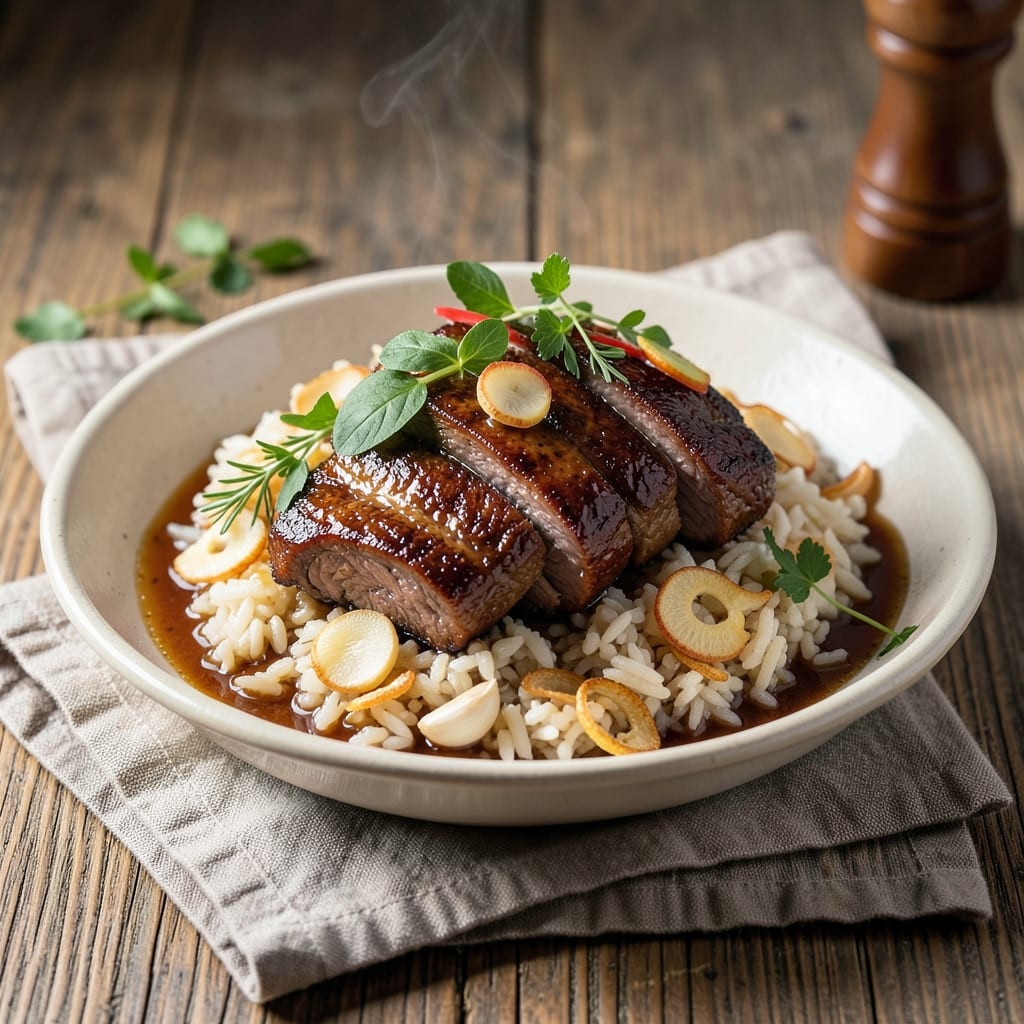
This beef and rice sauce recipe transforms simple pantry staples into a rich, umami-packed sauce that elevates any dish. The secret lies in a slow simmer that develops deep, caramelized flavors—no complicated techniques required. With just a handful of ingredients, you’ll create a versatile sauce that works as a stir-fry glaze, rice bowl topping, or noodle dressing.
What sets this sauce apart is its one-pot simplicity and layers of savory depth from soy sauce, garlic, ginger, and a touch of miso or oyster sauce. The rice absorbs the flavors beautifully, turning into a fragrant, slightly sticky base that clings to every bite. Ready in under 30 minutes, it’s perfect for weeknight cooking or meal prep. The best part? It tastes even better the next day as the flavors meld further.
Ingredients for beef and rice sauce
Ten simple ingredients create a restaurant-worthy sauce that builds rich umami through slow simmering.
| Ingredient | Amount | Notes |
|---|---|---|
| Ground Beef (Chuck Roast) 🥩 | 1 ½ lb | Lean to medium-fat ratio preferred |
| Long-Grain White Rice 🍚 | 1 cup | Uncooked, jasmine or basmati ideal |
| Soy Sauce (Light or All-Purpose) 🥢 | ½ cup | Kikkoman or La Choy preferred |
| Garlic Cloves 🧄 | 6 cloves | Minced, fresh preferred |
| Fresh Ginger 🌿 | 1 tbsp | Grated, or 1 tsp ground ginger |
| White Wine (Optional) 🍷 | ¼ cup | Dry, like Sauvignon Blanc |
| Miso Paste (White or Red) 🍜 | 1 tbsp | Miyoko's or Hodo preferred |
| Oyster Sauce (Optional) 🥢 | 1 tbsp | Lee Kum Kee or similar |
| Beef Broth (Low-Sodium) 💧 | 1 cup | Homemade or high-quality store-bought |
| Sesame Oil (Toasted) 🫒 | 1 tsp | For finishing, not cooking |
The beef is the flavor foundation—chuck roast delivers the most marbling for deep flavor without excessive fat. Costco or Whole Foods carry pre-ground chuck that saves prep time, but if buying whole, trim excess fat after browning. For the rice, jasmine or basmati absorb sauce best due to their long grains. The soy sauce should be light or all-purpose—dark soy adds color but can overpower. Kikkoman is the gold standard, but any well-aged soy works. Garlic and ginger should be freshly minced (not jarred) for bright, vibrant flavor—both are available pre-minced at Trader Joe's if you're short on time.
No wine? Extra beef broth maintains depth—just reduce the broth by half before adding. Miso paste can be swapped for 1 tbsp soy sauce plus 1 tsp sugar if unavailable, though it loses some complexity. The oyster sauce adds umami but isn't mandatory—1 tbsp fish sauce (if vegetarian, use vegan oyster sauce) works as a substitute. For extra richness, stir in 1 tsp brown sugar at the end. The sesame oil is purely for aroma and should be added only at the very end—heating it destroys its delicate flavor. If your sauce needs more body, 1 tbsp cornstarch slurry thickens beautifully.
This sauce peaks after 24 hours of refrigeration as flavors meld, so make extra. Store in an airtight container with a thin layer of oil on top to prevent skin formation. Keeps for 5 days refrigerated or 3 months frozen—portion into ice cube trays for easy thawing. The rice base reheats well; just add a splash of water or broth to prevent drying. For meal prep, pair with steamed rice or noodles and store components separately to maintain texture.
Why You'll Love This Recipe
- One-Pan Magic: I swear by this recipe when I’m too tired to wash extra dishes—just brown the chuck roast, toss in the rice and sauce, and let it simmer. The rice soaks up all that savory garlic-ginger beef broth like a sponge, turning into fluffy, fragrant bites with zero fuss.
- Umami Bomb: That first spoonful of soy sauce and ginger hitting the pan? Instant flavor explosion. The chuck roast stays juicy while the rice absorbs the deep, caramelized sauce, giving every bite a rich, slightly sweet punch that lingers.
- Lunchbox Hero: Between us, this is my go-to for meal prep—I make a big batch on Sundays, and it stays fresh in the fridge for days. The rice keeps its texture, and the beef stays tender, so I’m packing leftovers for work all week without a second thought.
- Budget Win: Ground chuck roast and rice won’t break the bank, but the flavor? It feels like a fancy restaurant dish. Honestly, I’ve served this to guests who thought it was takeout—no one ever guesses how simple it really is.
Step-by-step instructions for beef and rice sauce
This one-pot method delivers rich, umami-forward beef and rice with minimal cleanup.
Brown the Ground Beef Thoroughly
Heat a large, heavy-bottomed pot over medium-high heat until hot. Add the 1.5 lb ground beef (chuck roast) and break it apart with a wooden spoon, distributing it evenly. Cook undisturbed for 3-4 minutes until the meat begins to brown deeply—this develops maximum flavor through the Maillard reaction.
Once browned on the bottom, stir and continue cooking for another 5-6 minutes until the beef loses its raw color and achieves a deep, caramelized crust. The beef should be fully cooked through but still retain moisture. Avoid overcrowding the pot, as this can steam the meat instead of browning it properly. If needed, work in batches to ensure proper browning.
Sauté Aromatics and Build the Sauce Base
Reduce heat to medium and add the 6 cloves minced garlic cloves and 1 tbsp grated fresh ginger to the pot. Sauté for 1-2 minutes until the garlic becomes fragrant and lightly golden—this prevents bitterness. If using, pour in the 0.25 cup white wine and let it simmer for 1 minute to cook off the alcohol, deepening the flavor profile.
Next, stir in the 0.5 cup soy sauce, 1 tbsp miso paste, and 1 tbsp oyster sauce (if using). The miso paste will dissolve into the sauce, adding a deep, savory complexity. Let the mixture simmer for 2 minutes to allow the flavors to meld. This step forms the umami-rich foundation of your sauce.
Add Rice and Broth for Even Cooking
Increase heat to medium-high and add the 1 cup long-grain white rice, stirring to coat the grains evenly in the sauce. Pour in the 1 cup low-sodium beef broth and bring the mixture to a gentle boil. Once boiling, reduce heat to low and cover the pot with a tight-fitting lid.
Simmer for 15-18 minutes without lifting the lid, allowing the rice to absorb the liquid and the beef to tenderize further. The rice should be fully cooked and the sauce should have thickened slightly, clinging to the grains. If the mixture appears too dry before the rice is fully cooked, add 2-3 tablespoons of water to maintain moisture.
Finish with Sesame Oil for Depth
Once the rice is tender and the sauce has thickened to your desired consistency, remove the pot from heat. Stir in the 1 tsp toasted sesame oil—this adds a nutty aroma and balances the rich flavors. Let the dish rest, covered, for 5 minutes to allow the rice to finish steaming and the flavors to meld completely.
Serve immediately, ensuring each bite delivers a harmonious blend of tender beef, perfectly cooked rice, and a deeply flavorful sauce. The one-pot method keeps cleanup minimal while delivering restaurant-quality results. For best texture, fluff the rice gently with a fork before serving.
Pro Tips For Making Beef And Rice Sauce
- CRUSH THE GARLIC: I used to mince garlic for this dish and wondered why it never had that deep, aromatic punch. Now I smash 3-4 cloves with the flat side of my knife first—then finely chop. The cell walls break, releasing more flavor into the pan before the beef even hits it.
- SALT THE BEEF FIRST: Skip seasoning the ground chuck until it’s browned—add 1 teaspoon of kosher salt and let it sit for 10 minutes before cooking. This draws out moisture, so the beef sizzles properly in the pan instead of steaming. (Yes, it’ll look weirdly wet at first—that’s the point.)
- LOW AND SLOW FOR SAUCE: After adding the soy sauce and ginger, drop the heat to medium-low and let the sauce simmer uncovered for 15 minutes. Rushing this step makes the sauce thin and one-dimensional. Patience here turns bland rice into sticky, flavor-packed grains.
- COOK THE RICE SEPARATELY: I learned this the hard way—don’t toss the rice into the beef sauce at the end. Cook it separately in a 1:1.5 rice-to-water ratio until just tender, then fold it into the sauce off the heat. This keeps the grains distinct and prevents a gummy mess. (Your future self will thank you.)
Perfect pairings for this beef and rice sauce
Stir-Fry Glaze
Use this sauce as a quick stir-fry glaze for beef strips or tofu. Thin it with 1-2 tablespoons of water or beef broth to achieve a glossy, drizzling consistency. I love tossing 1 lb flank steak in 1 tbsp cornstarch before stir-frying, then coating it with the sauce. Finish with green onions and a sprinkle of sesame seeds for freshness. 🌟
Rice Bowl Topping
Transform this sauce into a restaurant-style rice bowl by serving it over steamed jasmine rice. Top with grilled beef slices, shredded carrots, and a fried egg for a Korean-inspired bibimbap. The sauce's rich umami complements the egg's yolk beautifully. For extra crunch, add toasted peanuts or crispy fried shallots.
Noodle Dressing
Toss cooked udon or ramen noodles with the sauce for an instant upgrade. I recommend 1 serving of noodles per ½ cup sauce, adjusting thickness with extra broth if needed. Garnish with thinly sliced scallions and a drizzle of chili oil for heat. This works especially well with cold noodles as a refreshing summer dish.
Bowl Base
Use this sauce as the foundation for hearty bowls. Layer it with steamed rice, sautéed vegetables, and a protein like grilled chicken or shrimp. The sauce's stickiness helps everything cling together perfectly. I often add a soft-boiled egg on top for that runny yolk moment. 🍜
Marinade Boost
Double the sauce recipe and use half as a marinade for beef or tofu. Let the protein soak for 30-60 minutes before cooking to infuse maximum flavor. The remaining sauce can be simmered down slightly to create a glaze for grilling or broiling. This works especially well for kebab skewers or beef bulgogi.
Soup Thickener
Stir this sauce into beef or miso soup to add depth and body. I like adding ½ cup sauce per bowl of soup and simmering for 5 minutes to meld flavors. The rice in the sauce thickens the broth naturally, creating a satisfying texture. Add tofu cubes and bok choy for a complete meal. 🥘
Nutrition facts
Frequently asked questions
Can I make this sauce without wine?
Simply replace the 0.25 cup white wine with 0.25 cup extra beef broth or water. Reduce the liquid by half before adding to concentrate flavors. The wine adds depth, but the sauce will still be delicious without it. For extra richness, stir in 1 tsp brown sugar to balance the flavors.
How do I adjust the thickness of the sauce?
If the sauce is too thin, simmer uncovered for 3-5 minutes to reduce it naturally. For a thicker consistency, mix 1 tbsp cornstarch with 2 tbsp water, stir into the sauce, and cook for 1-2 minutes until it thickens. Avoid over-thickening, as the rice absorbs some liquid during cooking.
What’s the best way to store leftovers?
Store in an airtight container with a thin layer of oil on top to prevent drying. Refrigerate for up to 5 days or freeze for 3 months. To reheat, add 1-2 tbsp water or broth and simmer until heated through. The sauce tastes even better the next day as flavors meld!
Can I use ground turkey or chicken instead of beef?
Yes, but the flavor will be milder. For ground turkey, use 1.5 lb lean ground turkey and add 1 tsp smoked paprika for depth. For chicken, increase the soy sauce to 0.6 cup and add 1 tbsp fish sauce to compensate. The rice sauce technique works the same, but the umami profile will differ.
Why does my sauce taste too salty?
This usually happens if using high-sodium broth or too much soy sauce. Balance it by adding 1-2 tbsp water or broth and simmering for 2-3 minutes. For extra flavor without salt, stir in 1 tbsp miso paste or a splash of white wine. Taste as you go—it’s easier to adjust early!