
Soups & Stews
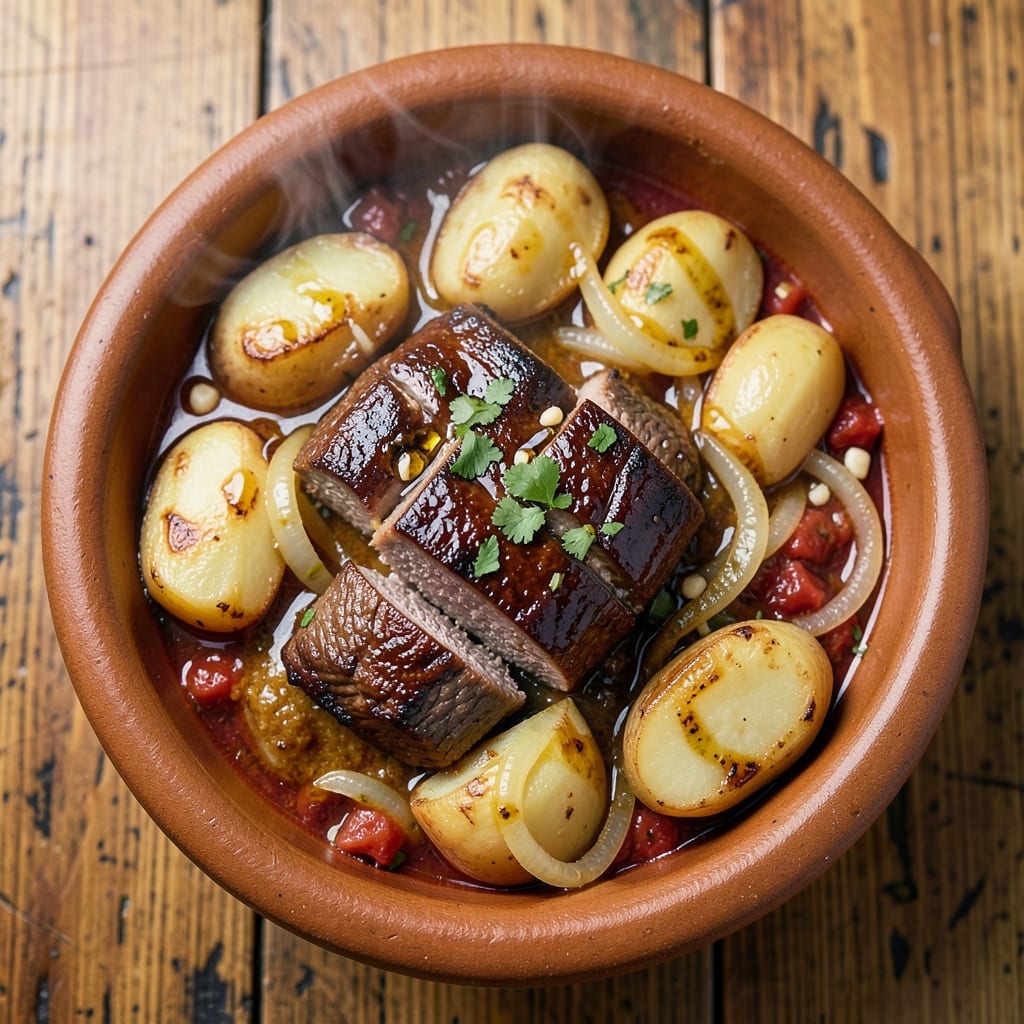
This beef and potato curry recipe delivers restaurant-quality depth in a single pot, where tender beef and hearty potatoes simmer in a fragrant, spice-infused sauce. The secret lies in slow-cooked spices that bloom into complex flavors while transforming tough beef into melt-in-your-mouth bites. I developed this version after years of testing—balancing richness from the beef with the earthy sweetness of potatoes, all while keeping the method straightforward enough for weeknight cooking.
What sets this curry apart is the two-stage spice technique: first toasting whole spices in hot oil to unlock their aromas, then simmering them with tomatoes and onions to build a flavorful base. The potatoes cook directly in the curry, absorbing all those layers of spice while staying firm and satisfying. This isn't just another curry—it's a one-pot wonder that transforms simple ingredients into a meal so flavorful, you'll forget it's weeknight dinner.
The result is a curry with perfectly tender beef that practically falls apart, potatoes cooked to creamy perfection without turning mushy, and a sauce that's rich yet balanced—just enough spice to warm you up without overwhelming. The aroma alone will have everyone gathering at the table, and the first bite delivers on that promise of restaurant-quality comfort food made at home.
Serve it steaming hot over basmati rice or with warm naan to soak up every last drop of that fragrant sauce. The leftovers, if there are any, reheat beautifully the next day—proof that this curry doesn't just impress at dinner, but becomes the centerpiece of your meal prep routine too.
Ingredients for beef and potato curry
Here's what transforms simple pantry staples into restaurant-worthy beef and potato curry.
| Ingredient | Amount | Notes |
|---|---|---|
| Chuck Roast 🥩 | 1 ½ lb | Cut into 1.5-inch cubes |
| Yellow Onions 🧅 | 1 whole | Diced into 1/4-inch pieces |
| Russet Potatoes 🥔 | 2 lb | Cut into 1-inch chunks |
| Garlic Cloves 🧄 | 6 cloves | Minced for depth of flavor |
| Ginger Root 🌿 | 1 ½ tbsp | Freshly grated, no zest |
| Canned Crushed Tomatoes 🍅 | 1 can (14.5 oz) | San Marzano preferred |
| Heavy Cream 🥛 | ½ cup | Full-fat for richness |
| Vegetable Oil 🫒 | ½ cup | For spice toasting |
| Ground Cumin 🌿 | 1 ½ tbsp | Toasted for deeper aroma |
| Ground Coriander 🌶️ | 1 tbsp | Sweet and citrusy |
| Turmeric Powder 🧂 | 1 tsp | Freshly ground preferred |
| Garam Masala 🌶️ | 1 ½ tsp | Store-bought blend works |
| Salt 🧂 | 1 ½ tsp | Diamond Crystal preferred |
| Black Peppercorns 🌶️ | ½ tsp | Freshly cracked |
| Fresh Cilantro 🌿 | ¼ cup | Chopped for garnish |
The chuck roast is non-negotiable here—it's the secret to that melt-in-your-mouth texture. Costco sells it pre-cubed, which saves time, but if you're buying a whole roast, ask the butcher to cut it into 1.5-inch pieces. The potatoes? Russets hold up best—they stay firm while soaking up all those spice flavors. For the ginger, buy a small knob (about 2 inches long) from the Asian market—it's fresher than the pre-grated stuff in jars. And that crushed tomato can? San Marzano makes all the difference—sweeter, less acidic, and just the right consistency.
No garam masala? Mix 1/2 tsp each of cinnamon, cardamom, and cloves—it's a decent stand-in. Running low on cumin? Ground coriander at 1:1 ratio works in a pinch, but the earthy depth is different. Heavy cream too rich? Swap for coconut milk—it adds a subtle sweetness that balances the spices. The cilantro is purely for garnish, so skip it if you're not a fan, but the fresh cilantro from the grocery store's produce section always tastes better than dried.
This curry tastes even better the next day as the flavors meld together. Store leftovers in airtight containers for up to 5 days in the fridge, or freeze portions for 3 months. I double the batch on Sundays so we have curry for lunches all week—just reheat with a splash of water to loosen the sauce. The spices lose potency after opening, so keep them in dark glass jars in a cool, dark place. That way, you're always ready for a quick weeknight dinner.
Why You'll Love This Recipe
- One-Pot Magic: I swear by this recipe for lazy nights—I just toss everything in one pot (chuck roast, onions, potatoes) and let it simmer. No chopping boards to wash, no extra pans to scrub. Honestly, the only prep is peeling those potatoes, and even that’s a breeze with a paring knife.
- Deep, Rich Flavor: That chuck roast turns so tender it falls apart, while the ginger and garlic infuse every bite with warmth. The potatoes soak up the sauce until they’re creamy inside with just a hint of crispiness—like a hug in a bowl. (Yes, even on a Tuesday night.)
- Meal Prep MVP: This curry tastes better the next day, making it my go-to for lunches. I’ll make a double batch on Sunday, and by Wednesday, it’s still the star of my packed lunch. The leftovers reheat beautifully, so no sad, dry curry here.
- Budget-Friendly Feast: Chuck roast is cheap, potatoes are cheap, and this recipe stretches for a crowd. I’ve fed six people for under $15, and everyone leaves happy. Between us, it’s the kind of dish that makes grocery shopping feel like a win.
Step-by-step instructions for beef and potato curry
Here's how to build a rich, aromatic curry where tender beef and hearty potatoes meld perfectly in one pot.
Sear the Chuck Roast for Deep Flavor
Heat the 0.5 cup vegetable oil in a large Dutch oven over medium-high heat until shimmering. Pat the 1.5 lb chuck roast dry with paper towels and cut it into 1.5-inch cubes—this size ensures even cooking. Working in batches if needed, sear the beef for 3-4 minutes per side until deeply browned and caramelized.
This step is non-negotiable for flavor. The Maillard reaction creates those rich, meaty notes that form the base of your curry. Don't overcrowd the pan or you'll steam the beef instead of searing it. Transfer the browned beef to a plate and set aside.
Build the Spice Base
In the same Dutch oven, reduce heat to medium and add the diced yellow onions. Cook for 5-6 minutes until softened and golden, stirring occasionally. Add the minced garlic cloves and freshly grated ginger root, cooking for another 1-2 minutes until fragrant—this should take just 30 seconds or the garlic will burn.
Now add the ground cumin, ground coriander, turmeric powder, and garam masala. Toast the spices for 30 seconds while stirring constantly—you'll smell that earthy, warm aroma developing. This step unlocks the full complexity of your curry.
Simmer the Curry with Potatoes
Pour in the 1 can crushed tomatoes and 1.5 teaspoons salt, stirring to deglaze the pan and scrape up any browned bits. Return the beef to the pot, add 2 lb russet potatoes cut into 1-inch chunks, and pour in 2 cups water. Bring to a boil, then reduce heat to low and cover partially. Simmer for 45-50 minutes until the potatoes are fork-tender and the beef is easily shreddable with a fork.
Here's the thing—you want the potatoes to absorb the rich flavors while staying firm enough to hold their shape. If the liquid reduces too much before the potatoes are done, add ¼ cup water at a time to maintain a sauce consistency.
Finish with Cream and Garnish
Once the potatoes are tender, stir in the 0.5 cup heavy cream and 0.5 teaspoon cracked black peppercorns. Simmer uncovered for 5-7 minutes until the sauce thickens slightly and coats the back of a spoon. Taste and adjust seasoning—you might need a pinch more salt depending on your tomatoes.
Remove from heat and let it sit for 5 minutes to allow the flavors to meld. Garnish with 0.25 cup chopped fresh cilantro just before serving. The cream adds a luxurious finish while the cilantro brightens the rich, spiced flavors. Serve immediately with basmati rice or naan bread.
Pro Tips For Making Beef And Potato Curry
- Sear the Chuck Roast Hard: I learned this the hard way—rushing the sear means bland beef later. Get that chuck roast deep brown in a hot pan with oil before adding onions; 3-4 minutes per side, no peeking. The crust locks in flavor during the long simmer.
- Cut Potatoes Evenly: Uneven potatoes mean some turn to mush while others stay rock-hard. Slice Russets into ½-inch chunks, then soak in cold water for 10 minutes to remove excess starch—drain well before cooking. Trust me, your curry will thank you.
- Don’t Overcrowd the Potatoes: I used to dump all the potatoes in at once, and they’d steam instead of caramelize. Cook them in batches if needed, letting them sizzle for 2-3 minutes before adding more. Golden edges = flavor, not soggy sides.
- Use Fresh Ginger, Not Powder: Ground ginger is convenient, but fresh ginger root makes a real difference in this curry. Peel and finely grate a 1-inch knob—its sharp bite cuts through the richness of the chuck. (Yes, even if you’re impatient like me.)
Storing and reheating your beef and potato curry
Refrigerator Storage
Let your curry cool completely before transferring to airtight containers—I use glass Pyrex with snap-on lids to preserve flavors. Store at 40°F or below for up to 5 days, though I find the taste actually improves after 24 hours as spices meld together. The potatoes stay firm and the beef becomes even more tender. 🥔
When reheating from the fridge, add ¼ cup water to the curry before heating to prevent drying out. The sauce will thicken beautifully as it warms up, maintaining that restaurant-quality texture. I always double-check the internal temperature reaches 165°F for safety.
Freezer Prep Tips
For longer storage, portion curry into quart-sized freezer bags—leave 1 inch headspace for expansion. Freeze flat for 3 months maximum. I like using vacuum-sealed bags to prevent freezer burn, especially if storing beyond 2 months. Label with dates to track freshness.
Thaw overnight in the fridge before reheating. Never microwave directly from frozen—this creates uneven heating and can make the potatoes mushy. Instead, transfer frozen portions to the fridge 12 hours before reheating for best results.
Reheating Methods
My preferred method is stovetop: heat curry over medium-low heat for 10-15 minutes, stirring occasionally. The slow heat preserves the potatoes' texture while gently warming the sauce. Add 2-3 tablespoons water if it looks too thick after reheating.
For microwave reheating, use 50% power in 2-minute intervals, stirring between each. Cover with a damp paper towel to retain moisture. The cream may separate slightly—just stir vigorously to re-emulsify. Avoid high power settings to prevent overheating the spices.
Flavor Preservation
Spices lose potency over time, so I recommend adding ½ teaspoon fresh garam masala when reheating. The toasted spices in the original recipe will still provide warmth, but this extra boost brings back that fresh-from-the-pot aroma. A squeeze of lemon juice also brightens flavors after storage.
If reheating leftovers seems tedious, consider making smaller batches—this curry reheats beautifully even after 3 days in the fridge. The key is patience: let it warm through completely before serving to restore that comforting, spiced richness. 🌶️
Nutrition facts
Frequently asked questions
Can I use ground beef instead of chuck roast?
You can, but the texture will be different. Ground beef cooks much faster and won't develop the same rich, melt-in-your-mouth quality. If you must use it, brown it well first and simmer for only 20-25 minutes after adding potatoes to avoid drying out. For best results, stick with chuck roast—it's worth the extra effort!
How do I make this curry less spicy?
Reduce the garam masala to 1 teaspoon and omit the black peppercorns. For extra mildness, add ½ cup coconut milk at the end instead of heavy cream. Taste as you go—you can always adjust with more cream or a pinch of sugar to balance the heat.
What's the best way to thicken the sauce?
Simmer uncovered for 5-10 extra minutes to reduce naturally. If it's still too thin, mix 1 tablespoon cornstarch with 2 tablespoons water, stir into the curry, and cook for 2 minutes until thickened. Avoid adding flour directly—it can make the sauce grainy.
Can I substitute sweet potatoes for russets?
Yes, but they'll cook faster and become slightly softer. Cut them ½-inch thicker and add them to the pot 10 minutes earlier than the russets. Sweet potatoes also add natural sweetness that pairs beautifully with the spices—just reduce the garam masala by ¼ teaspoon to balance flavors.
Why did my potatoes turn mushy?
Overcooking is the most common cause. Potatoes should simmer for 45-50 minutes—no longer! They'll continue cooking slightly after removing from heat. Also, avoid stirring them too much while simmering. If they're still firm after the allotted time, they're ready—just check with a fork.