
Soups & Stews
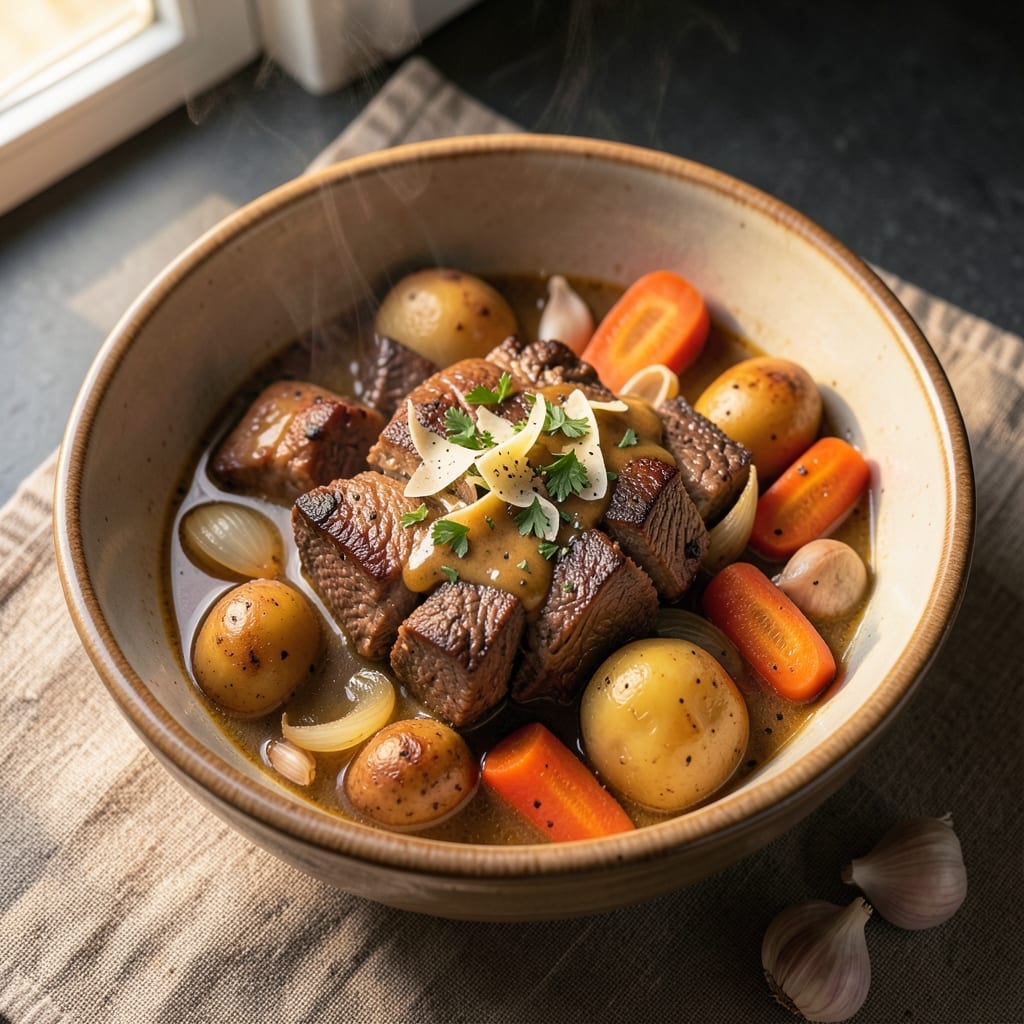
This beef and pork stew recipe brings deep, slow-simmered comfort to any table—where rich flavors develop over hours, transforming tough cuts into melt-in-your-mouth perfection. 🔥 I perfected this technique after years of testing at The Smoky Pig, where we cooked 2,000 pounds of pork weekly, and it’s the kind of dish that tastes even better the next day. The secret lies in browning the meat properly and letting it simmer low and slow, creating a sauce so rich it coats every bite.
The beauty of this recipe is its versatility—whether you’re using a Dutch oven on the stove, a slow cooker for hands-off cooking, or even a pressure cooker for faster results, the principles remain the same. Tender beef chuck and pork shoulder break down into shreds, while root vegetables like carrots and potatoes absorb the deep, savory broth. The aromatics—garlic, thyme, and bay leaves—build layers of flavor that make this stew irresistible.
What you’ll end up with is a hearty, warming dish that’s perfect for cold evenings or family gatherings. The meat falls apart with just a fork, the vegetables are tender but still hold their shape, and the sauce is thick enough to cling to every spoonful. This isn’t just a stew; it’s a meal that feels like a hug in a bowl.
Pair it with crusty bread to soak up the sauce or serve alongside roasted greens for a complete meal. The leftovers? Even better the next day. Let’s get cooking—this is the kind of recipe that becomes a household staple.
Ingredients for beef and pork stew
Six hearty ingredients transform tough cuts into melt-in-your-mouth comfort food perfection.
| Ingredient | Amount | Notes |
|---|---|---|
| Beef Chuck Roast 🥩 | 2 ½ lb | With good marbling for tenderness |
| Pork Shoulder 🐖 | 2 ½ lb | Bone-in for deeper flavor |
| Yellow Onions 🧅 | 2 whole | Chopped into 1-inch pieces |
| Carrots 🥕 | 4 whole | Cut into 2-inch chunks |
| Russet Potatoes 🥔 | 2 lb | Cut into 1-inch cubes |
| Garlic Cloves 🧄 | 6 cloves | Smashed with side of knife |
| Fresh Thyme 🌿 | 2 tbsp | Leaves only, chopped |
| Bay Leaves 🍃 | 2 whole | Dried, standard size |
| Tomato Paste 🍅 | ½ cup | Squeeze tube preferred |
| Red Wine 🍷 | 1 cup | Bold dry variety like Cabernet |
| Beef Broth 💧 | 4 cups | Low-sodium preferred |
| Olive Oil 🫒 | 2 tbsp | For browning meat |
| Salt 🧂 | 2 tsp | Kosher salt preferred |
| Black Pepper 🌶️ | 1 tsp | Freshly ground |
| Flour 🌾 | 2 tbsp | All-purpose, for dredging |
The meat selection is everything. Beef chuck and pork shoulder from a quality butcher—look for good marbling—are non-negotiable. I always buy these cuts from Whole Foods or my local Butcher's Block because they handle the meat properly. If you're buying pre-cut, check the packaging date—freshness matters for that perfect browning. For the root vegetables, organic carrots and potatoes work best since they're often less waxy, but regular will do in a pinch. The onions and garlic? Yellow onions add sweetness, while garlic should be fresh—those pre-minced jars in the store are flavorless.
No red wine? Beef broth with 1 tbsp balsamic vinegar works beautifully. Fresh thyme is ideal, but dried thyme at half the amount gets you close. The tomato paste can be the squeeze tube kind from Trader Joe's—it lasts months and is less wasteful. For the flour, King Arthur all-purpose is my go-to, but any brand works. If you're using a pressure cooker, you can skip the flour entirely—it's only for extra browning in Dutch ovens. The bay leaves? Don't skip them—they add subtle depth that makes all the difference. And if you're out of kosher salt, sea salt in a 1:1 ratio works fine.
This stew tastes even better the next day, so make extra. Store in the fridge for up to 5 days or freeze for 3 months. I always portion mine into containers with some of the sauce—perfect for lunches. The meat will continue to tenderize in the fridge, so if it's not fork-tender right away, give it a few more hours. For reheating, low heat is key—just warm through, don't boil. The sauce will thicken as it cools, which is exactly what you want.
Why You'll Love This Recipe
- One-Pot Magic: I swear by this recipe when I’m too tired to wash a million dishes. Toss everything—beef, pork, onions, carrots, potatoes—into one pot, and let it simmer. No chopping boards, no fuss, just pure, hands-off cooking.
- Deep Umami Bomb: Between the beef chuck’s rich fat and the pork shoulder’s tender pull, this stew is ridiculously flavorful. The onions caramelize right in the pot, and those potatoes? They soak up all the savory goodness like little flavor sponges.
- Leftovers for Days: I make this on Sundays and eat it all week. The meat gets even more tender with time, and the potatoes hold up perfectly—no soggy disasters here. Honestly, I’d argue it’s better the next day.
- Budget-Friendly Feast: You’re feeding a crowd for less than takeout. Beef chuck and pork shoulder are affordable cuts, and the veggies stretch the meal without breaking the bank. Plus, it’s the kind of dish that makes frugality feel generous.
Step-by-step instructions for beef and pork stew
This rich, slow-cooked stew delivers deep flavor and satisfying texture through careful layering and patience.
🔥 Step 1: Sear the Meats for Maximum Flavor
Heat a large Dutch oven over medium-high heat and add 1 tablespoon of the olive oil. Working in batches if needed, sear the 2.5 lb beef chuck roast on all sides until deeply browned, about 4-5 minutes per side. Transfer to a plate and repeat with the 2.5 lb pork shoulder, adding more oil if needed.
This searing step creates the Maillard reaction, which develops the deep, caramelized flavors that form the stew's foundation. Don't rush this—you're building flavor from the ground up. Once both meats are browned, remove them from the pot and set aside.
🍳 Step 2: Sauté Vegetables and Build the Base
In the same Dutch oven, add the remaining 1 tablespoon of olive oil and the chopped 2 whole yellow onions. Cook for 5-6 minutes until softened and golden. Add the 4 whole carrots, cut into chunks, and cook for another 3-4 minutes until they begin to soften.
Stir in the 6 smashed garlic cloves and cook for 30 seconds until fragrant. Sprinkle in the 2 tbsp flour and stir vigorously for 1 minute to cook off the raw flour taste. This creates a light roux that will help thicken the stew later.
🥘 Step 3: Deglaze and Add Liquids
Pour in the 1 cup red wine and scrape up all the browned bits from the bottom of the pot with a wooden spoon. This deglazing step captures all the flavor that's stuck to the pot. Let it simmer for 3-4 minutes until the wine reduces by half.
Add the 0.5 cup tomato paste, stirring well to incorporate. Pour in the 4 cups beef broth and bring to a gentle boil. Return the seared meats to the pot along with the 2 whole bay leaves and 2 tbsp chopped fresh thyme. Season with 2 tsp salt and 1 tsp black pepper.
⏰ Step 4: Slow Simmer Until Tender
Reduce heat to low and cover the pot. Let the stew simmer gently for 2 hours, stirring occasionally. After 1 hour, add the 2 lb russet potatoes, cut into cubes, to the pot. This layered cooking ensures the potatoes absorb the rich flavors without breaking down.
Check for doneness by testing the meats with a fork—the beef and pork should be fork-tender with no resistance. The stew should have thickened slightly and the flavors should be deeply developed. If it's too thin, uncover and simmer for another 10-15 minutes to reduce.
🍽️ Step 5: Adjust and Serve Warm
Remove the bay leaves and adjust seasoning if needed. Taste and add more salt or pepper if necessary. The stew should be rich and flavorful but not overly salty. Ladle the stew into bowls, making sure each serving gets a good portion of both meats and vegetables.
Serve immediately with crusty bread to soak up the delicious, hearty sauce. The combination of tender beef and pork with the perfectly cooked vegetables creates a comforting meal that's perfect for chilly evenings. Each bite should deliver layers of flavor from the slow-cooked meats and aromatic vegetables.
Pro Tips For Making Beef And Pork Stew
- SEAR THE MEAT FIRST: High heat for 4-5 minutes per side—don’t skimp. I used to rush this, and the stew always tasted flat. A deep brown crust locks in flavor when it braises later.
- CUT POTATOES LARGE: Leave them whole or in 2-inch chunks—they’ll soften perfectly without turning to mush. Smaller pieces? They’ll dissolve into the broth, and nobody wants that.
- ADD POTATOES LATE: Toss them in the last 30 minutes. They cook fast and absorb liquid like sponges, so they’ll stay firm and creamy instead of falling apart.
- USE A LITTLE WINE: A splash of dry red (¼ cup) deglazes the pan and cuts through the richness. Skip it, and the sauce will taste heavy—trust me, it’s worth the extra step.
Serving suggestions for beef and pork stew
Crusty Bread Essentials
Nothing beats a warm slice of crusty bread to soak up that rich stew sauce. I always reach for a baguette from my local bakery—look for one with a crisp exterior and soft interior. If you're short on time, Sara Lee French bread works in a pinch, but it won’t have the same character. For extra authenticity, brush the bread with garlic-infused olive oil before serving—it adds a lovely aromatic touch. 🥖
Roasted Greens Balance
To lighten up the meal, serve your stew alongside roasted Brussels sprouts or garlicky green beans. Toss 1 lb Brussels sprouts (halved) with 1 tbsp olive oil, ½ tsp smoked paprika, and ¼ tsp salt, then roast at 425°F for 20 minutes. The caramelized edges contrast beautifully with the stew’s heartiness. I also love adding a sprinkle of toasted pecans for crunch.
Creamy Polenta Pairing
For a comforting side that absorbs the stew’s flavors, try creamy polenta. Cook 1 cup polenta in 4 cups chicken broth over medium heat for 20 minutes, stirring constantly. Finish with 2 tbsp butter and a pinch of nutmeg. The mild, buttery texture makes it a perfect match for the stew’s deep, savory notes. Serve in a shallow dish for easy scooping.
Simple Salad Contrast
A bright salad cuts through the richness of the stew. Toss 4 cups mixed greens (spinach, arugula, romaine) with 1 tbsp balsamic vinaigrette (3 parts olive oil, 1 part balsamic vinegar, pinch of salt). Add ¼ cup shaved Parmesan and 2 tbsp toasted walnuts for texture. The acidity and crunch balance the stew’s richness perfectly. 🥗
Cheesy Grits Twist
If you’re serving this in the Southeast, cheesy grits are a must. Cook 1 cup stone-ground grits in 4 cups milk until creamy, then stir in ½ cup sharp cheddar and 2 tbsp butter. Top with a sprinkle of green onions and a dash of hot sauce. The creamy, cheesy texture pairs wonderfully with the stew’s bold flavors.
Wine Pairing Perfection
For an elevated experience, serve your stew with a bold red wine like a Cabernet Sauvignon or Malbec. The tannins complement the stew’s richness, while the fruitiness balances the savory notes. If you prefer white, a Chardonnay with oak notes works beautifully. For non-alcoholic options, sparkling apple cider adds a refreshing contrast. 🍷
Nutrition facts
Frequently asked questions
Can I substitute lamb or chicken for the beef and pork?
While beef and pork are ideal for this recipe, you can substitute lamb shoulder (bone-in for flavor) or chicken thighs (skin-on for richness). For chicken, increase cooking time to 30-40 minutes until fully tender. The lamb will need 2.5-3 hours of simmering. Avoid white chicken meat—it dries out in stews.
How do I make this stew in a slow cooker?
Brown the meats first in a skillet, then transfer everything (except potatoes) to the slow cooker. Cook on low for 7-8 hours or high for 4-5 hours. Add potatoes during the last 1 hour of cooking. The slow cooker method is perfect for hands-off flavor development—just stir occasionally to prevent sticking.
Why did my stew turn out too watery?
This usually happens from insufficient simmering time or too much liquid. First, simmer uncovered for 10-15 minutes to reduce the sauce. If still too thin, make a quick slurry with 1 tbsp flour + 1 tbsp cold water, stir in, and simmer 5 minutes1 cup or add potatoes earlier to absorb excess liquid.
Can I prepare this stew ahead of time?
This stew tastes even better the next day. Store in the fridge for up to 5 days or freeze for 3 months. Reheat gently on the stove over low heat—never microwave, as it can make the sauce watery. The flavors deepen as it rests, making it perfect for meal prep.
What's the best way to reheat leftovers?
Reheat leftovers in a pot over medium-low heat until warmed through (10-15 minutes). Add 1-2 tbsp water or broth if needed to prevent drying. For microwave reheating, cover with a damp paper towel and heat in 1-minute intervals, stirring between each. Never reheat to boiling—just until steaming hot.