
Soups & Stews
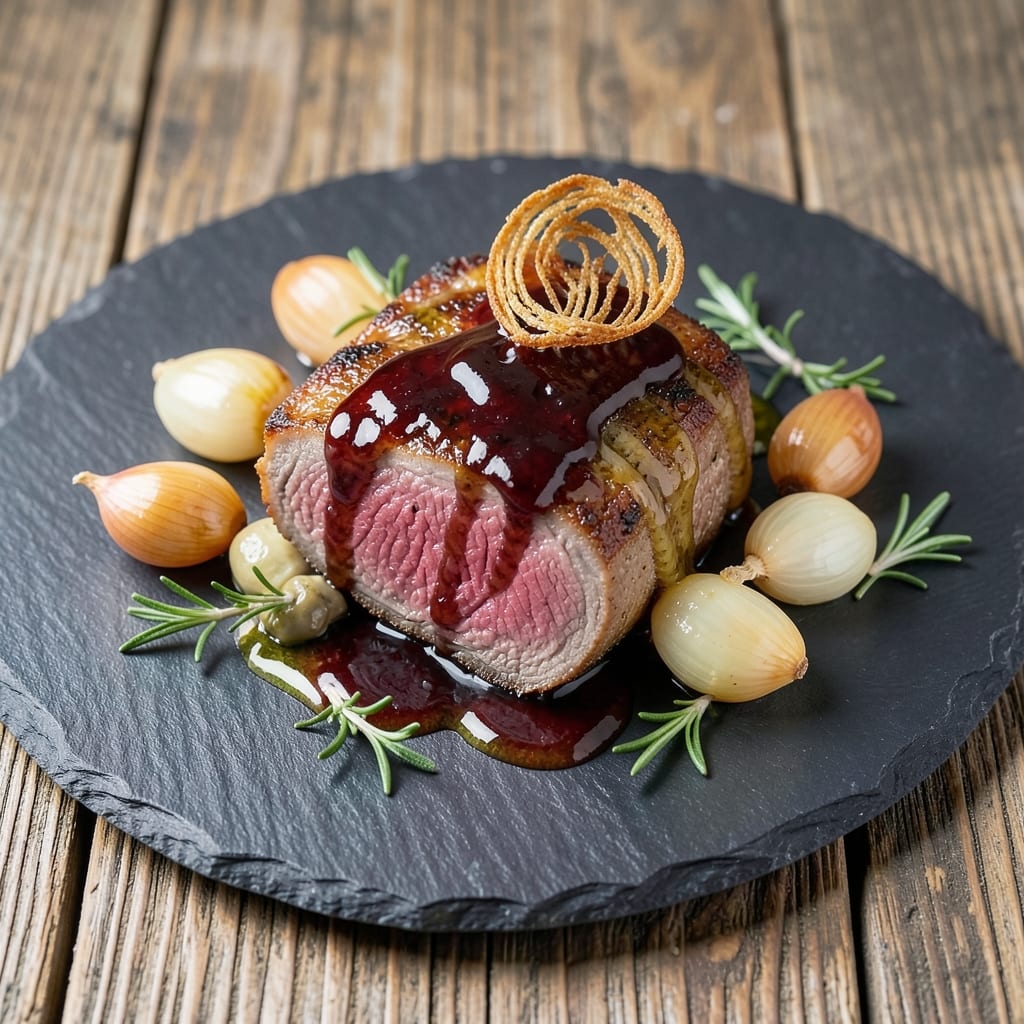
This beef and balsamic vinegar recipe transforms simple cuts into tender, caramelized perfection with just 15 minutes of active prep. The secret lies in marinating beef slices overnight, allowing the balsamic vinegar to tenderize while building complex, tangy-sweet flavors that elevate every bite. I developed this technique after years of testing how to maximize beef's natural richness without overpowering it—balsamic vinegar does the heavy lifting here, balancing sweetness and acidity in a way store-bought sauces never can.
The process is straightforward yet transformative: sear the beef until golden, then reduce the pan drippings with balsamic vinegar, garlic, and a touch of honey until thick and glossy. This caramelized reduction clings to the beef like a second skin, creating restaurant-quality depth with minimal effort. What makes this recipe stand out is how the balsamic vinegar's acidity cuts through the beef's richness, leaving a clean, vibrant finish that pairs beautifully with roasted vegetables or creamy mashed potatoes.
By the time you plate this dish, you'll have perfectly tender beef with glossy, caramelized edges and a sauce so balanced it tastes like it simmered for hours. The balsamic vinegar's tangy notes shine through without overpowering, while the beef remains juicy and flavorful. This is the kind of weeknight dinner that feels special—no fancy techniques required, just simple ingredients and a little patience.
Serve alongside roasted root vegetables or a crisp green salad to round out the meal. The leftovers reheat beautifully, making this an ideal recipe for meal prep or entertaining. Here's how to make it—your taste buds will thank you.
Ingredients for beef and balsamic vinegar
Simple ingredients transform into restaurant-quality beef with deep caramelized balsamic richness.
| Ingredient | Amount | Notes |
|---|---|---|
| Beef Tenderloin Slices 🥩 | 1 ½ lb | Thinly sliced, 1/4-inch thick |
| Balsamic Vinegar 🍷 | ½ cup | Aged, high-quality preferred |
| Extra-Virgin Olive Oil 🫒 | 2 tbsp | For searing and marinade |
| Honey 🍯 | 1 tbsp | Pure, preferably local |
| Garlic Cloves 🧄 | 4 cloves | Minced, fresh preferred |
| Shallots 🧅 | 2 whole | Thinly sliced, or sub onion |
| Diamond Crystal Kosher Salt 🧂 | 1 ½ tsp | For seasoning and marinade |
| Freshly Ground Black Pepper 🌶️ | 1 tsp | Cracked peppercorns preferred |
| Fresh Thyme Leaves 🌿 | ¼ cup | Chopped, or sub dried thyme |
| Unsalted Butter 🧈 | 1 tbsp | For finishing, cold preferred |
| Red Wine 🍷 | ¼ cup | Dry, bold variety optional |
| Fresh Rosemary 🌿 | 2 sprigs | For garnish, or sub parsley |
The beef cut matters—tenderloin delivers the most tender results, but top sirloin works in a pinch. Thinly slice against the grain for maximum tenderness. For sourcing, Whole Foods or high-end grocery stores carry pre-sliced tenderloin, but if you're cutting your own, look for well-marbled sections for extra juiciness. The balsamic vinegar should be aged at least 12 years—Giovanni Rossi or Baldassarre are reliable brands that elevate the dish. Fresh thyme and rosemary should be vibrant green with no wilting, indicating peak flavor.
No aged balsamic? Regular balsamic vinegar plus 1 tsp maple syrup mimics the depth. Swap shallots for red onion if unavailable, but the sweetness balances better. The red wine is optional but adds complexity—Cabernet Sauvignon works best. For honey, local varieties provide unique floral notes, but any pure honey suffices. If you're avoiding alcohol, omit the wine and increase balsamic by 1 tbsp. The butter should be cold when added at the end to create a glossy finish—don't let it melt prematurely. For extra richness, use European-style butter with higher fat content.
Marinate the beef for at least 4 hours (overnight ideal) to maximize tenderness. Store raw beef in the coldest part of your fridge, wrapped in parchment paper. The marinade keeps for 3 days in an airtight container. Once cooked, reheat gently in a skillet with a splash of beef broth to maintain moisture. The caramelized sauce thickens as it cools—stir before serving. Portion leftovers into glass containers for easy reheating, as they reheat best when covered. Garnish with fresh rosemary just before serving to preserve its aroma.
Why You'll Love This Recipe
- Pan-Fry Perfection: I swear by this recipe when I’m craving something rich but don’t want to slave over it. Sear those tenderloin slices in olive oil until they’re golden—that’s the magic—and the balsamic glaze ties everything together in minutes. No fancy techniques, just pure satisfaction.
- Sweet-Savory Magic: The honey and balsamic combo on beef? It’s like a grown-up dessert. The deep, caramelized reduction cuts through the richness, and the garlic adds a punch that makes every bite feel special. Honestly, I’ve made this for date nights and it’s always been a hit.
- Weeknight or Weekend: This dish works everywhere. Toss it over crusty bread for a quick lunch, serve it alongside roasted potatoes for a hearty dinner, or even pack it for work—it reheats beautifully. (Yes, even on a Tuesday night.)
- Leftovers That Don’t Suck: Unlike some recipes, this beef stays tender and flavorful for days. I’ll make a big batch, slice it up, and use it in salads, wraps, or even pasta the next day. No sad, dry meat here—just reliable, delicious leftovers that save me time and money.
Step-by-step instructions for caramelized beef with balsamic glaze
This method delivers perfectly seared beef with a rich, balanced balsamic reduction that enhances rather than overpowers.
Prepare the Beef and Aromatics
Pat the 1.5 lb beef tenderloin slices thoroughly dry with paper towels—this is crucial for achieving that signature crust. Season both sides generously with 1.5 tsp diamond crystal kosher salt and 1 tsp freshly ground black pepper, pressing the seasoning into the meat so it adheres evenly. Let the slices sit at room temperature for 15 minutes while you prepare the aromatics.
In a small bowl, combine the 2 whole shallots (thinly sliced), 4 cloves garlic (minced), and 0.25 cup fresh thyme leaves (chopped). This aromatic blend will infuse the searing oil with layers of flavor. Keep this mixture separate until needed—it's best added at the very end to preserve its freshness.
Sear the Beef to Perfect Doneness
Heat 2 tbsp extra-virgin olive oil in a large skillet over medium-high heat until shimmering but not smoking. Working in batches if needed (to avoid overcrowding), add the seasoned beef slices and let them sear undisturbed for 2-3 minutes per side until they develop a deep golden-brown crust. You'll know they're ready when they release easily from the pan—this indicates proper doneness for medium-rare.
Transfer the seared beef to a warm plate and tent loosely with foil to keep warm. The residual heat will carry them to perfect doneness while you prepare the sauce. Don't skip this resting step—it's what transforms good beef into exceptional beef.
Build the Balsamic Reduction
Reduce the heat to medium and add 1 tbsp honey to the same skillet, letting it caramelize slightly for 30 seconds until it turns a beautiful amber color. Immediately pour in the 0.25 cup red wine, scraping up any browned bits from the bottom of the pan—these contain concentrated beef flavor that would otherwise be lost.
Allow the wine to reduce by half (about 2 minutes), then add the 0.5 cup balsamic vinegar. The mixture will bubble vigorously at first, then settle into a gentle simmer. Let it reduce by two-thirds (about 5-7 minutes total) until it coats the back of a spoon and has thickened into a glossy syrup. This reduction should be syrupy but not dry—it should cling beautifully to the beef.
Finish with Butter and Aromatics
Remove the skillet from heat and stir in the 1 tbsp unsalted butter, allowing it to melt completely. Add the reserved shallot-garlic-thyme mixture and the seared beef slices, tossing gently to coat everything in the balsamic reduction. The butter will add richness while the aromatics release their final burst of flavor.
For the final touch, garnish each serving with the 2 sprigs fresh rosemary (torn into small pieces). The rosemary's piney aroma will complement the sweet-tangy balsamic notes perfectly. Serve immediately over mashed potatoes, polenta, or crusty bread to soak up every last drop of that luxurious glaze.
Pro Tips For Making Beef And Balsamic Vinegar
- Sear the Beef First: Get that pan screaming hot—like, blue-flame hot—before adding the beef tenderloin slices. I used to rush this, and the result was sad, gray meat instead of a caramelized crust that holds up to the balsamic glaze. Two minutes per side max, then pull it out—don’t crowd the pan or the temperature will drop.
- Reduce the Vinegar Slow: Don’t just dump balsamic vinegar and walk away. Simmer it low and slow—10 minutes at least—until it’s syrupy and coats the back of a spoon. I learned this the hard way when I skimped, and the sauce ended up thin and clingy instead of rich and glossy. Add honey after reducing, not before.
- Slice Against the Grain: Thinly slice the beef tenderloin against the grain before cooking—this makes every bite melt in your mouth. I used to ignore this, and the texture was tougher than it needed to be. A sharp knife and steady hand work better than rushing; no need for a meat mallet unless the cut is particularly stubborn.
- Toast the Garlic Whole: Peel and smash the garlic cloves flat with the side of your knife—don’t chop them. Sear them in the same pan as the beef until golden and fragrant, then crush them lightly with the flat of your knife. This adds depth without burning, and the flavor sticks to the beef like glue. Skip this, and your dish tastes flat.
Best sauces and condiments for this beef and balsamic vinegar
Classic Balsamic Reduction
The star of this dish is the balsamic reduction, where 0.5 cup aged balsamic vinegar transforms into a glossy, syrupy glaze. Start by reducing 1 tbsp honey in the same skillet used for searing until it caramelizes slightly (30 seconds). Add 0.25 cup red wine to deglaze, scraping up those precious browned bits that pack serious flavor. Let the wine reduce by half before adding the balsamic—this creates a layered complexity. Simmer until reduced by two-thirds (5-7 minutes total) for a sauce that clings beautifully to the beef. 🍷
Creamy Garlic-Herb Sauce
For a richer alternative, blend 0.25 cup crème fraîche with 1 tbsp minced garlic, 1 tbsp chopped fresh thyme, and 1 tbsp balsamic vinegar until smooth. Drizzle this over the seared beef and finish with a pat of 1 tbsp cold butter for a velvety sauce that balances the beef's richness. This works beautifully with top sirloin or ribeye cuts, adding a luxurious texture without overpowering the balsamic's tang. 🧈
Spicy Balsamic Glaze
Add a kick by infusing the balsamic reduction with 1 tsp chili flakes or 1 sliced jalapeño during the simmering process. For extra heat, stir in 1 tbsp hot honey at the end. This variation pairs perfectly with flank steak or skirt steak, which benefit from the acidity and spice. Serve with charred corn or avocado slices to complement the bold flavors. 🌶️
White Wine Balsamic Twist
Swap the red wine for 0.25 cup dry white wine (like Sauvignon Blanc) to create a brighter, more citrusy reduction. The white wine's acidity cuts through the beef's richness while allowing the balsamic's sweetness to shine. This version works exceptionally well with filet mignon or strip steak, offering a lighter yet equally flavorful profile. Garnish with lemon zest for an extra pop of brightness. 🍋
Herbed Butter Finish
After searing the beef, melt 1 tbsp unsalted butter in the pan and stir in 1 tsp chopped rosemary, 1 tsp chopped parsley, and 1 minced garlic clove. Pour in 0.25 cup balsamic vinegar and reduce until thickened. Toss the beef in this herbed butter sauce for a fragrant, aromatic finish. This method is perfect for quick weeknight dinners and pairs wonderfully with roasted potatoes or sautéed greens. 🌿
Nutrition facts
Frequently asked questions
Can I use regular balsamic vinegar instead of aged?
Regular balsamic vinegar works, but aged balsamic (12+ years) adds depth and complexity. For a quick substitute, mix 0.5 cup regular balsamic vinegar with 1 tsp maple syrup to mimic the caramelized sweetness. The flavor won't be identical, but it'll still deliver that tangy-sweet balance.
How do I prevent the beef from drying out?
Pat the beef slices completely dry before searing, and don't overcook—2-3 minutes per side for medium-rare is ideal. Let the beef rest for 5 minutes after cooking to redistribute juices. For tougher cuts like flank steak, marinate for 24 hours to maximize tenderness.
What's the best way to reheat leftovers?
Reheat gently in a skillet with 1 tbsp beef broth over low heat for 2-3 minutes until warmed through. Avoid microwaving—it dries out the beef. The balsamic glaze thickens when cold, so stir before serving. Leftovers keep for 3 days in an airtight container.
Can I make this dish ahead of time?
Yes! Prepare the marinade up to 3 days ahead and store it in the fridge. For the full dish, sear the beef and make the balsamic reduction, then refrigerate. Reheat gently before serving. The flavors actually improve overnight as the balsamic continues to mellow.
What's the best wine pairing for this dish?
A bold Cabernet Sauvignon or Malbec complements the beef's richness and the balsamic's tang. For white wine lovers, a Chardonnay with oak notes works beautifully. The red wine used in the recipe also makes a great pairing—just decant it for 30 minutes before serving.