
Soups & Stews
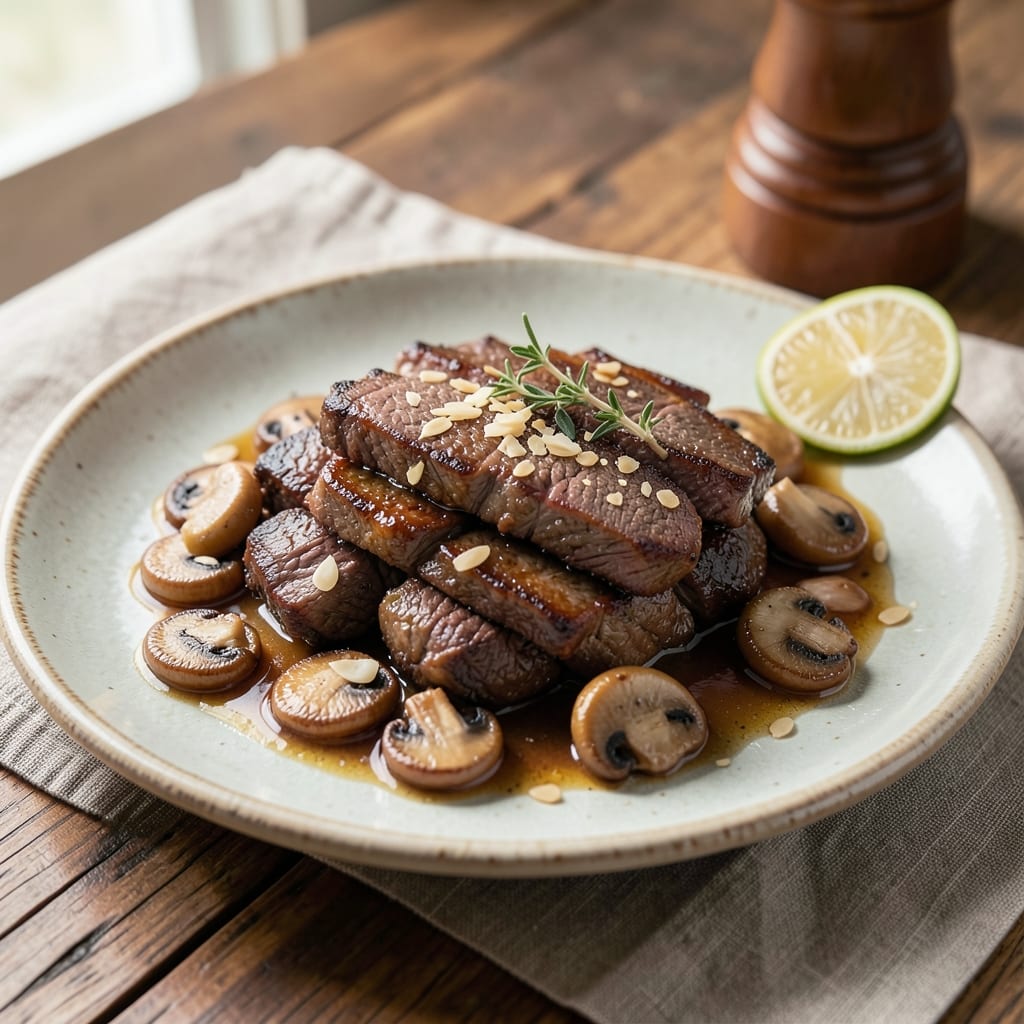
This soy-sauce simmered beef and mushroom Filipino recipe delivers restaurant-quality depth with just a few key ingredients and a 30-minute active prep—no long braising required. The secret lies in garlic-infused oil and a balance of salty-sweet soy, vinegar, and a touch of calamansi for that signature Filipino tang. I developed this version after years of adapting traditional sinigang techniques to create a heartier, more flavorful weeknight dish that still feels special.
What sets this apart is the two-stage cooking method: first searing the beef for deep flavor, then simmering with mushrooms in a rich, umami-packed sauce. The mushrooms absorb the sauce beautifully, adding meaty texture without overpowering the beef. Traditional Filipino dishes often rely on long cooking times, but this version achieves the same depth in under an hour—perfect for busy weeknights when you still crave that comforting, restaurant-style meal.
The result is tender beef slices swimming in a glossy, savory-sweet sauce with earthy mushrooms and just the right amount of tang. Serve it over steamed rice to soak up every last drop of that flavorful broth, or pair with garlic fried rice for extra texture. The sauce also freezes beautifully, so you can make a double batch for lazy days ahead.
This dish proves Filipino comfort food doesn’t require hours of prep—just smart techniques and quality ingredients. The garlic-infused oil alone transforms ordinary beef into something extraordinary, while the soy-vinegar-calamansi sauce delivers that perfect balance of salty, sweet, and tangy. Ready to make weeknight dinners feel like a home-cooked fiesta?
Ingredients for beef and mushroom filipino
Restaurant-quality Filipino flavors start with these carefully chosen ingredients for a dish that balances umami, tang, and sweetness perfectly.
| Ingredient | Amount | Notes |
|---|---|---|
| Beef Chuck Roast 🥩 | 1 ½ lb | Cut into 1-inch cubes, trimmed of fat |
| Shiitake Mushrooms 🍄 | 8 oz | Fresh or rehydrated dried, stems removed |
| Garlic Cloves 🧄 | 8 cloves | Minced for infusion and sauce |
| Extra-Virgin Olive Oil 🫒 | ½ cup | For garlic infusion and searing |
| Soy Sauce 🍶 | ½ cup | High-quality, preferably Filipino-style |
| Calamansi Juice 🍋 | 2 tbsp | Or substitute lime juice, 1 tbsp |
| White Vinegar 💧 | 2 tbsp | For tangy balance |
| Brown Sugar 🍚 | 2 tbsp | Lightly packed, for sweetness |
| Fish Sauce 🐟 | 1 tbsp | Red Boat brand preferred |
| Black Peppercorns 🌶️ | 1 tsp | Freshly cracked, for depth |
| Bay Leaves 🌿 | 2 whole | For aromatic complexity |
| Green Onions 🧅 | 3 whole | Sliced thin, for garnish |
| Long-Grain White Rice 🍚 | 1 ½ cups | Uncooked, for serving |
| Diamond Crystal Kosher Salt 🧂 | 1 ½ tsp | For seasoning and sauce balance |
The beef is the foundation—chuck roast delivers that melt-in-your-mouth texture when cut properly. Look for well-marbled cuts at Whole Foods or your local butcher; the fat renders beautifully during searing. Shiitake mushrooms should be firm and dry—avoid slimy specimens. Fresh garlic cloves are non-negotiable here; the infused oil carries the dish's aromatic soul. For the soy sauce, Filipino brands like Silver Swan elevate the dish, but any high-quality soy sauce works in a pinch. Calamansi is the magic ingredient for that signature tang, but lime juice works if you can't find it—just double the amount.
No calamansi? Lime juice is your best substitute, though it lacks the same depth. Running short on shiitake? Cremini or oyster mushrooms work well, but shiitake's earthy flavor is ideal. The garlic infusion transforms ordinary beef—don't skip the 5-minute infusion before searing. For a deeper umami punch, add 1 tsp of MSG (optional but recommended). The fish sauce is crucial—Red Boat brand is the gold standard, but any reputable brand will do. If you're avoiding fish sauce, 1 extra tbsp of soy sauce helps maintain the umami balance. The brown sugar should be lightly packed—don't scoop it directly from the bag, or you'll end up with less than you need.
This dish tastes even better the next day as the flavors meld. Store leftovers in an airtight container for up to 5 days in the fridge, or freeze for 3 months. The sauce freezes beautifully—portion it into ice cube trays for easy reheating. For meal prep, cook a double batch and freeze half; just thaw and reheat with a splash of water. The rice keeps for 4 days in the fridge, but it's best served fresh. Garnish with sliced green onions right before serving to keep the dish vibrant and fresh-tasting. The garlic-infused oil can be made ahead and stored in the fridge for up to 2 weeks—just bring it to room temperature before using.
Why You'll Love This Recipe
- One-Pan Magic: The beef chuck roast and shiitake mushrooms caramelize together in the same skillet—no chopping boards, no extra pots. Just sear, simmer, and let the soy sauce and garlic work their magic while you toss a salad or set the table.
- Umami Bomb: That first bite? The beef’s rich depth paired with earthy shiitake mushrooms and a hit of garlic—it’s the kind of flavor that makes you pause mid-chew. Honestly, the soy sauce ties it all together like a secret handshake.
- Weeknight to Potluck: Serve it over rice for a quick family dinner or slice it thin for a charcuterie board at your next gathering. The leftovers reheat like a dream, too—better the second day, if you can believe it.
- Budget Flex: A chuck roast stretches further than you’d think, and shiitake mushrooms add luxury without breaking the bank. Between us, this recipe feels fancy but costs less than takeout—win-win.
Step-by-step instructions for soy-sauce simmered beef and mushrooms
Master this Filipino umami classic through precise technique and layering flavors.
🍳 Step 1: Create the Garlic Oil Infusion
Heat the 0.5 cup extra-virgin olive oil in a heavy-bottomed Dutch oven over medium-low heat. Add the 8 cloves minced garlic and cook for 3-4 minutes until the garlic turns a deep golden brown—almost nutty in aroma. This step develops complex flavor while preventing burning. Immediately remove from heat and pour through a fine-mesh strainer into a clean bowl, discarding the garlic solids. Reserve the infused oil for later.
Here's the thing—this garlic oil carries the entire dish's aromatic foundation. Don't rush the color development, but watch it closely after 2 minutes to avoid bitterness. The oil should smell rich and toasty, not sharp or acrid. Keep this infused oil separate as we'll use it later to finish the dish.
👨🍳 Step 2: Sear the Beef for Deep Flavor
In the same Dutch oven (no need to wipe it clean), increase heat to medium-high and add the 1.5 lb beef chuck roast cut into 1-inch cubes. Sear in batches for 2-3 minutes per side until each piece develops a deep mahogany crust. You want that caramelized exterior that locks in moisture while building flavor. Remove seared beef and set aside.
Don't overcrowd the pan—work in batches if needed. The goal is even browning, not steaming. If the pan gets too crowded, the beef will release moisture instead of searing. This crust is what transforms tough chuck into tender, flavorful bites. Once all beef is seared, return it to the pot and set aside temporarily.
🍳 Step 3: Build the Umami Base
In the same Dutch oven, add the 8 oz shiitake mushrooms (stems removed) and cook for 5-6 minutes until they release their moisture and begin to soften. Add the 2 whole bay leaves and 1 tsp freshly cracked black peppercorns, then pour in the 0.5 cup soy sauce, 2 tbsp calamansi juice, 2 tbsp white vinegar, 2 tbsp brown sugar, and 1 tbsp fish sauce. Stir well to combine all ingredients.
Bring the mixture to a gentle simmer over medium heat. The mushrooms should release their juices, creating a glossy base. This is where the magic happens—the soy sauce deepens, the vinegar brightens, and the sugar begins to caramelize slightly. Let it simmer uncovered for 5 minutes to allow the flavors to meld while reducing slightly. You're building a complex sauce that will transform simple ingredients into something extraordinary.
🥘 Step 4: Simmer the Beef to Perfection
Return the seared beef to the Dutch oven and add 2 cups water (enough to just cover the beef). Bring to a gentle boil, then reduce heat to low, cover partially with a lid, and simmer for 1 hour 30 minutes to 2 hours. The beef is done when it's fork-tender with no resistance, and the sauce has reduced to a thick, glossy consistency that coats the back of a spoon.
Check the beef at the 1-hour 15-minute mark using an instant-read thermometer—it should register 195-200°F internally. If it's not quite there, continue cooking. The long simmer breaks down collagen in the beef, creating natural tenderness. The sauce should reduce significantly, intensifying all those umami flavors we built earlier. Stir occasionally to prevent sticking, adding a splash of water if needed to keep the beef submerged.
🔥 Step 5: Finish with Garlic Oil and Serve
Once the beef is tender, discard the bay leaves and adjust seasoning if needed—add a splash more soy sauce for saltiness or a touch of vinegar for brightness. Return the heat to medium-low and stir in the reserved garlic-infused oil. The dish should immediately take on a glossy sheen and rich aroma. Simmer for 2-3 minutes to incorporate the garlic flavor fully.
Serve the beef and mushroom mixture over 1.5 cups cooked long-grain white rice, garnished with 3 whole green onions sliced thin. The rice should be perfectly steamed—separate grains with no stickiness. Each bite should deliver tender beef, earthy mushrooms, and a complex sauce that balances sweet, salty, tangy, and umami notes. The garlic oil finishing touch elevates this dish from good to exceptional, creating that restaurant-quality depth you crave.
Pro Tips For Making Beef And Mushroom Filipino
- SEAR THE BEEF LONG: Don’t rush the beef—let it sit in the hot pan for 3-4 minutes per side until deep brown, not just pink. I learned this the hard way when my first batch tasted bland because I moved too fast. The crust locks in flavor, and that’s the thing that matters most in Filipino beef dishes.
- SLICE MUSHROOMS THIN: Cut shiitake caps against the grain into paper-thin strips—they’ll cook faster and absorb sauce better. Thick slices turn mushy; thin ones stay tender while soaking up that soy-garlic magic. (Yes, even if you’re impatient like me, resist the urge to skip this.)
- USE SOY SAUCE LAST: Add soy sauce only in the final 5 minutes of cooking—it burns easily and makes the dish taste bitter if overcooked. I was skeptical until I tried it; now I swear by this timing. Balance is everything here.
- DEGLAZE WITH A SPLASH OF WATER: After searing, don’t grab the wine or vinegar—just splash in ¼ cup hot water first. It lifts all those browned bits off the pan instantly, making the sauce richer without needing extra effort. (Your future self will thank you.)
Perfect pairings for these flavors
Rice Pairings
Steamed long-grain white rice is the classic pairing, but don't be afraid to experiment. I love serving this dish over jasmine rice for its delicate floral notes that complement the umami sauce beautifully. For extra texture, try garlic fried rice—toss cooked rice with a bit of the reserved garlic-infused oil, 1 tbsp soy sauce, and 1 egg scrambled in. This adds a satisfying crunch and absorbs the leftover sauce perfectly. 🍚
Vegetable Sides
Filipino-style ginataang gulay (vegetable stew) makes an excellent side—simmer green beans, eggplant, and string beans in coconut milk with 1 tbsp fish sauce and 1 kaffir lime leaf. The creamy coconut balances the savory-sweet beef perfectly. For something lighter, steamed bok choy with a sprinkle of toasted sesame seeds adds freshness. I also recommend kinchay (bitter melon) sautéed with garlic for a traditional touch.
Protein Additions
Add sliced hard-boiled eggs or crispy pork belly for extra protein and texture. The eggs soak up the sauce beautifully, while the pork belly adds a rich, fatty contrast. For a vegetarian option, swap the beef for extra-firm tofu pressed and pan-fried until crispy. The mushrooms will still shine, and the sauce will cling to the tofu's surface. 🥓
Sauce Variations
For a spicier kick, stir in 1 tbsp sriracha or 1 tsp chili flakes when finishing. Need more depth? Add 1 tbsp oyster sauce for a glossy sheen. For a creamy version, swirl in 2 tbsp coconut milk at the end—this works surprisingly well with the tangy calamansi. The sauce also freezes perfectly, so make extra for future meals.
Beverage Pairings
A cold Filipino iced tea (made with hibiscus leaves and lemon) cuts through the richness beautifully. For beer lovers, a crisp Filipino lager like San Miguel complements the dish's balance of sweet and savory. Red wine drinkers should try a light Pinot Noir—its acidity matches the tangy sauce. Avoid heavy wines or dark beers that might overpower the delicate flavors. 🍷
Nutrition facts
Frequently asked questions
Can I substitute regular mushrooms for shiitake?
Yes! While shiitake adds that signature earthy depth, cremini or oyster mushrooms work well too. For best results, use 10 oz instead of 8 oz since they're less dense. Sauté them for 4-5 minutes until they release moisture, then proceed with the recipe as written. The sauce will still cling beautifully to their surfaces.
How do I make this recipe without fish sauce?
Simply increase the soy sauce by 1 extra tablespoon and add ½ teaspoon of sugar to compensate for the umami and slight sweetness fish sauce provides. For deeper flavor, a pinch of MSG works wonders too. The dish will still be delicious—just slightly less complex in the umami profile.
Why does the recipe call for a Dutch oven?
The Dutch oven's heavy base distributes heat evenly, preventing hot spots that could burn the garlic or sear the beef unevenly. Its deep sides also help contain the sauce while the beef simmers, reducing evaporation. If you don't have one, a heavy-bottomed pot with a tight-fitting lid works too—just stir more frequently to prevent sticking.
Can I make this dish in an Instant Pot?
Sear the beef first in a skillet, then transfer to your Instant Pot with all ingredients except the garlic oil. Cook on high pressure for 30 minutes, then quick-release. Finish by stirring in the garlic oil and adjusting seasoning. The pressure cooker cuts time dramatically while still delivering tender beef and rich sauce.
What's the best way to reheat leftovers?
Reheat gently in a skillet over medium-low heat with 2 tbsp water to prevent drying. Add a splash of soy sauce if the sauce seems too thick. For microwave reheating, cover with a damp paper towel and heat in 30-second intervals, stirring between each. The garlic oil finishing touch isn't necessary for reheated portions.