
Soups & Stews
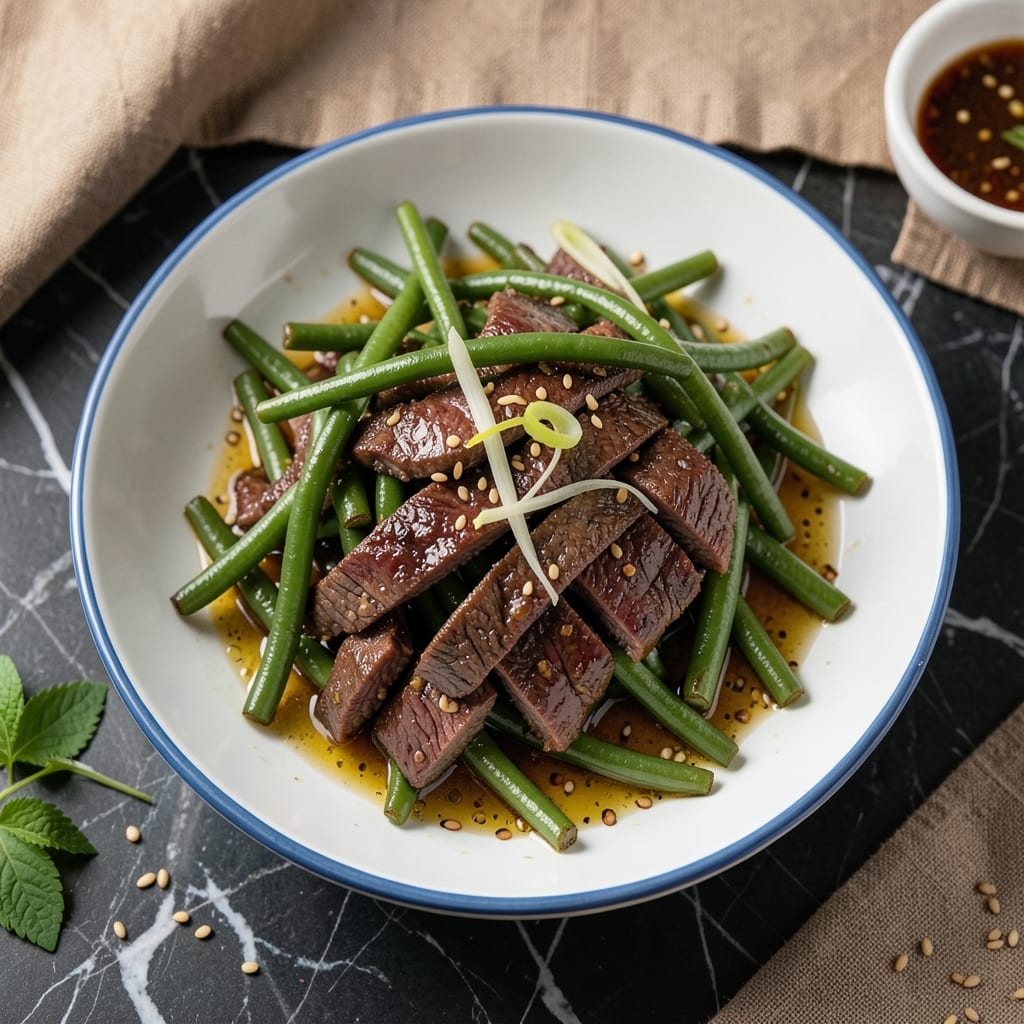
This beef and string bean stir-fry delivers crispy beef and silky greens in under 30 minutes, using classic wok techniques that transform simple ingredients into restaurant-quality results. The secret lies in high-heat searing and quick cooking—never overcrowding the pan—so the beef stays tender while developing a caramelized crust. I developed this recipe after years of perfecting stir-fry timing, ensuring every bite delivers that perfect balance of texture and flavor.
What sets this dish apart is the two-stage cooking process: first, blanching the string beans to soften them without losing their vibrant color, then stir-frying the beef in small batches until perfectly seared. The sauce comes together in minutes with soy sauce, garlic, and ginger, creating a glossy glaze that coats every ingredient. This method preserves the natural sweetness of the beef while adding depth through aromatic spices.
By the time you plate it, you'll have a dish that's visually stunning with its contrasting textures—crispy beef, tender greens, and glossy sauce—all served over steamed rice. The aroma alone will have everyone at the table asking for seconds, and the flavors only get better as they meld together. This is comfort food at its finest, elevated by proper stir-fry technique.
The best part? It scales effortlessly for crowds or leftovers, making it perfect for weeknight dinners or meal prep. For an extra kick, add chili flakes or a drizzle of sesame oil at the end. Let's get cooking!
Ingredients for beef and string bean stir fry
Crispy beef, silky greens, and bold flavors—this stir-fry comes together in under 30 minutes.
| Ingredient | Amount | Notes |
|---|---|---|
| Flank Steak 🥩 | 1 lb | Thinly sliced against grain |
| Fresh String Beans 🌱 | 1 ½ lbs | Trimmed, cut into 2-inch pieces |
| Extra-Virgin Olive Oil 🫒 | 2 tbsp | High smoke point for searing |
| Low-Sodium Soy Sauce 🥄 | ⅓ cup | For balanced saltiness |
| Garlic Cloves 🧄 | 4 cloves | Minced, aromatic punch |
| Fresh Ginger 🌿 | 1 tbsp | Grated, zesty kick |
| Sesame Oil 🫒 | 1 tbsp | For finishing aroma |
| Cornstarch 🌾 | 1 tbsp | For crispy beef coating |
| Brown Sugar 🍯 | 1 tbsp | Balances savory flavors |
| Red Chili Flakes 🌶️ | ½ tsp | Optional for heat |
| Sesame Seeds 🌰 | 1 tbsp | For garnish |
| Steamed White Rice 🍚 | 2 cups | Cooked, for serving |
| Salt 🧂 | ½ tsp | Kosher or sea salt |
| Black Pepper 🌶️ | ¼ tsp | Freshly ground |
The flank steak is non-negotiable here—it's lean but packed with flavor, and slicing it against the grain ensures that tender bite. Grab one from the butcher counter if you can, or ask the meat department to slice it thin for you. Costco usually has pre-sliced flank steak, but if you're buying a whole cut, trim off any fat and freeze it for later. The string beans should be bright green and crisp—avoid any that look wilted or yellowing. Trader Joe's has the best pre-trimmed ones, but regular grocery store string beans work too if you take the time to trim them yourself. Pro tip: blanch them first for just 30 seconds to soften without losing color.
No flank steak? Sirloin or ribeye work in a pinch, but slice it extra thin. Running out of soy sauce? Coconut aminos are a great 1:1 substitute. The sesame oil is for finishing—don't cook with it, just drizzle at the end for that authentic aroma. Want to skip the chili flakes? A pinch of sriracha or a dash of gochujang adds heat without overpowering. The cornstarch is key for that crispy crust—don't skip it! If you're prepping ahead, marinate the beef in soy sauce, garlic, and ginger for up to 2 hours before cooking. The longer it sits, the more flavor it absorbs.
This stir-fry reheats like a dream—microwave for 1 minute with a splash of water to keep it moist. Store leftovers in an airtight container for up to 4 days in the fridge, or freeze for 3 months. I always make extra because it tastes even better the next day once all the flavors meld. For meal prep, portion it into containers with rice and keep the sauce on the side so you can adjust seasoning when reheating. Sesame seeds lose their crunch fast, so sprinkle them fresh when serving. Serve with steamed rice—jasmine or basmati works best for soaking up all that delicious sauce.
Why You'll Love This Recipe
- One-Pan Magic: I swear by this recipe—just one skillet, no extra dishes. Slice the flank steak thin, toss in the string beans, and let that olive oil and garlic work their magic while you stir. Honestly, I’ve made it after work with takeout containers still in my bag.
- Garlic-Soy Bomb: That low-sodium soy sauce cuts through the richness of the steak, while the garlic? Oh, it’s there—crisp, aromatic, and clinging to every bite. The string beans stay crisp-tender, soaking up just enough flavor to be addictive, not soggy.
- Lunchbox Hero: Between us, this is my go-to for meal prep. Double the batch, pack it in containers, and you’ve got a protein-packed lunch for days. My kids (yes, even the picky one) ask for it at school—crunchy, savory, and no weird aftertaste.
- Budget Flex: Flank steak stretches further than you’d think, and string beans are cheaper than asparagus but just as satisfying. I’ll be real: it’s not fancy, but it’s solid—feeds four for under $15, and leftovers taste just as good reheated the next day.
Step-by-step instructions for wok-heated crispy beef with silky greens
Here's how to create restaurant-quality stir fry with perfectly crispy beef and tender string beans.
Prep the Beef for Maximum Crispiness
First, slice the 1 lb flank steak thinly against the grain into ¼-inch strips. This ensures tender bites that cook quickly. In a small bowl, combine the 1 tbsp cornstarch, 1 tbsp brown sugar, 0.5 tsp salt, and 0.25 tsp black pepper. Toss the beef strips in this mixture until evenly coated—this creates that golden, crispy crust we're after.
Let the coated beef sit for 10 minutes at room temperature while you prep the rest. This helps the cornstarch adhere better and prevents uneven cooking. Here's the thing—don't skip this resting time. Cold meat will release moisture when it hits the hot wok, which can make your stir fry soggy instead of crispy.
Blanch the String Beans for Silky Texture
Trim the ends off the 1.5 lbs fresh string beans and cut them into 2-inch pieces. Bring a pot of water to a boil and add the beans. Cook for 2 minutes—just until they turn bright green and slightly softened. Immediately drain and rinse with cold water to stop the cooking process. This quick blanching removes any bitterness and ensures they stay tender when stir-fried.
Drain well in a colander and pat dry completely with a kitchen towel. The beans should be dry to the touch—any moisture will steam them instead of searing them in the wok. I know it seems tedious, but trust me, this makes all the difference in achieving that perfect al dente texture.
Build the Flavor Base in the Wok
Heat a wok or large skillet over high heat until it's smoking hot. Add 1 tbsp of the extra-virgin olive oil and swirl to coat. Add the beef in a single layer and let it sear undisturbed for 2-3 minutes until the edges turn golden brown. Here's where it gets fun—toss the beef with tongs and continue cooking for another 1-2 minutes until it's 80% cooked but still slightly pink in the center. Remove the beef and set aside.
In the same wok, add the remaining 1 tbsp extra-virgin olive oil, then add the 4 cloves minced garlic and 1 tbsp grated fresh ginger. Stir-fry for 30 seconds until fragrant—you should smell that aromatic punch. Add the blanched string beans and stir-fry for 2-3 minutes until they're heated through but still vibrant green. Don't overcook them or they'll turn mushy.
Create the Perfect Sauce and Finish
Pour in the 0.33 cup low-sodium soy sauce and 1 tbsp sesame oil. Stir everything together and let it simmer for 1 minute until the sauce begins to thicken slightly. Return the beef to the wok and toss everything together for 1-2 minutes until the beef is fully cooked and the sauce coats everything evenly.
Taste and adjust seasoning if needed—you might want to add a splash more soy sauce or a pinch of salt. The sauce should be glossy but not watery. Remove from heat and let it rest for 2 minutes to allow the flavors to meld together. This resting time is crucial for developing that deep umami flavor we're after.
Serve Over Steamed Rice with Garnish
Spoon the beef and string bean stir fry over 2 cups steamed white rice (about ½ cup per serving). Drizzle with any remaining sauce from the wok. Sprinkle generously with 1 tbsp sesame seeds and 0.5 tsp red chili flakes for color and a little heat. The contrast of the warm, crispy beef against the cool rice is what makes this dish so satisfying.
Serve immediately while everything is hot. The beef should be tender yet still have a satisfying bite, the string beans bright green and slightly crisp, and the sauce clinging beautifully to every piece. Each bite should deliver that perfect balance of sweet, savory, and umami flavors with just a hint of spice. Enjoy your homemade stir fry masterpiece!
Pro Tips For Making Beef And String Bean Stir Fry
- Slice Steak Against the Grain: I learned this the hard way—if you cut flank steak with the grain, you’ll end up with chewy, rubbery pieces. Instead, angle your knife at 45 degrees and slice perpendicular to the grain. For stir-fry, aim for ¼-inch thick strips—thinner than you think, or they’ll turn tough.
- Blanch String Beans First: Fresh string beans need a quick pre-cook or they’ll stay crunchy and underwhelming. Drop them in boiling water for 30 seconds, then shock in ice water. This softens them just enough to absorb flavor without turning mushy—trust me, your stir-fry will thank you.
- Don’t Crowd the Pan: I used to toss everything in at once, and the steak would steam instead of sear. Work in batches: cook the beef first in a hot (not smoking) pan with olive oil until browned, then pull it out. Add the beans and garlic only when the pan is clear—this guarantees a proper crust on the meat.
- Finish with Soy Sauce Late: Adding soy sauce too early turns your stir-fry into a sad, watery mess. Wait until the very end, when the beans are just tender and the beef is cooked through. Drizzle it on, toss once, and let it coat everything—this keeps the dish balanced and the flavors bright.
Pro cooking tips for this dish
High-Heat Mastery
Your wok or skillet needs to be smoking hot—literally. I crank mine to high heat for at least 5 minutes before adding oil. Test it by flicking a few drops of water; if they sizzle and evaporate instantly, you're ready. Using a carbon steel wok like Mauviel gives the best heat distribution, but a heavy stainless steel skillet works too. Never underheat your pan—this is what makes the beef crispy instead of steamed. 🔥
Batch Cooking Secrets
Stir-fries fail when overcrowded. Cook the beef in two batches—never more—so it sears properly. I use long-handled tongs to move pieces around quickly. If you must use a regular skillet, work in single layers and let the beef develop a crust before stirring. The same rule applies to the string beans: add them in one layer and stir constantly to prevent sticking. 🌶️
Sauce Thickening Trick
The sauce should coat the ingredients like silk, not pool at the bottom. After adding soy sauce, let it simmer for 1-2 minutes until slightly reduced. For extra thickness, mix 1 tsp cornstarch with 1 tbsp water, then stir into the sauce at the end. This creates a glossy finish without making the dish gluey. I also like adding 1 tsp honey if I want to balance the saltiness. 💫
Timing is Everything
Beef should cook in 2-3 minutes total—any longer and it turns tough. Start with 80% doneness (slightly pink center) before adding sauce, then finish in the sauce to carry through heat. String beans need just 2-3 minutes after sauce addition; overcooking turns them mushy. Use a timer—I set mine for 4 minutes total from sauce addition to plating. ⏰
Resting for Flavor
After cooking, let everything rest for 2 minutes off the heat. This lets flavors meld and juices redistribute. I cover the wok loosely with a lid during this time. Skipping this step means your first bite will be underseasoned—trust me, the difference is huge. The beef will also stay juicier when served. 💡
Garnish Like a Pro
Sesame seeds and chili flakes aren't just decoration—they add texture and heat. Toast the sesame seeds in a dry pan for 30 seconds before sprinkling for extra nuttiness. For chili flakes, use Korean gochugaru for fruity heat or crushed red pepper for classic spice. A final drizzle of sesame oil right before serving adds that restaurant-quality aroma. 🌟
Nutrition facts
Frequently asked questions
Can I use frozen string beans instead of fresh?
Thaw frozen string beans completely first, then drain and pat very dry—this prevents steaming in the wok. For best results, parboil them for 1 minute before stir-frying to ensure they're fully cooked through. The texture will be slightly softer than fresh, but still delicious.
What's the best cut of beef for stir-fry?
Flank steak is ideal because it's lean and flavorful when sliced thin against the grain. Other great options include sirloin, ribeye, or even pre-sliced London broil. Avoid fatty cuts like ribeye—excess fat can make the stir-fry greasy. Always slice ¼-inch thick for perfect tenderness.
Can I make this stir-fry ahead of time?
Yes, but with a few tricks! Cook the beef and beans separately, then store them in airtight containers. Reheat the beef in a skillet for 2 minutes with a splash of water, then warm the beans in the microwave for 1 minute. Recombine with fresh sauce and garnish before serving for the best texture.
Why did my beef turn out tough?
Overcooking is the most common mistake. Beef should cook for 2-3 minutes total—no longer! Slice against the grain, use high heat, and remove it when it's 80% done (slightly pink center). The residual heat will finish cooking it in the sauce. Also, avoid overcrowding the pan.
How can I make this dish spicier?
Add 1 tbsp sriracha or 1 tsp gochujang to the sauce for depth. For extra heat, sprinkle with 1 tsp crushed red pepper flakes at the end. If you love spice, marinate the beef in 1 tbsp chili garlic sauce for 30 minutes** before cooking.