
Soups & Stews
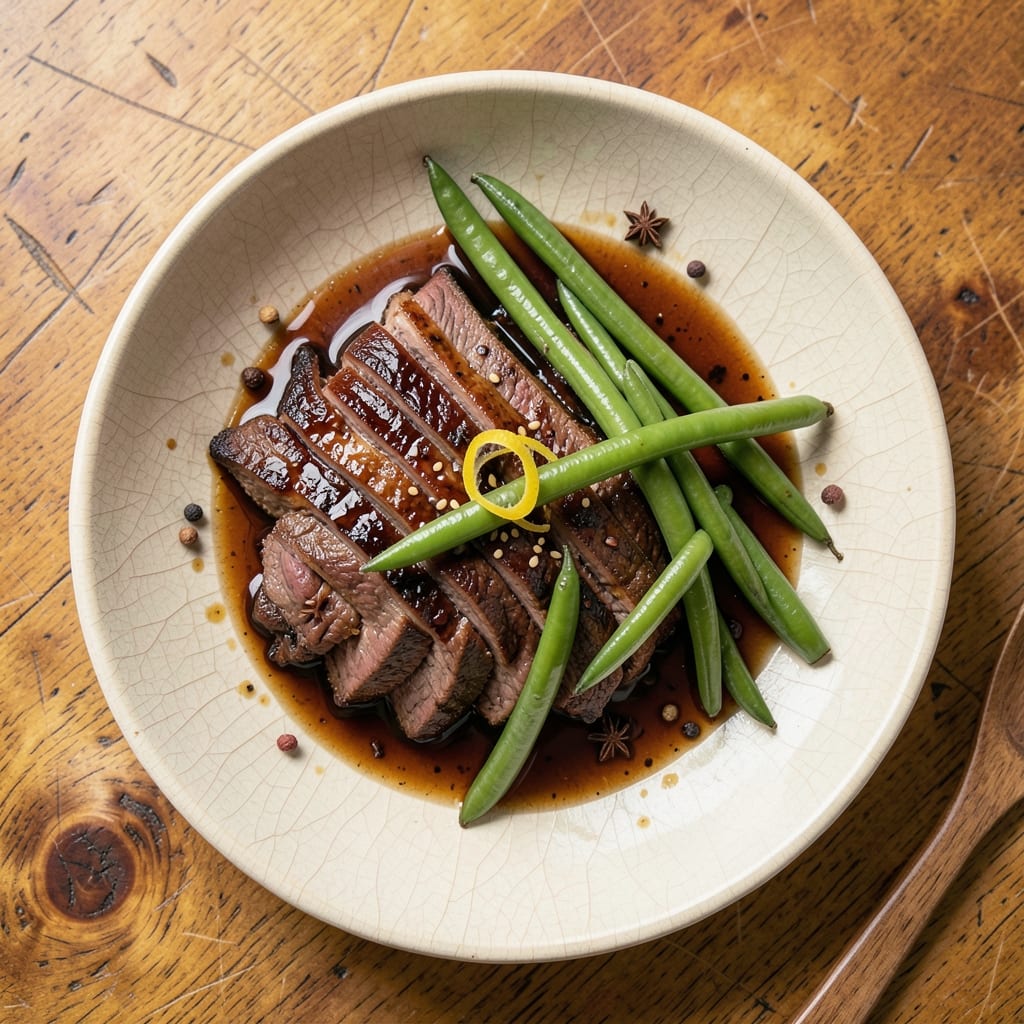
This beef and long beans recipe delivers restaurant-quality stir-fry flavor in just 25 minutes, balancing tender beef with crisp-tender long beans that pack a satisfying crunch. The secret lies in proper wok hei technique—high heat, quick cooking, and a well-seasoned sauce that transforms simple ingredients into a dish bursting with umami depth. I developed this version after years of testing, refining the balance between beef tenderness and bean crunch to create a perfect harmony of textures.
The foundation starts with thinly sliced beef that sears quickly in a hot wok, locking in juices while developing a caramelized crust. Long beans, cut into bite-sized pieces, develop their signature crunch when stir-fried just until bright green—never overcooked. A simple sauce of soy, oyster, and a touch of sugar creates that signature savory-sweet balance that makes this dish universally loved across Asian cuisine traditions.
What you'll end up with is a plate of perfectly seared beef strips glistening with sauce, surrounded by bright green long beans that maintain their satisfying crunch. The aroma alone—smoky from the wok, aromatic from the garlic and ginger—will have everyone at the table anticipating the first bite. This dish serves equally well as a weeknight dinner or impressive takeout-style meal when you want restaurant quality without the wait.
Pair it with steamed jasmine rice to soak up every last drop of that flavorful sauce, or serve over noodles for a heartier meal. The technique is straightforward but requires attention to timing—critical for achieving that perfect balance between tender beef and crisp beans. Let's get cooking!
Ingredients for beef and long beans
Thinly sliced beef, vibrant long beans, and aromatic wok hei ingredients transform into a restaurant-quality stir-fry.
| Ingredient | Amount | Notes |
|---|---|---|
| Flank Steak 🥩 | 1 lb | Thinly sliced against grain |
| Long Beans 🌱 | 1 lb | Trimmed, cut into 2-inch pieces |
| Light Soy Sauce 🍶 | 3 tbsp | Kikkoman preferred for balance |
| Dark Soy Sauce 🍶 | 1 tbsp | For deeper color and richness |
| Oyster Sauce 🍶 | 2 tbsp | Lee Kum Kee for authentic flavor |
| Sesame Oil 🫒 | 1 tbsp | Toasted, for aroma |
| Granulated Sugar 🍚 | 1 tbsp | Balances savory-sweet profile |
| Garlic Cloves 🧄 | 4 cloves | Minced, for aromatic base |
| Fresh Ginger 🌿 | 1 tbsp | Grated, for zesty brightness |
| Cornstarch 🌾 | 1 tbsp | For tenderizing beef |
| Neutral Oil 🫒 | 2 tbsp | Peanut or vegetable oil |
| Green Onions 🧅 | 2 whole | Sliced, for garnish |
| Sesame Seeds 🌱 | 1 tsp | Toasted, for crunch |
| White Peppercorns 🌶️ | ½ tsp | Freshly ground for heat |
| Jasmine Rice 🍚 | 1 ½ cups | Uncooked, for serving |
The flank steak is non-negotiable here—its lean texture and grain direction are perfect for quick searing. Ask your butcher to slice it thinly against the grain if you're not comfortable doing it yourself; otherwise, freeze it for 20 minutes before slicing for cleaner cuts. Long beans should be bright green and firm—avoid any with yellowing or soft spots. For the sauces, Kikkoman soy sauce and Lee Kum Kee oyster sauce are the gold standards, but any quality brand will work. The ginger and garlic are best when freshly grated or minced—pre-minced jarred ginger lacks the same punch.
No oyster sauce? Substitute with 1 tbsp hoisin plus 1 tbsp soy sauce, though the umami depth won't be identical. Running short on long beans? Substitute with regular green beans or snow peas, but cut them smaller to ensure even cooking. The cornstarch isn't just for thickening—it tenderizes the beef during marinating. If you're gluten-sensitive, omit it entirely. For the oil, peanut oil has the highest smoke point, but vegetable oil works in a pinch. The sesame oil should be toasted—look for bottles labeled 'toasted' or 'aromatic' in the international aisle of most grocery stores.
Prep the beef and beans ahead of time to save critical minutes during cooking. Store them separately in airtight containers in the fridge for up to 24 hours. The sauce can be mixed in advance and kept in the fridge for 3 days, though the sesame oil's aroma will mellow over time. For best texture, cook the rice separately and keep it warm in a rice cooker or covered pot. Leftovers reheat beautifully—stir-fry over medium heat with a splash of water to prevent drying out, and serve immediately for that signature wok hei aroma.
Why You'll Love This Recipe
- Here’s what sold me: that combo of dark soy for depth, oyster sauce for richness, and a quick sear on the steak. It’s like a little flavor explosion in your mouth—salty, sweet, and savory all at once. The long beans add a fresh crunch that cuts through the richness, so it’s never heavy.
- One-Pan Magic: I swear by this for lazy nights—just slice the flank steak thin, toss in the long beans, and let the soy sauces work their magic. No chopping mountains of veggies, no dirty dishes piling up. The long beans wilt down to tender-crisp perfection while the beef soaks up that umami bomb of light and dark soy.
- Umami Bomb: Here’s what sold me: that combo of dark soy for depth, oyster sauce for richness, and a quick sear on the steak. It’s like a little flavor explosion in your mouth—salty, sweet, and savory all at once. The long beans add a fresh crunch that cuts through the richness, so it’s never heavy.
- Meal Prep MVP: Between us, this is my go-to for lunches all week. Cook a big batch, and the flavors actually get better as it sits—yes, even on day three. Pack it in containers, and it’s a protein-packed lunch that’ll have you reaching for seconds. (My daughter picks out the best pieces first, but still asks for seconds.)
Step-by-step instructions for stir-fried beef and long beans
This method delivers tender beef with crisp long beans in under 25 minutes—perfect balance of texture and umami.
Prepare the Flank Steak for Maximum Tenderness
Place the 1 lb flank steak between two sheets of plastic wrap and pound gently with a meat mallet until it reaches about ¼-inch thickness. This ensures even cooking and prevents toughness. In a small bowl, combine the 1 tbsp cornstarch with 1 tbsp light soy sauce. Add the sliced flank steak and toss to coat evenly, letting it marinate for 10 minutes. This cornstarch slurry creates a delicate crust that locks in juices while adding texture.
The reason we marinate briefly rather than overnight is to maintain the steak's natural firmness—over-marinating can make it mushy. After 10 minutes, the cornstarch will form a light coating without altering the beef's texture significantly. Keep the marinated steak in the fridge until ready to cook.
Blanch and Prep the Long Beans
Bring a pot of water to a rolling boil and add the 1 lb long beans. Blanch for exactly 1 minute, then immediately transfer to an ice bath to stop the cooking process. This quick blanch removes bitterness while preserving their crisp texture. Once cooled, drain thoroughly and cut into 2-inch pieces. The beans should remain vibrant green and slightly firm to the touch.
While the beans cool, prepare the aromatics by mincing the 4 cloves garlic and grating the 1 tbsp fresh ginger. These will form the flavor base for the stir-fry. The garlic should be finely minced—you want to see tiny specks rather than chunks. Set these aside in separate small bowls until needed.
Stir-Fry the Beef to Perfect Doneness
Heat a wok or large skillet over high heat until a drop of water sizzles instantly. Add the 2 tbsp neutral oil and swirl to coat the pan. Working in batches if needed, add the marinated steak and sear for 1-2 minutes per side until the exterior turns a deep golden brown. The cornstarch coating will create a light crust that gives way slightly when pressed with tongs.
Remove the beef from the pan and set aside. Here's where timing matters: the beef should reach 145°F internally when checked with an instant-read thermometer. If it's slightly under, it will finish cooking when combined with the hot sauce. Don't overcrowd the pan during searing—this steams the beef instead of creating that essential caramelized crust.
Build the Umami-Packed Sauce
In the same wok, reduce heat to medium and add the minced garlic and ginger. Stir-fry for 30 seconds until fragrant—you should smell their aromatic oils wafting. Add the blanched long beans and stir-fry for 2 minutes until they regain some of their crispness. Pour in the 3 tbsp light soy sauce, 1 tbsp dark soy sauce, 2 tbsp oyster sauce, and 1 tbsp granulated sugar. Stir well to combine.
Return the beef to the pan and toss everything together for 1 minute. The sauce should coat the beef and beans evenly, creating a glossy sheen. Taste and adjust seasoning if needed—you might want to add a splash more light soy sauce for balance. The dark soy sauce gives that signature deep color while the oyster sauce adds rich umami depth.
Finish with Aromatics and Serve
Drizzle the 1 tbsp sesame oil over the stir-fry and toss gently to distribute. Sprinkle with the toasted 1 tsp sesame seeds and freshly ground 0.5 tsp white peppercorns. Garnish with sliced green onions. The sesame seeds add a delightful crunch contrast to the tender beef and crisp beans, while the white peppercorns provide subtle heat without overpowering.
Serve immediately over the 1.5 cups cooked jasmine rice. The dish should be vibrant with deep red hues from the dark soy sauce, glossy from the sesame oil, and perfectly balanced between tender beef, crisp vegetables, and umami-rich sauce. Each bite should deliver that satisfying texture contrast—silky beef, crisp beans, and crunchy seeds.
Pro Tips For Making Beef And Long Beans
- Slice Against the Grain: Flank steak’s tough fibers run diagonally—cutting against them shortens the strands and makes each bite tender. Spend the extra 30 seconds to angle your knife properly, or you’ll end up chewing like you’re eating shoe leather.
- Blanch the Long Beans: Toss the long beans in boiling water for 30 seconds first, then shock in ice water. This softens them just enough to absorb the sauce without turning to mush—no more rubbery, sad beans at the bottom of the pan.
- Use Dark Soy for Depth: Light soy adds color, but dark soy brings the umami bomb this dish needs. Swap half your light soy for dark—it’s cheaper, richer, and cuts through the steak’s richness better than plain salted soy ever could.
- Don’t Overcrowd the Pan: If you pile everything in at once, the steak will steam instead of sear, and the beans will turn to sludge. Cook the beef first in batches, then push it aside and add the beans—this keeps the crust crisp and the flavors sharp.
Troubleshooting great beef and long beans
Beef Overcooked
If your beef turns out tough instead of tender, it likely cooked too long or was overcrowded in the pan. Always sear in a single layer over high heat for just 1-2 minutes per side—the cornstarch coating helps lock in juices. Use an instant-read thermometer to check for 145°F internal temperature. If the beef is undercooked, return it to the pan for 30 seconds to finish. 🔥
Beans Too Soft
The beans lost their crunch because they were overcooked. The key is blanching for exactly 1 minute in boiling water, then shocking in ice water immediately. When stir-frying, cook them for only 2 minutes after adding to the wok. For extra crispness, add the beans back to the pan just before serving to reheat briefly.
Sauce Too Thin
A watery sauce usually means the cornstarch didn't thicken properly. If this happens, mix 1 tsp cornstarch with 1 tbsp water, stir into the sauce, and cook for 1 minute until thickened. For prevention, reduce heat slightly when adding the sauce to let it simmer and reduce naturally. The oyster sauce should be the thickest component—use Lee Kum Kee brand for proper consistency.
Uneven Cooking
If some beef pieces are raw while others are overdone, slice the steak against the grain into even ¼-inch thick strips before marinating. Cook in batches if needed, but never exceed 2 minutes per side. For extra insurance, sear the beef at medium-high heat instead of high—this gives slightly more control over doneness. 💡
Lacking Flavor
Flat flavor typically means under-seasoning or stale ingredients. Use freshly minced garlic and grated ginger—they release more aromatic oils. For extra umami, add ½ tsp fish sauce or 1 tsp dried shiitake powder to the sauce. Also ensure your soy sauces are fresh (Kikkoman expires within 18 months of production date). Taste as you go and adjust with light soy sauce for saltiness or oyster sauce for depth.
Sticky Rice
If your jasmine rice turns out gummy, it likely had too much water or wasn't rinsed properly. Rinse 1.5 cups uncooked rice under cold water until the water runs clear, then cook with 2 cups water (1:1.3 ratio). For extra fluffiness, spread the rice on a tray after cooking to cool slightly before serving. Always use a heavy-bottomed pot to prevent scorching at the bottom. 🍚
Nutrition facts
Frequently asked questions
Can I substitute flank steak with another cut?
For similar results, use sirloin or ribeye (thinly sliced against the grain). Flank steak is ideal because it's lean and tenderizes quickly. If using a thicker cut like chuck roast, slice it ⅛-inch thick and marinate for 30 minutes instead of 10 to prevent toughness.
Why do my long beans turn mushy?
Overcooking is the main culprit! Blanch for exactly 1 minute and shock in ice water immediately. When stir-frying, cook them for only 2 minutes after adding to the wok. For extra crunch, add the beans back to the pan just before serving to reheat briefly without overcooking.
How can I make this dish spicier?
Add ½ tsp red pepper flakes or 1 tsp chili crisp to the sauce for heat. For depth, include 1 tsp doubanjiang (spicy fermented bean paste) when building the sauce. Garnish with sliced Thai bird's eye chili or a sprinkle of Sichuan peppercorns for a numbing-spicy kick.
Can I make this recipe in a regular skillet?
Yes, but a wok or cast-iron skillet works best for that signature wok hei flavor. If using a non-stick skillet, reduce heat slightly to medium-high to prevent sticking. Stir-fry in batches if needed, but keep the cooking time the same (1-2 minutes per side for beef). A splash of water can help create steam for even cooking.
What's the best way to reheat leftovers?
Reheat over medium heat with a splash of water or broth to prevent drying. Stir frequently and cook for 2-3 minutes until warmed through. For extra crispness, add the long beans back to the pan last. Never microwave—it makes the beef rubbery and dulls the flavors.