
Soups & Stews
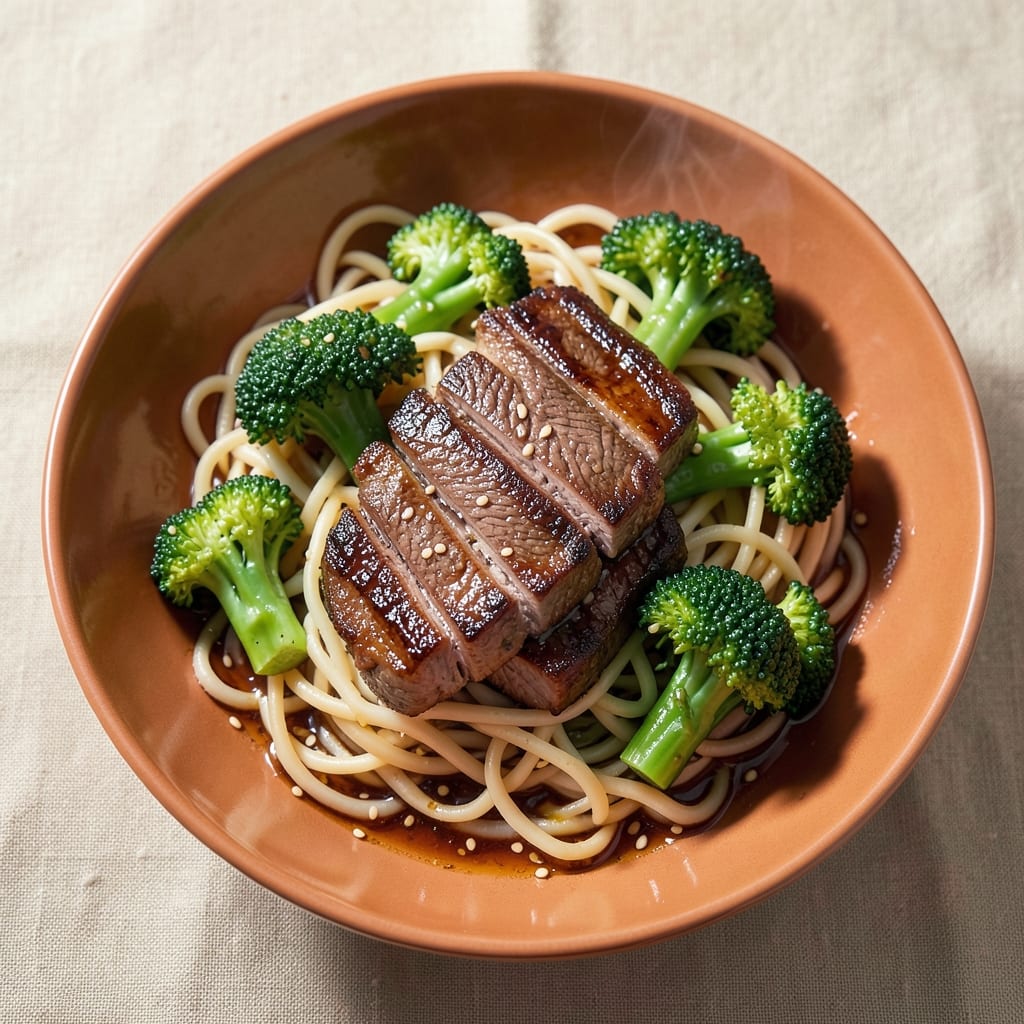
This beef and broccoli over noodles recipe delivers the perfect balance of crispy beef, tender greens, and silky noodles in every bite. The secret lies in high-heat stir-frying that creates a caramelized crust on the beef while keeping the broccoli vibrant and the noodles perfectly al dente. I developed this version after years of testing different techniques to achieve that restaurant-quality texture at home.
The foundation starts with thinly sliced beef that develops a golden-brown crust from the wok's intense heat, while the broccoli gets just enough time to blanch and retain its bright green color. A savory soy-ginger sauce ties everything together, coating each component without overwhelming the natural flavors. The key is timing—cooking the beef first ensures it stays tender while the broccoli finishes quickly.
What you'll end up with is a dish that's rich yet balanced, with each forkful delivering crispy beef, tender greens, and chewy noodles all coated in that perfect sauce. The aroma alone will have everyone gathering around the table, and the texture contrast makes it impossible to eat just one bite. This is comfort food at its finest—elegant enough for company but simple enough for weeknights.
Whether you're serving this for a family dinner or a casual gathering, the recipe scales beautifully while maintaining that perfect balance. The sauce can be adjusted to your preference—sweeter, saltier, or with extra garlic for depth. Let's get cooking!
Ingredients for beef and broccoli over noodles
Crispy beef, vibrant broccoli, and silky noodles—here's how to nail every bite.
| Ingredient | Amount | Notes |
|---|---|---|
| Flank Steak 🥩 | 1 ½ lb | Thinly sliced against grain |
| Broccoli Florets 🥦 | 4 cups | Bright green, medium size |
| Egg Noodles 🍜 | 8 oz | Fresh or dried, al dente |
| Sesame Oil 🫒 | 1 tbsp | Toasted for aroma |
| Light Soy Sauce 🍶 | ½ cup | Low sodium preferred |
| Dark Soy Sauce 🍶 | 1 tbsp | For color and depth |
| Fresh Ginger 🌿 | 1 tbsp | Finely grated, aromatic |
| Garlic Cloves 🧄 | 4 cloves | Minced, fresh preferred |
| Cornstarch 🌾 | 1 tbsp | For beef coating |
| Neutral Oil 🫒 | 2 tbsp | Peanut or vegetable oil |
| Green Onions 🧅 | 3 whole | Sliced for garnish |
| Sesame Seeds 🌰 | 1 tbsp | Toasted for crunch |
| Salt 🧂 | 1 tsp | Kosher or sea salt |
| Black Pepper 🌶️ | ½ tsp | Freshly ground |
The beef is non-negotiable—flank steak sliced paper-thin against the grain gives you that perfect wok-heated texture. Costco or butcher shops usually have it pre-sliced for stir-fry, but if you're slicing yourself, keep the knife sharp and work quickly. Look for bright red meat with good marbling—it'll stay juicier. Broccoli? Bright green florets are key; skip the yellowing stems. I always grab extra because it's so versatile—steam some for another meal or toss into salads. The egg noodles? Fresh if you can get them—they hold up better to stir-frying, but dried works too if you cook them al dente.
No sesame oil? Toasted peanut oil at half the amount works in a pinch, but the aroma is worth hunting down. Fresh ginger and garlic are musts here—dried just won't cut it. The cornstarch coating is what gives the beef that signature crispy texture, so don't skip it. Trader Joe's has pre-minced garlic and ginger if you're short on time, but fresh is always better. For the soy sauces, Kikkoman light and dark are my go-tos—they're balanced and reliable. Want more depth? Add a splash of Shaoxing wine to the sauce mix, but it's optional.
This dish reheats like a dream—30 seconds in the microwave with a splash of water keeps everything tender. Store leftovers in airtight containers for 3-4 days in the fridge, or freeze portions for up to 3 months. I always make double batches because it's that good. The sauce gets even better the next day as the flavors meld. Garnish with those toasted sesame seeds right before serving—they add that final crunch and aroma that makes it restaurant-quality.
Why You'll Love This Recipe
- One-Pan Magic: I swear by this trick—just toss the seared flank steak, broccoli, and noodles in the same pan with a splash of soy and sesame oil. No fancy gadgets, no extra dishes. The wok’s natural char gives that restaurant-style depth without the hassle.
- Umami Bomb: That first bite? The tender flank steak with its crispy edges, the broccoli still bright and snappy, all coated in that sticky-sweet soy glaze. Honestly, the sesame oil finish is what turns this from good to I’ll have this again tomorrow.
- Lunchbox Hero: Between us, this is my go-to for packed lunches. The noodles stay warm in a thermos, the beef stays juicy, and the broccoli? Still holds its shape. My kid’s favorite—yes, even on a Tuesday.
- Budget Stretch: Flank steak’s lean but mighty, and a single pound feeds four. Broccoli’s cheap, noodles are a steal, and a little sesame oil goes a long way. I’ve made this for date nights and grocery-budget dinners—same taste, zero guilt.
Step-by-step instructions for wok-heated beef and broccoli over noodles
Here's how to transform simple ingredients into a restaurant-quality stir-fry with perfectly crispy beef and vibrant greens.
Prep and Marinate the Flank Steak
Slice the 1.5 lb flank steak thinly against the grain into ¼-inch thick strips. This is crucial—thin slices cook faster and stay tender. Place the sliced steak in a bowl and add 1 tbsp cornstarch, 1 tsp salt, and 0.5 tsp black pepper. Toss gently to coat evenly, ensuring each piece gets that crispy exterior.
Let the steak marinate for 15-20 minutes while you prep the rest. This short marinade allows the cornstarch to adhere and helps tenderize the meat. I like to use a plastic bag for this—it keeps everything contained and makes tossing easier. The steak should look lightly dusted with cornstarch when ready to cook.
Cook the Noodles and Prep Vegetables
Cook the 8 oz egg noodles according to package directions until al dente—they'll finish cooking in the wok. Drain and rinse briefly with cold water to stop the cooking process, then toss with 1 tbsp sesame oil. Set aside, covered, to keep warm.
While the noodles cook, prepare the vegetables. Cut the 4 cups broccoli florets into even-sized pieces, and slice the 3 whole green onions into 1-inch sections. Finely grate the 1 tbsp fresh ginger and mince the 4 cloves garlic cloves. Keep these separate until you're ready to use them—they'll lose flavor if prepped too early.
Stir-Fry the Beef to Crispy Perfection
Heat a wok or large skillet over high heat until smoking, then add the 2 tbsp neutral oil. Once the oil shimmers, add the cornstarch-coated steak in a single layer. Don't crowd the pan—this prevents steaming and ensures a good sear. Cook undisturbed for 1-2 minutes until the edges turn golden brown.
Here's the thing—you want that beef to be crispy on the outside but still tender inside. Stir-fry for another 1-2 minutes until the steak is 80% cooked (it'll finish in the sauce). Remove the beef and set aside on a plate. The residual heat will keep it warm while you cook the vegetables.
Cook the Broccoli and Build the Sauce
Add a bit more oil to the wok if needed, then add the broccoli florets. Stir-fry for 3-4 minutes until bright green and just tender—you want them to stay crisp with a slight bite. Add the grated ginger and minced garlic, cooking for 30 seconds until fragrant. This is where the magic happens—the aromatics infuse the broccoli with flavor.
Pour in the 0.5 cup light soy sauce and 1 tbsp dark soy sauce, stirring to combine. Let it simmer for 1 minute until slightly reduced. The dark soy sauce adds that beautiful caramelized color and depth of flavor. If the sauce seems too thin, let it cook down for an extra 30 seconds—it'll thicken as it absorbs the beef juices.
Combine and Finish with Crunchy Garnishes
Return the beef to the wok and toss everything together for 1 minute until the beef is fully cooked through and coated in the sauce. Add the cooked noodles and toss vigorously for another 1-2 minutes until everything is well combined and heated through. The noodles should be coated in the sauce but still retain a slight bite.
Remove from heat and transfer to serving bowls. Garnish with toasted 1 tbsp sesame seeds and sliced green onions. The contrast of the crispy sesame seeds against the silky noodles and tender beef is what makes this dish truly special. Serve immediately while everything is hot and the flavors are at their peak!
Pro Tips For Making Beef And Broccoli Over Noodles
- Slice Thin, Sear Fast: Flank steak fights back when you cut it thick—you’ll end up with chewy, sad beef. Aim for ¼-inch slices against the grain, and hit them with high heat in a screaming-hot pan for 30-45 seconds per side. No thermometer? A quick stab should yield 130°F internal temp—rest it 3 minutes before tossing in the sauce, or it’ll dry out faster than your patience.
- Blanch Broccoli Twice: Raw broccoli florets in beef and broccoli? That’s a crime against texture. Boil them 2 minutes, then shock in ice water to stop cooking. Drain, pat dry, and blanch again—30 seconds in fresh boiling water—right before stir-frying. This guarantees they crisp up instead of turning to mush, and the color stays bright enough to make your plate look like a restaurant’s.
- Salt the Noodles Wrong: Egg noodles are already salty, but most recipes treat them like blank slates. Rinse them briefly under cold water after cooking, then toss with ½ teaspoon salt per pound while still hot. This balances the soy sauce without making your dish taste like a salt lick—trust me, I’ve ruined batches by skipping this.
- Finish with Oil, Not Sauce: Dumping all the sauce at once? You’re drowning the beef’s crust. After stir-frying, turn off the heat, add 1 tablespoon sesame oil, and toss everything together. The oil cools the pan, seals in flavors, and gives the noodles a glossy finish. Then drizzle just enough light soy sauce to coat—you can always add more, but you can’t un-sog the beef.
Regional styles of this recipe
Chinese-American Classic
This dish traces its roots to the Chinese-American fusion cuisine of the mid-20th century, particularly in cities like New York and San Francisco. The original version was simpler—just stir-fried beef, broccoli, and a basic soy-based sauce—but American adaptations added noodles to create a heartier, more filling meal. I remember my grandmother's take always included extra garlic and a splash of sherry for depth, which became my signature touch. 🌟
Hong Kong Street Food
In Hong Kong, this dish is often served as a quick, protein-packed meal from street stalls. Locals call it "beef with broccoli," and it's typically stir-fried in cast iron woks over blazing charcoal grills. The key difference? Hong Kong versions use more dark soy sauce for richer color and often include fermented black beans for umami. I've adapted this by adding a pinch of 1 tsp fermented black bean paste to the sauce for that authentic depth.
Japanese Okonomiyaki Fusion
For a Japanese-inspired twist, swap the egg noodles for shirataki noodles (low-carb konjac noodles) and add a sprinkle of Japanese okonomiyaki sauce at the end. The dish becomes lighter but maintains that satisfying texture contrast. Garnish with bonito flakes instead of sesame seeds for a seafood aroma. I first tried this version at a tiny izakaya in Tokyo and was amazed at how well the flavors translated.
Thai Basil Twist
Add ¼ cup fresh Thai basil leaves at the very end for a fragrant, aromatic variation inspired by Thai street food. The basil's anise notes pair beautifully with the soy and ginger flavors. For extra heat, toss in 1 tsp chili garlic sauce when combining everything. This version works especially well with rice noodles instead of egg noodles for a lighter texture. 🌶️
Korean Kimchi Beef
For a Korean-inspired version, stir in ¼ cup finely chopped kimchi along with the broccoli. The tangy, spicy kimchi adds complexity that balances the richness of the beef. Use gochujang (Korean chili paste) instead of dark soy sauce for color—just 1 tsp adds beautiful depth. I first discovered this adaptation at a Korean BBQ restaurant in LA and now make it regularly for extra umami punch.
Vegetarian Adaptation
Swap the beef for extra-firm tofu pressed and cubed, then pan-fried until crispy. Use the same cornstarch coating technique for texture. For protein, add ½ cup edamame or shredded king oyster mushrooms to mimic the beef's heartiness. The dish maintains all its flavor while becoming completely plant-based. This version is perfect for meatless Mondays or when you want to keep the meal light. 💚
Nutrition facts
Frequently asked questions
Can I use a different cut of beef instead of flank steak?
Sirloin or ribeye work well—just slice them thinly against the grain. For leaner options, try top round, but marinate it for 30 minutes to prevent toughness. Avoid fatty cuts like brisket, as they won't develop that signature crispiness.
What's the best way to keep the broccoli bright green?
Cook it for only 3-4 minutes over high heat and use minimal water—steaming dulls the color. Add broccoli last (after beef) to prevent overcooking. A splash of rice vinegar (1 tsp) at the end also helps preserve its vibrant hue.
How do I prevent the noodles from turning mushy?
Cook them al dente (1 minute less than package instructions), rinse with cold water, and toss immediately before serving. If reheating leftovers, microwave with 1 tsp water for 20 seconds to restore chewiness.
Can I make this dish ahead of time?
Yes! Assemble everything (except garnishes) and refrigerate for up to 3 days. Reheat in a wok for 5 minutes over medium heat, adding 1 tbsp water to prevent drying. For freezing, store components separately—beef, veggies, and noodles—then reheat individually.
What if I don't have sesame oil?
Use toasted peanut oil (½ the amount) or avocado oil for neutral flavor. Skip it entirely if needed—the dish will still taste great, though the aroma will be slightly different. For extra depth, add ½ tsp toasted sesame seeds to the sauce instead.