
Soups & Stews
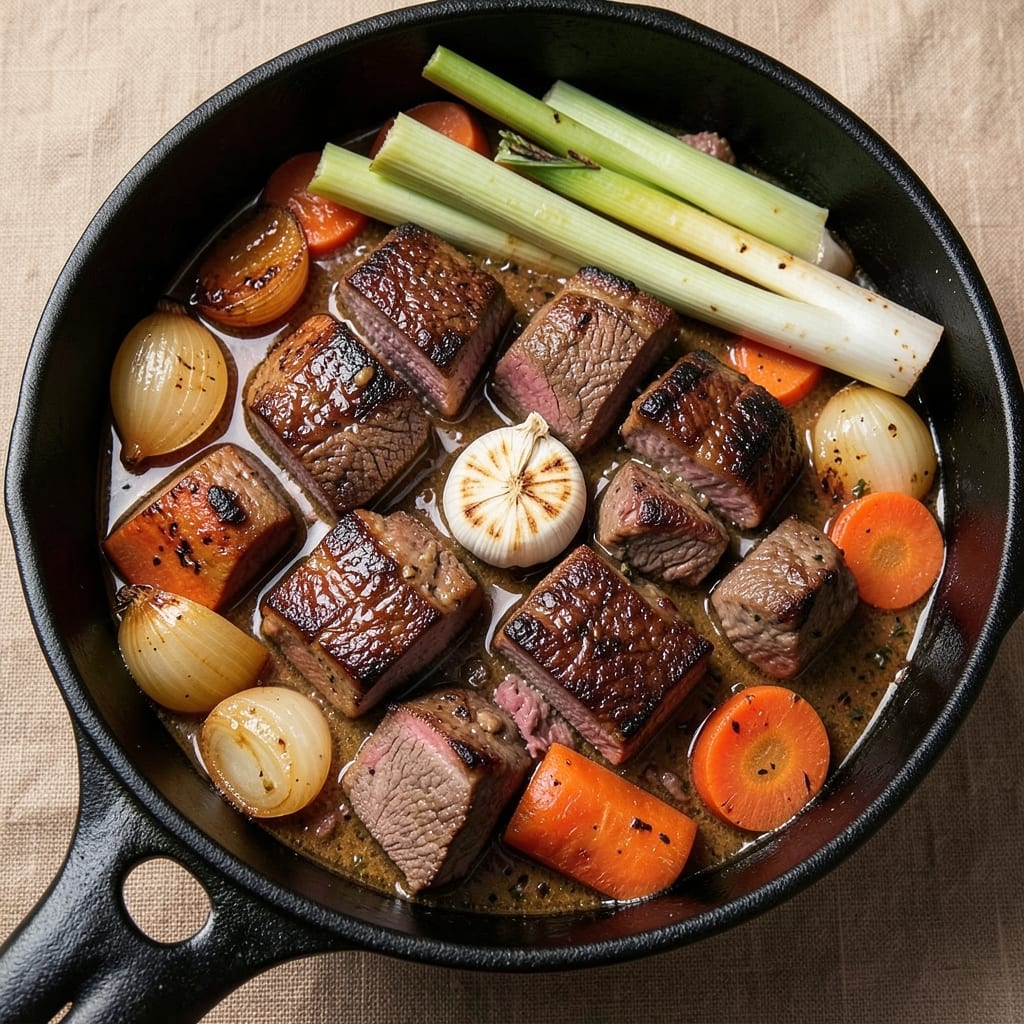
This beef and lamb stew recipe transforms tough cuts into melt-in-your-mouth tenderness through slow-simmered umami magic. The secret lies in browning the meat deeply—those rich, caramelized bits form the flavor foundation—before layering aromatic vegetables and herbs that infuse the broth over hours. I first perfected this during a chilly winter when I needed a dish that fed a crowd while requiring minimal effort after the initial prep.
The result is a hearty, deeply flavorful stew where tender beef and lamb share the spotlight with root vegetables that soften into sweet, caramelized perfection. What makes this recipe special is the balance: enough herbs to brighten the richness, enough spices to add warmth, and a technique that ensures the broth reduces to a velvety consistency without ever becoming gluey. The slow cooking transforms inexpensive cuts into something restaurant-worthy.
By the time you serve it, you'll have a pot of golden, aromatic stew with layers of texture—tender meat, crisp edges on the vegetables, and a sauce thick enough to coat every spoonful. The aroma alone will have everyone gathering at the table, and the first bite delivers that perfect harmony of savory, sweet, and herby notes. This is comfort food at its finest, the kind of dish that disappears faster than you can say "second helping."
Serve it with crusty bread for soaking up every last drop or alongside roasted potatoes for a complete meal. The beauty of this recipe is its versatility—make it once and you'll be reaching for the leftovers for days. Here's how to create it from scratch.
Ingredients for beef and lamb stew
Six hearty ingredients transform tough cuts into restaurant-worthy stew magic.
| Ingredient | Amount | Notes |
|---|---|---|
| Chuck Roast Beef 🥩 | 2 lb | Cut into 1.5-inch cubes |
| Lamb Shoulder 🐑 | 1 ½ lb | Cut into 1.5-inch cubes |
| Yellow Onions 🧅 | 2 whole | Chopped, medium dice |
| Carrots 🥕 | 4 whole | Peeled, cut into chunks |
| Celery Stalks 🌿 | 4 whole | Chopped, rough dice |
| Garlic Cloves 🧄 | 6 cloves | Smashed, not minced |
| Tomatoes 🍅 | 2 whole | San Marzano canned, crushed |
| Beef Broth 💧 | 4 cups | Homemade or high-quality |
| Red Wine 🍷 | 1 cup | Bold, dry variety |
| Tomato Paste 🍅 | 2 tbsp | Smooth, not chunky |
| Fresh Thyme 🌿 | ½ cup | Leaves only, stems removed |
| Fresh Rosemary 🌿 | ¼ cup | Chopped, coarse |
| Bay Leaves 🌿 | 2 whole | Dried, standard size |
| Olive Oil 🫒 | ½ cup | Extra-virgin for browning |
| Salt 🧂 | 2 tsp | Diamond Crystal kosher |
| Black Peppercorns 🌶️ | 1 tsp | Freshly cracked |
| Allspice Berries 🌶️ | 4 whole | Crushed lightly |
The beef and lamb are the stars here, so pick chuck roast and lamb shoulder—they're budget-friendly and pack serious flavor. Costco or Whole Foods usually have great cuts, but any grocery store's butcher section works. Look for good marbling in the beef and firm, well-trimmed lamb. If you're buying whole pieces, ask the butcher to cube them for you—saves time. The onions, carrots, and celery form your aromatic base, so don't skimp on freshness. Wilting or rubbery veggies will make the broth taste flat. I always grab extra carrots—they're the last to soften, adding sweetness as they cook.
No red wine? Beef broth with a splash of balsamic works in a pinch, though the acidity won't be quite the same. Fresh thyme and rosemary are ideal, but dried at one-third the amount gets you close. The allspice berries might be tricky to find—Penzeys or specialty spice shops carry them, or use a pinch of ground allspice if you're in a hurry. For the tomatoes, San Marzano cans are worth the splurge—they're sweeter and less acidic. If you're using fresh tomatoes, roast them first to deepen their flavor. The tomato paste can be from a tube or a jar, but avoid the watery kind.
This stew tastes even better the next day as flavors meld. Store in the fridge for 4-5 days or freeze for 3 months—portion into containers so you can grab a serving anytime. The meat gets more tender with each reheat, so don't be afraid to make a big batch. I always double the recipe for gatherings—leftovers disappear fast. If you're prepping ahead, you can brown the meat and store it in the fridge for up to 2 days before continuing with the recipe.
Why You'll Love This Recipe
- I’ll be real: chuck roast and lamb shoulder stretch further than you’d think, and they’re often cheaper than pricier cuts. Plus, the veggies (onions, carrots, celery) are pantry staples, so you’re not breaking the bank for a meal that tastes like it cost a fortune.
- One-Pot Magic: I swear by this—just toss everything in one pot, walk away, and let the slow simmer do the work. No chopping frenzy, no last-minute stress; the chuck roast and lamb shoulder practically melt into rich, tender perfection while you sip wine and pretend you’re a fancy chef.
- Deep, Rich Layers: Between us, the combo of beef and lamb is next-level—earthy, slightly sweet, and so satisfying. The onions caramelize into golden pockets of flavor, and the carrots and celery add that perfect balance of crunch and softness. It’s the kind of stew where every bite feels like a hug.
- Budget-Friendly Powerhouse: I’ll be real: chuck roast and lamb shoulder stretch further than you’d think, and they’re often cheaper than pricier cuts. Plus, the veggies (onions, carrots, celery) are pantry staples, so you’re not breaking the bank for a meal that tastes like it cost a fortune.
Step-by-step instructions for beef and lamb stew
This rich, slow-cooked masterpiece transforms humble ingredients into deep, umami-packed perfection.
Sear the Meats for Maximum Flavor
Heat a large Dutch oven over medium-high heat and add 0.5 cup olive oil. Working in batches, sear the 2 lb chuck roast beef and 1.5 lb lamb shoulder (cut into 1.5-inch cubes) until deeply browned on all sides—about 4-5 minutes per batch. This step develops the rich, caramelized crust that forms the stew's foundation.
As you sear, transfer the cooked meat to a plate and set aside. Don't crowd the pan—this ensures proper browning. The meat should release easily from the pan when ready, and the bottom should have a dark, flavorful crust. This takes patience, but it's worth every minute for that deep, meaty flavor.
Build the Aromatic Base
In the same Dutch oven, add the chopped yellow onions, carrots, and celery stalks (this classic trio is called mirepoix). Cook for 5-6 minutes until softened and slightly caramelized. Stir occasionally to prevent burning—you want them to develop color but not char.
Add the 6 smashed garlic cloves and cook for 30 seconds until fragrant. Then stir in the 2 tbsp tomato paste and cook for 1 minute, stirring constantly. This creates a flavorful paste that thickens the stew and adds depth. The tomato paste will darken slightly—this is normal and indicates it's releasing its full flavor.
Deglaze and Combine Liquids
Pour in the 1 cup red wine and scrape up all the browned bits from the bottom of the pan with a wooden spoon. This deglazing step captures all the meaty flavors that would otherwise go to waste. Let the wine simmer for 2-3 minutes until reduced by about half, allowing the alcohol to cook off and the flavors to concentrate.
Add the 4 cups beef broth, crushed tomatoes, 0.5 cup fresh thyme, 0.25 cup fresh rosemary, 2 bay leaves, 4 crushed allspice berries, 2 tsp salt, and 1 tsp black peppercorns. Stir well to combine, then return the seared meats to the pot. Bring to a gentle boil, then reduce heat to low to maintain a gentle simmer.
Slow-Simmer for Tender Perfection
Cover the Dutch oven and let the stew simmer gently for 2.5-3 hours. The key here is patience—this slow cooking breaks down the tough muscle fibers in the beef and lamb, transforming them into tender, melt-in-your-mouth pieces. Check occasionally and add a splash of water if the liquid reduces too much, but avoid stirring too frequently to prevent breaking up the meat.
You'll know it's ready when the meat is fork-tender and easily pulls apart. The stew should have thickened slightly, with a rich, velvety consistency. The aromas should be intoxicating—earthy from the rosemary and thyme, with a hint of warmth from the allspice. This is where the magic happens, so don't rush it.
Adjust and Serve
Remove the stew from heat and let it rest for 10 minutes. This resting period allows the flavors to meld and the stew to thicken slightly. Taste and adjust the seasoning if needed—you might need a pinch more salt or a crack of black pepper to balance the flavors.
Ladle the stew into bowls and serve immediately, garnished with a sprinkle of fresh thyme or rosemary if desired. Each spoonful should deliver layers of flavor—rich, tender meat, sweet carrots, earthy herbs, and a deep umami richness from the slow simmer. Pair with crusty bread to soak up every last drop of that luxurious sauce.
Pro Tips For Making Beef And Lamb Stew
- Brown the Meat First: Chuck and lamb shoulder won’t tenderize if they’re just simmered raw—get that meat deep golden in a hot pot with a splash of oil. I used to skip this, and the stew always tasted bland and mealy. Two minutes per side, even if it looks uneven—trust the crust.
- Cut Lamb Shoulder Against Grain: Lamb shoulder’s fibers run stubbornly long, and if you slice with the grain, you’ll end up with chewy chunks. Flip the meat 90 degrees on the cutting board and slice thinly—your stew will melt in your mouth instead of fight you.
- Don’t Overcrowd the Pot: Tossing in all the veggies at once? Bad idea. Sear the meat first, then remove it while you brown the onions, carrots, and celery in batches. Crowding steams instead of caramelizes, and you’ll lose that rich depth of flavor in your stew base.
- Deglaze with Red Wine (or Skip It): If you’re using red wine, don’t just dump it in—let it simmer 3-4 minutes to burn off the alcohol. No wine? A splash of beef stock or even a splash of vinegar (yes, really) will brighten the stew just as well. I’ve done both, and the difference is noticeable.
Dietary considerations for this dish
Gluten-Free Adaptations
This stew is naturally gluten-free, but always double-check your ingredients—especially the beef broth and tomato paste. Use gluten-free beef broth (like Imagine or Pacific Foods) and ensure your tomato paste has no additives. The red wine is safe as long as it's unadulterated, but avoid any wine blends with malt vinegar or barley additives. 🌾
Dairy-Free Considerations
This recipe doesn't contain dairy, but if you're serving it with sides, opt for dairy-free bread (like Schär or Canyon Bakehouse) or roasted potatoes instead of mashed potatoes. The stew's richness comes from the meat and herbs, so no dairy is needed. Just garnish with fresh herbs instead of cheese.
Low-Carb Modifications
For a lower-carb version, reduce the carrots and onions by half and add extra mushrooms (about 1 cup sliced) for umami depth. The celery can stay as-is since it's naturally low-carb. This keeps the flavor profile rich while cutting carbs. The meat and broth will still be the star of the show. 🥕
Allergen-Friendly Swaps
If you're avoiding allspice berries, replace them with ½ tsp ground allspice or a pinch of cinnamon for warmth. For garlic-sensitive eaters, reduce to 3 cloves or use garlic-infused oil instead of raw garlic. Always check beef broth labels for hidden allergens like soy or wheat. 🌶️
Vegetarian Adaptations
To make this vegetarian, replace the beef and lamb with extra-firm tofu (about 3 cups cubed) or hearts of palm (about 2 cans). Boost umami with 1 tbsp soy sauce or 1 tsp miso paste in the broth. The slow simmer will help tenderize the plant-based proteins while keeping the rich, savory flavor. 🌱
Keto-Friendly Adjustments
For a keto version, skip the carrots and onions entirely and add extra celery (about 6 stalks) plus ½ cup diced zucchini for subtle sweetness. Use bone broth (like Kettle & Fire) instead of regular beef broth to keep it low-carb. The tomato paste can stay in moderation—just 1 tbsp—since it's low in carbs but high in flavor. 🥬
Nutrition facts
Frequently asked questions
Can I substitute other cuts of beef or lamb?
For beef, chuck roast is ideal, but brisket or short ribs work well too. For lamb, shoulder or leg are great alternatives. Just ensure the cut has enough fat and connective tissue for tender results. Avoid lean cuts like sirloin—they won't develop the same richness.
How do I make this stew in a slow cooker?
Brown the meat first in a skillet, then transfer everything to your slow cooker. Use 4 cups broth and cook on low for 7-8 hours or high for 4-5 hours. The slow cooker's gentle heat will tenderize the meat beautifully. Just check occasionally and add water if needed to maintain liquid.
Why does my stew taste bland?
Bland stews usually happen from under-seasoning or not browning the meat properly. Always brown the meat deeply to build flavor, and taste as you go—add more salt, pepper, or herbs gradually. The red wine and tomato paste are key for depth, so don't skip them. If it's still bland, a splash of soy sauce or fish sauce can add umami magic.
Can I prepare this ahead of time?
This stew tastes even better the next day! Cook it fully, then refrigerate for up to 4-5 days or freeze for 3 months. The flavors meld beautifully over time. Reheat gently on the stove with a splash of water or broth to restore thickness. Leftovers make quick lunches or easy dinners.
What vegetables can I add for extra nutrition?
Try adding potatoes (1 lb, cubed), turnips (1 cup), or fennel (1 bulb) for heartier texture. For greens, stir in spinach or kale during the last 10 minutes of cooking. Just avoid delicate veggies like zucchini—they'll turn mushy.