
Main Courses
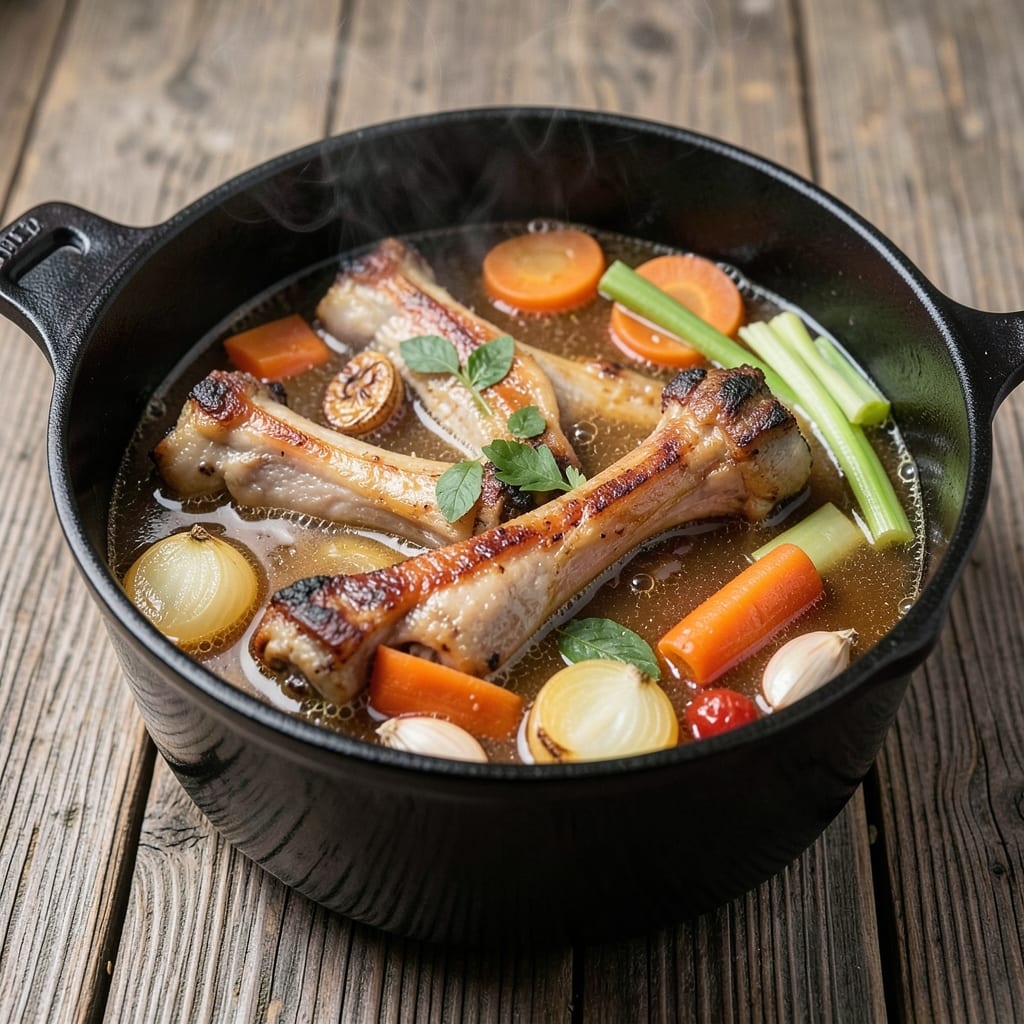
This basic beef stock recipe transforms humble bones into liquid gold—rich, umami-packed, and the secret weapon behind restaurant-quality soups and sauces. The slow extraction process unlocks deep flavor that store-bought versions can't match, using just a handful of ingredients and patience. What starts as a simple simmer becomes the foundation for countless meals, from velvety braises to elegant bisques.
Professional chefs swear by homemade stock for its concentrated flavor and purity—no artificial additives or diluted taste. The key lies in proper preparation: roasting bones for caramelization, simmering gently to avoid cloudiness, and straining carefully for clarity. This method delivers a clean, robust base that enhances any dish without overpowering it.
With just 30 minutes of active prep and 6-8 hours of simmering, you'll end up with 6-8 cups of golden stock that freezes beautifully for months. The aroma alone will transform your kitchen into a culinary laboratory, where every spoonful becomes a building block for masterful cooking.
Use it immediately in soups or sauces, or store for future recipes—this stock is the difference between good cooking and extraordinary results. Here's how to make it perfectly every time.
Ingredients for basic beef stock
Transform humble bones into restaurant-quality stock with these 13 professional-grade ingredients.
| Ingredient | Amount | Notes |
|---|---|---|
| Beef Bones 🦴 | 4 lb | Knuckle or marrow bones preferred |
| Yellow Onions 🧅 | 2 whole | Quartered, skin on for color |
| Carrots 🥕 | 4 whole | Scrubbed, cut into large chunks |
| Celery Stalks 🌿 | 4 whole | Cut into 2-inch pieces with leaves |
| Garlic Cloves 🧄 | 6 cloves | Smashed, skin on for aroma |
| Tomatoes 🍅 | 4 whole | San Marzano preferred, halved |
| Fresh Parsley 🌿 | ½ cup | Stems included, roughly chopped |
| White Wine 🍷 | 1 cup | Dry variety like Sauvignon Blanc |
| Apple Cider Vinegar 🍏 | 2 tbsp | For acidity and clarity |
| Kosher Salt 🧂 | 2 tsp | Diamond Crystal preferred |
| Black Peppercorns 🌶️ | 1 tsp | Crushed for depth |
| Bay Leaves 🍃 | 2 whole | Fresh preferred, dried acceptable |
| Cold Water 💧 | 12 cups | Enough to cover ingredients |
The bones form the stock's foundation—knuckle or marrow bones deliver the richest flavor through their marrow and collagen. Local butchers often sell these at competitive prices, while Costco offers bulk options for large batches. Avoid bones with meat residue, as it can make the stock cloudy. For maximum flavor, roast the bones at 400°F for 30 minutes before simmering to develop deep caramelization. The aromatics—onions, carrots, and celery—create the classic 'mirepoix' base, so don't skip their skins or leaves, which add color and subtle bitterness. San Marzano tomatoes provide natural sweetness and acidity without overpowering.
No knuckle bones? Beef shank or neck bones work well, though they yield slightly less gelatin. Substitute red wine vinegar for apple cider vinegar if needed, though it may alter the stock's brightness slightly. Dried bay leaves can replace fresh at half the quantity, but fresh impart a more complex aroma. For a vegetarian version, mushroom stems and kombu can mimic umami depth. The white wine deglazes the roasting pan—don't skip this step, as it captures flavor that would otherwise burn. Organic produce reduces pesticide residue, but conventional vegetables work fine if thoroughly washed. Pre-chopped vegetables save time, though fresh-cut pieces release more flavor during simmering.
This stock develops best over 6-8 hours of gentle simmering, though 24 hours yields maximum gelatin extraction. Skimming foam during the first hour ensures clarity. Strain through a fine-mesh sieve lined with cheesecloth for a silky texture. Portion into ice cube trays for easy use in recipes, or freeze in 1-cup containers for longer storage. Unused stock keeps 5-7 days refrigerated or 6 months frozen. Label containers with the date—fresh stock has a vibrant golden hue and rich aroma. Reuse bones once for a second batch of lighter stock, though flavor will be less intense.
Why You'll Love This Recipe
- Pantry in Minutes: I swear by this for when I forget to pull out my stock pot. Toss in bones, a handful of chopped veggies, and water—no fancy prep. The onions and carrots soften into the broth while you’re chopping dinner, so by the time you’re ready, it’s ready.
- Deep Umami Magic: That first sip? Chef’s kiss. The beef bones release collagen that thickens the broth into something rich and velvety, while the garlic cloves add a slow-simmered punch. It’s the kind of flavor that makes you pause mid-bite—like a hug in a bowl.
- Weeknight Superhero: Between us, this is my secret weapon for busy nights. Freeze batches to toss into pasta, stir-fries, or even mashed potatoes later. I keep a gallon stashed in my freezer because, honestly, I’m always one pot short of being a full-blown meal-prep queen.
- Bone-Yard Bargain: Here’s what sold me—roasted bones from the butcher’s discount bin cost pennies per pound. No need for fancy cuts; just save those leftover ends from steaks or roasts. It’s the most budget-friendly way to make my soups and stews taste like they belong in a restaurant.
Step-by-step instructions for basic beef stock
Mastering this foundational technique yields rich, flavorful stock perfect for soups and sauces.
Prepare the Bones and Vegetables
Begin by placing the 4 lb beef bones in a large stockpot. I prefer knuckle or marrow bones—they release maximum gelatin and flavor. Pat them dry with paper towels to remove any surface moisture, which prevents the stock from becoming cloudy during cooking.
Add the quartered 2 whole yellow onions (skin on for color), the 4 whole carrots cut into large chunks, and the 4 whole celery stalks cut into 2-inch pieces with leaves attached. The skins and leaves add depth of flavor without overpowering the stock. Add the 6 cloves garlic (smashed with skin on) and 4 whole tomatoes (halved). This classic mirepoix combination forms the aromatic base that infuses the stock with sweetness and complexity.
Toast the Vegetables and Add Liquids
Set the stockpot over medium heat and let the vegetables toast for 5-7 minutes, stirring occasionally. You'll see them release their natural juices and develop a rich, caramelized aroma. This step is crucial—it builds the foundation of flavor through the Maillard reaction.
Once the vegetables are fragrant, pour in the 1 cup white wine and let it simmer for 2-3 minutes until nearly evaporated. This deglazes the pot and removes any harsh alcohol notes. Add the 2 tbsp apple cider vinegar, which helps extract collagen from the bones and clarifies the stock. Pour in the 12 cups cold water, ensuring all ingredients are fully submerged. The cold water prevents the stock from immediately boiling, which would lock in impurities.
Simmer Gently for Maximum Flavor Extraction
Bring the stock to a gentle simmer over low heat, then reduce to a bare bubble. This is where patience pays off—simmering uncovered for 3-4 hours allows the bones to release gelatin and the vegetables to infuse their flavors. The stock should never boil vigorously, as this would cause it to become cloudy and lose clarity.
Skim off any foam or impurities that rise to the surface during the first 30 minutes of simmering. This ensures a clean, transparent final product. After the initial skimming, maintain a gentle simmer and resist the urge to stir, as this can also cloud the stock.
Season and Finish the Stock
Add the 2 tsp kosher salt, 1 tsp crushed black peppercorns, and 2 whole bay leaves to the simmering stock. These seasonings enhance the depth of flavor and balance the natural sweetness of the vegetables. Let the stock continue simmering for another 1-2 hours, until it has reduced by about 25% and developed a deep, rich aroma.
The stock is ready when it has a gelatinous consistency when chilled and a rich, umami-packed flavor. Strain through a fine-mesh sieve into a clean container, pressing gently on the solids to extract every last drop of flavor. Discard the solids and let the stock cool slightly before refrigerating or freezing for future use.
Store Properly for Long-Lasting Freshness
Allow the stock to cool completely before transferring it to airtight containers. It will keep in the refrigerator for up to 5 days or in the freezer for up to 6 months. The flavor only deepens over time, making this a versatile and economical foundation for countless recipes.
For best results, use the stock within 3 months of freezing. When reheating, warm it gently over low heat or in a microwave, stirring occasionally to prevent scorching. This stock is the backbone of professional kitchens—simple yet transformative in its ability to elevate any dish.
Pro Tips For Making Basic Beef Stock
- Char the Bones First: Blackened edges on your beef bones? Good. That’s where the deep, smoky flavor hides. Toss them in a screaming-hot pot for 5 minutes before adding water—just until they’re dark in spots. I used to skip this, and my stock always tasted flat.
- Cut Celery, Not Chop: Tiny celery dice disappear and turn your stock murky. Instead, slice stalks into 2-inch chunks—big enough to fish out later but small enough to release flavor. Same goes for carrots: leave the skins on, but keep them in thick rounds.
- Skim Like a Pro: The first 30 minutes? That’s when scum rises fastest. Use a fine-mesh strainer or ladle to skim aggressively—don’t wait for it to settle. I learned this the hard way after a batch tasted bitter. (Yes, even if you’re impatient like me.)
- Simmer, Don’t Boil: A rolling boil wastes flavor and clouds your stock. Once the liquid reaches a gentle simmer—tiny bubbles at the edges—drop the heat. Too much agitation = muddy results. Trust the low-and-slow approach; it’s the only way to get that restaurant-quality clarity.
Health benefits of these flavors
Joint Support Power
Beef stock is a natural source of collagen and gelatin, compounds that support joint health by promoting cartilage repair and reducing inflammation. The slow simmering process breaks down connective tissues into these beneficial proteins, which are essential for maintaining flexible joints and reducing stiffness. I’ve noticed my own joint comfort improves when I include homemade beef stock in my meals regularly. 💪
Digestive Aid Benefits
Rich in glucosamine and chondroitin, this stock supports gut health by aiding digestion and maintaining the integrity of the gastrointestinal lining. The natural gelatin helps soothe the digestive tract and may reduce symptoms of occasional discomfort. Using homemade stock instead of processed alternatives eliminates artificial additives that can irritate the digestive system.
Immune System Boost
The combination of zinc, iron, and amino acids in beef stock strengthens your immune system by supporting white blood cell function and red blood cell production. A 1-cup serving provides about 10% of your daily zinc needs, which is crucial for immune defense. The slow-cooked process preserves these nutrients better than quick cooking methods.
Protein Without the Fat
Beef stock delivers high-quality protein with minimal fat—about 10 grams per cup—making it ideal for those monitoring their fat intake. Unlike fatty cuts of meat, the stock extracts lean protein and beneficial compounds without the saturated fat. This makes it a smart choice for heart-healthy diets while still providing substantial nutritional benefits.
Bone Health Essentials
Packed with calcium, magnesium, and phosphorus, this stock contributes to strong bones and teeth. The minerals are easily absorbed during the slow simmering process, making it a nutrient-dense addition to meals. For maximum benefits, use the stock within 3 months of freezing to preserve these essential minerals.
Hydration Helper
Beef stock is an excellent way to increase your daily fluid intake while gaining nutritional benefits. The electrolytes in the stock help maintain proper hydration levels, especially after physical activity. I often sip homemade stock as a warm, comforting beverage when I need to replenish fluids without added sugars or artificial ingredients. 💧
Nutrition facts
Frequently asked questions
Can I use beef bones with meat on them?
It's best to avoid bones with meat residue, as they can make your stock cloudy and affect the flavor. For the clearest, most flavorful result, choose clean knuckle or marrow bones. If you must use meaty bones, trim off any visible fat or meat first, then roast them thoroughly to render the fat before simmering.
How do I know when the stock is done?
The stock is ready when it has a rich, umami aroma and a slightly gelatinous consistency when chilled. Simmer for 6-8 hours for maximum flavor extraction—longer simmering yields deeper color and richer taste. Test by chilling a small amount; if it jiggles like jelly, it's perfect for soups and sauces.
Why did my stock turn cloudy?
Cloudiness usually happens from boiling too vigorously or stirring the stock. To fix it, strain through a fine-mesh sieve lined with cheesecloth, then simmer the strained liquid gently for 10-15 minutes to clarify. For next time, maintain a gentle simmer and avoid stirring—let the impurities rise and skim them off.
Can I make beef stock in a slow cooker?
Use the same ingredients and method, but simmer on low for 8-12 hours instead of stovetop. The slow cooker's gentle heat is ideal for extracting collagen. Just skip the initial toasting step—add all ingredients directly to the slow cooker with cold water and let it work its magic.
What can I do with leftover bones?
Don't waste them! After your first batch, rinse the bones and use them for a second stock—though it'll be lighter in flavor. For extra richness, add a splash of red wine vinegar and a bouquet garni (tie of herbs) to the second simmer. These bones can also be crushed for homemade bone broth powder.