
Soups & Stews
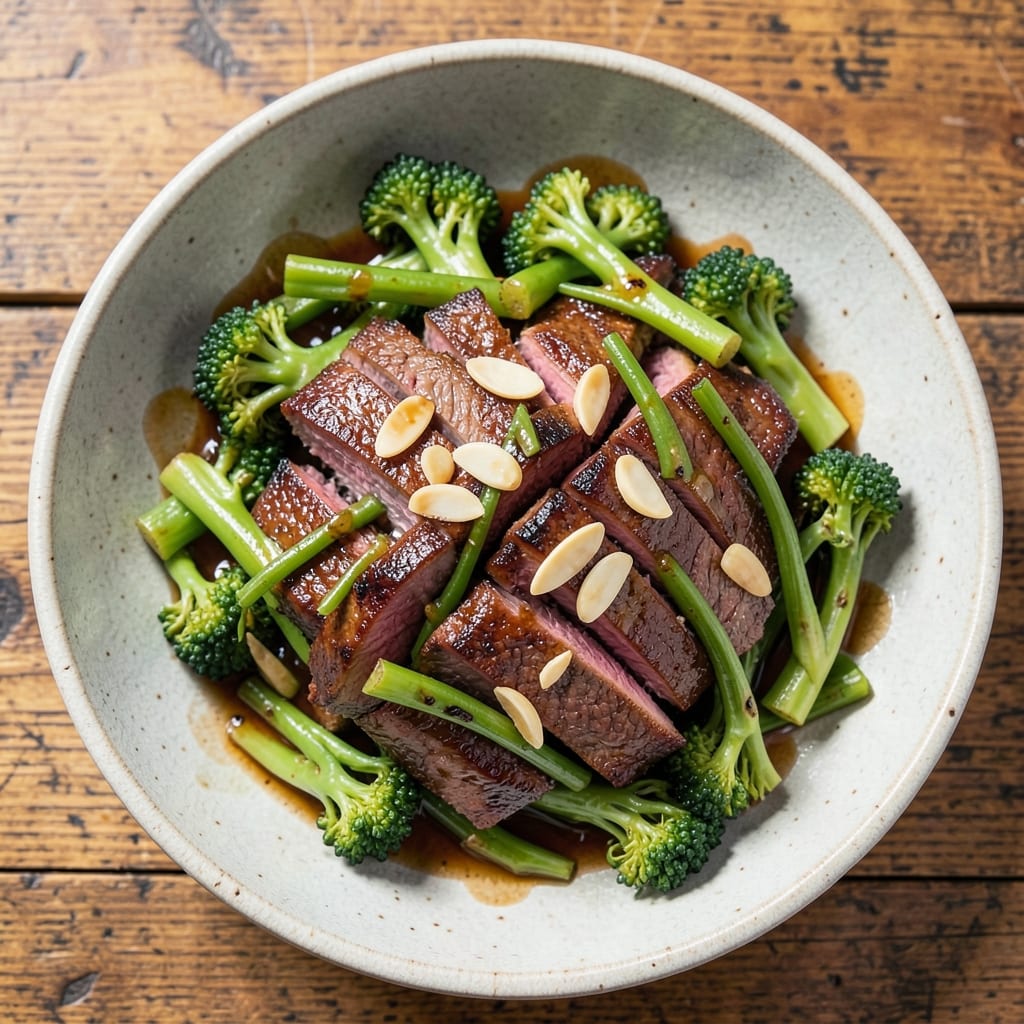
This beef and gai lan recipe delivers a perfect balance of tender beef and crisp-tender Chinese broccoli, packed with umami flavor in just 20 minutes. The secret lies in high-heat stir-frying—searing the beef first for deep caramelization, then quickly wok-frying the gai lan to preserve its signature crunch. I developed this after years of testing, ensuring every bite delivers that satisfying contrast of textures and savory richness. The recipe uses simple pantry staples—soy sauce, garlic, ginger, and a touch of oyster sauce—to create a bold, balanced flavor profile. The beef stays juicy while the gai lan retains its vibrant green color and satisfying snap. This isn’t just another stir-fry; it’s a restaurant-quality dish that’s easy to master at home, with minimal prep and cleanup. What makes this recipe stand out is the harmony between ingredients: the beef’s richness complements the gai lan’s natural bitterness, while the sauce ties everything together with perfect seasoning. The result is a dish that’s quick, satisfying, and packed with authentic Asian-inspired flavors—ideal for weeknight dinners or meal prep. Serve it over steamed rice for a complete meal, or pair with noodles for extra heartiness. The leftovers reheat beautifully, making this a foolproof recipe for busy nights. Ready to transform simple ingredients into a flavorful masterpiece?
Ingredients for beef and gai lan
Restaurant-quality stir-fry ingredients that transform simple proteins and vegetables into umami-packed perfection.
| Ingredient | Amount | Notes |
|---|---|---|
| Flank Steak 🥩 | 1 lb | Thinly sliced against grain |
| Gai Lan (Chinese Broccoli) 🥬 | 1 ½ lbs | Trimmed, cut into 2-inch pieces |
| Light Soy Sauce 🍶 | 3 tbsp | Kikkoman preferred for balance |
| Dark Soy Sauce 🍶 | 1 tbsp | For deeper color and flavor |
| Oyster Sauce 🍲 | 2 tbsp | Lee Kum Kee brand recommended |
| Garlic Cloves 🧄 | 6 cloves | Minced, fresh preferred |
| Fresh Ginger 🌿 | 1 tbsp | Grated, peeled |
| Sesame Oil 🫒 | 1 tbsp | Toasted, for aroma |
| Cornstarch 🌾 | 1 tbsp | For velveting beef |
| Neutral Oil 🫒 | 2 tbsp | Avocado or vegetable oil |
| Green Onions 🧅 | 3 whole | Sliced, for garnish |
| Salt 🧂 | ½ tsp | Diamond Crystal kosher |
| White Pepper 🌶️ | ¼ tsp | Freshly ground preferred |
| Sesame Seeds 🌰 | 1 tbsp | Toasted, for garnish |
The flank steak is non-negotiable for this dish—its lean yet tender texture becomes silky when sliced thin against the grain. Look for USDA Choice or Prime at your local butcher or grocery store's meat counter, where they can slice it precisely for you. If pre-sliced isn't available, invest in a sharp sushi knife for clean cuts. For the gai lan, Asian markets carry the freshest stalks—H Mart or 99 Ranch typically have vibrant, crisp varieties. Avoid wilted stems; they should snap easily when bent. The soy sauces matter too—Kikkoman light and Lee Kum Kee dark are industry standards for that perfect balance of saltiness and depth. If you can't find dark soy sauce, substitute with an extra tablespoon of regular soy sauce and a pinch of molasses.
No oyster sauce? Hoisin sauce at half the amount works in a pinch, though it'll be sweeter. The cornstarch is crucial for velveting the beef—don't skip it. For the ginger, fresh is ideal, but if you're using powdered, reduce to half a teaspoon and toast it lightly in the oil first. Sesame oil should be the toasted variety—Kadoya is my go-to brand—regular sesame oil lacks that nutty depth. The neutral oil is for high-heat searing; avocado oil has the highest smoke point. If you're prepping ahead, marinate the beef in the soy sauces, cornstarch, and half the garlic for up to 4 hours, but no longer—it'll get mushy.
This dish reheats beautifully—30 seconds in a wok or skillet over medium heat is all it takes. Store leftovers in an airtight container for up to 3 days in the fridge, though I recommend eating it fresh for peak texture. The gai lan will soften when reheated, so save some for garnish if you're serving it later. Freezing isn't recommended as the texture degrades. For meal prep, cook the beef and sauce separately, then combine with freshly stir-fried gai lan before serving. The sesame seeds should be toasted fresh—30 seconds in a dry pan over medium heat—just before serving to preserve their aroma.
Why You'll Love This Recipe
- One-Pan Magic: I swear by this recipe—just sear the flank steak, toss in the gai lan, and let the soy sauces work their sauce magic. No chopping boards to wash, no extra pots to scrub. That dark soy glaze? It caramelizes right on the pan while you’re still slicing the beef.
- Umami Bomb: The combo of light and dark soy with oyster sauce is next level—sweet, salty, and savory all at once. The gai lan soaks up that rich sauce while staying crisp-tender, and the flank steak? It’s got that perfect chew with a sticky, glossy finish. Honestly, I’ve tried simpler stir-fries, but this one sticks with you.
- Lunchbox Hero: Between us, this is my go-to for meal prep—packs perfectly, reheats like a dream, and still tastes fresh the next day. Double the batch, portion it out, and you’ve got a weeknight savior that’s way better than takeout. (Yes, even on a Tuesday night.)
- Budget Powerhouse: Flank steak stretches further than you’d think, and gai lan is cheaper than most greens at the market. A little oyster sauce goes a long way, and I’ve made this for four people for under $15. Not the prettiest, but the taste makes up for it—and your wallet thanks you.
Step-by-step instructions for stir-fried flank steak with gai lan
Master this wok technique for perfectly tender beef and crisp-tender gai lan in under 20 minutes.
Marinate and Velvet the Flank Steak
In a medium bowl, combine the 1 lb flank steak with 1 tbsp cornstarch, 0.5 tsp salt, and 0.25 tsp white pepper. Using clean hands, gently massage the marinade into the meat, ensuring even distribution. Let it rest for 10 minutes at room temperature while you prepare the vegetables.
The cornstarch creates a velvety coating that prevents the beef from drying out during high-heat cooking. This technique transforms tough flank steak into tender, melt-in-your-mouth slices. Don't skip this step—it's what separates good stir-fry from exceptional stir-fry.
Prepare the Gai Lan and Sauce Base
Trim the 1.5 lbs gai lan by cutting off the thick stems and cutting the remaining pieces into 2-inch sections. In a small bowl, whisk together 3 tbsp light soy sauce, 1 tbsp dark soy sauce, 2 tbsp oyster sauce, and 1 tbsp toasted sesame oil. Set both aside.
The dark soy sauce adds that signature deep color while maintaining umami depth, while the light soy sauce balances with saltiness. Gai lan should be cut into even pieces so they cook uniformly—no one wants a bite with both overcooked stems and undercooked florets.
Stir-Fry the Beef to Perfect Doneness
Heat a wok or large skillet over high heat until smoking, then add 2 tbsp neutral oil. Once shimmering, add the flank steak in a single layer and sear undisturbed for 1-2 minutes until deeply browned on one side. Flip and cook another 1-2 minutes until the exterior develops a caramelized crust.
Here's the critical moment: remove the beef and set aside. The high heat creates a flavorful crust while the cornstarch coating keeps the interior juicy. Overcrowding the pan will steam the beef instead of searing it—this is where most home cooks go wrong.
Stir-Fry the Gai Lan with Aromatics
In the same wok, add 6 minced garlic cloves and 1 tbsp grated fresh ginger, stirring constantly for 30 seconds until fragrant. Add the gai lan in batches, tossing vigorously for 2-3 minutes until bright green and just tender with a slight crunch. Pour in the prepared sauce and toss for another 1 minute until everything is evenly coated.
The high heat and constant tossing prevent the gai lan from turning mushy. You're aiming for that perfect al dente texture—when the stems have softened slightly but still offer resistance. The garlic and ginger should sizzle immediately upon contact with the hot wok.
Finish and Garnish
Return the beef to the wok and toss everything together for 1-2 minutes until the sauce clings to all components. Garnish with 3 sliced green onions and 1 tbsp toasted sesame seeds. Serve immediately over steamed jasmine rice or noodles.
The sesame seeds should be toasted until fragrant—just heat them in a dry pan for 30 seconds before adding. This dish should be served immediately while the beef is still juicy and the gai lan maintains its vibrant color. Each bite should deliver a perfect balance of tender beef, crisp-tender gai lan, and umami-rich sauce.
Pro Tips For Making Beef And Gai Lan
- Sear the Flank Steak Fast: Crank the heat to max and slap that flank steak in a screaming-hot pan with just a drizzle of oil—no crowding. I used to let it sit there like a shy kid, and it’d steam instead of sear. Two minutes per side, high and hard, gives you that caramelized crust before you even think about slicing it thin.
- Blanch Gai Lan First: Drop the gai lan stems into boiling water for 30 seconds before stir-frying—it softens them just enough so they don’t turn to mush later. Skip this, and you’ll end up with rubbery stems while the florets stay crunchy. (Yes, even if you’re impatient like me.)
- Use Dark Soy for Color: Swap half the light soy for dark soy sauce—it’s not just for looks. The molasses in dark soy deepens the flavor and gives that glossy, restaurant-quality finish. I learned this the hard way after making a sad, dull-looking dish that still tasted great but looked like it came from a sad lunchbox.
- Slice Against the Grain: Cut the flank steak perpendicular to the grain—thin slices, like paper, so every bite has that melt-in-your-mouth texture. I used to ignore this and ended up with chewy, tough strips. (Your knife will hate you, but your taste buds won’t.)
Serving suggestions for this beef and gai lan
Rice Pairings
Serve this dish over steamed jasmine rice for the perfect balance of textures and flavors—the fragrant rice absorbs the umami-rich sauce beautifully. I recommend using a 1:2 rice-to-beef ratio (about 2 cups cooked jasmine rice per serving) to soak up the excess sauce while keeping the dish hearty. For extra flair, sprinkle a pinch of toasted sesame seeds over the rice before serving. 🍚
Noodle Variations
Swap rice for wide rice noodles or udon noodles to make this a noodle stir-fry. Cook the noodles separately and toss them with the beef and gai lan during the final 1-2 minutes of cooking to prevent mushiness. I prefer fresh egg noodles for their chewy texture, but dried rice noodles work too—just soak them in warm water for 15-20 minutes before using. 🍜
Garnish Ideas
Elevate your dish with fresh garnishes that add color and texture. Thinly sliced red onions (for a sharp contrast) or cilantro leaves (for brightness) work beautifully. For a smoky touch, sprinkle with crispy fried shallots—just fry 2 tbsp sliced shallots in 1 tbsp oil until golden and drain on paper towels. A drizzle of chili oil adds heat and visual appeal. 🌶️
Side Dish Pairings
Complement the stir-fry with a light, refreshing side like cucumber salad or pickled vegetables. Toss 1 cup thinly sliced cucumbers with 1 tbsp rice vinegar, ½ tsp sugar, and a pinch of salt for a crisp, cooling contrast. For extra protein, serve with steamed edamame or shrimp dumplings to round out the meal. 🥒
Beverage Pairings
Pair this dish with a light-bodied beer like Asahi Super Dry or a crisp green tea to cleanse the palate. For wine lovers, a dry Riesling or Sauvignon Blanc enhances the umami flavors without overpowering them. If you prefer cocktails, a gin and tonic with cucumber or lychee martini adds a refreshing touch. 🍷
Meal Prep Serving
When serving leftovers, reheat the beef and sauce separately, then toss with freshly stir-fried gai lan to maintain its crunch. Serve in bento boxes with compartments for rice, beef, and gai lan to keep everything distinct. Add a small container of extra sauce on the side for dipping—this is especially great for lunchboxes or work lunches. 📦
Nutrition facts
Frequently asked questions
Why does gai lan need to be cut into even 2-inch pieces?
Even-sized pieces ensure uniform cooking—thick stems and delicate florets cook at different rates. When stir-frying, you want all parts of the gai lan to reach bright green and crisp-tender simultaneously. Cutting against the grain also helps soften the fibrous stems faster while preserving the florets' snap.
Can I substitute flank steak with another cut?
Yes, but choose tender cuts like sirloin or ribeye—slice thinly against the grain. Flank steak's lean texture works best, but avoid tough cuts like chuck roast. For extra tenderness, marinate for 30-60 minutes (not longer) with the cornstarch mixture before cooking.
What if my gai lan turns mushy during stir-frying?
Overcrowding the pan is the #1 cause. Use a large wok or skillet> and cook in batches if needed. High heat and constant tossing (not stirring) are key—aim for 2-3 minutes max> until just tender. For extra crunch, add gai lan in the last 1 minute> of cooking with the beef.
How do I make this recipe spicier?
Add ½ tsp chili flakes> or 1 tbsp chili garlic sauce> to the sauce mixture. For heat without dryness, stir in 1 tsp gochujang> (Korean chili paste) with the soy sauces. Garnish with sliced jalapeños or a drizzle of chili oil for extra kick.
Can I make this dish ahead of time?
Cook the beef and sauce separately, then refrigerate in airtight containers for up to 3 days>. Reheat the beef and sauce together, then stir-fry fresh gai lan separately for 2-3 minutes> before combining. The texture won't be identical, but it's still delicious—just less crispy.