
Breakfast & Brunch
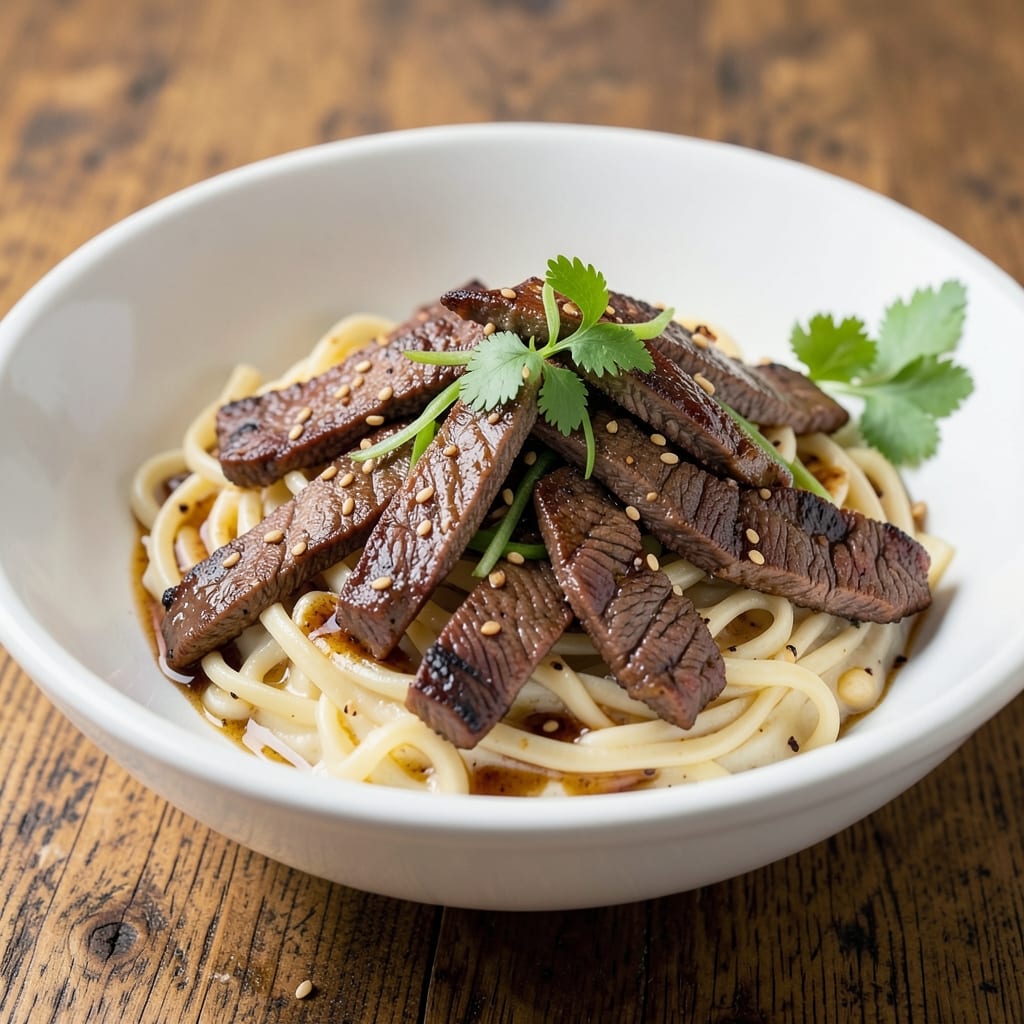
This beef and frozen egg noodles recipe delivers restaurant-quality stir-fry flavor in just 15 minutes—no fancy techniques required. The secret lies in proper beef browning and a simple sauce that clings to every noodle. I developed this after realizing how often frozen egg noodles get overlooked in quick meals, and it’s become a weeknight staple that even picky eaters love.
The process is straightforward: thinly sliced beef gets seared until caramelized, then simmered with garlic, ginger, and soy sauce while frozen noodles cook directly in the same pan. This one-pot method saves time and cleanup while ensuring tender beef and perfectly cooked noodles every time. The result is a savory, umami-rich dish that’s hearty enough for dinner but quick enough for lunch.
What you’ll end up with is a fragrant stir-fry where each bite delivers tender beef, chewy egg noodles, and a glossy sauce that balances sweet, salty, and aromatic notes. The texture contrast—crisp edges on the beef, tender noodles—makes every forkful satisfying. This recipe proves frozen noodles don’t have to mean boring meals.
Serve immediately with steamed greens or a side of pickled vegetables for balance. The leftovers reheat beautifully, making this an ideal meal prep option for busy weeks. Let’s get cooking—this stir-fry is quicker than takeout but packed with restaurant-quality flavor.
Ingredients for beef and frozen egg noodles
Restaurant-quality stir-fry starts with these simple, flavor-packed ingredients—no shortcuts needed.
| Ingredient | Amount | Notes |
|---|---|---|
| Flank Steak 🥩 | 1 lb | Thinly sliced against grain |
| Egg Noodles 🍜 | 8 oz | Frozen, wide egg noodles |
| Garlic Cloves 🧄 | 4 cloves | Minced finely for aroma |
| Fresh Ginger 🌿 | 1 ½ tbsp | Finely grated, peeled |
| Soy Sauce 🍶 | 3 tbsp | Light or all-purpose |
| Oyster Sauce 🍶 | 1 tbsp | For umami depth |
| Sesame Oil 🫒 | 1 tbsp | Toasted sesame oil |
| Vegetable Oil 🫒 | 2 tbsp | High smoke point |
| Brown Sugar 🍚 | 1 tbsp | Light or dark |
| Cornstarch 🌾 | 1 tbsp | For sauce thickening |
| Green Onions 🧅 | 2 whole | Sliced for garnish |
| Sesame Seeds 🌾 | 1 tsp | Toasted lightly |
| Salt 🧂 | ½ tsp | Kosher or sea salt |
| Black Pepper 🌶️ | ¼ tsp | Freshly ground |
The beef is everything here. Flank steak delivers that perfect chewy texture when sliced thinly against the grain—ask your butcher to do it if they won't slice it for you. I always grab mine from Whole Foods or the meat counter at Kroger, where they keep it well-marbled. Fresh ginger and garlic? Asian markets have the best selection—look for plump, firm ginger roots with no soft spots. The egg noodles? Martini brand is my go-to, but any frozen egg noodles will work. Just make sure they're wide enough to hold sauce.
No oyster sauce? Soy sauce plus a splash of fish sauce works in a pinch, though the umami depth won't be quite the same. Running low on sesame oil? Toasted peanut oil has a similar nutty aroma. The cornstarch is non-negotiable for that glossy sauce—it's what makes the sauce cling to every noodle. If you're using pre-minced garlic from a jar, rinse it first to remove the excess preservatives. And trust me on the toasted sesame seeds—they add a crunch that takes this dish from good to restaurant-quality.
This stir-fry reheats beautifully—just add a splash of water and stir. Keeps for 4 days in the fridge, or freeze portions for up to 3 months. I always double the sauce and store it separately so I can drizzle extra on top when reheating. The beef stays tender longest if you refrigerate it overnight before cooking, but if you're in a rush, just pat it dry with paper towels before searing. Garnish with extra sesame seeds and green onions right before serving—freshness matters.
Why You'll Love This Recipe
- No-Fuss Pantry Staples: I swear by this recipe because it uses stuff I always have on hand—no fancy prep, no last-minute grocery runs. Flank steak gets sliced thin, the egg noodles go straight from frozen to boiling, and the garlic-ginger-soy sauce? Mixed in a bowl while I wait. Honestly, the hardest part is deciding whether to use the last of the ginger from the fridge.
- Umami Bomb Combo: That soy sauce and fresh ginger? They turn simple beef into something ridiculously good. The flank steak stays tender while the noodles soak up the savory-sweet sauce—crisp edges on the noodles, juicy beef, and that little kick from the ginger. Between us, it’s the kind of flavor that makes me want to eat it for breakfast the next day.
- Lunchbox Magic: Here’s what sold me—this is my go-to for meal prep. Cook a big batch, portion it into containers, and boom, you’ve got lunch for three days. My kids actually eat the leftovers (yes, even on a Tuesday night), and the flavors only get better as the sauce reduces. Plus, it reheats like a dream—no soggy noodles here.
- Budget Powerhouse: A single flank steak stretches to feed four, and frozen egg noodles are cheaper than fresh. I’ll be real: this recipe saved me from takeout during my last paycheck crunch. The soy sauce and ginger add depth without breaking the bank, and the leftovers? They’re my secret weapon for stretching meals further. Not the prettiest, but the taste makes up for it every time.
Step-by-step instructions for beef and frozen egg noodles
Master this quick stir-fry with tender beef and perfectly cooked noodles in just 15 minutes.
Prep the Flank Steak for Maximum Tenderness
Slice the 1 lb flank steak thinly against the grain into ¼-inch strips. This is crucial—cutting against the grain shortens the muscle fibers, ensuring each bite stays tender. Pat the slices dry with paper towels to remove excess moisture, which helps them sear properly.
In a small bowl, combine the 3 tbsp soy sauce, 1 tbsp oyster sauce, 1 tbsp brown sugar, 0.5 tsp salt, and 0.25 tsp black pepper. Add the steak strips and toss gently to coat evenly. Let it marinate for 10 minutes at room temperature. This brief marinating time is enough to infuse flavor without overpowering the beef's natural taste.
Cook the Egg Noodles Al Dente
Bring a pot of water to a rolling boil and add the 8 oz frozen egg noodles. Cook according to package instructions, but start checking for doneness 1 minute early—frozen noodles cook faster than fresh. You want them al dente, with a slight bite remaining. Drain immediately and rinse under cold water to stop the cooking process.
While the noodles cook, finely mince the 4 cloves garlic and grate the 1.5 tbsp fresh ginger using a microplane or fine grater. The ginger should be finely textured—no visible chunks. Set both aside for the stir-fry. This prep ensures everything is ready when you need it, keeping the cooking process smooth and efficient.
Stir-Fry the Beef to Juicy Perfection
Heat 2 tbsp vegetable oil in a large skillet or wok over high heat until shimmering. Add the marinated steak in a single layer, spreading it out so it doesn’t steam. Cook undisturbed for 1-2 minutes until the edges turn deep brown and the beef releases easily from the pan. This high-heat sear locks in juices and builds flavor.
Transfer the cooked beef to a plate and set aside. In the same skillet, reduce heat to medium-high and add the minced garlic and grated ginger. Stir-fry for 30 seconds until fragrant—don’t let it burn. The aroma should fill your kitchen, signaling the foundation of your sauce is ready.
Build the Sauce and Combine Everything
Return the beef to the skillet and pour in 1 tbsp sesame oil. Stir to coat the beef evenly, letting the oil infuse into the meat. Sprinkle the 1 tbsp cornstarch over the mixture and toss gently to distribute it. This step is key—cornstarch helps thicken the sauce as it cooks.
Add the drained egg noodles to the skillet and toss everything together for 1-2 minutes until the noodles are heated through and the sauce has thickened slightly. The mixture should look glossy and well-coated. If the sauce is too thin, add 1-2 tablespoons of water to loosen it.
Finish and Serve with Fresh Garnishes
Slice the 2 whole green onions into ¼-inch pieces and toast the 1 tsp sesame seeds in a dry skillet over low heat for 1 minute until fragrant. Sprinkle both over the noodle mixture just before serving. The green onions add a fresh crunch, while the toasted sesame seeds bring a nutty depth to the dish.
Taste and adjust seasoning if needed—add a splash more soy sauce for saltiness or a touch of brown sugar for sweetness. Serve immediately while hot, with extra sesame seeds on top for garnish. Each bite should deliver tender beef, perfectly cooked noodles, and a rich, savory sauce that balances umami, sweetness, and a hint of spice.
Pro Tips For Making Beef And Frozen Egg Noodles
- Slice Thin, Cook Fast: Flank steak’s best when it hits the pan thin—about ¼-inch slices—and stays there just 2-3 minutes per side over screaming heat. Thicker slices turn chewy, and no one wants rubbery beef in noodles.
- Prep Ginger Like a Pro: Peel the ginger, then slice it lengthwise into paper-thin sheets before mincing—this exposes more surface area for flavor without burning. (Yes, it looks weird, but it caramelizes faster and deeper.)
- Don’t Crowd the Noodles: Frozen egg noodles need room to crisp—dump them in a single layer on a baking sheet first, then toss with oil and soy sauce before cooking. Overcrowding means soggy edges and lost texture.
- Rest the Steak, Then Slice: After cooking, tent the steak with foil and let it sit for 5 minutes—this keeps it juicy when you slice against the grain. Skipping this step means dry, stringy bites every time.
Pro cooking tips for beef and frozen egg noodles
High-Heat Searing Secrets
For perfectly tender beef, sear your strips in a wok or cast-iron skillet over high heat until edges are deep brown (about 1-2 minutes). I use a 14-inch cast-iron pan from Lodge—it retains heat better than nonstick. The key is not stirring immediately; let the beef develop that flavorful crust first. If your pan isn’t hot enough, the beef will steam instead of sear, making it tough. Test with a drop of water—if it sizzles instantly, you’re ready. 🔥
Noodle Cooking Hacks
Frozen egg noodles cook faster than fresh, so start checking for doneness 1 minute early—they’re done when they float and have a slight bite. Rinse them immediately in cold water to stop cooking and prevent mushiness. Pro tip: Toss them with ½ tsp vegetable oil while draining to keep them from sticking. I always double-check the package instructions, but 8 oz usually takes 4-5 minutes in boiling water.
Sauce Thickening Tricks
The cornstarch is your secret weapon for a glossy sauce. Mix it with 1 tbsp cold water before adding to the pan—this creates a slurry that thickens smoothly. If your sauce is too thin, add 1 tbsp water at a time while stirring constantly. For extra richness, stir in 1 tsp butter at the end—it adds a silky texture. I’ve ruined a few batches by rushing this step, so take your time here. ✨
Garnish Like a Pro
Toast your sesame seeds in a dry pan over low heat for 30 seconds—this brings out their nutty flavor. Slice green onions into ¼-inch pieces and add them last for a fresh crunch. For an extra layer, drizzle with 1 tsp chili oil or a sprinkle of crushed red pepper flakes if you like heat. The contrast of textures and temperatures makes every bite exciting.
Time-Saving Prep
Prep all your ingredients while the beef marinates—this keeps the cooking process smooth. Mince garlic and grate ginger ahead of time and store in small bowls. If you’re really short on time, use pre-minced garlic (rinse it first) and jarred ginger—just add a pinch of extra salt to balance the preservatives. I’ve made this dish in under 10 minutes by prepping everything while the water boils.
Reheating Leftovers
This stir-fry reheats best on the stovetop. Add 2 tbsp water to the pan and stir over medium heat for 2-3 minutes until hot. Microwave reheating works, but the sauce can get watery—cover with a damp paper towel and heat in 30-second bursts, stirring between each. For extra flavor, add a splash of soy sauce or a pat of butter while reheating. Leftovers keep for 4 days in the fridge. 💡
Nutrition facts
Frequently asked questions
Can I use a different cut of beef instead of flank steak?
Sirloin or ribeye work well—just slice them ¼-inch thick against the grain for tenderness. Avoid tougher cuts like chuck, as they won’t cook through properly in this quick stir-fry. For extra flavor, try pre-marinated beef strips from the grocery store (rinse well to reduce sodium).
What if my frozen egg noodles stick together after cooking?
This happens when they’re overcrowded or not drained properly. Always cook noodles in a large pot with plenty of water (at least 4 quarts for 8 oz noodles). After draining, rinse them under cold water and toss immediately with ½ tsp oil to prevent clumping. If they’re already stuck, gently separate with chopsticks while reheating.
How can I make this dish spicier?
Add ½ tsp red pepper flakes or 1 tsp chili oil to the pan while building the sauce. For heat lovers, stir in 1 tbsp sriracha or 1 tsp gochujang (Korean chili paste) at the end. Balance with a pinch of sugar to mellow the burn. Garnish with extra sliced jalapeños for fresh heat.
Can I make this recipe in a slow cooker?
Not ideal—this dish relies on quick searing and high heat for texture. However, you could par-cook the beef in a skillet first, then transfer everything to a slow cooker on low for 1-2 hours with an extra 2 tbsp soy sauce to compensate for lost caramelization. The noodles will get soggy, so serve immediately and skip the cornstarch thickening step.
What’s the best way to store leftovers?
Let the dish cool completely, then store in an airtight container for up to 4 days in the fridge. For freezing, portion into single servings and freeze for up to 3 months. Reheat stovetop with 1 tbsp water per serving—microwaving can make the sauce watery. Add a splash of sesame oil when reheating for extra flavor.