
Soups & Stews
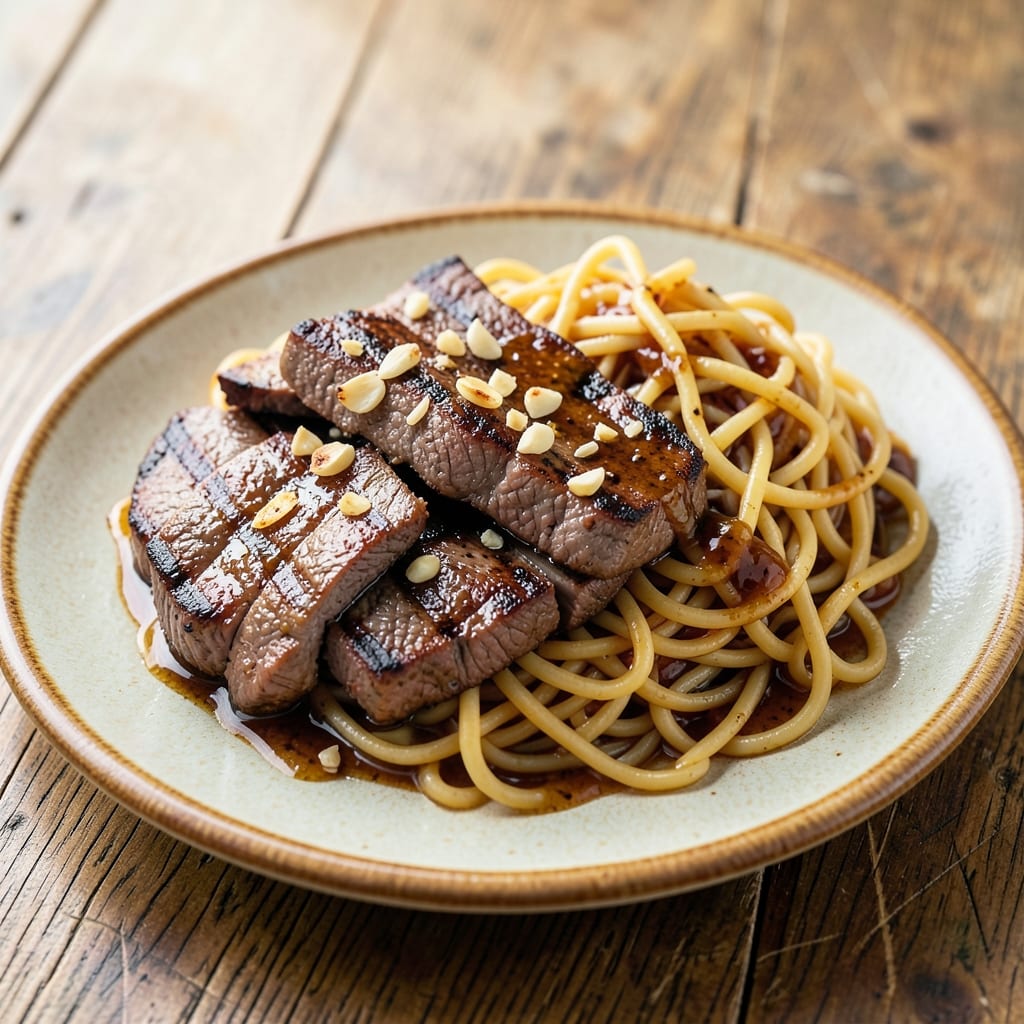
This one-pot beef and frozen noodles recipe transforms a pantry staple into a restaurant-worthy meal in just 20 minutes—no chopping, no fuss, just deep umami flavor that lingers. The secret lies in high-heat stir-frying the beef until it develops a caramelized crust, then combining it with frozen noodles and a savory sauce that clings to every strand. I developed this after realizing how often frozen noodles get overlooked; with the right technique, they become the star of the dish. What makes this recipe work is balancing simplicity with bold flavors. You’ll need just five core ingredients—beef, frozen noodles, soy sauce, garlic, and a touch of sugar—to create a dish that’s rich, slightly sweet, and packed with that satisfying beefy depth. The key step is cooking the beef in batches to avoid crowding the pan, ensuring it browns properly for maximum flavor. This isn’t your childhood instant noodle hack; it’s a one-pot umami bomb that delivers restaurant-quality results without the prep. By the time you’re done, you’ll have tender beef strips and perfectly cooked noodles bathed in a glossy, savory sauce that’s impossible to resist. The texture is a perfect balance—chewy noodles that hold their shape and beef with just the right bite. Serve it straight from the pot for maximum convenience, or transfer to a bowl for a more formal presentation. This is the kind of meal that turns a weeknight into a highlight. The beauty of this recipe is its versatility. Swap in mushrooms for extra umami, add a splash of sesame oil for depth, or keep it classic with just the basics. It’s foolproof, fast, and always delivers—whether you’re feeding a crowd or craving a quick, satisfying dinner. Let’s get cooking.
Ingredients for beef and frozen noodles
Five core ingredients transform frozen noodles into a restaurant-style umami bomb.
| Ingredient | Amount | Notes |
|---|---|---|
| Flank Steak 🥩 | 1 lb | Thinly sliced against grain |
| Frozen Egg Noodles 🍜 | 8 oz | Standard width, not spaghetti |
| Low-Sodium Soy Sauce 🥄 | ½ cup | For balanced saltiness |
| Garlic Cloves 🧄 | 4 cloves | Minced, not powdered |
| Granulated Sugar 🍚 | 1 tbsp | Balances umami depth |
| Vegetable Oil 🫒 | 2 tbsp | High smoke point preferred |
| Sesame Oil 🌿 | 1 tsp | Optional for aroma |
| Green Onion 🧅 | 2 whole | Sliced for garnish |
| Salt 🧂 | 1 tsp | Adjust to taste |
| Black Pepper 🌶️ | ½ tsp | Freshly ground |
| Water 💧 | 1 ½ cups | For noodle cooking |
The beef is everything here. Flank steak delivers the best texture—lean but tender when sliced thin against the grain. Most grocery stores carry it pre-sliced, but if you're cutting your own, use a sharp knife and slice at a 45-degree angle for even strips. Costco or Trader Joe's often have it prepped and ready to cook. For extra depth, look for steak with visible marbling, though it's not strictly necessary. The frozen noodles? Any standard egg noodles work—just check the width matches your preference. I prefer the wider ones for better texture.
No soy sauce? Coconut aminos work as a 1:1 substitute, though the flavor profile shifts slightly. Fresh garlic is ideal, but powdered works in a pinch—just double the amount. The sugar might seem odd, but it's essential for balancing the umami. Brown sugar or honey can replace it, though they'll change the sauce's texture. Sesame oil is optional but adds that signature aroma. Skip it if you're sensitive to strong flavors. For the green onions, the tops are more potent—use them if you want extra zing. The vegetable oil can be swapped for any neutral oil like canola or peanut.
Prep everything before starting—this is a fast recipe, and having ingredients ready makes it foolproof. The beef can be sliced up to a day ahead and stored in the fridge. Frozen noodles keep indefinitely, so no need to rush there. Once cooked, this dish reheats beautifully—just add a splash of water to the pot and warm through. It actually tastes better the next day as the flavors meld. Portion into containers for easy leftovers, or freeze for up to 3 months. The sauce thickens when chilled, so thin with a splash of water if needed.
Why You'll Love This Recipe
- No Pantry Panic: I swear by this recipe when I forget to meal prep—just grab whatever frozen noodles are lurking in the freezer. The flank steak sears fast, the soy sauce and sugar caramelize in minutes, and suddenly, dinner’s saved without a single trip to the store.
- Garlic-Sugar Magic: That little pinch of sugar with the soy sauce? It’s the secret weapon—balancing the salty beef with a subtle sweetness while the garlic cloves sizzle into crispy perfection. One bite and you’ll forget it’s a "frozen noodle" dish.
- Lunchbox Hero: Between us, this is my go-to for packed lunches. The beef stays tender, the noodles hold up (no soggy mess), and the flavor? Still hits the spot even cold. My kids actually eat their leftovers—rare, but true.
- Budget Beef Boost: Flank steak on sale? This recipe stretches it further than you’d think. A single pound feeds four, and the noodles cost pennies. Honestly, it’s the kind of meal that makes me feel like I’m feeding a crowd without breaking the bank.
Step-by-step instructions for beef and frozen noodles
This one-pot method delivers restaurant-quality flavor in minutes—no chopping, no waiting.
Prep the Flank Steak for Perfect Slicing
Remove the 1 lb flank steak from the refrigerator and let it sit at room temperature for 10 minutes. This ensures even cooking. While it rests, slice it thinly against the grain using a sharp knife—about ¼-inch thick slices. The grain runs diagonally across the meat, so look for the muscle fibers and cut perpendicular to them for maximum tenderness.
Pat the sliced steak dry with paper towels to remove any surface moisture. This helps the meat sear properly and develop that beautiful crust. Arrange the slices in a single layer on a plate and sprinkle with 1 tsp salt and ½ tsp black pepper. Let them rest for another 5 minutes while you prepare the remaining ingredients.
Sear the Steak in High Heat
Heat 2 tbsp vegetable oil in a large skillet or wok over high heat until it shimmers. Add the seasoned steak slices in a single layer, leaving space between them. Cook undisturbed for 1-2 minutes per side until the edges turn deep golden brown and the steak releases easily from the pan.
Once browned, remove the steak with a slotted spoon and set it aside. The residual heat in the pan will help build flavor in the next step. If the pan isn't hot enough, the steak will steam instead of sear—this is the moment that matters. Don't overcrowd the pan or the temperature will drop, leading to soggy meat.
Build the Umami-Packed Sauce
In the same skillet, add 4 minced garlic cloves and cook for 30 seconds until fragrant. Be careful not to let them burn—garlic turns bitter quickly. Add ½ cup low-sodium soy sauce, 1 tbsp granulated sugar, and 1 tsp sesame oil. Stir and let the mixture simmer for 1 minute until slightly reduced and glossy.
Pour in 1.5 cups water and scrape up any browned bits from the bottom of the pan. These bits, called fond, are packed with flavor. Bring the mixture to a gentle boil, then reduce heat to medium-low and let it simmer for 3 minutes to meld the flavors. The sugar will help balance the saltiness of the soy sauce, creating a well-rounded taste.
Cook the Noodles to Al Dente Perfection
Add the 8 oz frozen egg noodles to the simmering sauce. Stir gently to coat them evenly with the sauce. Cover the skillet and cook for 5-6 minutes on medium-low heat, stirring occasionally. The noodles should soften completely and absorb the flavorful liquid.
Check for doneness by tasting a noodle—it should be tender but still hold its shape slightly. If the mixture looks dry, add 2-3 tablespoons of water to loosen it. The goal is al dente noodles with a silky sauce clinging to them. Overcooking will turn them mushy, so keep an eye on the heat and timing.
Finish and Serve with Fresh Garnish
Return the seared steak slices to the skillet and toss everything together gently. Cook for an additional 1-2 minutes just to heat the steak through and allow the flavors to meld. The steak should be tender but still slightly pink in the center—flank steak cooks quickly and should never be overcooked.
Remove from heat and let the dish rest for 2 minutes. This allows the sauce to thicken slightly and the noodles to absorb any remaining liquid. Garnish with 2 sliced green onions and serve immediately. The dish should be vibrant, with tender steak, chewy noodles, and a glossy, umami-rich sauce that coats every bite.
Pro Tips For Making Beef And Frozen Noodles
- Slice Against the Grain: Frozen egg noodles are forgiving, but flank steak fights you if you don’t slice thinly against its grain first. I used to ignore this and ended up with chewy bits—now I angle the knife at 45 degrees and slice before cooking, so every bite melts like it should.
- Blanch Noodles First: Skip the frozen noodles straight into boiling water, and you’ll end up with a mushy, flavorless mess. Toss them in a pot of boiling water for just 1 minute—enough to soften them slightly—then drain and rinse with cold water. This keeps them from turning to paste while absorbing the beef sauce.
- Sear Steak in Batches: A crowded pan steams the meat instead of searing it. Cut the flank steak into 1-inch strips and work in two batches if needed—high heat, 2 minutes per side max. The crust forms faster, and you won’t end up with a sad, greasy pool of half-cooked beef.
- Balance the Sauce: Low-sodium soy sauce needs help. After deglazing the pan with garlic and sugar, taste the sauce before adding it to the noodles—it’ll likely be too sharp. A splash of water or a pinch of sugar (yes, again) rounds it out. I learned this when my first batch tasted like someone dumped soy sauce in a salt shaker.
Best sauces and condiments for beef and frozen noodles
Soy-Garlic Classic
The core sauce in this recipe is a simple yet powerful blend of low-sodium soy sauce, minced garlic, and granulated sugar. The soy sauce provides the umami foundation, while the garlic adds aromatic depth. I find that Kikkoman or La Choy soy sauces work best—they’re widely available and deliver consistent flavor. For extra richness, add 1 tsp oyster sauce or ½ tsp fish sauce to the simmering mixture. The sugar isn’t just for sweetness; it balances the saltiness and helps create a glossy, cohesive sauce. 🥄
Spicy Sesame Kick
For a bold twist, stir in 1 tsp chili crisp or ½ tsp red pepper flakes when building the sauce. The heat cuts through the richness of the beef while adding complexity. I like to finish with a drizzle of 1 tsp toasted sesame oil right before serving—it adds a nutty aroma that elevates the dish. If you’re sensitive to spice, start with ¼ tsp and adjust to taste. This variation works especially well with shredded carrots or sliced bell peppers added during the final stir.
Creamy Mushroom Twist
Swap out some of the water for ½ cup mushroom broth or ¼ cup heavy cream to create a velvety texture. Sauté ½ cup sliced shiitake mushrooms with the garlic for an extra umami punch. The mushrooms absorb the soy sauce beautifully, adding a meaty depth. For a lighter option, use ¼ cup coconut milk—it adds creaminess without heaviness. This version pairs perfectly with steamed bok choy or quick-pickled cucumbers on the side. 🍄
Sweet and Tangy Glaze
Replace the sugar with 1 tbsp honey or maple syrup and add 1 tbsp rice vinegar for a sweet-tangy balance. This variation works surprisingly well with the beef’s savory notes. I like to finish with a sprinkle of toasted sesame seeds and thinly sliced scallions for crunch. The vinegar brightens the dish, making it feel fresh and vibrant. This is my go-to when I want something lighter but still packed with flavor—great for summer meals.
Umami Bomb Add-Ins
Boost the depth with 1 tsp miso paste or ½ tsp MSG (if you have it). These ingredients amplify the umami without overpowering the dish. For a smoky touch, add ½ tsp smoked paprika or a dash of liquid smoke to the sauce. If you’re feeling adventurous, stir in 1 tbsp hoisin sauce for a sweet-salty contrast. These additions turn a simple noodle dish into a flavor explosion—perfect for when you want to impress without extra effort. 💥
Nutrition facts
Frequently asked questions
Can I use any type of beef for this recipe?
Flank steak is ideal because it's lean, affordable, and develops a great texture when sliced thin. You can also use sirloin or ribeye, but avoid fatty cuts like chuck roast—they won't sear properly and may make the dish greasy. For extra tenderness, marinate the beef for 15-30 minutes in soy sauce before cooking.
What if my frozen noodles cook unevenly?
This usually happens if the heat is too low or the noodles aren't submerged in sauce. Always use medium-low heat and stir occasionally to distribute the sauce. If they're still firm after 6 minutes, add 2-3 tbsp water and cover for another 2 minutes. For extra insurance, break the noodles in half before cooking so they soften faster.
How can I make this dish spicier?
Add ½ tsp red pepper flakes or 1 tsp chili crisp to the sauce during the simmering step. For heat control, start with ¼ tsp and adjust. For a smoky kick, stir in ½ tsp smoked paprika with the garlic. Garnish with sliced jalapeños or a drizzle of sriracha before serving.
Can I make this recipe in a slow cooker?
Yes! Brown the beef first in a skillet, then transfer to the slow cooker with the sauce ingredients. Cook on low for 3-4 hours or high for 1.5-2 hours. Add the frozen noodles during the last 15 minutes of cooking. The beef will be more tender, but the noodles may absorb more sauce—add ¼ cup water if needed.
What's the best way to reheat leftovers?
Add 2-3 tbsp water to the pot and heat on medium-low for 3-4 minutes, stirring occasionally. The extra liquid prevents drying out. For microwave reheating, cover with a damp paper towel and heat in 1-minute intervals until hot. Leftovers actually taste better the next day as flavors meld!