
Main Courses
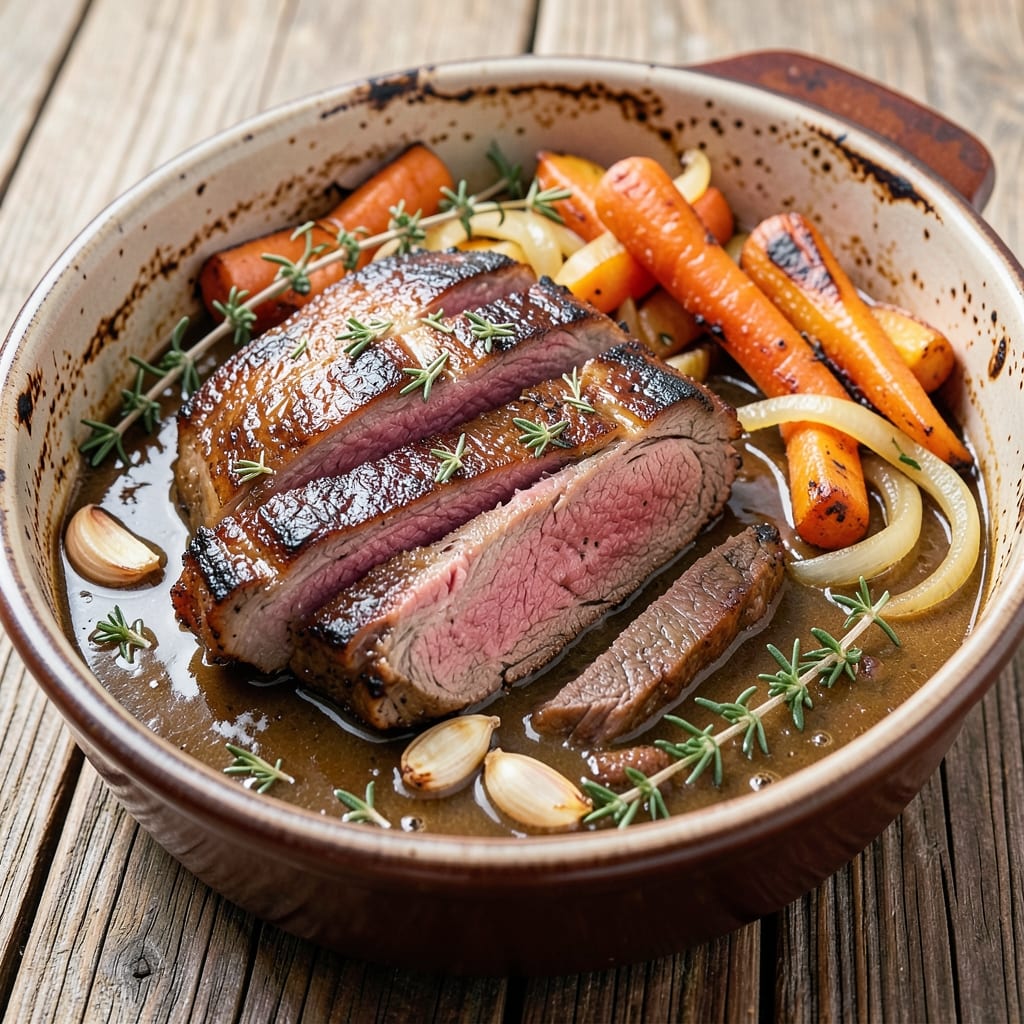
This beef and ale recipe delivers the kind of deep, umami-rich flavor that transforms tough cuts into melt-in-your-mouth perfection. The slow simmering process allows the ale's malty sweetness and subtle bitterness to blend seamlessly with the beef, creating a sauce that's both complex and comforting. I've perfected this technique over years of testing, and it never fails to impress—whether you're feeding a crowd or treating yourself to a hearty weeknight meal.
The beauty of this dish lies in its simplicity: just a few quality ingredients that work together to create restaurant-quality results. A good ale (like a malty brown or robust stout) forms the foundation, while onions, garlic, and herbs build layers of flavor. The key is patience—letting the beef braise low and slow until it's fork-tender while the ale reduces into a glossy, flavorful sauce.
What you'll end up with is beef so tender it practically falls apart at the touch, swimming in a rich, caramelized sauce that's perfect for drizzling over mashed potatoes or serving with crusty bread. The aroma alone will have everyone gathering at the table, and each bite delivers that perfect balance of savory, sweet, and umami that makes this dish unforgettable.
This recipe works beautifully with chuck roast or short ribs, and the leftovers reheat just as well as the first serving. The ale adds depth that store-bought gravies can't match, making this a dish worth the extra effort. Let's get cooking!
Ingredients for beef and ale
A few quality ingredients transform tough beef into melt-in-your-mouth perfection through slow simmering.
| Ingredient | Amount | Notes |
|---|---|---|
| Chuck Roast 🥩 | 3 lb | Tough cut for slow braising |
| Dark Ale 🍺 | 2 cups | Malty brown or stout preferred |
| Yellow Onion 🧅 | 2 whole | Chopped into 1/2-inch pieces |
| Garlic Cloves 🧄 | 6 cloves | Minced for deep flavor |
| Carrots 🥕 | 4 whole | Cut into 1-inch chunks |
| Fresh Thyme 🌿 | 2 sprigs | Or 2 tsp dried thyme |
| Fresh Rosemary 🌿 | 1 sprig | For earthy aroma |
| Tomato Paste 🍅 | 2 tbsp | For depth of flavor |
| Worcestershire Sauce 🍶 | 1 tbsp | For umami richness |
| Beef Broth 💧 | 2 cups | Low-sodium preferred |
| Olive Oil 🫒 | 2 tbsp | For searing beef |
| Salt 🧂 | 1 ½ tsp | Kosher or sea salt |
| Black Pepper 🌶️ | 1 tsp | Freshly ground preferred |
| All-Purpose Flour 🌾 | 1 tbsp | For thickening sauce |
The chuck roast is your secret weapon here—its tough fibers break down beautifully during the long braise, creating fork-tender meat. Costco or butcher shops usually carry it pre-cut, but if you're buying a whole roast, ask for the chuck section. Look for good marbling—those white fat streaks are what render into flavor during cooking. For the ale, local craft breweries often have malty brown ales perfect for this dish, but any dark ale with a robust flavor profile will work. If you can't find ale, stout or porter are great substitutes. The fresh herbs (thyme and rosemary) should smell vibrant—if they're wilted or smell dull, skip them and double the dried versions.
No ale on hand? Beef broth with a splash of balsamic vinegar mimics the depth, though you'll lose some of the malty sweetness. Worcestershire sauce is non-negotiable for that umami punch—it's what makes this sauce sing. The tomato paste can be skipped if you're watching acidity, but trust me, it adds a complexity that's worth the effort. For the carrots, baby carrots or pre-cut chunks save time, but whole carrots work just as well. The flour is just for thickening at the end—don't skip it if you want that silky sauce. And if you're feeling fancy, add a bay leaf while it braises for an extra layer of aroma.
This dish tastes even better the next day as all the flavors meld together. Store leftovers in the fridge for up to 5 days or freeze for 3 months—the sauce actually improves with time. I like to portion mine into individual containers so I can grab a serving straight from the fridge for lunch. The sauce thickens as it cools, so a splash of beef broth or ale works wonders when reheating. And if you're serving this to guests, make it ahead—you'll be the hero of the dinner party.
Why You'll Love This Recipe
- One-Pot Magic: I swear by this recipe—just toss everything in a Dutch oven, walk away, and let the ale work its magic. No fancy techniques, no stress, just hands-off cooking that smells amazing when you walk in the door.
- Deep, Rich Flavor: That dark ale? It’s the secret weapon—caramelized onions and garlic mingle with the beef until the sauce is thick, smoky, and just sweet enough. The carrots add a natural sweetness that balances the richness perfectly.
- Leftovers for Days: Between us, this dish tastes even better the next day. I make a double batch on Sundays, and by Wednesday, it’s still the star of my lunch. The beef gets tenderer with time, and the sauce thickens into something luxurious.
- Budget-Friendly Feast: Chuck roast is cheap, ale is affordable, and you’re feeding a crowd for less than takeout. Honestly, I’ve served this at potlucks, game nights, and even a last-minute dinner party—always a hit, always a steal.
Step-by-step instructions for slow-simmered beef and ale
This method transforms tough chuck roast into melt-in-your-mouth perfection through precise timing and flavor layering.
Sear the Chuck Roast for Deep Flavor
Heat a large Dutch oven over medium-high heat until very hot. Add the 2 tablespoons olive oil and swirl to coat the bottom. Pat the 3 lb chuck roast dry with paper towels—this ensures maximum browning. Season generously with 1.5 teaspoons salt and 1 teaspoon black pepper on all sides.
Place the chuck roast in the Dutch oven and sear for 4-5 minutes per side until deeply browned. Don't move it during this time—resistance when you try to flip it indicates it's ready. The caramelized crust locks in juices during the long simmer ahead. Once browned, remove the roast and set it aside on a plate.
Build the Aromatic Base
In the same Dutch oven, add the 2 whole yellow onions chopped into ½-inch pieces, 4 whole carrots cut into 1-inch chunks, and the 6 cloves garlic minced. Cook for 5-6 minutes until the onions soften and the carrots begin to caramelize. You should smell a sweet, earthy aroma developing.
Stir in the 2 sprigs fresh thyme and 1 sprig fresh rosemary, crushing the sprigs slightly with a wooden spoon to release their oils. Add the 2 tablespoons tomato paste and cook for another 1 minute until it darkens slightly. This base forms the flavor foundation for the entire dish.
Deglaze and Combine Liquids
Pour in the 2 cups dark ale immediately after removing the Dutch oven from heat—this prevents alcohol evaporation. Scrape up all the browned bits from the bottom with a wooden spoon, incorporating them into the liquid. Return the pot to medium heat and let the ale simmer for 3-4 minutes until reduced by about one-third.
Add the 2 cups beef broth and 1 tablespoon Worcestershire sauce, stirring to combine. The liquid should now coat the back of a spoon but still be pourable. Return the chuck roast to the Dutch oven, placing it fat-side up if possible. The rendered fat will continue to baste the meat during cooking.
Slow Simmer Until Fork-Tender
Cover the Dutch oven with a tight-fitting lid and transfer to a 325°F oven. Simmer for 2.5-3 hours until the beef is fork-tender. You'll know it's ready when a knife slides in and out easily, and the meat pulls apart with gentle pressure. The internal temperature should reach 200-205°F—this low-and-slow approach breaks down collagen for incredible tenderness.
About 30 minutes before the beef is done, remove the lid and increase oven temperature to 375°F to thicken the sauce slightly. This final step concentrates flavors and creates a glossy finish. The vegetables should be tender but still hold their shape.
Finish and Thicken the Sauce
Remove the beef from the Dutch oven and place it on a cutting board. Tent loosely with foil to keep warm. Skim any excess fat from the sauce using a fat separator or spoon—this prevents a greasy final product. Return the Dutch oven to the stovetop over medium heat.
Sprinkle the 1 tablespoon all-purpose flour over the sauce and whisk vigorously to combine. Simmer for 3-4 minutes until the sauce thickens enough to coat the back of a spoon. If needed, add 1-2 tablespoons of the cooking liquid to reach your desired consistency. The sauce should be rich but still pourable, clinging beautifully to each bite of beef.
Pro Tips For Making Beef And Ale
- SEAR THE ROAST FIRST: Get that Dutch oven screaming hot—cast iron works best—and brown the chuck roast on all sides before adding anything else. I used to skip this, thinking the slow cook would handle it, but that crust locks in flavor and keeps the meat from drying out later. Two minutes per side, no rush.
- USE STOUT, NOT LIGHT ALE: Dark ale is key, but don’t grab just any IPA or lager—opt for a stout or porter if you’re in a pinch. The roastiness and maltiness in stout mirrors the depth of a proper dark ale, and it won’t overpower the beef like a hoppy beer might. (Yes, even if your local store’s "dark ale" section is a joke.)
- DON’T SKIP THE CARROT PREP: Peel and cut those carrots into even 1-inch chunks—no need for fancy angles, just consistent size. Uneven pieces mean some will turn to mush while others stay crunchy, and you’ll end up with a sad, uneven texture. (Trust me, your future self will notice.)
- BASTE WITH THE REDUCTION: Once the roast is halfway cooked, strain the braising liquid into a saucepan and reduce it by half before basting the beef. The concentrated flavors cling better, and you’ll end up with a glossy, rich sauce instead of a watery glaze. (Pro move: do this off the heat—less risk of burning.)
Essential equipment for this recipe
Dutch Oven Essentials
A 5-7 quart Dutch oven is your best friend for this recipe—its heavy construction ensures even heat distribution and prevents scorching. I recommend the Le Creuset Stoneware Dutch Oven for its durability and even heating, but All-Clad Stainless Steel works beautifully too. The deep sides help contain the braising liquid, and the tight-fitting lid locks in moisture for perfect results. 🔥
Meat Thermometer Must-Have
Invest in a high-quality instant-read thermometer like the Thermoworks Thermapen to monitor both the oven temperature and the beef's internal temp. The 200-205°F range is critical for achieving fork-tender beef without drying it out. I check the temp every 30 minutes during the final hour to avoid overcooking.
Fat Separator for Sauce Perfection
For a silky, restaurant-quality sauce, use a fat separator or even a simple spoon to skim excess fat from the surface before thickening. The Lodge Fat Separator is my go-to—it's affordable and does the job perfectly. Removing fat prevents a greasy sauce while preserving the rich umami flavors.
Wooden Spoon for Stirring
A heat-resistant wooden spoon (like Oxo Good Grips) is ideal for stirring the sauce and deglazing the Dutch oven without scratching the surface. Wood distributes heat evenly and won't react with acidic ingredients like metal utensils might. I keep one dedicated to braising dishes for maximum flavor extraction.
Slow Cooker Alternative
If you don't have a Dutch oven, a 6-quart slow cooker works wonders for hands-off cooking. Transfer the seared beef and all ingredients to the slow cooker, then cook on LOW for 8 hours or HIGH for 5-6 hours. The Hamilton Beach Programmable Slow Cooker has a "keep warm" function that keeps the beef tender while you finish sides.
Optional: Sous Vide Setup
For ultra-tender beef, consider a sous vide approach first. Vacuum-seal the chuck roast with 2 cups ale, 1 tbsp Worcestershire, and 1 tsp salt, then cook at 160°F for 24 hours. Finish by searing in a hot Dutch oven for a perfect crust. The Anova Precision Cooker makes this method accessible for home cooks.
Nutrition facts
Frequently asked questions
Can I substitute ale with another beer or non-alcoholic option?
A dark malty ale is ideal, but you can use stout, porter, or even a robust brown ale for depth. For non-alcoholic versions, replace with beef broth + 1 tbsp balsamic vinegar to mimic sweetness. Avoid light lagers—they lack the malt complexity needed for rich flavor development.
How do I know when the beef is perfectly tender?
Use a meat thermometer for accuracy—the beef should reach 200-205°F. It should also pull apart easily with a fork and have a fork-tender texture. If it's still slightly firm, return it to the oven for 30 more minutes. Overcooked beef becomes dry and stringy.
What's the best way to reheat leftovers?
Reheat gently in the sauce to maintain moisture—place the beef in its braising liquid in a pot over low heat for 10-15 minutes. Add a splash of ale or broth if the sauce thickens too much. Never microwave—it makes the sauce watery and beef tough. Leftovers taste even better the next day!
Can I make this recipe in an Instant Pot?
Yes! Sear the beef first, then add all ingredients and pressure cook on high for 60 minutes (natural release). Finish by thickening the sauce on the stovetop with flour. The Instant Pot cuts cooking time but requires careful monitoring to avoid overcooking. For best results, use the sauté function for searing.
What sides pair best with this dish?
Classic choices include creamy mashed potatoes, crusty sourdough bread, or buttery egg noodles. For a lighter option, try roasted Brussels sprouts or green beans—the rich sauce balances their bitterness. Always serve with extra sauce on the side for dipping!