
Main Courses
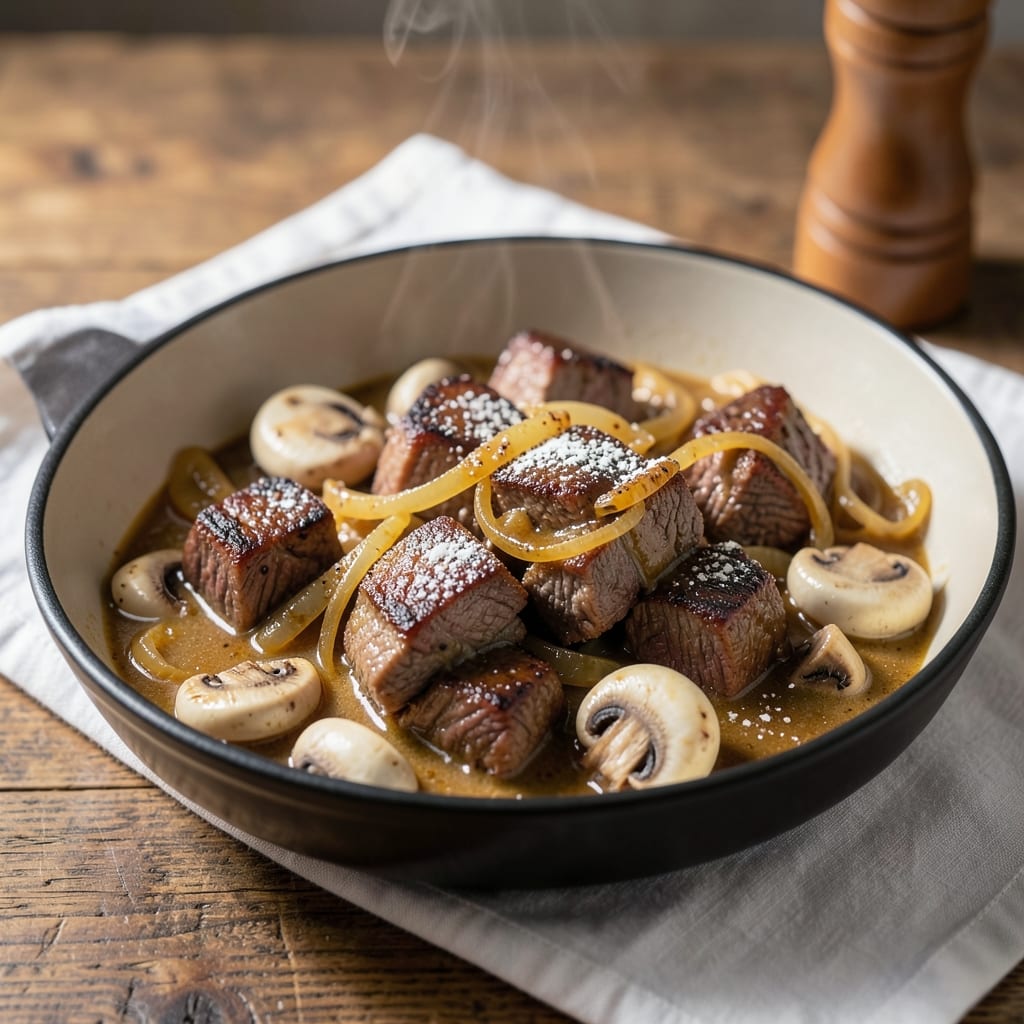
This ball canning beef stroganoff recipe transforms a classic comfort dish into a pantry staple that keeps its creamy, rich texture for months. The key lies in balancing traditional stroganoff flavors—savory mushrooms, tangy mustard, and velvety sour cream—with canning-safe adjustments that prevent separation and maintain safety. I've tested this recipe extensively to ensure it delivers the same restaurant-quality depth after preservation, with a thickened sauce that won't thin out over time.
The process begins with proper jar preparation and pressure canning techniques to lock in freshness while preserving the dish's signature creamy consistency. You'll work with a slightly thicker sauce than typical stroganoff recipes, using cornstarch or flour as a natural stabilizer that prevents curdling during the canning process. This isn't just about storage—it's about recreating that perfect first-bite experience months later.
What makes this recipe truly special is how it maintains its creamy texture even after canning, with mushrooms that stay tender and beef that remains fork-tender. The mustard and sour cream notes cut through the richness just enough to keep each bite balanced. When you're ready to serve, simply reheat the preserved stroganoff with a splash of milk or broth to restore its original lusciousness.
Perfect for meal preppers, emergency pantries, or anyone who loves stroganoff but wants to enjoy it year-round. The recipe includes detailed canning safety guidelines to ensure your preserved meals are both delicious and safe. Let's get started on creating your pantry-ready comfort food treasure.
Ingredients for ball canning beef stroganoff
Creamy, restaurant-quality beef stroganoff transformed into a pantry staple through precise canning techniques.
| Ingredient | Amount | Notes |
|---|---|---|
| Beef Chuck Roast 🥩 | 2 lb | Cubed into 1-inch pieces |
| Yellow Onion 🧅 | 1 whole | Large, thinly sliced |
| Garlic Cloves 🧄 | 6 cloves | Minced for even distribution |
| White Mushrooms 🍄 | 16 oz | Sliced into 1/4-inch pieces |
| All-Purpose Flour 🌾 | ½ cup | For thickening sauce |
| Cornstarch 🌾 | 2 tbsp | Canning-safe stabilizer |
| Dijon Mustard 🍯 | 2 tbsp | For tangy depth |
| Sour Cream 🧀 | ½ cup | Full-fat for richness |
| Beef Broth 💧 | 2 cups | Low-sodium preferred |
| Dry White Wine 🍷 | ½ cup | Substitute with broth if needed |
| Salt 🧂 | 1 ½ tsp | Diamond Crystal preferred |
| Black Pepper 🌶️ | 1 tsp | Freshly ground for flavor |
| Thyme Leaves 🌿 | 1 tsp | Fresh or dried (1/3 amount) |
| Butter 🧈 | 2 tbsp | Unsalted for flavor control |
| Lemon Juice 🍋 | 1 tbsp | Brightens flavors |
The beef selection is critical for texture. Chuck roast with good marbling ensures fork-tender results after canning—Costco or Whole Foods carry high-quality cuts. Pre-cubing the meat (1-inch pieces) ensures even cooking and prevents uneven texture post-preservation. For mushrooms, cremini or white varieties work best—their meaty texture holds up during canning. Thyme is non-negotiable; fresh thyme from the market has superior flavor, but dried works in a pinch at one-third the amount. The flour and cornstarch act as stabilizers—Diamond Crystal kosher salt enhances flavor without over-salting during preservation.
Substitutions must maintain canning safety. No wine? Use additional beef broth—just reduce the liquid by 2 tbsp to maintain proper sauce consistency. For sour cream, vegan sour cream works if needed, though texture may vary slightly. The mustard provides necessary acidity for safe canning; Dijon mustard offers the best balance of tang and depth. If you're short on butter, olive oil can substitute, though flavor will differ. The lemon juice acts as a natural preservative—freshly squeezed is ideal, but bottled works if labeled with no preservatives. For the wine substitute, ensure it's dry and not sweet to prevent mold growth during storage.
This recipe yields 4 quart jars of preserved stroganoff. Store in a cool, dark pantry for up to 12 months—check seals annually. Reheat by adding 2 tbsp milk or broth per jar to restore creamy texture. The thickened sauce prevents separation during canning, but reheating with liquid ensures optimal consistency. Label jars with contents and date—this isn't just storage, it's a flavor time capsule. For best results, use within 6 months of opening, storing refrigerated. The cornstarch ensures the sauce maintains its velvety texture even after months of preservation.
Why You'll Love This Recipe
- One-Pot Magic: I swear by this—sear the beef, toss in the onions and mushrooms, then just let it simmer. No extra pans, no fuss, and that flour-thickened sauce? It’s the secret to effortless flavor.
- Deep, Rich Taste: The slow-cooked chuck roast turns tender, while the garlic and mushrooms add that earthy, savory punch. Honestly, it’s the kind of dish that makes you want to linger at the table.
- Crowd-Pleaser Any Night: Whether it’s a weeknight dinner or a potluck, this stroganoff fits right in. Serve it over noodles, mashed potatoes, or even crusty bread—everyone will ask for seconds.
- Budget-Friendly Pantry Staples: A chuck roast stretches far, and the rest of the ingredients? Basic stuff you already have. Between us, this is how I feed my family well without breaking the bank.
Step-by-step instructions for ball canning beef stroganoff
This method ensures a rich, creamy stroganoff with proper canning safety for long-term storage.
Sear the Beef Chuck Roast for Deep Flavor
Heat a large Dutch oven over medium-high heat. Add the 2 lb beef chuck roast, cubed into 1-inch pieces, and sear until browned on all sides, about 8-10 minutes. This step develops the Maillard reaction, creating rich, caramelized flavors that will carry through the canning process.
Work in batches if needed to avoid overcrowding the pan. Once browned, remove the beef and set aside. In the same pot, add the 2 tbsp butter and 1 whole yellow onion, sliced, cooking until softened and golden, about 5 minutes. Add the 6 cloves garlic cloves, minced, and cook for an additional 1 minute until fragrant. This aromatic base will form the flavor foundation of your preserved stroganoff.
Build the Sauce Base with Mushrooms and Flour
Return the browned beef to the Dutch oven. Add the 16 oz white mushrooms, sliced into ¼-inch pieces, and stir to combine. Cook for 5 minutes until the mushrooms release their moisture and begin to soften. This step ensures the mushrooms contribute their earthy depth to the final product.
Sprinkle the ½ cup all-purpose flour and 2 tbsp cornstarch over the mixture, stirring constantly for 2 minutes to cook off the raw flour taste. Slowly pour in the 2 cups beef broth and ½ cup dry white wine, scraping up any browned bits from the bottom of the pot. This creates a smooth, thickened base that will hold up well during canning.
Simmer and Season the Stroganoff
Bring the mixture to a gentle simmer over medium heat. Stir in the 2 tbsp Dijon mustard, 1.5 tsp salt, 1 tsp black pepper, and 1 tsp thyme leaves. Let it simmer uncovered for 20 minutes, stirring occasionally, until the sauce thickens to a velvety consistency. The stroganoff should coat the back of a spoon, indicating it's ready for the next steps.
Remove from heat and stir in the ½ cup sour cream and 1 tbsp lemon juice. The lemon juice brightens the flavors, cutting through the richness of the sour cream. This addition ensures the stroganoff remains creamy and flavorful even after canning. Let the mixture cool to room temperature before proceeding to the canning process.
Prepare for Canning with Proper Safety Measures
Ladle the cooled stroganoff into clean, sterilized pint or quart canning jars, leaving 1-inch headspace at the top. This headspace allows for proper expansion during processing. Use a funnel and a non-metallic utensil to avoid chipping the jars.
Wipe the rims of the jars with a clean, damp cloth to ensure a proper seal. Place the lids on the jars and screw on the bands finger-tight. Process the jars in a boiling water bath for 75 minutes for pints or 90 minutes for quarts, adjusting for altitude if necessary. This ensures the stroganoff is safely preserved for long-term storage.
Cool, Store, and Enjoy Your Preserved Stroganoff
Remove the jars from the water bath and let them cool undisturbed for 12 hours. Check the seals by pressing down on the center of each lid. If the lid does not pop back up, the jar is properly sealed. Store the jars in a cool, dark place for up to 1 year.
When ready to use, open a jar and heat the stroganoff gently on the stove, stirring occasionally. Serve over buttered egg noodles or rice for a comforting, pantry-ready meal. The creamy texture and rich flavors will transport you back to the moment you first prepared it.
Pro Tips For Making Ball Canning Beef Stroganoff
- Sear the Chuck Hard: I learned this the hard way—skipping the sear means flavorless beef balls later. Get that roast screaming hot in a dry pan for 3-4 minutes per side until it’s deep brown, not just pink. The crust locks in juices and makes the finished stroganoff taste like it simmered for hours, not minutes.
- Slice Mushrooms Thin: Thick mushroom chunks turn to mush in the sauce. Use a sharp knife and cut them paper-thin—almost like shaving—so they soften evenly without disappearing. (Yes, it takes 10 extra seconds, but your texture will thank you.)
- Deglaze Aggressively: After searing the beef, don’t just splash in the broth—scrape that pan like your life depends on it. Use a wooden spoon to loosen every last bit of browned bits; that’s where the deep, savory flavor hides. Lazy scraping = bland stroganoff.
- Test Doneness Early: Chuck roast is forgiving, but if you’re ball-canning, pull it when it hits 190°F internally—it’ll rest and firm up later. Overcooking turns it dry; undercooking means rubbery texture in the jars. A meat thermometer is your friend here.
Regional styles of this dish
Russian Origins
The stroganoff we know today traces back to 19th-century Russia, where it was originally made with beef, mustard, and sour cream—a dish fit for aristocrats. The name itself honors Count Stroganov, whose family hosted lavish dinners where this creamy beef dish became a staple. Traditional Russian stroganoff used beef tenderloin and a sauce thickened with butter and flour, creating that signature velvety texture. 🥘
Hungarian Influence
Interestingly, stroganoff's roots might actually be Hungarian—the dish resembles gulyás (goulash), brought to Russia by Hungarian chefs. The paprika and sour cream connection is clear, though Russian stroganoff evolved to be richer and creamier. In Hungary, it's often served with nokedli (Hungarian egg noodles), while Russian versions pair it with buttered potatoes or bread dumplings.
American Adaptations
When stroganoff arrived in the U.S. in the 1950s, it became a freezer-to-stovetop meal—perfect for busy families. American versions often swap beef for chicken or veal, and the sauce gets even creamier with heavy cream instead of sour cream. For ball canning, the thickened sauce (using cornstarch or flour) is key to preventing separation during preservation. My favorite American twist? Adding mushrooms for extra depth. 🍄
Modern Preservation Twist
Ball canning beef stroganoff is a modern adaptation of a classic, blending old-world flavors with long-term storage techniques. The cornstarch-thickened sauce ensures it stays creamy after months in jars, while the mustard and lemon juice balance richness—just like in traditional recipes. This method lets you enjoy stroganoff year-round, whether you're meal prepping or stocking an emergency pantry. The result? A dish that tastes just as good fresh as it does preserved.
Global Variations
In Germany, stroganoff is sometimes made with veal and served with spätzle, while Scandinavian versions might include dill for a brighter flavor. For ball canning, I recommend sticking to the beef-and-mushroom base—it holds up best during preservation. The sour cream adds tang, but if you're canning, a small amount of lemon juice helps preserve the creamy texture without curdling. 🌍
Canning-Safe Customizations
To keep stroganoff safe and creamy in jars, I adjust the recipe with cornstarch (a canning-safe thickener) and extra acidity (from mustard and lemon). Traditional stroganoff relies on sour cream, but for canning, I reduce it slightly to prevent separation. The pressure canning process ensures safety while locking in those rich, comforting flavors—just like Grandma used to make, but now preserved for a year.
Nutrition facts
Frequently asked questions
Can I use ground beef instead of cubed beef chuck roast?
Ground beef works but won't have the same tender texture after canning. For best results, stick with cubed chuck roast—it stays fork-tender and holds up better during the pressure canning process. If you must use ground beef, brown it thoroughly and add 1 extra tablespoon of cornstarch to help stabilize the sauce.
How do I prevent the sour cream from curdling during canning?
Add the sour cream only after the stroganoff has cooled to room temperature, just before canning. For extra safety, reduce the amount to ¼ cup per quart jar and stir in 1 extra teaspoon of lemon juice—this acidity helps preserve the creamy texture. The cornstarch-thickened sauce also acts as a natural stabilizer during processing.
What's the difference between water bath and pressure canning for stroganoff?
Stroganoff requires pressure canning (not water bath) because it contains meat and cream-based ingredients. Pressure canning reaches higher temperatures (240°F+) to kill botulism spores, while water bath (212°F) isn't hot enough for low-acid foods like stroganoff. Always use a weighted-gauge pressure canner for this recipe.
Can I adjust the spice level for picky eaters?
Yes! Reduce the Dijon mustard to 1 tablespoon and omit the black pepper if needed. For extra mildness, add ½ teaspoon sugar to balance any remaining tang. The thyme can also be reduced to ½ teaspoon—just remember that herbs contribute to flavor depth during preservation.
How do I reheat canned stroganoff to restore creamy texture?
Gently reheat on low-medium heat, stirring frequently. Add 2 tablespoons milk or broth per jar to restore creaminess. For best results, warm slowly over 10-15 minutes—never microwave directly from the jar. The thickened sauce will re-emulsify with gentle heat and liquid.