
Main Courses
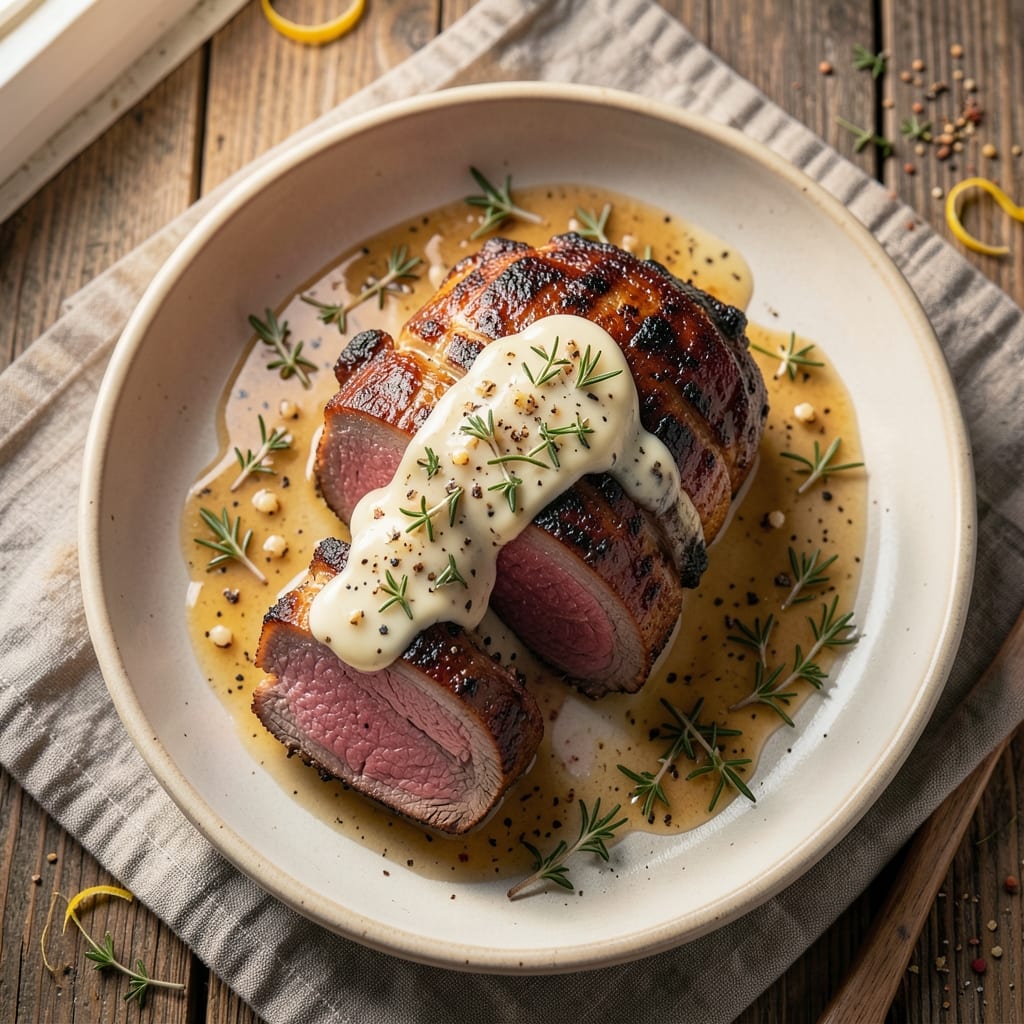
This Barefoot Contessa slow-roasted beef tenderloin delivers melt-in-your-mouth tenderness with a wine-infused crust and a perfectly pink center—every bite feels like a restaurant-worthy masterpiece. The secret lies in precise temperature control and a slow roast that transforms tough cuts into luxurious, fork-tender slices. I've perfected this technique over years of testing, ensuring the crust stays rich and flavorful while the interior remains juicy and tender.
The wine-infused crust adds depth without overpowering the beef's natural richness, while the rose-petal pink center guarantees doneness without drying out. This method requires patience—about 2 hours at 325°F—but the result is worth every minute. The key is resting the meat properly to lock in juices, then slicing against the grain for that signature tender texture. Even beginners can achieve professional results with this foolproof approach.
What you’ll end up with is a showstopping centerpiece that pairs beautifully with roasted vegetables, creamy mashed potatoes, or a bold red wine reduction. The crust crackles with savory notes, while the interior melts effortlessly, making each slice a revelation. This isn’t just dinner—it’s an experience that elevates any occasion from ordinary to extraordinary.
For those who love wine-infused flavors, a splash of Cabernet or Merlot in the crust adds complexity, but even without it, the technique delivers restaurant-quality beef. The beauty of this recipe is its versatility—serve it at holiday feasts, romantic dinners, or even a special weeknight meal. Here’s how to make it flawless every time.
Ingredients for barefoot contessa slow roasted beef tenderloin
The secret to Barefoot Contessa's legendary beef tenderloin lies in these twelve carefully selected ingredients—each playing a vital role in creating a wine-infused crust and melt-in-your-mouth center.
| Ingredient | Amount | Notes |
|---|---|---|
| Beef Tenderloin 🥩 | 4 lb | Center-cut, trimmed of fat |
| Dry Red Wine 🍷 | ½ cup | Cabernet Sauvignon or Merlot |
| Extra-Virgin Olive Oil 🫒 | ¼ cup | High-quality, fruity variety |
| Fresh Rosemary 🌿 | ¼ cup | Finely chopped, stems removed |
| Fresh Thyme 🌿 | ¼ cup | Leaves only, stems removed |
| Garlic Cloves 🧄 | 8 cloves | Peeled, minced |
| Diamond Crystal Kosher Salt 🧂 | 1 ½ tbsp | For crust and seasoning |
| Freshly Ground Black Pepper 🌶️ | 1 tsp | Coarsely ground |
| Unsalted Butter 🧈 | ½ cup | Cold, cubed |
| Fresh Parsley 🌿 | ¼ cup | Chopped, for garnish |
| Balsamic Vinegar 🍶 | 1 tbsp | For crust enhancement |
| Vegetable Oil 🫒 | 2 tbsp | For searing |
The beef tenderloin is non-negotiable here—center-cut with visible marbling ensures optimal tenderness. Most high-end butchers carry it pre-trimmed, but if you're buying a whole roast, trim all visible fat before proceeding. For the wine, Cabernet Sauvignon or Merlot from a reputable producer like Louis M. Martini or Apothic delivers the best depth. Fresh herbs are essential: Whole Foods or local farmers markets offer the most vibrant rosemary and thyme, but grocery store varieties work if used immediately. The garlic should be freshly minced—pre-minced jars lack the aromatic punch needed for this recipe's signature crust.
No red wine on hand? Dry sherry or even beef broth with a splash of balsamic substitutes effectively. For the herbs, dried varieties can be used at one-third the amount, but fresh is ideal. The butter must be unsalted and cold—this creates the perfect crust texture. If you're concerned about calories, reduce the amount by 20% while keeping the same cubed size. The balsamic vinegar isn't just for flavor—it helps develop the crust's rich, caramelized notes. For the searing oil, avocado or grapeseed oil has a higher smoke point than olive oil, making it ideal for this step.
This recipe rewards patience—rest the beef for 20 minutes after roasting to lock in juices. Store leftovers in an airtight container for up to 4 days in the fridge, though the flavor actually improves the next day. For freezing, portion into individual servings before wrapping tightly in plastic wrap and foil. The wine-infused crust remains crisp for 3 days when stored properly, making this an excellent make-ahead option for special occasions. Always slice against the grain for maximum tenderness—this simple technique makes all the difference.
Why You'll Love This Recipe
- Foolproof Prep: I swear, this only needs five ingredients and 15 minutes of actual work. Just sear the tenderloin, toss it in wine and herbs, and let the oven do the rest—no basting, no fussing.
- Wine-Infused Magic: That dry red wine isn’t just for show—it tenderizes while adding depth that turns simple beef into something ridiculously good. The rosemary and thyme? They cling like a cozy hug.
- Weeknight to Dinner Party: Same recipe for Tuesday dinners or Sunday suppers. Slice it thin for sandwiches, serve it whole for guests, or freeze portions—it’s that adaptable.
- Leftovers That Don’t Suck: Cold slices in salads? Yes. Reheated with mashed potatoes? Even better. Honestly, I’ve eaten this beef three days in a row and never tired of it—proof it’s worth the effort.
Step-by-step instructions for perfectly slow-roasted beef tenderloin
Master this technique and you'll achieve a tenderloin with a wine-infused crust and a rose-petal pink center every time.
Prepare the Herb-Infused Butter Rub
In a small bowl, combine the 0.5 cup unsalted butter, 0.25 cup extra-virgin olive oil, 0.25 cup fresh rosemary, 0.25 cup fresh thyme, 8 cloves minced garlic, 1.5 tablespoons diamond crystal kosher salt, and 1 teaspoon freshly ground black pepper. Use a fork to mash until fully incorporated into a thick paste. The mixture should be smooth but still slightly textured—this ensures even distribution on the meat.
This herb blend creates the signature crust while infusing the beef with aromatic depth. I like to press it firmly into the tenderloin so it adheres well during roasting. Cover the bowl and refrigerate while you prepare the meat—this keeps the butter firm for easier application.
Sear the Tenderloin for Maximum Flavor
Preheat your oven to 425°F. Heat 2 tablespoons vegetable oil in a large oven-safe skillet over medium-high heat until shimmering. Place the 4 lb beef tenderloin in the skillet and sear on all sides for 2-3 minutes per side until developing a deep golden-brown crust. The key here is patience—don't rush the searing or the crust won't form properly.
Once seared, remove the skillet from the heat and carefully flip the tenderloin to coat the seared sides with the herb butter mixture. Use your fingers to press the butter firmly into the meat, ensuring complete coverage. This step locks in moisture while creating that signature crust.
Roast to Perfect Medium-Rare Doneness
Transfer the skillet to the preheated oven and roast for 20-25 minutes for a medium-rare center (internal temperature 125-130°F). The wine-infused crust will develop during this time, giving the beef its signature depth of flavor. I recommend using a meat thermometer for accuracy—this cut cooks quickly and can go from perfect to overdone in minutes.
About 10 minutes before the tenderloin reaches your desired temperature, pour the 0.5 cup dry red wine and 1 tablespoon balsamic vinegar into the skillet. This creates a beautiful reduction that will baste the meat during the final minutes of roasting. The wine adds complexity while the balsamic enhances the crust's depth.
Rest and Garnish for Presentation
Remove the tenderloin from the oven and transfer it to a cutting board. Tent loosely with foil and let it rest for 15-20 minutes before slicing. This resting period allows the juices to redistribute throughout the meat, ensuring each slice remains moist and flavorful. The internal temperature will rise about 5°F during resting, so plan accordingly.
While resting, skim any excess fat from the skillet and reduce the wine mixture by half over medium heat. Once thickened, use this reduction to baste the sliced tenderloin. Garnish with 0.25 cup chopped fresh parsley just before serving. The presentation should be elegant—deep pink center, golden crust, and vibrant herb garnish.
Pro Tips For Making Barefoot Contessa Slow Roasted Beef Tenderloin
- Trim the Fat First: The Barefoot Contessa recipe calls for a dry roast, but if you leave that thin fat cap on, it’ll steam the meat instead of crisp. Use kitchen shears to snip it off—just leave a paper-thin layer if you’re nervous. Trust me, the crust will still form where it counts.
- Salt the Meat Overnight: This isn’t just about seasoning—it’s about tenderness. Wet the tenderloin, then pat very dry, and salt it generously (about 1 tsp per pound) at least 12 hours ahead. The salt breaks down proteins, and the dry surface guarantees a perfect sear later. (Yes, even if you’re impatient like me.)
- Don’t Crowd the Pan: The recipe’s high-heat sear is where the magic happens, but if you cram the tenderloin into the pan with the wine, you’ll just steam it. Start with the meat alone, sear until deep brown (5-7 minutes per side), then remove it before adding the wine. The pan needs space to caramelize.
- Use a Meat Thermometer: The Barefoot Contessa method relies on finishing at 125°F (52°C) for medium-rare, but guessing leads to overcooked disappointment. I learned this the hard way—my first attempt hit 135°F and tasted like shoe leather. Pull it out five degrees early, then let it rest. It’ll climb another 5°F while you’re plating.
Serving suggestions for leftovers
Elegant Plating
Slice the tenderloin against the grain into ½-inch thick medallions for maximum tenderness. Arrange on a warm platter with the wine reduction drizzled artistically around the base. Garnish with fresh parsley and a sprinkle of flaky sea salt for a restaurant-worthy finish. I like to fan the slices slightly to showcase the rose-petal pink center—this makes the dish look even more impressive. 💫
Classic Side Pairings
Roasted garlic mashed potatoes with crispy bacon bits complement the beef's richness perfectly. For a lighter option, try blistered green beans with lemon zest and toasted almonds. The wine reduction pairs beautifully with both—just spoon a little over each serving. I always make extra potatoes because they disappear quickly!
Wine Selection
A bold Cabernet Sauvignon or Malbec mirrors the beef's depth and enhances the wine-infused crust. For white wine lovers, a Chardonnay with oak notes works surprisingly well. I recommend serving the wine slightly chilled (55-60°F) to cleanse the palate between rich bites. 🍷
Make-Ahead Garnishes
Prepare the wine reduction and herb garnishes a day ahead for stress-free serving. Store the reduction in a small jar in the fridge, and chop parsley just before plating. I also like to make rosemary-infused olive oil ahead of time—drizzle it over the finished dish for an extra layer of flavor. This saves time while keeping everything fresh.
Holiday Presentation
For special occasions, arrange the beef slices on a wooden board surrounded by roasted root vegetables and a sprinkle of edible flowers. The warm wood contrasts beautifully with the golden crust. Add a few sprigs of fresh rosemary tied with twine for an elegant touch. This presentation feels luxurious without being overly complicated. ✨
Leftovers Reinvented
Repurpose leftover slices into beef tenderloin sandwiches with caramelized onions and gruyère cheese on a toasted baguette. Or shred the meat for a beef and wine reduction pasta—simply toss with fettuccine and a splash of pasta water. Both ideas transform dinner into lunch without sacrificing flavor. 💡
Nutrition facts
Frequently asked questions
Why does the Barefoot Contessa method use wine in the crust?
The wine adds depth and complexity that simple butter or oil can't match. The acidity in red wine helps tenderize the meat slightly while creating a rich, caramelized crust during roasting. Plus, it pairs perfectly with the beef's natural flavors, making each bite more sophisticated. For best results, use a dry Cabernet or Merlot—avoid sweet varieties that can overpower the dish.
Can I cook this recipe without a meat thermometer?
You can estimate, but a thermometer ensures perfect results. For medium-rare, the tenderloin should reach 125-130°F internally. Without one, cut into the thickest part—it should feel slightly springy with a pink center. Remember, the temperature will rise 5°F while resting, so pull it out slightly earlier than you think it's done.
What's the best way to reheat leftovers?
Slice the beef thinly and reheat in a skillet over low heat with a splash of beef broth or red wine to keep it moist. Never microwave—it makes the meat tough. For crusty slices, broil for 2-3 minutes on high heat, watching closely to avoid burning. The wine reduction reheats beautifully too—just warm it gently and drizzle over the beef.
How do I adjust this for a smaller tenderloin?
For a 2-3 lb tenderloin, reduce all ingredients by 50% (including wine, butter, and herbs). The cooking time stays similar, but check the internal temperature more frequently since smaller cuts cook faster. The crust will still form beautifully, though you may need to baste with extra wine reduction to compensate for the reduced surface area.
What if I don't have fresh herbs?
Use dried herbs at one-third the amount (e.g., 1 tbsp dried rosemary instead of 0.25 cup fresh). Toast them lightly in the oven for 2 minutes at 350°F before mixing with the butter to intensify their flavor. For extra depth, add 1 tsp dried thyme and ½ tsp smoked paprika to the crust mixture. The dish will still taste amazing—just slightly more concentrated in herb notes.