
Main Courses
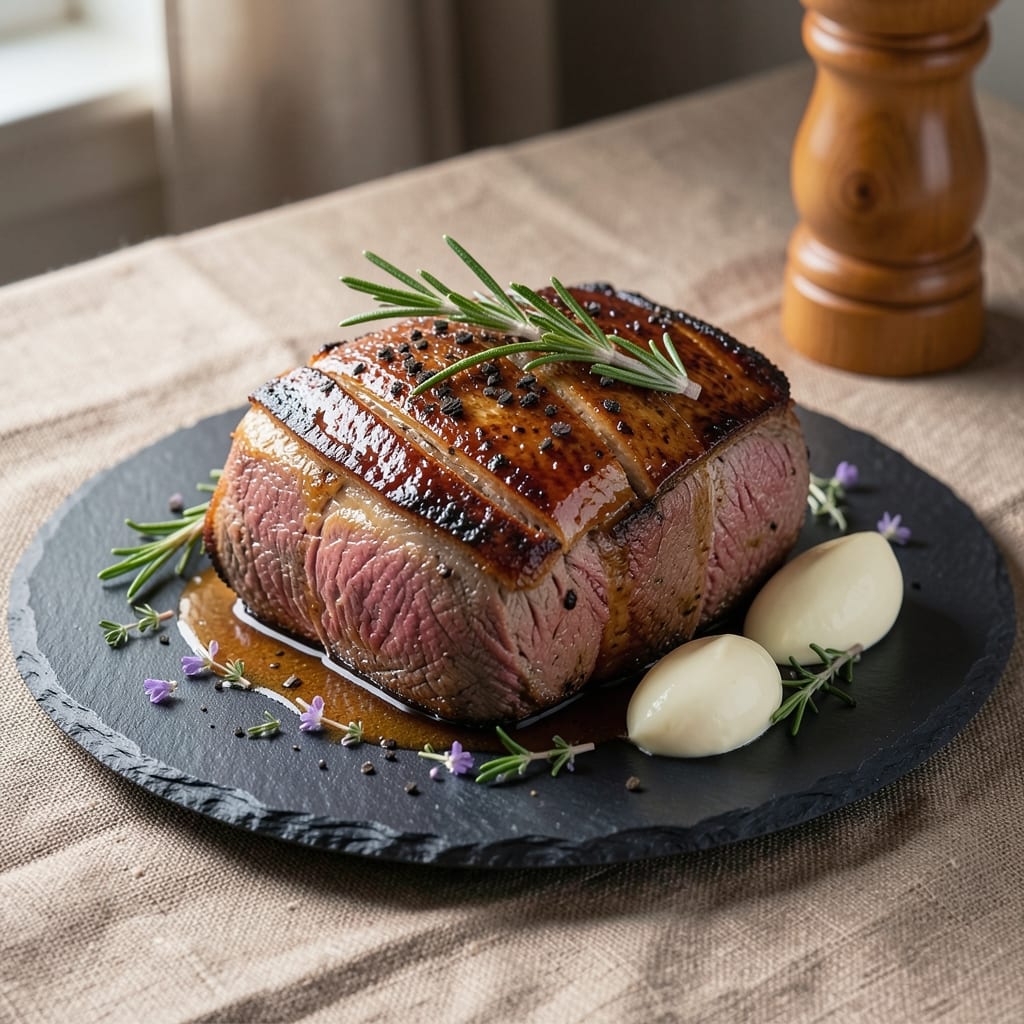
This award-winning roast beef delivers restaurant-quality results with a crispy golden crust and tender, juicy interior that falls apart at the touch of a fork. 🔥 The secret lies in dry brining and precise temperature control—techniques that transform a simple cut of beef into a showstopper main course. I’ve perfected this recipe over years of testing, and it’s now a staple at holiday dinners and special gatherings.
The key to success is selecting a well-marbled prime rib roast (or top sirloin) and letting it rest after roasting to lock in juices. A dry rub of coarse salt and black pepper creates that coveted crust, while a reverse sear method ensures even cooking without overcooking the exterior. The au jus, made from the drippings, is so rich it practically melts on your tongue.
By the time you carve into this roast, you’ll have a dish that’s tender enough to slice with a fork and crispy enough to stand up to a knife. The au jus adds another layer of flavor, making every bite unforgettable. Whether you’re hosting a dinner party or treating yourself to a Sunday feast, this recipe delivers results worthy of a Michelin-starred restaurant.
Pair it with roasted root vegetables, creamy mashed potatoes, or a crisp green salad for the full experience. The leftovers reheat beautifully, too—just slice thinly and warm gently. Here’s how to make it happen.
Ingredients for award winning roast beef
Eight ingredients transform a humble roast into a Michelin-worthy centerpiece.
| Ingredient | Amount | Notes |
|---|---|---|
| Prime Rib Roast (Bone-In) 🥩 | 4 lb | Well-marbled, 1.5-inch thick |
| Kosher Salt (Diamond Crystal) 🧂 | 1 ½ tbsp | Coarse grain preferred |
| Freshly Ground Black Pepper 🌶️ | 1 ½ tsp | Cracked peppercorns preferred |
| Unsalted Butter 🧈 | ½ cup | Cold, cut into cubes |
| Fresh Rosemary 🌿 | ¼ cup | Finely chopped, stems removed |
| Fresh Thyme 🌿 | ¼ cup | Leaves only, stems removed |
| Garlic Cloves 🧄 | 8 cloves | Smashed, skin-on |
| Beef Bone Broth (Low-Sodium) 💧 | 2 cups | Homemade or high-quality store-bought |
| Red Wine (Dry) 🍷 | ½ cup | Bold, like Cabernet Sauvignon |
| Yellow Onion 🧅 | 1 whole | Medium, peeled, quartered |
| Carrots 🥕 | 4 whole | Medium, peeled, cut into chunks |
| Celery Stalks 🥬 | 4 whole | Trimmed, cut into chunks |
| Fresh Parsley 🌿 | ¼ cup | Chopped, for garnish |
The beef is non-negotiable—prime rib with visible marbling is your golden ticket. Whole Foods or a trusted butcher will have the best cuts, but don't overlook the meat department at Costco for holiday-sized roasts. Look for a piece with at least 1.5 inches of thickness to ensure even cooking. If you're unsure about the cut, ask for a 'top sirloin roast' as a reliable alternative. The marbling should be generous, not sparse, and the meat should feel firm but springy to the touch. For a showstopper, consider a dry-aged prime rib if available—it adds depth of flavor that's hard to beat.
No prime rib? Top sirloin or ribeye roast will work in a pinch, though the texture won't be as luxurious. The dry rub of Diamond Crystal kosher salt and freshly cracked pepper is essential—table salt won't dissolve the same way. For the herbs, fresh is ideal, but if you're in a bind, dried rosemary and thyme at one-third the amount will suffice. The butter should be cold and cubed—don't let it soften before searing. For the au jus, homemade bone broth elevates the dish, but a high-quality low-sodium store-bought version (like Pacific Foods) works too. If you're short on time, beef stock plus a splash of red wine creates a similar depth of flavor.
This roast deserves a rest—20 minutes at room temperature before cooking ensures even doneness. The leftovers reheat beautifully when sliced thinly and warmed gently in the oven. Store the roast wrapped tightly in parchment for up to 4 days in the fridge, or freeze for 3 months for future feasts. The au jus keeps for 5 days in the fridge, and it actually tastes better the next day as the flavors meld. For serving, I always garnish with fresh parsley—it adds a pop of color and freshness that makes the dish look restaurant-worthy.
Why You'll Love This Recipe
- Four-Hand Prep: I swear, the hardest part is picking the roast out of the fridge. Just salt, pepper, and butter—no fancy sears or basting. The bone-in prime rib stays juicy while the rosemary infuses effortlessly in the oven.
- Butter-Basted Magic: That crispy, caramelized crust? Pure reward. The butter basting turns the rosemary into a fragrant, sticky glaze while the bone keeps the meat melt-in-your-mouth tender. Honestly, the first bite makes you question why you ever bought pre-made anything.
- Sunday Dinner Ready: This isn’t just for holidays—it’s my go-to for game days, family dinners, or when I want to feel fancy without stress. Slice it thin for sandwiches, serve it with mashed potatoes, or even repurpose leftovers into beef hash the next day.
- Leftovers That Don’t Suck: Between us, most roasts turn into sad, dry scraps. Not this one. The rosemary keeps it flavorful for days, and the butter ensures every reheat tastes like the first. I’ve fed a crowd with this recipe, and still had enough for lunches all week.
Step-by-step instructions for award-winning roast beef
Master this technique and you'll achieve a roast so tender it melts in your mouth.
🔥 Step 1: Prep and Season the Prime Rib
Remove the prime rib from the refrigerator and let it sit at room temperature for 1 hour—this ensures even cooking. Pat the surface completely dry with paper towels, focusing on the fat cap where moisture tends to linger. The drier the surface, the better the crust will form.
In a small bowl, combine the 1.5 tablespoons kosher salt and 1.5 teaspoons freshly ground black pepper. Rub this mixture generously over all sides of the roast, pressing firmly so the seasoning adheres. The coarse texture of Diamond Crystal salt helps create that coveted crust. Let the seasoned roast rest uncovered on a wire rack for 30 minutes while you prepare the aromatics.
👨🍳 Step 2: Build the Herb Butter and Vegetable Base
In a small mixing bowl, combine the 0.5 cup cold unsalted butter, 0.25 cup finely chopped fresh rosemary, 0.25 cup fresh thyme leaves, and the 8 smashed garlic cloves. Use your fingers to work the herbs into the butter until evenly distributed. This herb butter will baste the roast and infuse it with incredible flavor.
In a large roasting pan, arrange the 1 whole yellow onion, 4 whole carrots, and 4 whole celery stalks in a single layer at the bottom. These vegetables will form the foundation for your rich au jus. Pour the 0.5 cup dry red wine into the pan and scrape up any browned bits from the bottom with a wooden spoon—this flavorful fond is essential for depth.
🔥 Step 3: Roast to Perfect Medium-Rare
Preheat your oven to 450°F. Place the seasoned prime rib on top of the vegetables in the roasting pan, fat-side up. This positioning allows the rendered fat to baste the meat continuously. Rub the herb butter all over the surface of the roast, ensuring even coverage.
Roast for 20 minutes to sear the surface, then reduce the oven temperature to 325°F. Continue roasting for an additional 1 hour and 15 minutes for a 4-pound roast, or until the internal temperature reaches 120-125°F for medium-rare. The roast is ready when the probe slides in easily and the juices run clear. For best results, use a meat thermometer inserted into the thickest part of the roast.
🥘 Step 4: Rest and Create the Au Jus
Remove the roast from the oven and transfer it to a cutting board. Tent loosely with aluminum foil and let it rest for 20-30 minutes—this crucial step allows the juices to redistribute throughout the meat. During this time, carefully remove the roast from the pan and place it on a serving platter.
Return the roasting pan to the stovetop over medium-high heat. Add the 2 cups low-sodium beef bone broth to the pan and scrape up any browned bits from the bottom. Bring to a simmer and cook for 5-7 minutes until the liquid reduces slightly and becomes rich and glossy. This will be your velvety au jus that cuts like butter.
🔪 Step 5: Slice and Serve with Herb Garnish
After resting, slice the prime rib against the grain into ½-inch thick slices. Arrange the slices on the serving platter and ladle the warm au jus over the top. The rich, wine-infused sauce should coat each slice beautifully. Garnish with the 0.25 cup chopped fresh parsley for a pop of color and freshness.
Serve immediately with roasted vegetables and crusty bread to soak up every last drop of that luxurious au jus. Each bite should deliver perfectly tender meat with a rich, herby crust and a sauce so velvety it feels like it melts on your tongue. This is the kind of roast that makes people ask for seconds—and thirds.
Pro Tips For Making Award Winning Roast Beef
- USE A MEAT THERMOMETER: I learned this the hard way—guessing doneness with prime rib leads to overcooked disappointment. For medium-rare (130°F internal temp), pull it from the oven when the probe hits 125°F—it’ll rise 5°F while resting. No excuses.
- DRY THE ROAST WELL: Pat that prime rib bone-dry with paper towels before searing. I used to skip this, thinking it was overkill, but wet surfaces steam instead of brown. Focus on the bone side too—it’s where flavor hides.
- SALT THE DAY BEFORE: This isn’t the prettiest method, but it’s the tastiest. Generously coat the roast with Diamond Crystal salt (about 1 tsp per pound) and refrigerate uncovered overnight. The salt penetrates deeper, and the crust forms better when you sear.
- BASIL THE BUTTER: Skip the plain butter basting—mix ½ cup softened unsalted butter with 2 chopped rosemary sprigs and a pinch of salt. Spoon it over the roast during the last 15 minutes. The herbs infuse the butter, and the crust gets that golden, aromatic finish.
Dietary considerations for this dish
Gluten-Free Adaptations
This roast beef recipe is naturally gluten-free, but there are a few precautions to take. The red wine and beef bone broth should be certified gluten-free, as some brands may contain hidden traces. I recommend Freeman Freely Gluten-Free Red Wine and Pacific Foods Gluten-Free Beef Broth for safety. The herb butter and vegetable base remain entirely gluten-free, so no modifications are needed there. 🌾
Low-Carb/Keto Options
For a keto-friendly version, skip the red wine and replace it with 2 cups beef broth instead. The au jus will still develop rich, savory depth without the carbs. Ensure your bone broth is low-sodium to avoid exceeding your daily sodium intake. The roast itself is already keto-compliant, with no added sugars or carbs in the preparation.
Dairy-Free Substitutions
If you're avoiding dairy, replace the 0.5 cup unsalted butter with 0.5 cup olive oil or vegan butter (like Miyoko's). The herb butter will still infuse flavor, though the texture may be slightly different. For extra richness, add 1 tablespoon nutritional yeast to the herb mixture for a cheesy depth without dairy.
Allergen-Friendly Adjustments
For nut allergies, simply omit any nut-based garnishes (none are included in this recipe). For egg allergies, the recipe is already safe—no eggs are used. If you're serving guests with shellfish allergies, double-check that your beef bone broth is processed in a facility free from cross-contamination. The same goes for soy allergies, as some broths contain soy-based additives.
Protein-Packed Variations
For a higher-protein version, consider using a ribeye roast instead of prime rib—it's leaner but still flavorful. If you're watching fat intake, trim excess fat from the roast before seasoning, though this may slightly reduce the richness of the au jus. For a leaner option, top sirloin roast works well while keeping the dish protein-focused. 💪
Nutrition facts
Frequently asked questions
What's the secret to getting a perfect crust on roast beef?
The golden crust comes from a combination of dry brining and high-heat searing. Start by patting the roast completely dry with paper towels—this removes moisture that would prevent browning. Then use coarse kosher salt (not table salt) and let it sit uncovered for 30 minutes before roasting. The high heat of 450°F for the initial 20 minutes creates the Maillard reaction that gives that coveted crust.
Can I cook this roast to medium or well-done?
While this recipe is designed for medium-rare (120-125°F internal temp), you can adjust it for other doneness levels. For medium (130-135°F), reduce the oven temp to 300°F after the initial sear and add 10-15 minutes to the cooking time. For well-done (140-145°F), add another 15-20 minutes. Remember, beef continues cooking slightly while resting, so pull it out when it reaches the lower end of your target range.
How do I know when the roast is fully rested?
The roast is properly rested when the internal temperature drops about 5°F from when you removed it from the oven. For medium-rare, this means it'll go from 125°F to 120°F during resting. You can check by inserting a meat thermometer back into the thickest part. The juices should run clear, not pink, and the meat should feel firm to the touch. This usually takes 20-30 minutes—don't rush it! The resting period is what transforms your roast from good to award-winning.
What's the best way to reheat leftovers?
Slice the roast into ½-inch thick pieces and reheat gently in a 350°F oven for 10-15 minutes with a splash of beef broth to keep it moist. Never microwave—it makes the meat tough. For the au jus, simply reheat it on the stovetop over low heat until warmed through. Leftovers keep well for 4 days in the fridge or 3 months in the freezer when properly wrapped.
Can I make this recipe with a different cut of beef?
While prime rib is ideal for its marbling and tenderness, you can use top sirloin roast or ribeye roast as alternatives. For leaner cuts like sirloin, increase the cooking time slightly (5-10 minutes) as they cook faster. Avoid using chuck roast or round roast—they're too tough for this technique. If substituting, trim excess fat to prevent the au jus from becoming too greasy.