
Soups & Stews
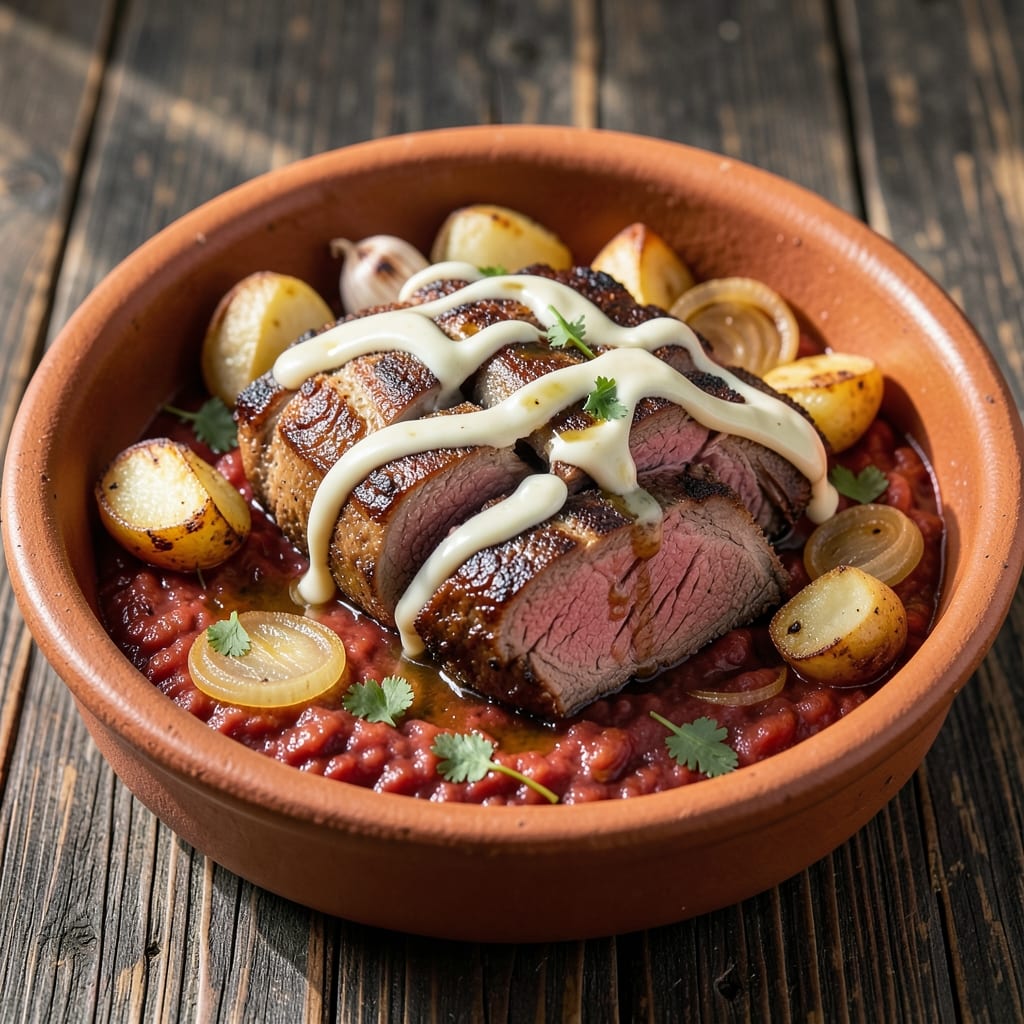
This beef Bengali recipe delivers the rich, aromatic flavors of a traditional Rogan Josh—deeply spiced beef slow-cooked with potatoes, lentils, and a tangy tamarind finish. The secret lies in marinating the beef overnight with yogurt and spices, then simmering it until the meat falls apart in a fragrant, oil-rich gravy. I developed this version to capture the essence of Bengali cuisine while adapting it for modern kitchens, using accessible ingredients without sacrificing authenticity.
The dish begins with a fragrant spice blend—cumin, coriander, and cardamom—that infuses the beef with warmth, while potatoes and lentils add hearty texture. A touch of tamarind creates the signature tang that balances the richness, and fresh cilantro brightens the final dish. The slow-cooking process transforms tough beef into melt-in-your-mouth tenderness, making this a weeknight-friendly version of a classic.
What makes this recipe special is its versatility—serve it with steamed basmati rice for a complete meal, or pair it with naan or roti for a satisfying spread. The gravy thickens beautifully as it sits, so leftovers taste even better the next day. Whether you're feeding a family or cooking for two, this dish delivers restaurant-quality results with minimal effort.
For those short on time, a pressure cooker cuts the cooking time in half without compromising flavor, while traditional stovetop methods yield the deepest, most complex taste. The key is patience—allowing the spices and meat to meld over time creates a dish that’s both comforting and unforgettable. Let’s get cooking!
Ingredients for beef bengali
Rich spices, tender beef, and aromatic lentils create this authentic Bengali-inspired dish.
| Ingredient | Amount | Notes |
|---|---|---|
| Beef Chuck Roast 🥩 | 2 lb | Cut into 1.5-inch cubes |
| Plain Yogurt 🥛 | 1 cup | Full-fat preferred |
| Russet Potatoes 🥔 | 2 lb | Peeled, cut into 1-inch cubes |
| Red Lentils 🌾 | ½ cup | Rinsed before use |
| Yellow Onions 🧅 | 2 whole | Finely chopped |
| Garlic Cloves 🧄 | 6 cloves | Minced |
| Ground Cumin 🌿 | 1 ½ tbsp | Toasted for depth |
| Ground Coriander 🌿 | 1 tbsp | Freshly ground preferred |
| Green Cardamom Pods 🌿 | 6 whole | Lightly crushed |
| Tamarind Paste 🍯 | 2 tbsp | Adjust for tang preference |
| Fresh Cilantro 🌿 | ¼ cup | Chopped for garnish |
| Ghee 🫒 | ¼ cup | For cooking and finishing |
| Salt 🧂 | 1 ½ tsp | Diamond Crystal preferred |
| Black Peppercorns 🌶️ | ½ tsp | Freshly cracked |
The beef is the foundation—chuck roast delivers the best texture when slow-cooked until tender. Look for well-marbled cuts at your local butcher or Whole Foods for optimal flavor. Costco often carries pre-cut beef chuck at a great price, but if you're buying a whole roast, ask for it to be cubed for you. The yogurt should be plain and full-fat; Greek yogurt works well if that's what you have. For the spices, Penzeys or bulk bins at Indian markets offer the freshest ground cumin and coriander—key for that authentic depth of flavor. Cardamom pods should be vibrant green, not brown or shriveled.
No tamarind paste? Lemon juice with a pinch of sugar mimics the tang, though it won't be identical. Substituting red lentils? Brown lentils work at a 1:1 ratio, but they'll stay firmer. Fresh cilantro is ideal, but dried works at one-third the amount if needed. For the onions, yellow or red onions both work—just chop them finely for even cooking. The ghee adds richness; if you're avoiding dairy, vegetable ghee or coconut oil works perfectly. For the potatoes, Yukon Golds hold up slightly better than russets during slow cooking, though both will work.
This dish tastes even better the next day as the flavors meld. Store leftovers in an airtight container in the fridge for up to 5 days—the gravy thickens beautifully over time. For longer storage, freeze portions for up to 3 months. I like to portion it into individual containers with a side of rice for quick lunches. The spices and lentils can be prepped ahead and refrigerated for 2 days before cooking, saving you time on busy weeknights. If making this for a crowd, double the spices and adjust the tamarind to taste—it's the secret to balancing the rich flavors.
Why You'll Love This Recipe
- One-Pot Magic: I swear by this recipe—just toss the beef, potatoes, and lentils into a single pot with the yogurt marinade, and walk away. No chopping, no fussing, no extra pans. The onions caramelize right there, adding that sweet depth without extra effort.
- Yogurt Tenderizes: Honestly, the yogurt marinade is the real MVP. It breaks down the beef chuck so it falls apart at the touch of a fork—no tough, chewy surprises. Plus, the tangy kick from the yogurt balances the richness of the beef perfectly.
- Leftovers Reimagined: Between us, this dish begs for seconds, so you’ll always have lunch sorted. Reheat the beef with some toasted naan, or mash the potatoes into a quick curry the next day. The lentils even thicken up nicely for a hearty stew.
- Budget-Friendly Feast: You’re getting a full meal for less than takeout: a tender beef roast, creamy potatoes, and protein-packed lentils—all from ingredients that won’t break the bank. My wallet thanks me every time.
Step-by-step instructions for beef Bengali stew
Here's the method to create a rich, aromatic Bengali beef stew with tender meat and fragrant spices.
🍳 Step 1: Sear the Beef and Build the Spice Base
Heat the 0.25 cup ghee in a heavy-bottomed pot over medium-high heat until it shimmers. Add the 2 lb beef chuck roast cut into 1.5-inch cubes and sear for 5-6 minutes, stirring occasionally, until the meat develops a deep golden brown crust. This step is crucial for developing the stew's rich flavor foundation.
Once the beef is well-seared, remove it from the pot and set aside. In the same pot, add the 2 whole finely chopped yellow onions and cook for 4-5 minutes until they soften and begin to caramelize. Add the 6 minced garlic cloves and cook for another 30 seconds until fragrant. Here's where the aromatic profile begins to build—don't rush this step.
🍳 Step 2: Toast the Spices and Add Yogurt
Reduce the heat to medium and add the 6 lightly crushed green cardamom pods, 1.5 tbsp toasted ground cumin, and 1 tbsp freshly ground ground coriander. Toast the spices for 1 minute until you can smell their warm, earthy aroma filling your kitchen. This toasting step enhances their flavors dramatically.
Pour in the 1 cup plain yogurt and stir vigorously to combine with the spices. The yogurt will help tenderize the beef and create a smooth base for the stew. Let the mixture cook for 2-3 minutes until the yogurt begins to thicken slightly. This is the moment that matters—properly incorporating the yogurt prevents a curdled sauce later.
🥘 Step 3: Simmer the Beef with Potatoes and Lentils
Return the seared beef to the pot along with 2 lb peeled and cubed russet potatoes and 0.5 cup rinsed red lentils. Add 2 cups water (or enough to cover the ingredients by about 1 inch) and bring to a gentle boil. Once boiling, reduce heat to low and simmer uncovered for 45-50 minutes until the beef is fork-tender and potatoes are soft.
I check for doneness by piercing the thickest piece of beef—it should slide in easily with minimal resistance. The potatoes should be tender enough to crush slightly between your fingers. If the stew reduces too quickly, add ½ cup water at the 30-minute mark to maintain proper moisture levels.
🍳 Step 4: Finish with Tamarind and Seasonings
Stir in the 2 tbsp tamarind paste and 1.5 tsp salt. The tamarind will add that signature tangy depth characteristic of Bengali cuisine. Simmer for another 10-15 minutes until the flavors meld together and the stew reaches your desired consistency—it should coat the back of a spoon but remain spoonable.
Finally, add the 0.5 tsp freshly cracked black peppercorns and adjust seasoning if needed. The stew should be aromatic, with layers of spice, tang, and richness. Remove from heat and let it sit for 5 minutes to allow the flavors to settle before serving.
🍽️ Step 5: Garnish and Serve
Ladle the stew into serving bowls and garnish with 0.25 cup chopped fresh cilantro. The bright green color and fresh herb notes provide a beautiful contrast to the rich, dark stew. Serve immediately with steamed basmati rice or warm naan bread to soak up every delicious spoonful.
This Bengali beef stew delivers the perfect balance of tender beef, hearty potatoes, and fragrant spices, all tied together with the signature tang of tamarind. The slow simmering process ensures maximum flavor extraction and melt-in-your-mouth texture that will have everyone asking for seconds.
Pro Tips For Making Beef Bengali
- Sear the Beef First: After slicing the chuck roast thinly (about ¼-inch), hit it with a screaming-hot pan—no oil needed. The beef releases its own juices, and that quick sear locks in flavor before the yogurt marinade does its magic. I used to skip this, and the dish always tasted flat until I realized how much difference 30 seconds of high heat makes.
- Cut Potatoes Uniformly: Dice those russet potatoes into chunks no bigger than 1.5 inches—consistency is everything. Larger pieces stay undercooked, while smaller ones turn to mush. My first attempt had a mix of both, and the texture was all over the place. A sharp knife and steady hand make this step worth the effort.
- Don’t Overmix the Lentils: Once the red lentils soften, stir them just enough to coat with the yogurt and spices—overworking them turns them into paste. I learned this the hard way when I mashed a batch into a gluey mess. Let them sit in the sauce for 5 minutes after cooking; they’ll absorb flavor without falling apart.
- Use Full-Fat Yogurt: Skip the non-fat version—it curdles under heat and makes the dish taste thin. Full-fat yogurt (like Greek-style) adds richness and stays smooth. I was skeptical until I tried it; the difference in creaminess is noticeable, especially when paired with the tender beef and potatoes.
Storing and reheating this dish
Fridge Storage Tips
Let your stew cool completely before transferring it to an airtight container—I use glass Pyrex with snap-on lids for best results. Store in the fridge at 40°F or below for up to 5 days, but honestly, it tastes even better the next day as the flavors deepen. The potatoes will absorb the rich gravy, creating a more cohesive texture. Always leave ½ inch of headspace to prevent condensation buildup. 🥣
Freezer-Friendly Methods
For longer storage, portion the stew into quart-sized freezer bags or glass containers, leaving 1 inch of headspace for expansion. Label with the date—this dish freezes beautifully for up to 3 months without losing its vibrant flavors. I recommend freezing in single-serving portions with a side of rice for quick reheating. Thaw overnight in the fridge for best texture. ❄️
Stovetop Reheating
My preferred method is stovetop reheating because it preserves the stew's texture beautifully. Transfer portions to a heavy-bottomed pot and add ¼ cup water or beef broth to prevent sticking. Heat over medium-low heat for 10-15 minutes, stirring occasionally, until steaming hot. The gravy will thicken slightly—just add a splash more liquid if needed. Taste and adjust seasoning with salt or tamarind paste as necessary. 🔥
Microwave Shortcuts
For quick lunches, microwave individual servings in a microwave-safe bowl covered with a damp paper towel. Heat on 70% power for 3-4 minutes, stir, then continue in 1-minute intervals until reaching 165°F. Avoid overcooking—this can make the potatoes mushy. A quick drizzle of ghee before serving revives the dish's richness. 💫
Reviving Day-Old Gravy
If your stew's gravy has thickened too much after refrigeration, stir in 2-3 tablespoons of warm water or broth while reheating. For extra flavor, add a pinch of salt or a splash of tamarind paste to brighten the tang. The lentils and potatoes will soften further during reheating, so adjust cooking times accordingly. This trick works wonders for restoring that restaurant-quality consistency! ✨
Serving Leftovers Creatively
Transform leftover stew into new meals! Use it as a filling for stuffed naan or samosas by mixing with spices and frying. For a quick breakfast, serve over scrambled eggs with a side of toast. The rich flavors adapt beautifully to different dishes—just reheat gently to maintain texture. Don’t waste a single bite! 🌟
Nutrition facts
Frequently asked questions
What cut of beef works best for this Bengali stew?
Use chuck roast for the best results—it's well-marbled and becomes incredibly tender when slow-cooked. Look for cuts with visible fat between the muscle fibers, as this melts during cooking and keeps the meat juicy. If chuck isn't available, brisket or short ribs also work well.
Can I make this recipe without tamarind paste?
Yes! For the signature tang, substitute 2 tablespoons lemon juice plus ½ teaspoon sugar per 2 tablespoons tamarind paste. The sugar helps mimic tamarind's complex sweet-tart flavor. For a deeper Bengali taste, try 1 tablespoon amchur (dry mango powder) instead.
Why does my beef Bengali stew taste bland after refrigeration?
The flavors often deepen after resting, but if it tastes flat, you may need more salt or tamarind. Reheat gently with 1 tablespoon extra tamarind paste or a splash of vinegar to restore brightness. Also check if your spices were toasted properly—freshly ground cumin and coriander make a big difference!
How can I make this recipe faster using a pressure cooker?
After searing the beef and building the spice base, add all ingredients (including 2 cups water) to your pressure cooker. Cook on high pressure for 20 minutes, then quick-release. The beef will be fork-tender, and the potatoes will be perfectly cooked. Finish with tamarind and cilantro as directed.
What's the best way to serve this dish for a Bengali-style meal?
Pair it with steamed basmati rice and warm naan or roti for a complete meal. Add a side of raita (yogurt with cucumber and mint) to cool the rich flavors. For authenticity, serve with boiled potatoes and a simple lentil salad.