
Soups & Stews
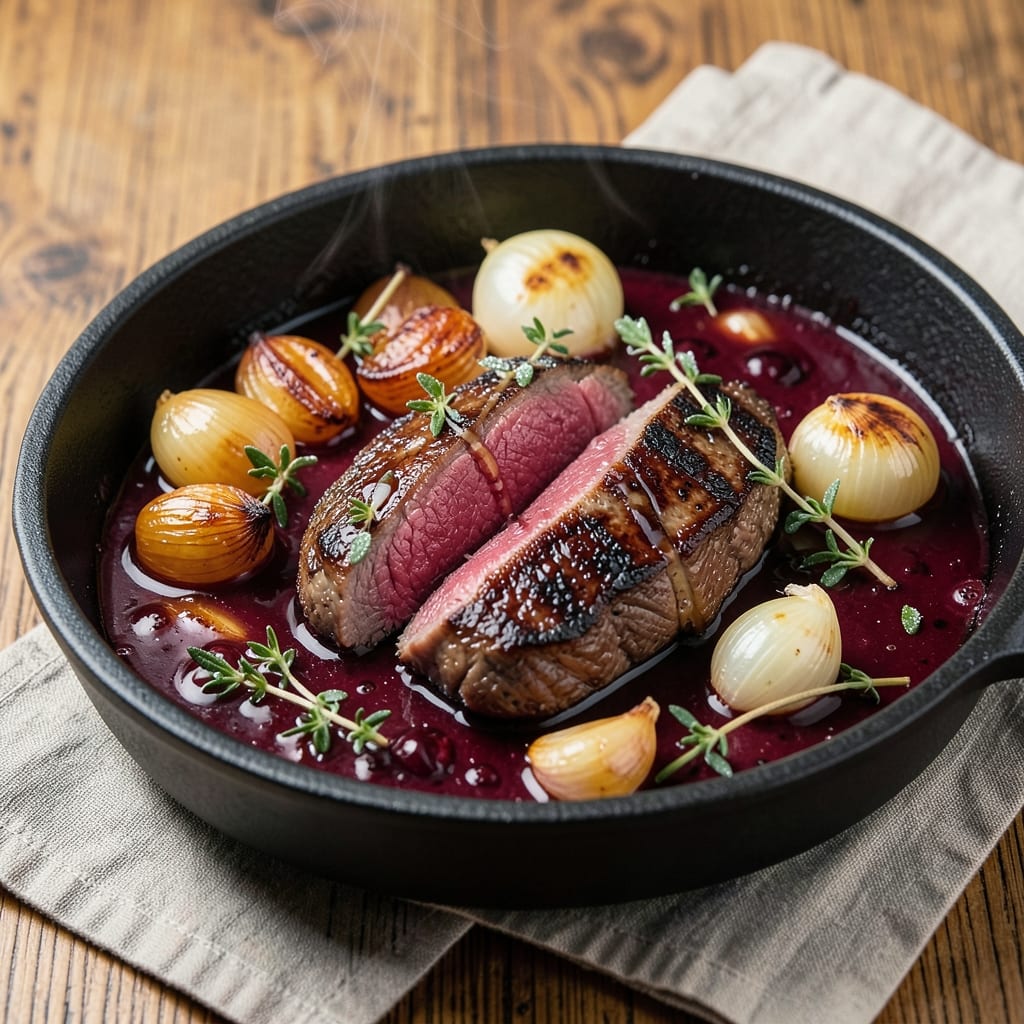
This Beef Beaujolais recipe transforms simple beef cuts into a bistro-worthy dish with deep, wine-infused richness. The secret lies in slow-braising ribeye or sirloin with dry Beaujolais wine, creating a velvety sauce that clings to tender meat. After years of perfecting this classic French technique, I’ve simplified it without sacrificing authenticity—just 2 hours from start to finish for restaurant-quality results at home.
What sets this recipe apart is the balance of bold flavors and silky texture. Searing the beef first develops a caramelized crust, while the wine reduction extracts every layer of umami from shallots, garlic, and herbs. The dish pairs beautifully with creamy mashed potatoes or crusty baguette, making it ideal for weeknight dinners or special occasions. No fancy equipment is needed—just a heavy pot and patience for the slow cook.
The final result is melt-in-your-mouth beef swimming in a glossy, wine-infused sauce with just the right acidity to cut through the richness. Every bite delivers a perfect harmony of tender meat and deep, aromatic flavors. This recipe proves that bistro-style cooking is within reach, even for home cooks.
For extra depth, add a splash of beef stock or a pinch of sugar to balance the wine’s acidity. Serve with a sprinkle of fresh parsley for brightness and a drizzle of reduced sauce over each portion. The presentation is as impressive as the taste—simple yet sophisticated.
Ingredients for beef beaujolais
Transform simple beef cuts into bistro-worthy richness with these carefully selected ingredients.
| Ingredient | Amount | Notes |
|---|---|---|
| Ribeye Steak 🥩 | 1 ½ lb | Center-cut, 1-inch thick slices |
| Dry Beaujolais Wine 🍷 | 1 ½ cups | Medium-bodied red variety preferred |
| Yellow Onion 🧅 | 1 whole | Medium, thinly sliced |
| Shallots 🧄 | 4 cloves | Minced, not chopped |
| Garlic Cloves 🧄 | 4 cloves | Peeled, smashed |
| Fresh Thyme 🌿 | ¼ cup | Leaves only, stems removed |
| Fresh Parsley 🌿 | ⅛ cup | Chopped, for garnish |
| Unsalted Butter 🧈 | 2 tbsp | Cold, cubed |
| All-Purpose Flour 🌾 | 1 tbsp | For dredging |
| Beef Stock 💧 | 1 cup | Homemade or high-quality |
| Granulated Sugar 🍚 | 1 tsp | Balances acidity |
| Kosher Salt 🧂 | 1 ½ tsp | Diamond Crystal preferred |
| Freshly Ground Black Pepper 🌶️ | ½ tsp | Cracked peppercorns |
| Vegetable Oil 🫒 | 2 tbsp | High smoke point |
The ribeye steak is non-negotiable for this dish—its marbling ensures melt-in-your-mouth tenderness. Look for center-cut slices with visible fat cap, which renders beautifully during searing. Most butchers will slice it for you if you ask, saving time. For the Beaujolais wine, avoid anything labeled 'cooking wine'—opt for a dry, medium-bodied red from the store's wine section. Trader Joe's or Total Wine often carry affordable options that work perfectly. Fresh thyme and parsley should be vibrant green, not wilted, and ideally purchased from a market with high turnover to ensure freshness. The shallots and garlic add depth, but mincing them finely is crucial for even distribution of flavor throughout the sauce.
No Beaujolais on hand? Pinot Noir or Merlot work in a pinch, though the sauce will have slightly different depth. Fresh herbs unavailable? Dried thyme at one-third the amount suffices, but skip the parsley if using dried—its bright flavor is best fresh. For the butter, European-style (like Plugrá) has higher fat content, creating a richer sauce. The beef stock should be homemade if possible, but Kitchen Basics or Pacific Foods brands are reliable store-bought options. If your flour is lumpy, sift it before dredging the beef to create an even crust. The sugar balances the wine's acidity, so don't skip it—brown sugar works too, but white dissolves more cleanly.
The wine can be reduced and stored in the fridge for up to 5 days in an airtight container, though it's best used fresh. Beef stock freezes well for up to 6 months in ice cube trays, making it easy to portion. Fresh herbs should be wrapped in damp paper towels and stored in a resealable bag in the crisper drawer for 4-5 days. For meal prep, braise the beef fully, then refrigerate and reheat gently in the sauce—this actually enhances the flavors. The dish reheats beautifully, making it perfect for lunch leftovers or weeknight dinners when you're short on time.
Why You'll Love This Recipe
- One-Pan Magic: I swear by this when I don’t want to wash a million dishes. Sear the ribeye, toss in the onions, shallots, and garlic—then just let the Beaujolais wine do its thing. Thirty minutes later, you’ve got a restaurant-worthy dish with a single pan to clean. (Yes, even on a Tuesday night.)
- Wine-Infused Richness: That dry Beaujolais isn’t just for sipping—it’s the secret weapon here. The deep, fruity notes caramelize into the sauce while the ribeye stays juicy, giving you a flavor that’s ridiculously more complex than a basic steak sauce. Honestly, I’ll take this over store-bought any day.
- Weeknight to Date Night: This recipe works whether you’re feeding yourself after a long day or impressing someone special. For weeknights, I keep it simple with crusty bread. For fancier occasions? Add a sprinkle of thyme and a side of mashed potatoes. Between us, the wine sauce alone makes it feel like a celebration.
- Leftovers That Don’t Suck: Most steak leftovers are dry or sad—but not this. The Beaujolais keeps the meat tender, and the sauce thickens just enough to reheat beautifully. I’ll pack it for lunch the next day or freeze portions for when I’m too tired to cook. (And trust me, it’s still delicious cold.)
Step-by-step instructions for beef Beaujolais
A rich wine-braised beef dish where deep flavors meld perfectly with tender meat.
Sear the Ribeye for Maximum Flavor
Pat the 1.5 lb ribeye steak completely dry with paper towels—this ensures a perfect sear. Heat 2 tablespoons vegetable oil in a heavy Dutch oven over medium-high heat until shimmering. Season the steak generously with 1.5 teaspoons kosher salt and 0.5 teaspoon freshly ground black pepper on both sides.
Place the steak in the hot oil and sear for 2 minutes per side until deeply browned with a crust forming. Press down gently on the steak during the first minute to prevent curling. Remove the steak and set it aside to rest while you prepare the braising liquid—this resting period ensures juicy meat when it returns to the pot.
Build the Wine-Braised Base
Reduce the heat to medium and add 2 tablespoons unsalted butter to the Dutch oven. Let it melt completely, then add 1 whole yellow onion (thinly sliced) and 4 cloves shallots (minced). Cook for 3-4 minutes until softened but not browned. Add 4 cloves garlic cloves (smashed) and 0.25 cup fresh thyme leaves, cooking for another 30 seconds until fragrant.
Sprinkle 1 tablespoon all-purpose flour over the vegetables and stir vigorously for 1 minute to cook off the raw flour taste. Slowly pour in 1.5 cups dry Beaujolais wine, scraping up any browned bits from the bottom of the pot. Add 1 teaspoon granulated sugar to balance the wine's acidity and 1 cup beef stock, bringing the mixture to a gentle simmer.
Braise Until Tender and Silky
Return the seared steak to the Dutch oven and add enough liquid to come about halfway up the sides of the meat. Cover tightly with a lid and transfer to a preheated 325°F oven. Braise for 2-2.5 hours, turning the steak occasionally, until it reaches an internal temperature of 195°F and is fork-tender.
The steak should be so tender it practically falls apart when pierced with a fork, and the sauce should have reduced to a thick, glossy consistency. If the liquid reduces too quickly, add a splash of water or stock to maintain the proper braising level. This slow cooking process is what transforms tough cuts into melt-in-your-mouth perfection.
Finish and Garnish for Restaurant-Quality Presentation
Remove the steak from the pot and let it rest on a cutting board for 10 minutes before slicing against the grain into 0.5-inch thick strips. Skim any excess fat from the braising liquid, then return the steak to the pot and simmer uncovered for 5-7 minutes to thicken the sauce further.
Garnish each serving with 0.125 cup chopped fresh parsley and serve immediately with the rich wine sauce spooned generously over the top. The finished dish should feature tender, silky beef with a deep, complex sauce that balances the wine's acidity with the richness of the beef and butter. Pair with crusty bread to soak up every last drop of that luxurious braising liquid.
Pro Tips For Making Beef Beaujolais
- SEAR THE STEAK FIRST: I learned this the hard way—skipping the sear means the wine sauce will taste like it’s swimming in steak water. Get that ribeye screaming hot in a dry pan for 3-4 minutes per side before touching the wine. The crust locks in flavor, and the sauce turns rich instead of flat.
- DEGLAZE WITH PATIENCE: Pour in that Beaujolais slowly, a splash at a time, and let it bubble away before adding more. I used to dump it all at once, and the alcohol would just burn off without extracting the onion-shallot goodness. Scrape the browned bits—this isn’t the time to rush.
- USE FRESH SHALLOTS: Jarred minced shallots are convenient, but fresh makes all the difference in this dish. Thinly slice them yourself (about ¼-inch strips) so they caramelize properly with the onions. They’ll add a sweeter, more complex layer that jarred ones can’t match.
- SAVE THE WINE DRIPS: After searing the steak, tilt the pan and pour the accumulated juices into your measuring cup with the Beaujolais. That extra liquid—even if it’s just a tablespoon—adds depth to the sauce. I skip this now, but the dish is noticeably better when I don’t.
Best sauces and condiments for these flavors
Wine Reduction Mastery
The star of this dish is the wine reduction sauce, where Beaujolais wine transforms into a glossy, velvety elixir. After braising, reduce the sauce on the stovetop over medium-high heat until it coats the back of a spoon—this should take about 10-15 minutes. A splash of beef stock (about ¼ cup) keeps it from becoming too thick while deepening the umami. For extra richness, whisk in 1 tablespoon cold butter at the end, letting it melt gently into the sauce. 🍷
Butter and Herb Finishing
Cold butter isn’t just for richness—it also adds a silky texture that elevates the sauce. After reducing, remove the pot from heat and stir in 2 tablespoons cold cubed butter, letting it melt slowly. Add 1 tablespoon fresh parsley and ½ teaspoon fresh thyme for brightness. If the sauce feels too acidic, a pinch of granulated sugar (about ¼ teaspoon) balances the wine’s tartness beautifully.
Umami Boosters
For an extra layer of depth, add 1 teaspoon soy sauce or ½ teaspoon Worcestershire sauce to the braising liquid while cooking. Both enhance the umami without overpowering the wine’s delicate flavors. Another trick? A bay leaf tucked into the pot during braising infuses subtle earthiness. Remove it before serving—its woody texture doesn’t belong in the final dish.
Acidity Adjustments
If your Beaujolais wine is particularly tart, balance it with 1 teaspoon lemon juice or a pinch of sugar during reduction. Conversely, if the sauce tastes flat, a squeeze of fresh lemon or a dash of red wine vinegar (about ½ teaspoon) brightens the profile. Taste as you go—this sauce is forgiving but benefits from these small tweaks.
Fat Skimming
After braising, skim excess fat from the sauce using a fat separator spoon or by spooning it onto a paper towel. This step isn’t just for aesthetics—it creates a cleaner, more refined sauce. For a restaurant-style finish, strain the sauce through a fine-mesh sieve to remove any herb stems or sediment, then return it to the pot for final reduction.
Garnish Like a Pro
Fresh herbs make the difference between homemade and bistro-quality. Sprinkle chopped parsley over each serving, but also consider thinly sliced shallots or toasted breadcrumbs for texture. A drizzle of reduced balsamic glaze (just 1 tablespoon) adds a touch of elegance. For a smoky note, a pinch of smoked paprika stirred into the sauce before serving works wonders. ✨
Nutrition facts
Frequently asked questions
Can I substitute Beaujolais wine with another type?
While Beaujolais adds a light, fruity depth, Pinot Noir or Merlot work beautifully. Avoid heavy Cabernet Sauvignon—it overpowers the dish. For a non-alcoholic version, use grape juice plus 1 tablespoon red wine vinegar to mimic acidity. The key is a medium-bodied red with moderate tannins.
How do I know when the beef is perfectly tender?
The beef is done when it reaches 195°F internally and falls apart with a fork. For extra precision, pierce the thickest part—if it offers no resistance, it's ready. Overcooking can make it mushy, so aim for 2-2.5 hours in the oven, checking after 2 hours.
What sides pair best with this dish?
Classic pairings include creamy mashed potatoes (to soak up the sauce), crusty baguette (for dipping), or sautéed green beans (to cut through the richness). For a heartier meal, add roasted root vegetables like carrots or parsnips. Avoid heavy sides—the wine sauce is the star!
Can I make this ahead of time?
Yes! Braise the beef completely, then refrigerate for up to 3 days or freeze for 3 months. Reheat gently in the sauce over low heat—this actually enhances the flavors. Just add a splash of stock or water if the sauce thickens too much during reheating.
Why does my sauce taste too acidic?
Beaujolais wine is naturally tart, but a pinch of granulated sugar (about ¼ teaspoon) or a splash of beef stock balances the acidity. For a brighter finish, stir in 1 tablespoon cold butter at the end—it coats the palate and mellows the taste. Taste as you reduce to adjust!