
Main Courses
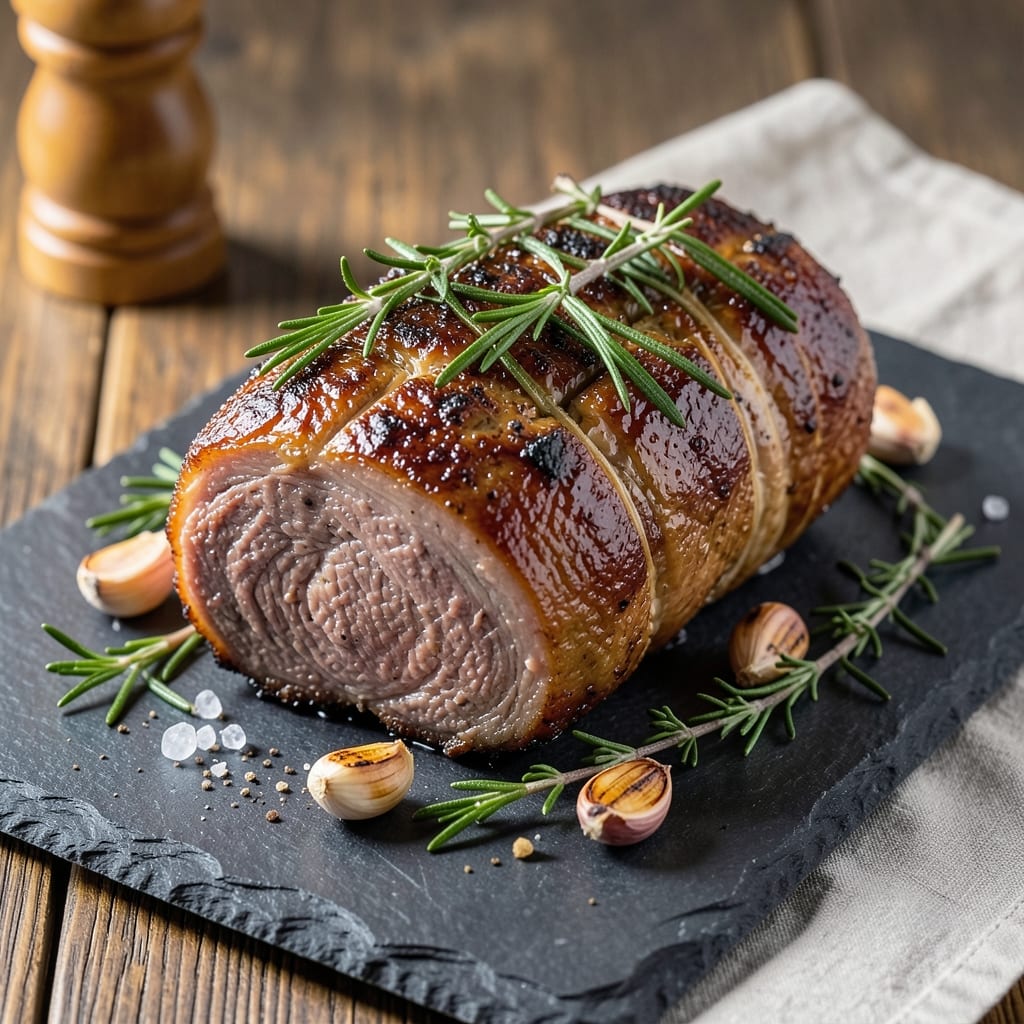
This beef ball tip roast recipe delivers restaurant-quality results with minimal effort—juicy, self-basting meat that practically melts in your mouth. The secret lies in the herb-crusted exterior and precise roasting technique that locks in moisture while creating a golden, flavorful bark. I’ve perfected this method over years of holiday roasts, and it never fails to impress even the most critical guests.
The magic happens with a dry-brined crust of rosemary, thyme, and garlic, which clings to the meat while roasting. Unlike traditional roasts, the ball tip’s natural fat cap renders slowly, basting the meat from within for unmatched tenderness. This method works equally well in the oven or smoker, giving you flexibility for any occasion. The result? A perfectly medium-rare center with a crust so flavorful, it’ll disappear faster than you can say "second helping."
What sets this apart is the self-basting technique, which eliminates the need for constant basting—just set it in the oven and let the fat work its magic. The herb crust adds aromatic depth, while the meat’s natural juices keep every slice moist and rich. Pair it with classic sides like mashed potatoes or roasted root vegetables for a complete, showstopping meal.
Whether you're hosting a holiday feast or treating yourself to a special dinner, this roast delivers foolproof results with minimal fuss. The key is patience—letting the meat rest after roasting ensures every slice stays juicy. Here’s how to make it perfect every time.
Ingredients for beef ball tip roast
Six ingredients transform a simple roast into a showstopping centerpiece with restaurant-quality crust and juicy perfection.
| Ingredient | Amount | Notes |
|---|---|---|
| Beef Ball Tip Roast 🥩 | 4 lb | Center-cut, bone-in preferred |
| Fresh Rosemary 🌿 | ½ cup | Finely chopped, stems removed |
| Fresh Thyme 🌿 | ¼ cup | Stems removed, leaves only |
| Garlic Cloves 🧄 | 8 cloves | Minced, peeled |
| Kosher Salt 🧂 | 2 tbsp | Diamond Crystal preferred |
| Freshly Ground Black Pepper 🌶️ | 1 ½ tsp | Coarse grind |
| Extra-Virgin Olive Oil 🫒 | 2 tbsp | For crust application |
| Unsalted Butter 🧈 | ½ cup | Cold, cubed |
| Yellow Onion 🧅 | 1 whole | Thinly sliced, for garnish |
| Fresh Parsley 🌿 | ¼ cup | Chopped, for garnish |
| Beef Tallow or Duck Fat 🧈 | ¼ cup | For basting (optional) |
| Red Wine 🍷 | ½ cup | Dry, for basting (optional) |
The beef ball tip roast is the star—center-cut ensures maximum tenderness, and the bone-in version delivers richer flavor. Local butchers or specialty meat counters carry the best cuts, often pre-trimmed for convenience. Look for a roast with good marbling and a vibrant red color—this guarantees juiciness. If you can't find ball tip, top round or chuck roast works in a pinch, though texture will differ slightly. The herb crust relies on fresh rosemary and thyme—dried herbs won't provide the same aromatic punch, so skip them unless you're desperate. For the garlic, peel and mince it fresh—jarred minced garlic lacks the depth of flavor.
No fresh rosemary? Substitute with 1/4 cup fresh thyme plus 1 tsp dried rosemary, but expect a milder flavor. Running low on olive oil? Avocado oil or melted butter works equally well for the crust. The cold butter cubes add richness—don't skip them, but if you're avoiding dairy, use vegan butter or coconut oil instead. For basting, beef tallow or duck fat elevates the flavor, but a 50/50 mix of olive oil and red wine creates a similar effect. The onions and parsley are purely decorative but add a pop of color—use whatever fresh herbs you have on hand.
This roast rewards patience—rest it for at least 20 minutes before slicing to retain juices. Store leftovers in the fridge for 3-4 days or freeze for up to 3 months by wrapping tightly in butcher paper. For reheating, low oven (275°F) for 20 minutes preserves moisture better than microwaving. The herb crust keeps for 1 week in an airtight container if you're prepping ahead, but fresh herbs always taste best. If you're making this for a crowd, double the recipe—the leftovers make incredible sandwiches the next day.
Why You'll Love This Recipe
- Minimal Prep, Maximum Payoff: I swear by this one—just sear the roast, smash in those garlic cloves, and let the rosemary and thyme work their magic while you do anything else. No chopping, no fussing, no stress.
- Crispy Edge, Juicy Core: That ball tip roast? It’s like a flavor bomb—crispy on the outside, tender inside, with the rosemary and thyme clinging to every bite like a hug from a French countryside kitchen.
- Leftovers That Don’t Suck: Honestly, I make this on purpose for leftovers. Slice it thin, toss it in a sandwich, or throw it in a stir-fry—it’s always better the second time around, and it keeps for days without drying out.
- Budget-Friendly Crowd-Pleaser: Ball tip roast is the unsung hero—cheaper than prime cuts but just as satisfying. Feed a houseful of people, and they’ll all ask for seconds, leaving you with zero guilt over the grocery bill.
Step-by-step instructions for herb-crusted beef ball tip roast
Transform a simple beef roast into a showstopping centerpiece with this method—juicy, self-basting perfection every time.
Prepare the Roast and Herb Crust
Begin by removing the beef ball tip roast from the refrigerator and letting it sit at room temperature for 30 minutes. This ensures even cooking throughout. Pat the roast dry with paper towels—this step is critical for developing a crispy crust. I like to use two layers of paper towels to remove any excess moisture that would otherwise steam the meat instead of browning it.
In a small bowl, combine the 0.5 cup fresh rosemary, 0.25 cup fresh thyme, 8 cloves minced garlic, 2 tablespoons kosher salt, and 1.5 teaspoons freshly ground black pepper. Rub this mixture all over the roast, pressing firmly so the herbs adhere to the meat. Then, brush the roast evenly with the 2 tablespoons extra-virgin olive oil. This oil helps create a golden-brown crust while keeping the meat moist inside.
Sear the Roast for Maximum Flavor
Preheat your oven to 425°F. Place the roast fat-side up in a roasting pan and let it sit uncovered in the oven for 15 minutes to come to temperature. This initial step helps render some of the fat, which will later baste the meat during roasting.
Remove the roast from the oven and increase the oven temperature to 450°F. Place the roast directly on the middle rack of the oven (no roasting pan) and roast for 15 minutes. This high-heat sear creates a deep, caramelized crust that locks in juices. You'll know it's ready when the roast is a rich, golden brown color and the fat is bubbling vigorously.
Roast to Juicy Perfection with Self-Basting
After searing, reduce the oven temperature to 325°F. Return the roast to the roasting pan and add the 0.5 cup cold cubed butter and 0.25 cup beef tallow or duck fat around the roast. The fat will render and baste the meat as it cooks, ensuring unparalleled juiciness. Optionally, pour the 0.5 cup red wine into the pan to deglaze and add depth of flavor.
Roast the beef for approximately 2 to 2.5 hours, or until the internal temperature reaches 130°F for medium-rare. The roast is done when a meat thermometer inserted into the thickest part of the roast reads this temperature. The natural juices will redistribute during resting, so don't overcook. Tent the roast loosely with aluminum foil to prevent over-browning while it rests.
Rest and Slice for Maximum Juiciness
Transfer the roast to a cutting board and let it rest for 20 to 30 minutes before slicing. This resting period is crucial—it allows the juices to redistribute throughout the meat, preventing them from pooling and running out when you cut into it. The roast should feel warm to the touch but not hot, indicating that the internal temperature has stabilized.
Slice the roast against the grain into ½-inch thick slices. Garnish with the thinly sliced yellow onion and chopped fresh parsley just before serving. The onions add a touch of sharpness that cuts through the richness of the beef, while the parsley brightens the dish with a fresh finish. Serve immediately with pan juices spooned over the top for an extra layer of flavor.
Pro Tips For Making Beef Ball Tip Roast
- SEAR FIRST, THEN SALT: The ball tip roast’s exterior needs a head start—get that pan screaming hot before adding oil, then sear the meat for 3-4 minutes per side until deep brown. After that, sprinkle kosher salt directly onto the hot surface (it’ll melt into a crust). I used to salt before searing, and the crust always came out pale and bland.
- STUFF THE HERBS INSIDE: Fresh rosemary and thyme lose their punch when tucked under foil or left on top. Split the roast lengthwise, make a pocket, and stuff in whole sprigs of both herbs plus 2-3 smashed garlic cloves. Tie it shut with butcher’s twine—this guarantees flavor in every bite, not just the surface.
- DON’T RUSH THE REST: Pull the roast from the oven at 130°F internal (yes, it’ll keep rising to 135°F). Tent it with foil and let it sit for a solid 15 minutes before slicing—this is where the juices redistribute. I’ve sliced too soon more times than I’ll admit, and the result is always dry, stringy meat.
- USE A MEAT MALLET (OR A BOTTLE): The ball tip’s tough exterior needs a head start. Pound the roast to an even ½-inch thickness with a meat mallet—or a heavy bottle in a pinch—before seasoning. This ensures even cooking and a better crust. Skipping this step means fighting uneven doneness and a chewy bite.
Serving suggestions for leftovers
Classic Comfort Sides
Nothing complements this herb-crusted roast like creamy mashed potatoes—their buttery texture contrasts beautifully with the roast's rich crust. I make mine with Yukon Gold potatoes, sour cream, and a touch of garlic powder for extra depth. For a lighter option, try roasted root vegetables like carrots, parsnips, and celery with a drizzle of honey and thyme. Both sides soak up the pan juices like a dream. 🥔
Elegant Garnishes
Fresh red wine reduction drizzled over the sliced roast adds a sophisticated touch. Simmer ½ cup red wine with 1 tbsp butter and 1 tsp shallots until thickened. For a pop of color, arrange thinly sliced red onions and chopped parsley in a circular pattern on the platter. A sprinkle of flaky sea salt finishes the presentation perfectly. These garnishes make the dish look like it came from a high-end restaurant. ✨
Bread Pairings
Warm crusty sourdough bread is a must—I love serving it with herb butter made from softened butter, minced rosemary, and a pinch of salt. For a heartier option, try garlic pull-apart bread baked in a cast-iron skillet. These breads help soak up any remaining pan juices and add texture contrast. I always keep a basket nearby during dinner so guests can serve themselves. 🍞
Vegetable Sides
For a lighter balance, sautéed green beans with crispy pancetta and lemon zest cut through the richness. Or try roasted Brussels sprouts tossed with balsamic glaze and pecans for a sweet-savory contrast. Both sides bring freshness to the plate while complementing the roast's deep flavors. The key is to roast or sauté them until tender-crisp for the best texture. 🥦
Sauce Enhancements
If you want to elevate the dish further, a red wine gravy made from the pan drippings is a game-changer. Deglaze the roasting pan with ½ cup red wine, then whisk in 2 tbsp flour and 2 cups beef broth. Simmer until thickened, then finish with a splash of beef stock. This gravy ties everything together beautifully. 🍷
Dessert Pairings
End the meal on a high note with dark chocolate-dipped strawberries or a warm apple crumble with vanilla ice cream. The bitterness of the chocolate or the warmth of the crumble provides a refreshing contrast to the rich, savory roast. I always serve dessert at least 30 minutes after the main course to let flavors settle. 🍓
Nutrition facts
Frequently asked questions
Why does the recipe call for resting the roast for 20-30 minutes?
Resting allows the meat's juices to redistribute evenly throughout the roast. If you slice too soon, all the flavorful juices will pool on your plate instead of staying in the meat. For a 4 lb roast, this 20-30 minute rest is crucial—it's the secret to perfectly juicy slices every time.
Can I substitute beef tallow with regular butter?
While you can use butter, beef tallow adds richer flavor and better browning. For a 1:1 substitution, use cold butter cubes—but expect slightly less caramelization. The key is keeping the fat cold until roasting begins. For extra flavor, try a mix of ½ cup butter and ¼ cup olive oil.
What's the best way to reheat leftover beef ball tip roast?
Slice leftovers thinly and reheat in a 275°F oven for 20 minutes with a splash of beef broth to keep them moist. Never microwave—it turns the meat rubbery. For quick meals, use slices in sandwiches or tacos with pan juices for extra flavor. Store leftovers for 3-4 days in the fridge.
How do I adjust cooking time for a different weight roast?
Use 15 minutes per pound for medium-rare (130°F internal temp). For example, a 5 lb roast would need about 1 hour 15 minutes total roasting time after searing. Always use a meat thermometer—it's the only accurate way to judge doneness. The self-basting method works for 3-6 lb roasts best.
Can I make this roast in a smoker instead of the oven?
Smoke the roast at 225°F for 3-4 hours until it reaches 130°F internal temp. Use a fruitwood blend (like cherry or apple) for subtle sweetness. Finish with a 15-minute sear in a hot skillet for crust development. The low-and-slow method enhances tenderness even more.