
Soups & Stews
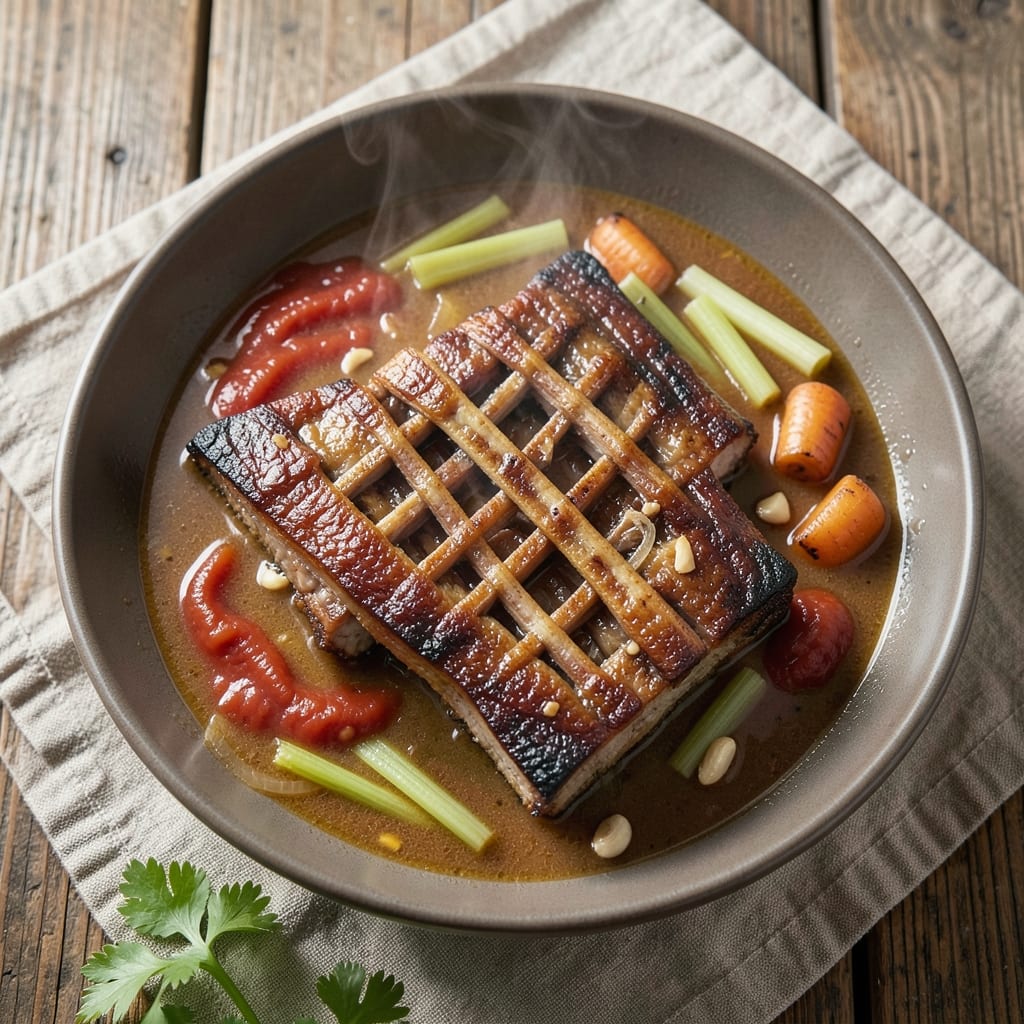
This beef back ribs stew recipe transforms tough cuts into melt-in-your-mouth tenderness through slow braising—the secret weapon for restaurant-quality flavor at home. The rich, spice-infused broth clings to every rib, while aromatic vegetables and herbs build depth that keeps the dish exciting after hours of simmering. What makes this recipe stand out is the two-stage cooking process: searing the ribs first for deep flavor, then braising them low and slow until they practically fall apart.
Professional chefs rely on this technique to tenderize collagen-rich cuts, and you can achieve the same results with just a few key steps. The slow cooking breaks down connective tissue, transforming what might be an expensive cut into something so tender it disappears at the first bite. What you’ll end up with is a deeply flavorful stew that smells like a homey dinner party the moment you walk in the door—warm, inviting, and impossible to resist.
Perfect for feeding a crowd or meal prepping for the week, this stew pairs beautifully with crusty bread to soak up every last drop of that rich, caramelized broth. The balance of spices—just enough heat to wake up the flavors without overpowering—makes it versatile enough for weeknight dinners or special occasions. Whether you’re a seasoned cook or just starting out, this method delivers foolproof results every time.
Once you master this technique, you’ll never buy pre-made stews again. The satisfaction of pulling apart perfectly tender ribs with a fork, surrounded by aromatics that have melded into a symphony of flavors, is worth every minute of the slow cook. Let’s get started on creating a dish that feels like a hug in a bowl.
Ingredients for beef back ribs stew
Sixteen ingredients transform tough ribs into restaurant-quality melt-in-your-mouth tenderness through slow braising.
| Ingredient | Amount | Notes |
|---|---|---|
| Beef Back Ribs 🥩 | 4 lb | Bone-in, meaty cuts preferred |
| Yellow Onion 🧅 | 2 whole | Medium size, chopped |
| Carrots 🥕 | 4 medium | Whole, peeled, cut into chunks |
| Celery Stalks 🧅 | 4 whole | Cut into 1-inch pieces |
| Garlic Cloves 🧄 | 8 cloves | Minced, for depth of flavor |
| Tomato Paste 🍅 | ½ cup | High-quality, no sugar added |
| Red Wine 🍷 | 1 cup | Bold, dry variety like Cabernet |
| Beef Broth 💧 | 4 cups | Homemade or high-quality store-bought |
| Bay Leaves 🌿 | 2 whole | Fresh preferred, dried works |
| Fresh Thyme 🌿 | ¼ cup | Leaves only, chopped |
| Black Peppercorns 🌶️ | 1 tbsp | Freshly cracked for intensity |
| Salt 🧂 | 1 ½ tbsp | Diamond Crystal preferred |
| Olive Oil 🫒 | ¼ cup | Extra-virgin for searing |
| All-Purpose Flour 🌾 | ½ cup | For dusting ribs |
| Crusty Bread 🍞 | 1 loaf | For serving, optional |
The ribs are the star—look for meaty, bone-in cuts with good marbling at Costco or your butcher shop. Whole back ribs (about 4 lbs) work best, but don't stress if you find pre-cut sections. Pat them dry before searing to get that perfect crust. For the aromatics, fresh thyme and bay leaves elevate the dish, but dried spices work in a pinch. The tomato paste should be San Marzano if you can find it—it's sweeter and more flavorful than regular brands. If you're using a slow cooker, skip the initial sear and just brown the ribs in the pot instead.
No red wine? Beef broth with a splash of balsamic vinegar gets you close. Fresh thyme unavailable? Dried thyme at one-third the amount works fine. The olive oil matters here—use extra-virgin for searing, not the cheap stuff. For the flour, any all-purpose brand is fine, but King Arthur or Bob's Red Mill are reliable choices. The crusty bread is optional but recommended—sourdough or baguette soak up the broth beautifully. If you're short on time, skip the crusty bread and serve with mashed potatoes or rice instead.
This stew tastes even better the next day—plan ahead and make it a day before serving. Store in an airtight container in the fridge for up to 5 days. For freezing, portion into meal-sized containers and it keeps for 3 months. The ribs will stay tender when reheated, though the broth may need a splash of water or broth to loosen it up. Double the recipe if you're feeding a crowd—it reheats beautifully and makes great leftovers for lunches.
Why You'll Love This Recipe
- One-Pot Magic: I swear by this—just toss ribs, onion, carrots, and celery into a pot with broth, let it simmer, and walk away. No fancy prep, no stress. The ribs practically fall off the bone when they’re done.
- Garlic Bomb Flavor: That slow-cooked garlic? It’s the star here. The ribs soak up the deep, savory punch while the veggies caramelize into sweet perfection. Honestly, I’ve had people ask for the recipe just from one bite.
- Leftovers That Win: This stew tastes better the next day. I make a double batch on Sundays—freeze half for lazy nights, and the rest becomes my easy lunch. (Yes, even on a Tuesday night.)
- Budget-Friendly Feast: Back ribs are cheaper than you think, and this recipe stretches them into a meal that feeds four for under $20. Plus, the veggies (onion, carrots, celery) are pantry staples—no wasted ingredients here.
Step-by-step instructions for slow-braised beef back ribs stew
Transform tough ribs into melt-in-your-mouth tender meat with this method's slow braising technique.
Prepare and Sear the Ribs
Pat the 4 lb beef back ribs completely dry with paper towels—this ensures a good crust forms during searing. In a large Dutch oven, heat the 0.25 cup olive oil over medium-high heat until shimmering. Working in batches if needed, add the ribs meat-side down and sear for 4-5 minutes until deeply browned. Flip and sear the other side for another 4-5 minutes. Transfer the ribs to a plate and set aside.
While the ribs are searing, make a quick flour slurry by whisking together the 0.5 cup all-purpose flour and 1.5 tablespoons salt in a small bowl. This will help thicken the stew later and add depth of flavor. After searing, you'll notice the ribs have developed a rich, caramelized crust—this is your foundation for incredible flavor.
Build the Flavor Base
In the same Dutch oven, add the chopped 2 whole yellow onions, cut 4 medium carrots, and 4 whole celery stalks. Cook over medium heat for 8-10 minutes until the vegetables begin to soften and release their natural juices. Add the minced 8 cloves garlic and cook for another 30 seconds until fragrant.
Stir in the 0.5 cup tomato paste and cook for 2 minutes, allowing it to darken slightly. This step develops a deep, complex flavor that will infuse the entire stew. The vegetables should be tender but still hold their shape—this ensures they'll be fork-tender by the end of cooking.
Deglaze and Simmer
Pour in the 1 cup red wine and scrape up any browned bits from the bottom of the pot with a wooden spoon. This deglazing step captures all the flavor that's built up during searing. Let the wine simmer for 3-4 minutes until reduced by half. Add the 4 cups beef broth, 2 whole bay leaves, 0.25 cup chopped fresh thyme, and freshly cracked 1 tablespoon black peppercorns.
Return the seared ribs to the pot, meat-side up. Bring the liquid to a gentle simmer, then reduce heat to low. Cover and let it cook for 2 hours, stirring occasionally. The ribs are done when they're fork-tender and easily pull apart. The stew should have a rich, velvety consistency with deep red color.
Finish and Serve
Remove the ribs from the stew and transfer them to a serving platter. Skim any excess fat from the surface of the stew, then return the ribs to the pot. Increase heat to medium and simmer uncovered for 10-15 minutes to allow the sauce to thicken slightly. Taste and adjust seasoning with additional salt if needed.
Ladle the stew over slices of the 1 loaf crusty bread for serving. Each bite should deliver tender, flavorful rib meat with a rich sauce that coats every strand of bread. The aroma of thyme and bay leaves should be prominent, with a perfect balance of wine and tomato notes. This is comfort food at its finest—heartwarming and deeply satisfying.
Pro Tips For Making Beef Back Ribs Stew
- Sear the Ribs First: I learned this the hard way—skipping the sear makes the stew taste like it was simmered in water. Pat the ribs dry, then hit them with high heat in a pot for 3-4 minutes per side until they’re deep brown. That crust locks in flavor when you add the liquid.
- Cut Celery and Onions Uniformly: Big chunks of celery and onion turn to mush while ribs stay tough. Dice them into ¼-inch pieces—they’ll soften faster and sweeten the stew without turning it into a vegetable soup. (Yes, even if you’re impatient like me.)
- Don’t Overcrowd the Pot: I used to dump everything in at once, and the ribs ended up swimming in pale, thin broth. Brown them in batches if needed, then build the stew layer by layer—veggies first, then ribs, then liquid. This keeps the heat steady and the flavors rich.
- Use a Splash of Vinegar Early: Sounds weird, but it works: Add 1 tablespoon of apple cider vinegar when you start the stew. It cuts through the richness of the beef fat, brightens the carrots, and gives the broth a depth that just salt and pepper can’t match. (Your future self will thank you.)
Make-ahead tips for beef back ribs stew
Prep Ahead for Crowds
Double the recipe and store components separately for easy assembly later. Sear the ribs and chop all vegetables the day before—store them in airtight containers in the fridge. Keep the flour slurry, tomato paste, and spices in a separate jar. When ready to cook, simply combine everything in the Dutch oven and proceed with the braising process. This saves 2 hours of prep time on busy days. 💡
Freezer-Friendly Strategy
Freeze the fully cooked stew in quart-sized freezer bags for up to 3 months. Portion it into individual servings to reheat just what you need. To serve, thaw overnight in the fridge, then reheat on the stovetop over medium-low heat for 10-15 minutes, stirring occasionally. The ribs stay tender, and the broth thickens beautifully when reheated. Perfect for lazy weeknights! ❄️
Slow Cooker Shortcut
Skip the stovetop searing and use a 6-quart slow cooker for hands-off cooking. Brown the ribs in the slow cooker itself (if it has a stovetop base), then add all ingredients and cook on low for 8 hours or high for 5 hours. The slow cooker maintains consistent heat, ensuring tender ribs without monitoring. Just stir occasionally and adjust seasoning at the end. 🔥
Broth Boost for Leftovers
Save the leftover broth by straining it through a fine-mesh sieve after removing the ribs. Store it in the fridge for up to 5 days or freeze it in ice cube trays for later use. This rich, flavorful broth is perfect for soups, braises, or even a quick beef broth risotto. Every drop of flavor is worth preserving! 💫
Make-Ahead Serving Prep
Prep your serving dishes the night before. Arrange crusty bread slices on a baking sheet and toast them lightly—store in a paper bag at room temperature. Warm the bread for 5 minutes in a 350°F oven before serving. This keeps everything fresh and ready for quick assembly. The bread soaks up the stew beautifully when served warm. 🍞
Flavor-Enhancing Trick
Add 1 teaspoon of Worcestershire sauce or 1 bay leaf while the stew simmers for extra depth. These ingredients blend seamlessly into the broth, adding complexity without overpowering the ribs. If you're prepping ahead, add the Worcestershire sauce during the final 15 minutes of reheating to preserve its bright flavor. A little goes a long way! 🌟
Nutrition facts
Frequently asked questions
Can I use pork back ribs instead of beef?
While beef back ribs are ideal for this rich stew, pork back ribs will work with a few adjustments. Use 3 pounds instead of 4 pounds since pork cooks faster, and reduce the simmering time to 1.5 hours instead of 2 hours. The pork will stay tender but may break down more quickly, so monitor closely. Flavor-wise, pork ribs add a slightly sweeter taste, but the technique remains the same.
How do I know when the ribs are fully tender?
Fork-tender ribs are your goal! Insert a fork into the thickest part of the meat—it should slide in easily with minimal resistance. The ribs should also pull apart cleanly with two forks. If they're still slightly chewy after 2 hours, add ½ cup water or broth and simmer uncovered for another 15-20 minutes. Overcooking can turn them mushy, so aim for that perfect "just tender" moment.
Can I make this stew in an Instant Pot?
Use the Sauté function to sear the ribs first, then switch to Pressure Cook mode for 45 minutes on high pressure. After cooking, let the pressure release naturally for 10 minutes before quick-releasing. The Instant Pot speeds up the process while keeping the ribs tender. Just add the flour slurry and wine at the end to thicken the sauce, as the Instant Pot's pressure can make the broth too thin.
What if my stew turns out too thin?
No worries—this happens when the broth doesn't reduce enough. Mix 1 tablespoon cornstarch with 2 tablespoons cold water to make a slurry, then stir it into the stew. Simmer for 5-10 minutes until thickened to your liking. For extra richness, add a splash of heavy cream or a pat of butter at the end. The flour slurry you made earlier can also help if you have some left over.
Can I add potatoes to this stew?
Yes, but add them later to avoid overcooking. Peel and cube 2 medium potatoes (about 1 cup) and add them during the final 30 minutes of simmering. Potatoes cook faster than ribs, so this ensures they're tender but not mushy. For extra flavor, season them with a pinch of salt and a sprinkle of thyme before adding to the pot.