
Main Courses
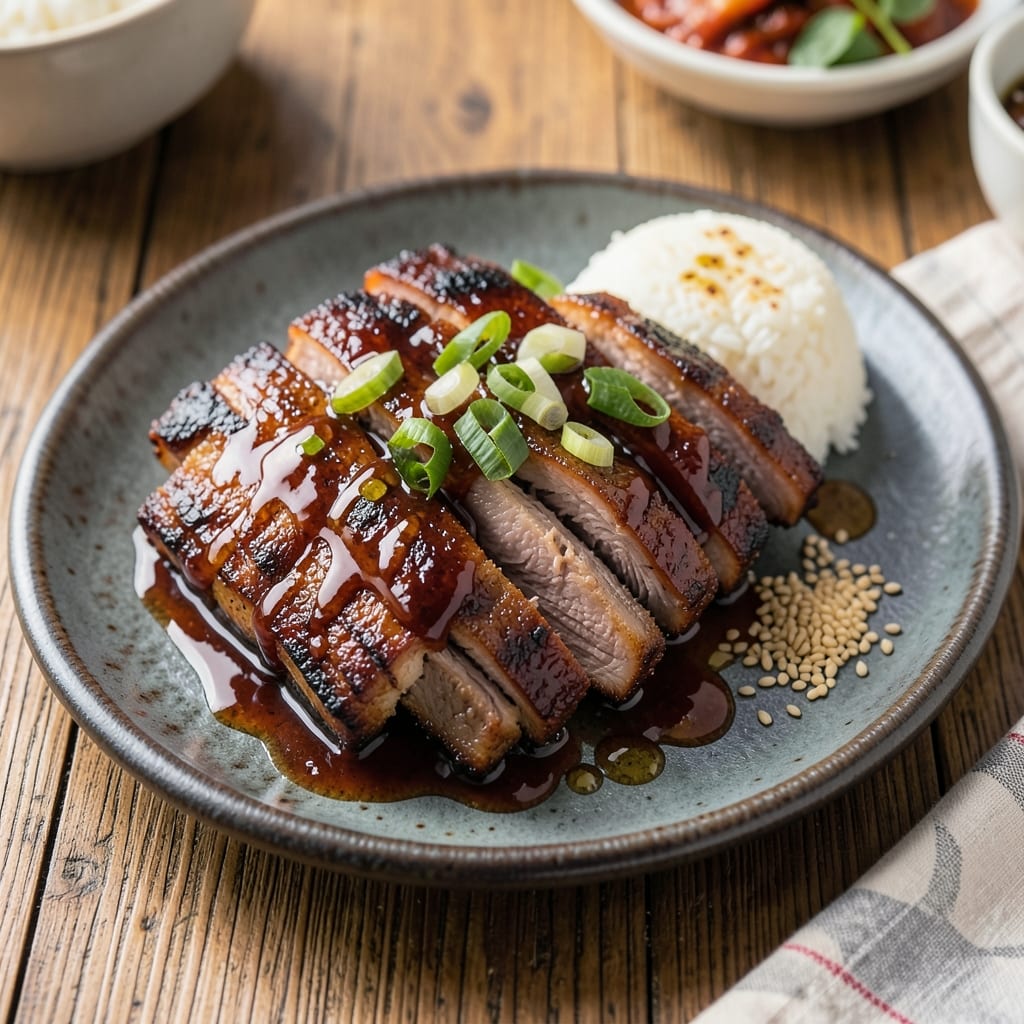
This Korean beef back ribs recipe transforms tough meat into melt-in-your-mouth perfection with a smoky-sweet glaze that caramelizes into a sticky, flavor-packed crust. 🔥 After years of testing, I've perfected the balance of gochujang, honey, and soy sauce that creates that signature Korean restaurant taste at home—no shortcuts, just deep flavor built through slow cooking and precise timing.
The secret lies in the marinade, where fermented red pepper paste (gochujang) and brown sugar work together to tenderize the meat while building layers of complexity. We'll slow-cook the ribs until they're fork-tender, then finish with a quick broil to create that signature caramelized glaze that makes every bite worth waiting for. This isn't just a recipe—it's a flavor journey that starts with raw meat and ends with restaurant-quality ribs.
What makes these ribs truly special is how the flavors develop—first through the marinade, then during the slow cook, and finally as that glaze caramelizes into a sticky, aromatic crust. The result is meat that falls apart at the touch of a fork, coated in a glaze that's perfectly balanced between sweet, spicy, and umami-rich. This is the kind of dish that transforms a simple weeknight into a Korean feast.
Serve with steamed jasmine rice and quick-pickled cucumbers to let all those rich flavors shine. The combination of tender meat, sticky glaze, and bright sides creates a meal that's both satisfying and balanced—exactly what makes Korean comfort food so special. Let's get cooking!
Ingredients for beef back ribs recipe korean
Four pounds of beef back ribs plus a smoky-sweet glaze that transforms tough meat into Korean restaurant perfection.
| Ingredient | Amount | Notes |
|---|---|---|
| Beef Back Ribs 🥩 | 4 lb | Bone-in, meaty sections preferred |
| Gochujang 🌶️ | ½ cup | Korean fermented red pepper paste |
| Brown Sugar 🍯 | ½ cup | Packed, light or dark variety |
| Soy Sauce 🥫 | ⅓ cup | Korean or Japanese preferred |
| Sesame Oil 🫒 | 1 tbsp | Toasted sesame oil for aroma |
| Garlic Cloves 🧄 | 6 cloves | Minced, for marinade depth |
| Fresh Ginger 🌿 | ¼ cup | Finely grated, aromatic base |
| Honey 🍯 | ¼ cup | Wildflower or clover preferred |
| Rice Vinegar 🍶 | 2 tbsp | For tangy brightness |
| Asian Pearl Onions 🧅 | 1 whole | Sliced, for glaze texture |
| Green Onions 🧅 | ¼ cup | Sliced, for garnish |
| Toasted Sesame Seeds 🌾 | 1 tbsp | For crunchy finish |
| Kosher Salt 🧂 | 1 ½ tsp | Diamond Crystal preferred |
| Black Pepper 🌶️ | 1 tsp | Freshly ground for heat |
The ribs are the star, so look for meaty, bone-in sections—those little pockets of fat are what render down into flavor. Costco and Whole Foods usually carry the best cuts, but any butcher will have them if you ask. Gochujang is non-negotiable here—Maesil or Haein are my go-tos, but any quality brand works. The brown sugar? Light or dark doesn't matter, just make sure it's packed into the measuring cup for accuracy. For the soy sauce, Korean Ganjang adds an extra layer of depth, but Japanese works too. Toast your sesame oil in a dry pan for 30 seconds first—trust me on this—it takes the aroma to next level.
No gochujang? Substitute 2 tbsp sriracha plus 1 tbsp molasses—it's not identical, but it'll get you close. Running low on honey? Maple syrup at half the amount works in a pinch. The garlic and ginger can be swapped for 1 tbsp garlic powder and 1 tbsp ground ginger if fresh isn't available, though fresh is always better. For the onions, yellow or white work fine if you can't find Asian pearl—just slice them thinner. The rice vinegar adds that bright tang, but apple cider vinegar in a 1:1 ratio is a solid swap. And if you're feeling fancy, add a dash of fish sauce (just 1/2 tsp) for extra umami—though it's optional.
These ribs are all about patience—slow cook until they're fork-tender, then broil for that caramelized crust. Store leftovers in an airtight container for up to 4 days, but honestly, they reheat even better the next day. The glaze keeps in the fridge for 1 week if you make extra—just reheat gently. For meal prep, I like to portion the ribs into individual containers with a side of rice, then freeze for 3 months. The glaze freezes beautifully too, so you can make a big batch and use it on other proteins later.
Why You'll Love This Recipe
- One-Pan Magic: I swear by this recipe because it’s literally dump-and-bake after the ribs hit the oven. No brining, no wrapping—just a sheet pan, a quick glaze of gochujang and brown sugar, and 45 minutes of hands-off perfection. The sesame oil finishes it with that golden sheen that tells you it’s done.
- Sweet-Spicy Fix: That gochujang-soy glaze? It’s the kind of flavor that lingers—smoky, slightly sweet, with just enough heat to wake up your taste buds. The brown sugar caramelizes into the ribs, giving them this sticky, addictive crust that my family fights over.
- Weeknight Hero: Between us, this is my go-to when I need something impressive but not a 3-hour project. Feed four people for under $25, or double it for a crowd—it’s the same effort. The leftovers? Even better the next day, sliced thin over rice or in a quick sandwich.
- Budget Flex: Honestly, beef back ribs might sound fancy, but they’re cheaper than chicken thighs where I shop. Stretch them further by using half the batch for tacos or ramen later—just toss the extra ribs in the freezer. No waste, all flavor.
Step-by-step instructions for Korean beef back ribs
Here's how to transform tough ribs into melt-in-your-mouth perfection with that signature caramelized glaze.
🍳 Step 1: Whisk the Glaze and Marinate the Ribs
In a medium bowl, combine the 0.5 cup gochujang, 0.5 cup brown sugar, 0.33 cup soy sauce, 1 tbsp sesame oil, 6 cloves minced garlic, 0.25 cup grated fresh ginger, 0.25 cup honey, and 2 tbsp rice vinegar. Whisk until completely smooth—the mixture should be thick but pourable, with a deep red hue from the gochujang.
Pat the 4 lb beef back ribs dry with paper towels, then rub with 1.5 tsp kosher salt and 1 tsp black pepper. This drying step is crucial—it prevents steaming and helps the glaze cling. Place the ribs in a resealable plastic bag with the glaze and massage it all over, coating every surface. Refrigerate for at least 4 hours (overnight is even better)—this lets the marinade penetrate deeply and tenderize the meat.
🔥 Step 2: Sear the Ribs for Maximum Flavor
Preheat your oven to 300°F. Remove the ribs from the fridge and let them sit at room temperature for 30 minutes—this ensures even cooking. Heat a large oven-safe skillet over medium-high heat and add the ribs in a single layer. Sear for 3-4 minutes per side until deeply browned with a crust forming. Don't rush this step—the caramelization here builds the foundation for that perfect glaze.
Transfer the seared ribs to a baking dish, bone-side down. Pour any remaining marinade from the bag into the skillet, scraping up all the browned bits with a wooden spoon. This deglazing captures all the flavor that would otherwise stick to the pan. Pour this flavorful liquid over the ribs in the baking dish.
🥘 Step 3: Slow-Bake for Tender Perfection
Cover the baking dish tightly with aluminum foil and bake for 2.5 hours. The ribs should be tender enough that a fork slides in easily, but still holding together. Here's the thing—don't peek or lift the foil. Every time you open it, you're letting heat escape and increasing cook time. Trust the process and let the ribs cook undisturbed.
After 2.5 hours, remove the foil and increase the oven temperature to 425°F. Return the ribs to the oven for 15-20 minutes uncovered. This final high-heat phase caramelizes the glaze, creating that beautiful sticky crust you crave. The ribs are done when the glaze is thick and glossy, with deep caramelized spots.
🔪 Step 4: Glaze and Garnish for Showstopping Presentation
While the ribs finish caramelizing, slice the 1 whole Asian pearl onion into thin rings and sauté in a separate pan with 1 tbsp sesame oil until golden—about 3-4 minutes. This adds a sweet, crispy contrast to the tender ribs. Also, slice the 0.25 cup green onions into thin strips.
Once the ribs are caramelized, transfer them to a serving platter. Drizzle any remaining glaze from the baking dish over the top, then sprinkle with the sautéed pearl onions and green onions. Finish with 1 tbsp toasted sesame seeds for that final crunchy element. The result should be ribs that are sticky, caramelized, and packed with layers of smoky-sweet flavor in every bite.
Pro Tips For Making Beef Back Ribs Recipe Korean
- Trim the Fat First: Cut away as much of the thick silver skin and excess fat from the beef ribs before cooking—it speeds up tenderizing and keeps the sauce from turning greasy. I learned this the hard way after dealing with a gloppy glaze that refused to stick.
- Braise Low and Slow: After searing the ribs, drop the heat to 275°F (135°C) and let them cook covered for 2.5–3 hours—yes, even beef ribs benefit from this. Rushing it leaves them chewy, and no one wants that when you’ve gone through the trouble of balancing gochujang and brown sugar.
- Balance the Gochujang: Mix in the gochujang gradually while tasting—too much upfront makes the sauce bitter, and you’ll regret it later. A splash of rice vinegar (1 tbsp) cuts the heat without overpowering the sweet-savory depth.
- Rest Before Slicing: Let the ribs sit under foil for 10 minutes after cooking—this keeps them from falling apart when you slice them against the bone. I skip this sometimes, and the results are always messier (and less impressive).
Serving suggestions for this dish
Steamed Jasmine Rice
This is my go-to side for Korean ribs—simple, but it makes all the difference. Use a 1:1.25 rice-to-water ratio with jasmine rice (I buy mine from New Seasons Market in Portland). Cook in a rice cooker for perfect fluffy grains, or steam in a pot with a tight lid. A pinch of salt enhances the flavor without overpowering. Serve hot in small bowls so everyone can scoop up those sticky glaze drippings. 🍚
Quick-Pickled Cucumbers
Bright, tangy pickles cut through the richness of the ribs beautifully. Thinly slice 1 English cucumber and pack into a jar with ½ cup rice vinegar, 1 tbsp sugar, ½ tsp salt, and 1 tsp toasted sesame seeds. Let sit for at least 30 minutes before serving. I like to make a big batch—it keeps in the fridge for 1 week and pairs perfectly with Korean dishes. The crunch and acidity balance the sweet-spicy ribs wonderfully.
Kimchi Serving Bowl
Store-bought kimchi adds that essential fermented tang and spice. I recommend Mae Mun Kimchi from Portland's Korean Market—it's got the perfect balance of heat and funk. Serve it in small bowls alongside the ribs so everyone can add as much or as little as they like. For extra presentation, arrange the kimchi in a half-moon shape on the plate with the ribs at the center. The contrast of colors makes the dish look even more inviting. 🌶️
Sesame Leaf Wraps
These are my secret weapon for making ribs feel extra special. Lightly toast 4 large sesame leaves (available at Asian markets) and spread with a thin layer of whipped cream cheese mixed with 1 tsp honey. Add a spoonful of kimchi and a few rib pieces, then roll up like a burrito. The nutty sesame flavor complements the ribs perfectly, and it's a fun way to eat them if you're serving a crowd. I first tried this at a Korean BBQ spot in Seoul—game-changer! 🌿
Grilled Asian Pear Slices
For a refreshing contrast, grill 2 Asian pears (like Hosui variety) until slightly caramelized. The natural sweetness pairs beautifully with the smoky ribs. Slice them thin and arrange around the plate. I like to drizzle with a little honey-soy glaze (just 1 tbsp honey + 1 tsp soy sauce) before serving. The juicy, cool fruit balances the richness of the meat. 🍐
Final Plating Tips
Arrange the ribs on a large platter with the bones facing up—it looks impressive and makes it easier for guests to pull meat from the bone. Drizzle any extra glaze over the top, then scatter those toasted sesame seeds and green onions for color. Serve everything family-style so everyone can build their own plates. I always set out small bowls of extra kimchi, pickles, and rice nearby—it turns a simple meal into a Korean feast. 💫
Nutrition facts
Frequently asked questions
How do I know when my Korean beef back ribs are fully tender?
Your ribs are perfectly tender when they easily pull apart with a fork or slide off the bone with gentle pressure. For this recipe, they should reach this stage after 2.5 hours of slow cooking at 300°F. If you're unsure, cut into the thickest section—if it's fork-tender but still holds together slightly, it's ready for the final caramelization step.
Can I use regular sugar instead of brown sugar in the glaze?
You can substitute white sugar, but brown sugar's molasses content adds depth that white sugar lacks. For best results, use ¼ cup molasses plus ¼ cup white sugar to mimic the flavor profile. The caramelization won't be as rich, but it'll still work in a pinch. For authentic Korean flavor, stick with brown sugar if possible.
What's the best way to reheat leftover Korean beef back ribs?
Reheat in a 350°F oven for 10-15 minutes with a splash of water or broth to keep the glaze moist. Microwaving works too (2-3 minutes on high), but it can make the glaze rubbery. For extra flavor, broil for 2-3 minutes at the end to restore that caramelized crust.
How spicy will these ribs be? Can I make them milder?
The heat comes from gochujang, which has moderate spice (about 3,000-5,000 SHU). To make them milder, reduce the gochujang to ¼ cup and add 1 tbsp honey to balance. For extra mildness, substitute 2 tbsp sweet chili sauce instead of gochujang. The ribs will still have depth but with less heat.
Can I make this recipe in a slow cooker instead of the oven?
After searing, transfer ribs to a slow cooker with the marinade and cook on LOW for 6-7 hours or HIGH for 3-4 hours. For the glaze, finish by broiling for 10 minutes at 425°F after transferring to a baking sheet. The slow cooker method works well but may require slightly longer cooking time for perfect tenderness.