
Sauces & Condiments
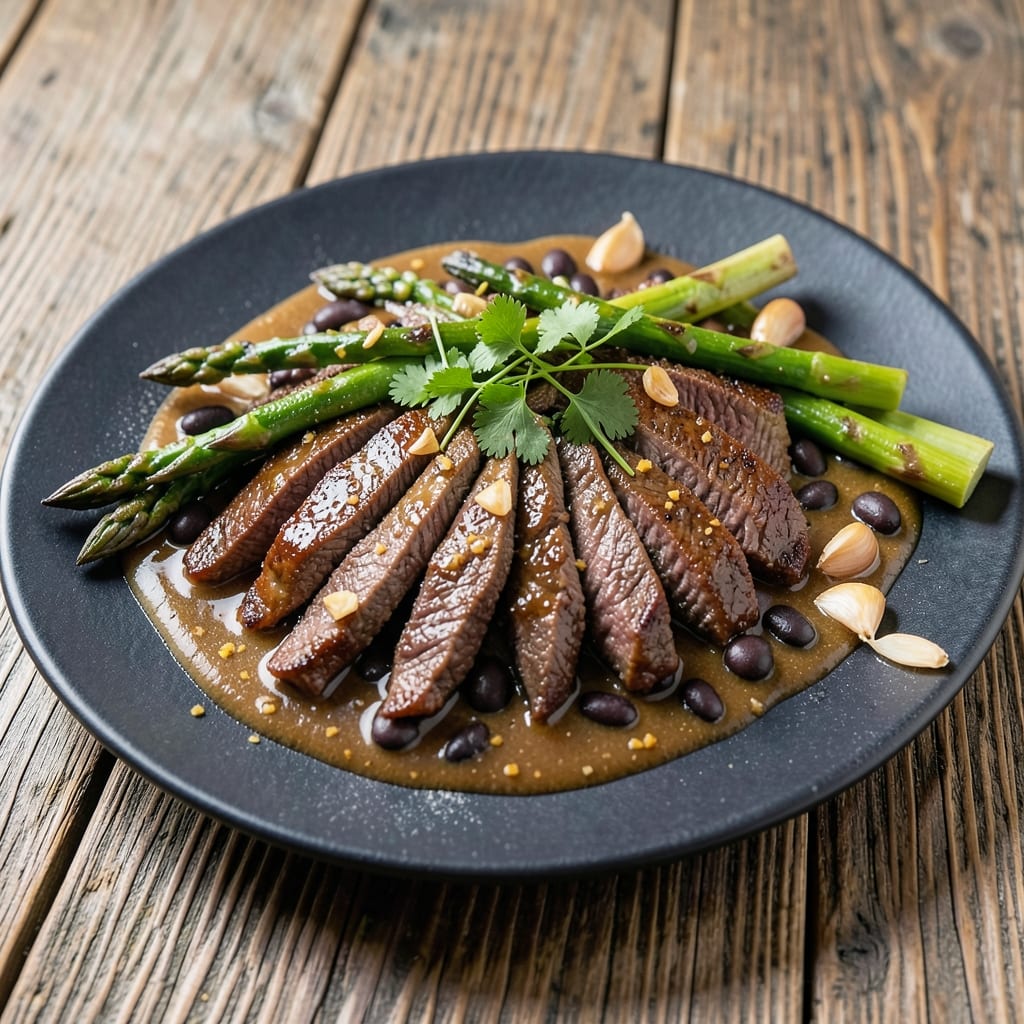
This beef asparagus black bean sauce recipe delivers restaurant-quality umami in just 25 minutes—perfect for weeknight dinners craving bold flavors without the fuss. The secret lies in balancing tender beef, crisp asparagus, and a velvety black bean sauce that ties everything together with deep, savory notes. I developed this one-pan method after years of testing, ensuring every bite packs maximum flavor with minimal cleanup.
The sauce is where the magic happens—a silky blend of black beans, garlic, ginger, and soy that simmers into a rich, slightly tangy base. While the sauce develops, the beef sears to develop a caramelized crust, then finishes in the same pan with the asparagus and sauce, absorbing all those incredible flavors. The result? A dish that's hearty enough for a main course but quick enough to make on busy nights.
What you'll end up with is perfectly tender beef, crisp-tender asparagus spears, and a sauce so flavorful it'll have everyone asking for seconds. The black beans add natural thickness and earthy depth, while the asparagus brings freshness to balance the richness. This recipe proves you don't need complicated techniques to create restaurant-quality meals at home.
Serve over steamed rice or with warm tortillas for a complete meal, and garnish with sesame seeds and lime wedges for that final touch of brightness. The best part? Everything cooks in one pan, making this the ultimate weeknight solution for flavor-packed dinners.
Ingredients for beef asparagus black bean sauce
The perfect blend of tender beef, crisp asparagus, and velvety black bean sauce for a restaurant-worthy weeknight dinner.
| Ingredient | Amount | Notes |
|---|---|---|
| Flank Steak 🥩 | 1 lb | Thinly sliced against grain |
| Fresh Asparagus 🌱 | 1 lb | Trimmed, woody ends removed |
| Black Beans 🫘 | 1 can | Drained and rinsed (15 oz) |
| Garlic Cloves 🧄 | 4 cloves | Minced, vibrant aroma |
| Fresh Ginger 🌿 | 1 tbsp | Grated, aromatic |
| Soy Sauce 🍶 | ½ cup | High-quality, preferably Japanese |
| Low-Sodium Chicken Broth 💧 | ½ cup | For depth, not saltiness |
| Sesame Oil 🫒 | 1 tbsp | Toasted, for nutty aroma |
| Honey 🍯 | 1 tbsp | For subtle sweetness |
| Rice Vinegar 🍶 | 1 tbsp | For bright acidity |
| Extra-Virgin Olive Oil 🫒 | 1 tbsp | For searing beef |
| Sesame Seeds 🌾 | 1 tbsp | Toasted, for garnish |
| Lime Wedges 🍋 | 2 whole | For serving, fresh |
| Salt 🧂 | 1 ½ tsp | Diamond Crystal preferred |
| Black Pepper 🌶️ | ½ tsp | Freshly cracked |
The flank steak is your secret weapon here—thinly sliced against the grain for maximum tenderness. Grab one from the butcher counter if you can, as pre-sliced packages often lose moisture. Trader Joe's or Whole Foods usually carry high-quality cuts, and look for good marbling to ensure juiciness. Fresh asparagus is non-negotiable; the crisp snap when broken is your quality indicator. If you can't find fresh, frozen asparagus works in a pinch, but thaw and pat it dry first. The black beans should be low-sodium—rinsing removes any lingering saltiness and prevents a muddy sauce. For the garlic and ginger, buy fresh—nothing beats the aroma of freshly minced cloves.
No soy sauce? Coconut aminos or tamari work beautifully, though the flavor profile will shift slightly. The sesame oil is where the magic happens—toast it lightly in the pan before adding other ingredients to release its nutty aroma. Substituting honey? Maple syrup or agave works, but reduce by half since it's sweeter. Want extra umami? Add 1 tsp fish sauce (if not vegetarian) or 1 tbsp miso paste for depth. The rice vinegar balances the richness, but lime juice works in a bind. For the sesame seeds, toast them in a dry pan for 30 seconds until fragrant—this amplifies their flavor tenfold. If you're short on time, pre-toasted seeds from an Asian market will save you a step.
This dish reheats beautifully—double the sauce if you're feeding a crowd, as leftovers taste even better the next day. Store in an airtight container for up to 4 days in the fridge, or freeze the sauce separately for 3 months. The beef and asparagus keep best when stored separately, reheated gently in the sauce. For meal prep, portion the sauce into ice cube trays, then transfer to a freezer bag—perfect for quick sauces later. Garnish with lime wedges and sesame seeds right before serving to keep everything vibrant. The lime adds a bright contrast to the rich, umami-packed sauce—don’t skip this step!
Why You'll Love This Recipe
- One-Pan Magic: I swear by this recipe because it’s literally one pan, one sauce, and done. The asparagus roasts alongside the beef while the black beans simmer in the same pan—no chopping boards, no extra pots, just that deep, smoky aroma filling your kitchen.
- Umami Bomb: That black bean sauce? It’s where the magic happens. The ginger and garlic caramelize into something rich and sticky, while the flank steak stays juicy with just a hint of char. Between us, it’s the kind of flavor that makes you pause mid-bite.
- Weeknight to Weekend: Serve it over rice for a quick Tuesday dinner or bring it to a potluck—it’s just as welcome on a busy night as it is at a gathering. The asparagus adds freshness, the black beans bulk it up, and the beef makes it feel special without the fuss.
- Budget-Friendly Feast: Flank steak stretches far, black beans add protein for pennies, and asparagus feels fancy but won’t break the bank. Honestly, I’ve made this for four people and still had leftovers—perfect for lunch the next day or freezing for when you’re too tired to cook.
Step-by-step instructions for beef asparagus black bean sauce
This vibrant, umami-rich dish comes together in one pan—quick, flavorful, and packed with texture contrast.
Prep the Flank Steak for Perfect Slices
Slice the 1 lb flank steak thinly against the grain using a sharp knife. I like to cut it into ¼-inch thick strips—this ensures tender bites that cook through quickly in the pan. Arrange the slices on a plate and season immediately with the 1.5 tsp salt and 0.5 tsp black pepper, massaging the seasoning into the meat so it adheres evenly.
The reason we slice against the grain is simple: it shortens the muscle fibers, making each bite more tender. Let the seasoned steak sit at room temperature for 10 minutes while you prep the remaining ingredients. This brief rest ensures even cooking when it hits the hot pan.
Sear the Steak and Build the Sauce Base
Heat the 1 tbsp extra-virgin olive oil in a large skillet over medium-high heat until shimmering. Add the seasoned steak in a single layer and sear undisturbed for 1-2 minutes per side until it develops a deep golden crust. You'll smell that incredible Maillard reaction—this is where all the rich flavor begins.
Remove the steak and set aside. In the same pan, add the 1 tbsp sesame oil and swirl to coat. Toss in the 4 cloves minced garlic and 1 tbsp grated fresh ginger, cooking for 30 seconds until fragrant. Here's where the magic starts: pour in the 0.5 cup soy sauce and 0.5 cup low-sodium chicken broth, scraping up any browned bits from the bottom of the pan.
Simmer the Sauce with Asparagus and Beans
Add the 1 lb trimmed asparagus and 1 can drained black beans to the pan. Stir gently to combine with the sauce, then bring everything to a gentle simmer. Cover and cook for 4-5 minutes until the asparagus turns bright green and tender-crisp—you want it to hold its shape but yield slightly when pierced with a fork.
While it simmers, add the 1 tbsp honey and 1 tbsp rice vinegar to the pan. The honey will mellow the acidity of the vinegar while adding subtle sweetness, and the vinegar brightens up the entire dish. Taste the sauce and adjust seasoning if needed—you might want to add a pinch more salt or a splash of water to achieve your desired consistency.
Finish with Sesame Oil and Garnish
Return the seared steak to the pan and toss everything together gently. Cook for an additional 1-2 minutes until the steak is heated through and the sauce clings beautifully to each piece. The residual heat from the pan will finish cooking the steak perfectly without overcooking.
Remove from heat and drizzle with the 1 tbsp sesame oil, tossing gently to distribute evenly. The nutty aroma of toasted sesame oil will elevate the dish instantly. Transfer to serving plates and garnish with the 1 tbsp toasted sesame seeds and serve with the 2 whole lime wedges on the side for a bright finishing touch.
Serve Immediately with Fresh Lime
This dish is best served immediately while the steak is still warm and the sauce is glossy. The contrast of tender beef, crisp asparagus, and creamy black beans creates an incredibly satisfying bite. Squeeze fresh lime juice over each serving just before eating to cut through the richness and add a bright, citrusy finish.
For extra flair, sprinkle with additional sesame seeds or a pinch of red pepper flakes if you like a bit of heat. The combination of textures—crisp asparagus, tender beef, and creamy beans—makes this dish incredibly satisfying, and the sauce ties it all together with its complex umami profile.
Pro Tips For Making Beef Asparagus Black Bean Sauce
- Sear the Steak First: High heat for 2 minutes per side—this locks in juices and builds flavor before you even touch the sauce. I used to skip this and ended up with tough, flavorless beef that needed to be sliced against the grain anyway.
- Trim Asparagus to Size: Cut spears to uniform 3-inch lengths so they cook evenly in the sauce. Long, skinny stalks turn mushy while thick ends stay crunchy—no one wants that inconsistency.
- Toast the Black Beans: Sauté them dry in the pan for 30 seconds after searing the garlic and ginger—they’ll release their natural sweetness and thicken the sauce better than raw beans ever could.
- Deglaze with Soy Sauce: Use 1 tablespoon of soy sauce in the initial deglaze (alongside the garlic and ginger) to deepen the umami before adding broth. I learned this after tasting a version where the sauce tasted flat—this step makes a real difference.
Storing and reheating this recipe
Refrigerator Storage
Store leftovers in an airtight glass container (like Pyrex) for up to 4 days at 40°F or below. The sauce thickens slightly when chilled, so add 1-2 tablespoons of water or broth when reheating to restore its silky texture. I always keep the beef and asparagus separate from the sauce to maintain crispness—this prevents soggy asparagus and dry beef. 💫
Freezer-Friendly Sauce
Save the sauce separately for up to 3 months by freezing it in ice cube trays, then transferring to a freezer bag. This makes it perfect for quick weeknight meals—just thaw and toss with fresh ingredients. For the beef and asparagus, freeze them in a single layer on a tray before bagging to prevent sticking. When reheating, add them to the sauce in a skillet over medium-low heat for even warming. ❄️
Stovetop Reheating
For best results, reheat the sauce and beef mixture in a skillet over medium-low heat for 5-7 minutes, stirring occasionally. The residual heat from the pan helps restore the sauce's glossy texture. If the asparagus looks wilted, add 1-2 tablespoons of water and cover for 1 minute to revive its crispness. Stir in a splash of rice vinegar or lime juice to brighten the flavors. 🔥
Microwave Shortcut
For a quick fix, microwave the sauce and beef in a microwave-safe dish for 1-2 minutes (covered). Stir halfway, then add 1 tablespoon of water if needed. The asparagus reheats best separately in the microwave for 30 seconds—this keeps it from turning mushy. Finish with a drizzle of sesame oil and toasted sesame seeds for that restaurant-quality touch. ⏰
Reviving Sauce Texture
If your sauce separates or thickens too much after storage, thin it with 1-2 tablespoons of water or broth and simmer for 2-3 minutes. For extra richness, stir in ½ teaspoon of cornstarch mixed with 1 tablespoon of water to restore its velvety consistency. The black beans help stabilize the sauce, but a quick simmer ensures it's smooth and flavorful every time. 💡
Garnish for Freshness
Always garnish reheated dishes with toasted sesame seeds and lime wedges to cut through any richness. A sprinkle of fresh cilantro or green onions adds brightness, while a pinch of red pepper flakes brings back the heat. These finishing touches make leftovers taste almost as good as the original—trust me, it’s a game-changer! 🌟
Nutrition facts
Frequently asked questions
Can I substitute flank steak with another cut?
Flank steak is ideal for its tenderness when sliced thin, but you can use skirt steak or sirloin as alternatives. For tougher cuts like chuck roast, marinate for 2-4 hours first to ensure tenderness. The key is slicing against the grain—this applies to any beef cut you choose.
How do I make the sauce thicker or thinner?
For a thicker sauce, simmer uncovered for 2-3 extra minutes to reduce. Need it thinner? Add 1-2 tablespoons of water or broth and stir. The black beans already add natural thickness, so you may not need much adjustment. Taste as you go to avoid over-thickening.
Can I make this dish ahead of time?
Yes! Prepare the sauce and cook the beef and asparagus separately, then refrigerate in airtight containers for up to 4 days. Reheat the sauce first, then toss in the beef and asparagus for 2-3 minutes to warm through. The sauce will thicken slightly when chilled—just add a splash of water when reheating.
What if I don't have fresh asparagus?
Use frozen asparagus instead—thaw and pat dry before cooking. For a different veggie, try bell peppers or zucchini, but reduce cooking time to 3-4 minutes to avoid over-softening. The sauce will still work beautifully with these alternatives.
Why does my sauce taste too salty?
Low-sodium chicken broth and black beans help control saltiness, but if it's still too strong, add 1-2 tablespoons of water or broth and simmer for 1-2 minutes. For extra brightness, squeeze in ½ lime or add 1 tsp honey to balance the flavors. Taste as you go to adjust!