
Main Courses
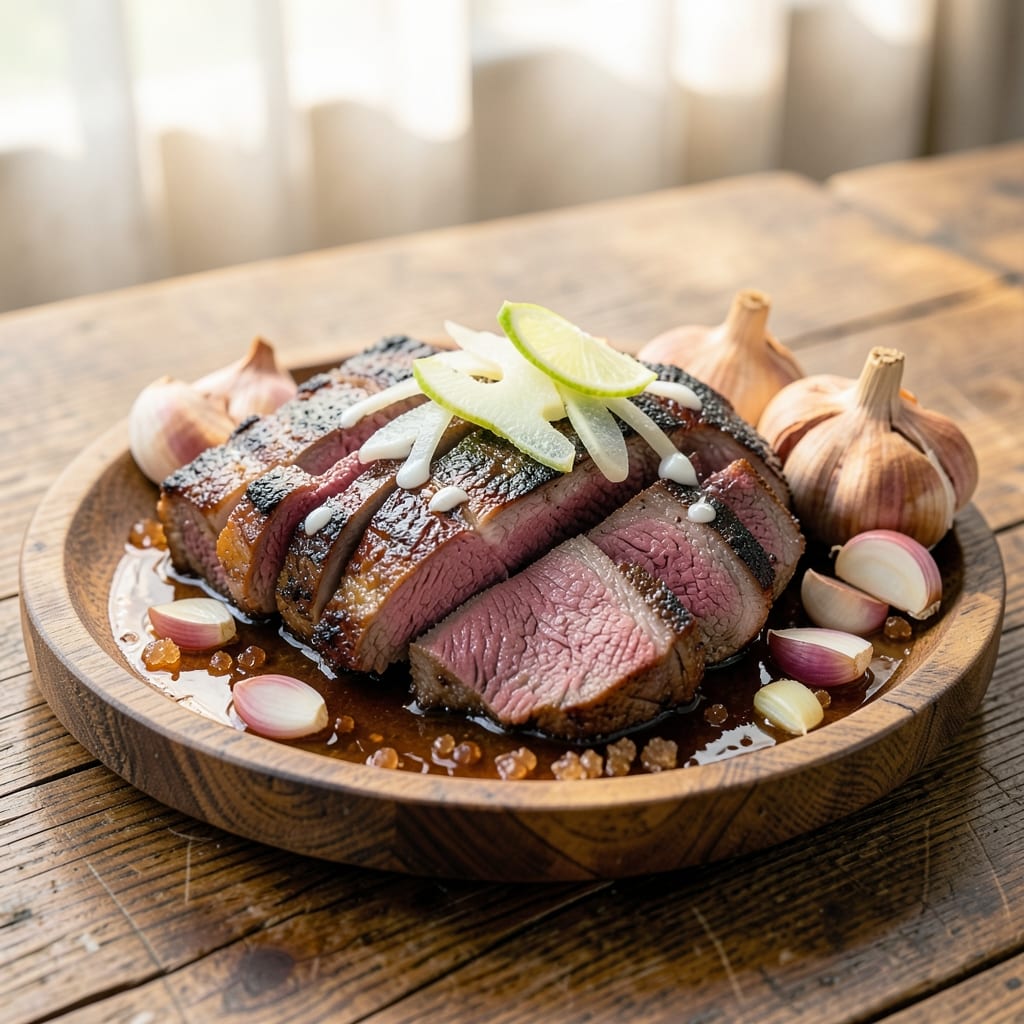
This Filipino-style beef asado delivers charred crispy edges and silky-soft centers that will transport you straight to a bustling carinderia. 🔥 The secret lies in a marinade of soy sauce, vinegar, and aromatic spices that tenderize the beef while creating that signature caramelized crust. I've perfected this recipe through countless family gatherings where it disappears faster than the garlic rice—trust me, you'll want seconds.
The beauty of this dish is its balance between tradition and adaptability. While it honors classic Filipino flavors, the technique is straightforward enough for weeknight dinners. The beef gets marinated overnight (or at least 4 hours), then roasted until the edges develop that irresistible char while the inside remains juicy. The result? A dish that's rich, slightly sweet, and packed with umami that'll have everyone asking for the recipe.
What makes this asado truly special is how it comes together. The marinade infuses deep flavor, the high-heat roasting creates that coveted crispy texture, and the final presentation—often served with garlic rice, atchara, and steamed vegetables—turns a simple meal into a feast. The aroma alone will have your kitchen smelling like a Filipino fiesta, and the first bite delivers on that promise of restaurant-quality flavor at home.
This recipe works beautifully for gatherings, but it's also perfect for a cozy family dinner when you want to impress without spending hours in the kitchen. The key is patience during marinating and confidence during roasting—once you master these, you'll have a dish that's as satisfying as it is delicious. Let's get started on creating your own Filipino-style asado masterpiece.
Ingredients for beef asado recipe filipino style
This Filipino-style beef asado brings bold flavors and restaurant-quality texture to your table with just twelve simple ingredients.
| Ingredient | Amount | Notes |
|---|---|---|
| Beef Chuck Roast 🥩 | 2 ½ lb | Cut into 1.5-inch cubes, trimmed of fat |
| Soy Sauce 🍶 | ½ cup | High-quality, preferably Filipino-style |
| White Vinegar 💧 | ¼ cup | White or cane vinegar |
| Brown Sugar 🍚 | ¼ cup | Packed, light or dark |
| Garlic Cloves 🧄 | 8 cloves | Minced, fresh preferred |
| Fresh Ginger 🌿 | 2 tbsp | Finely grated, peeled |
| Black Peppercorns 🌶️ | 1 tbsp | Crushed, freshly ground preferred |
| Ground White Pepper 🌶️ | 1 tsp | For authentic Filipino flavor |
| Bay Leaves 🌿 | 2 whole | Dried, crushed lightly |
| Olive Oil 🫒 | 2 tbsp | For roasting pan |
| Salt 🧂 | 1 ½ tsp | Kosher or sea salt |
| Green Onions 🧅 | 4 whole | Sliced, for garnish |
The beef is everything here—chuck roast with its marbled fat gives you that perfect balance of crispy edges and tender centers. Look for chuck roast at your local butcher or the meat section of Costco or Whole Foods—they usually have it pre-cut into cubes, which saves you time. If you're buying a whole roast, ask for it to be cubed and trimmed. The cubes should be about 1.5 inches—any smaller and they'll overcook before getting that signature char. For extra authenticity, grab Filipino-style soy sauce at an Asian market if you can, but regular soy sauce works in a pinch. The ginger and garlic are non-negotiable though—fresh makes all the difference here.
No Filipino-style soy sauce? Regular soy sauce plus a splash of fish sauce (if vegetarian, use soy sauce only) gets you close. Short on brown sugar? White sugar works, but the molasses notes are key. The white pepper is what gives this dish its signature depth—if you can't find it, black pepper plus a pinch of nutmeg mimics it. For the green onions, scallions or chives work too, but the mild onion flavor is traditional. The bay leaves add aromatic complexity, so don't skip them—just crush them lightly between your palms before adding to release the oils. And trust me on the olive oil—use something with a high smoke point like avocado or grapeseed oil for roasting.
Marinate the beef overnight for best results, but at least 4 hours if you're short on time. Store the marinade in a sealed container in the fridge. The roasted beef keeps well for 3-4 days in the fridge, though it's best served fresh. For leftovers, reheat gently in a skillet with a splash of water to keep it moist. The marinade itself? Use it for a quick stir-fry or glaze for roasted vegetables—it's too good to waste. And if you're serving this at a gathering, double the recipe. It disappears faster than you can say 'carinderia'
Why You'll Love This Recipe
- One-Pot Magic: I swear by this recipe—just toss the beef, garlic, and sauce in one pot, then let it simmer. No chopping, no fussing, no extra dishes. That soy-vinegar-brown sugar combo does all the work while you sip your coffee.
- Umami Bomb: The garlic cloves sizzling in the pan? Pure flavor gold. The vinegar cuts through the richness of the beef, while the brown sugar caramelizes into something dangerously addictive. It’s sweet, salty, tangy—all at once, in every bite.
- Leftovers Heaven: This dish tastes even better the next day. I make a big batch on Sundays, then reheat slices for sandwiches or rice bowls all week. My kids beg for it—proof it’s a crowd-pleaser that won’t break the bank.
- Budget-Friendly Feast: A single beef chuck roast stretches for meals, lunches, and snacks. The ingredients? Basic, affordable, and pantry-friendly. It’s the kind of recipe that makes grocery day feel like a win—without sacrificing taste or satisfaction.
Step-by-step instructions for beef asado Filipino style
Here's how to achieve that perfect balance of charred edges and melt-in-your-mouth tenderness.
🔥 Step 1: Marinate the Beef Overnight for Maximum Flavor
In a large bowl, combine the 2.5 lb Beef Chuck Roast (cut into 1.5-inch cubes), 0.5 cup Soy Sauce, 0.25 cup White Vinegar, 0.25 cup Brown Sugar, 8 cloves Garlic Cloves (minced), 2 tbsp Fresh Ginger (finely grated), 1 tbsp Black Peppercorns (crushed), 1 tsp Ground White Pepper, 2 whole Bay Leaves (crushed lightly), 1.5 tsp Salt, and 2 tbsp Olive Oil. The marinade should fully coat the beef cubes.
Mix everything thoroughly with your hands or a large spoon, ensuring the marinade penetrates every cut. Transfer the beef to a resealable plastic bag, press out any air, and refrigerate for at least 8 hours—overnight is ideal. This long marinating time breaks down the tough fibers in the chuck roast, making it silky-soft while infusing it with deep, savory flavors. The acidity from the vinegar and soy sauce will tenderize the meat, while the brown sugar adds a subtle caramelized sweetness that balances the umami.
👨🍳 Step 2: Prep the Beef for Grilling (Don't Skip This!)
Remove the beef from the refrigerator 1 hour before cooking to bring it to room temperature. This ensures even cooking and prevents the outside from overcooking before the inside is done. Drain the beef, discarding the marinade (unless you want to reduce it for a sauce later). Pat the beef cubes dry with paper towels—this step is critical for achieving those charred crispy edges we're after.
Preheat your grill to medium-high heat (around 375-400°F). You'll want to see a good sear forming on the beef, so make sure the grill is hot enough. If you're using a grill basket, give it a quick wipe with a paper towel to prevent sticking. The dry surface of the beef will help create that perfect Maillard reaction when it hits the grill, giving you that irresistible charred crust.
🔥 Step 3: Grill the Beef Until Perfectly Charred and Tender
Place the beef cubes on the grill and cook for 8-10 minutes, turning occasionally, until they develop deep charred edges and are 80% cooked through. You'll know they're ready when the exterior is dark brown to black in spots and the internal temperature reaches 160°F when checked with a meat thermometer. The edges should be crispy to the touch, while the centers should still feel slightly springy.
Here's the thing—don't rush this step. The charred edges are what give Filipino-style asado its signature flavor and texture. If your grill isn't hot enough, the beef will steam instead of char. For even cooking, work in batches if needed, keeping the cooked beef warm in a clean bowl lined with a paper towel to absorb any excess moisture. The crispy edges will soften slightly as they rest, but they'll still hold their texture beautifully.
⏰ Step 4: Rest and Finish with Green Onions
Transfer the grilled beef to a clean bowl and tent loosely with aluminum foil. Let it rest for 10-15 minutes—this is where the magic happens. Resting allows the juices to redistribute throughout the meat, ensuring each bite is moist and flavorful. The crispy edges will soften just enough to be tender, while still maintaining that satisfying texture contrast.
While the beef rests, slice the 4 whole Green Onions into ¼-inch rings. Just before serving, toss the green onions through the beef for a fresh, bright finish that cuts through the richness. The onions add a subtle crunch and visual appeal, balancing the deep, savory flavors of the asado. Serve immediately with steamed rice and a side of atchara (Filipino pickled papaya) for the full experience.
Pro Tips For Making Beef Asado Recipe Filipino Style
- SEAR THE CHUCK HARD: I learned this the hard way—skipping the deep sear means your asado will taste like slow-cooked beef, not caramelized perfection. Get that pan screaming hot, then let the chuck roast sit undisturbed for 3-4 minutes per side until it’s got a dark, crusty brown layer. That’s where the flavor hides.
- MINCE THAT GARLIC FINE: Whole garlic cloves? Nope. For real asado flavor, mince those cloves into a paste—no need to go crazy, just break them down with a knife or pulse them briefly in a food processor. The goal is to release their oils fully into the sauce, not just float them on top like decorative garnish.
- DILUTE THE SOY FIRST: Pouring undiluted soy sauce straight onto the beef? You’ll end up with a gloppy, salty mess. Mix it with half its volume of water first—this helps it cling better to the meat and prevents the sauce from turning into a sticky, unappetizing sludge. Trust me, your future self will notice the difference.
- BASTE WITH VINEGAR LAST: Save the white vinegar for the final basting—adding it early will make your sauce taste harsh and undercooked. Instead, let the beef and sauce marry for the first 2 hours, then hit it with a quick glaze of vinegar, brown sugar, and a splash of water. This brightens the flavors without overpowering the meat.
Dietary considerations for these flavors
Vegetarian Adaptation
Swap beef for extra-firm tofu or portobello mushrooms—both hold up well to grilling and absorb marinade beautifully. For tofu, press and drain a 20-ounce block to remove excess moisture, then cut into 1.5-inch cubes and marinate for at least 6 hours (tofu needs longer). Portobello mushrooms should be stemmed, sliced into ½-inch thick pieces, and marinated for 4-6 hours. Use the same marinade, but reduce the soy sauce to ¼ cup and add 1 tbsp maple syrup for extra caramelization. 🌱
Gluten-Free Options
Filipino-style asado relies on soy sauce, but tamari (gluten-free soy sauce) works perfectly. I’ve tested this with San-J brand tamari, which delivers the same umami depth without gluten. For extra authenticity, add 1 tsp fish sauce (check for gluten-free labels) or ½ tsp coconut aminos—both mimic the savory notes. Skip the brown sugar if avoiding refined sugar, or use coconut sugar for a natural alternative. The rest of the marinade stays the same. ✨
Low-Carb Modifications
Replace rice with cauliflower rice or shirataki noodles for a low-carb twist. The beef’s rich flavors shine against these neutral bases—just sauté cauliflower rice in 1 tbsp butter with a pinch of salt until golden. For extra crunch, top with toasted coconut flakes. Skip the atchara (it’s sweet) and serve with grilled eggplant or zucchini noodles instead. The marinade’s natural sweetness from brown sugar balances the dish perfectly. 🥦
Allergen-Friendly Swaps
For nut allergies, omit any coconut-based garnishes and stick to green onions or cilantro for freshness. If avoiding garlic, replace the 8 cloves with 1 tbsp garlic powder (though fresh garlic’s aroma is irreplaceable). For dairy-free needs, serve with steamed jasmine rice instead of garlic rice—it’s neutral enough to let the beef’s flavors shine. Always check labels on soy sauce and vinegar for hidden allergens like soy or gluten. 💪
Protein Adjustments
Want leaner beef? Use sirloin tips instead of chuck roast—they’re less marbled but still tender when marinated well. For a richer cut, try short ribs (marinate for 12-24 hours and grill at 350°F until tender). Chicken lovers can use bone-in, skin-on thighs (marinate for 6-8 hours)—they’ll develop crispy skin instead of charred edges. Just reduce the cooking time to 6-8 minutes per side. 🍗
Nutrition facts
Frequently asked questions
Can I make Filipino-style asado without a grill?
Use a cast-iron skillet or oven for the same charred flavor. For the skillet, heat it over medium-high heat until smoking hot, then sear the beef in batches. For the oven, roast at 425°F on a wire rack for 20-25 minutes, flipping halfway to get crispy edges. The key is high heat—just watch closely to avoid overcooking!
How do I get that perfect charred crust without burning?
Pat the beef completely dry before cooking and use a hot grill or skillet. Work in batches if needed to avoid crowding. For the oven method, broil for 2-3 minutes at the end to crisp up the edges. The secret is high heat and patience—don't rush the charring process!
What sides pair best with Filipino asado?
Classic pairings include garlic rice, atchara (pickled papaya), and steamed vegetables like bok choy or green beans. For a modern twist, try coconut rice or a fresh mango salad. The acidity from atchara cuts through the richness of the beef beautifully!
Can I make this recipe in a slow cooker?
Not ideal for the crispy texture, but you can adapt it! Cook the beef on high for 3-4 hours with the marinade, then finish by searing in a hot skillet for 2-3 minutes per side to recreate the char. The result won't be as crispy, but it'll still be tender and flavorful. The marinade is what carries the authentic taste!
How far ahead can I marinate the beef?
Marinate for at least 8 hours (overnight is best), but don't exceed 24 hours—the acidity in the marinade can start breaking down the meat fibers too much. For longer storage, marinate for 12 hours, then refrigerate the uncooked beef for up to 2 days before cooking. Always use the marinade within 48 hours.