
Sauces & Condiments
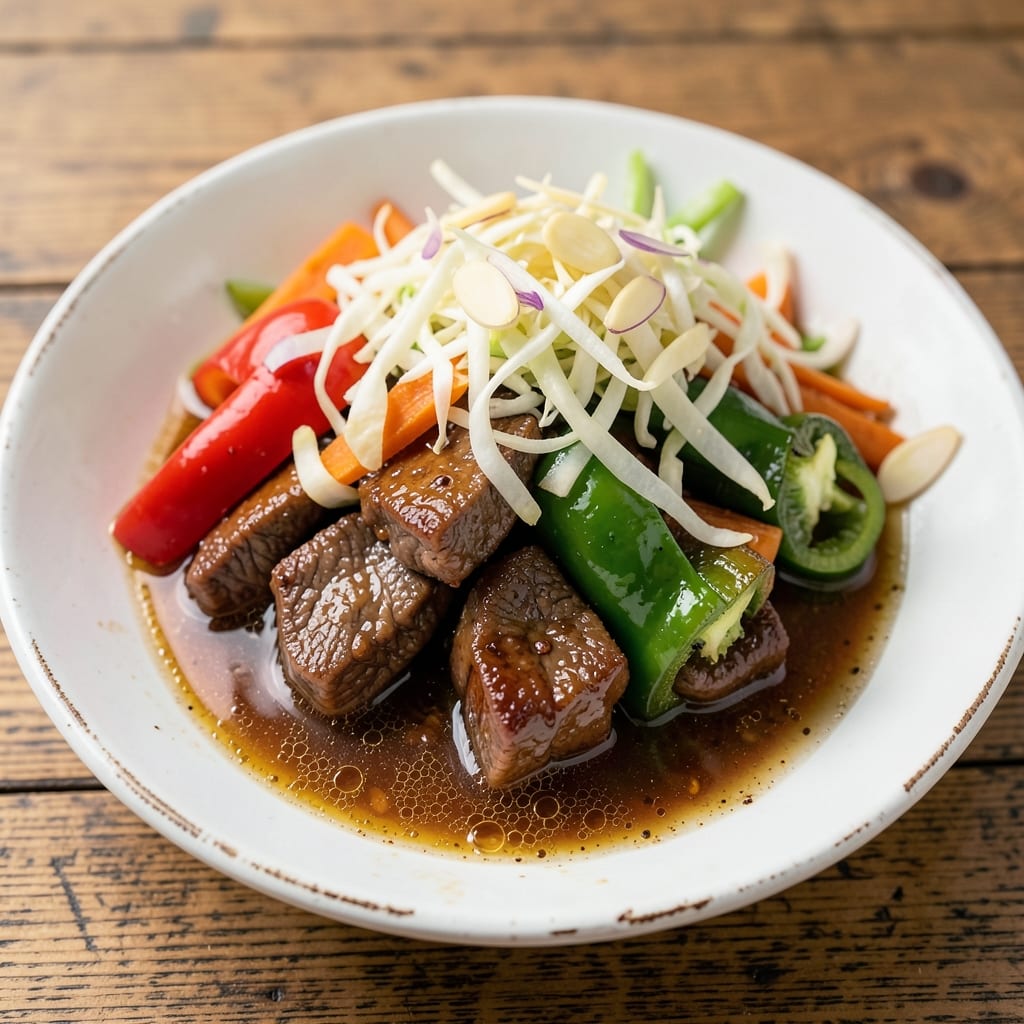
This beef and vegetable stir-fry sauce recipe delivers that perfect balance of umami, sweetness, and acidity—just like your favorite takeout. 🔥 The secret lies in a simple blend of soy sauce, garlic, ginger, and a touch of honey, creating a glossy sauce that clings beautifully to crisp vegetables and tender beef. I developed this sauce after years of experimenting with stir-fry flavors, and it never fails to elevate even the simplest wok hei dish.
The magic happens when you combine high-quality soy sauce with aromatic garlic and ginger, then balance the depth with a hint of sweetness. This sauce works equally well for quick weeknight meals or impressive dinner parties, and it keeps well in the refrigerator for up to a week or freezes beautifully for future use. What makes it truly special is how it enhances the natural flavors of beef and vegetables without overpowering them.
By the time you pour this sauce over your stir-fry, you'll notice an immediate transformation—deep umami flavors meld with subtle sweetness, creating a glossy finish that makes every bite irresistible. The sauce's versatility means you can use it for more than just beef and vegetables; it works wonders with chicken, shrimp, or even tofu stir-fries. The key is letting it simmer just until it thickens slightly, ensuring it coats every ingredient perfectly.
Store any leftovers in an airtight container in the fridge for up to a week, or freeze for up to three months. When reheating, warm gently on the stove to preserve its rich, balanced flavors. This sauce is your secret weapon for restaurant-quality stir-fries at home—simple, foolproof, and always delicious.
Ingredients for beef and vegetable stir fry sauce
Nine simple ingredients transform into a glossy, restaurant-quality stir-fry sauce.
| Ingredient | Amount | Notes |
|---|---|---|
| Soy Sauce 🍶 | ½ cup | High-quality, preferably light soy |
| Garlic Cloves 🧄 | 6 cloves | Freshly minced for aromatic punch |
| Fresh Ginger 🌿 | 2 tbsp | Finely grated, not powdered |
| Honey 🍯 | 2 tbsp | Pure, high-quality honey |
| Rice Vinegar 🍶 | 2 tbsp | Light or seasoned rice vinegar |
| Sesame Oil 🫒 | 1 tbsp | Toasted sesame oil for aroma |
| Cornstarch 🌾 | 1 tbsp | For thickening the sauce |
| Water 💧 | ¼ cup | To thin the cornstarch slurry |
| Red Chili Flakes 🌶️ | ½ tsp | Adjust for heat preference |
| Salt 🧂 | ½ tsp | Kosher or sea salt |
The soy sauce is the foundation—light soy has the cleanest flavor, but dark works too if you want extra depth. Fresh garlic and ginger are non-negotiable here; pre-minced jarred garlic lacks the freshness. I grab mine from the bulk bins at Whole Foods or Trader Joe's—they stay fresher longer. The honey should be pure; brands like Madhoney or Local Honey from your farmers market make a difference. If you're avoiding honey, agave or maple syrup works in a pinch, but the flavor won't be identical. For the sesame oil, Kadoya or La Choy are solid choices, but don't use cooking-grade—it's way too strong.
No rice vinegar? Apple cider vinegar or mirin (half the amount) works, though the flavor shifts slightly. Running low on cornstarch? Arrowroot powder is a 1:1 swap. For heat, Sichuan peppercorns ground into the sauce add a numbing kick if you're feeling adventurous. The sauce thickens as it cools, so if it's too glossy, simmer it 2-3 more minutes. Pro tip: Toast the sesame oil in a dry pan for 30 seconds before adding to the sauce—it deepens the aroma without overpowering.
This sauce keeps for up to 1 week in the fridge, sealed in an airtight container. For longer storage, freeze in ice cube trays—just thaw and reheat gently. The flavor actually improves after a day or two as everything melds. I double the batch every time because it disappears fast. Leftovers? Toss them into ramen, noodle bowls, or even grilled chicken. The cornstarch slurry can be prepped ahead, but I like to simmer it fresh for that perfect gloss.
Why You'll Love This Recipe
- Pantry Magic: I swear by this sauce—just five ingredients, no fancy shopping. That jar of soy sauce you already own? The garlic and ginger you probably have in your fridge? Boom. You’re set.
- Sweet-Savory Balance: The honey and rice vinegar play off the soy sauce like a perfect duet. Salty meets sweet with a bright, tangy finish—no weird aftertaste, just that just-right flavor you crave.
- Leftover Hero: This sauce keeps for weeks in the fridge, so I make a big batch. Toss it with last night’s beef, or drizzle it over cold noodles—it’s the ultimate fix for “what’s for dinner?” panic.
- Weeknight Workhorse: I’ve used it for takeout nights, potlucks, and even breakfast burritos. (Yes, really.) It’s the one sauce that turns random veggies and beef into something restaurant-worthy without the fuss.
Step-by-step instructions for beef and vegetable stir fry sauce
This sauce delivers that perfect balance of umami, sweetness, and tang that makes stir fry shine.
🍳 Step 1: Bloom the Aromatics in Toasted Sesame Oil
Heat a small saucepan over medium heat and add the 1 tablespoon sesame oil. Let it warm for 30 seconds until fragrant—you'll smell that nutty aroma that's the soul of this sauce. Add the 6 cloves minced garlic cloves and 2 tablespoons finely grated fresh ginger.
Cook for 1-2 minutes until the garlic turns light golden brown and the ginger loses its raw bite. This step builds the aromatic foundation—don't rush it, or you'll burn the garlic. Here's the thing: if you smell something bitter, you've gone too far. Remove the pan from heat immediately if this happens.
🍳 Step 2: Build the Sauce Base with Soy and Vinegar
Return the pan to medium heat and add the 0.5 cup soy sauce and 2 tablespoons rice vinegar. Stir constantly for 2-3 minutes until the mixture reduces slightly and becomes glossy. You're looking for that signature stir-fry sheen—this is where the sauce starts coming together.
I always add the 0.5 teaspoon red chili flakes and 0.5 teaspoon salt now. Stir them in and let everything simmer for another 1 minute. This gives the spices time to bloom and infuse the sauce with their flavors. The sauce should be smooth with no graininess—if you see any, it means you need to strain it later.
🍳 Step 3: Sweeten and Thicken the Sauce
Add the 2 tablespoons honey and stir until fully dissolved. The sauce will take on a beautiful amber color—this is your visual cue that the sweetness is integrating. In a small bowl, whisk together the 1 tablespoon cornstarch with the 0.25 cup water to create a slurry.
Return the sauce to a gentle simmer and slowly pour in the cornstarch slurry while stirring constantly. The sauce will begin to thicken almost immediately—keep stirring for 1-2 minutes until it reaches a glossy, coatable consistency. You want it thick enough to cling to vegetables and beef but still pourable. If it thickens too quickly, add a splash of water to adjust.
⏰ Step 4: Finish and Test for Perfection
Remove the sauce from heat and let it cool for 2 minutes. Taste and adjust the seasoning—you might need a bit more soy for saltiness, honey for sweetness, or vinegar for tang. The perfect balance should have all those flavors harmonizing: the umami from soy, sweetness from honey, tang from vinegar, and a subtle heat from the chili.
This sauce is best used immediately, but if you need to store it, let it cool completely and refrigerate for up to 5 days. When reheating, warm gently over low heat, stirring constantly to prevent skin formation. The key to restaurant-quality stir fry lies in this sauce—it's what transforms simple ingredients into something extraordinary.
Pro Tips For Making Beef And Vegetable Stir Fry Sauce
- Mince Ginger Like You Mean It: I learned this the hard way—slicing ginger thinly instead of mincing it just gives you chewy bits that cling to your teeth. Use a knife to chop it into a paste (or pulse it in a food processor) so it blends smoothly into the sauce. That way, the ginger’s warmth spreads evenly instead of sitting in stubborn chunks.
- Bloom the Garlic First: Don’t just toss chopped garlic into the pan—let it sizzle alone for 10 seconds until fragrant. This step unlocks its flavor before the soy sauce joins in. I used to skip it, and the sauce always tasted flat until I realized how much difference those first 10 seconds make.
- Balance Honey and Vinegar: The sauce can turn cloyingly sweet if you overdo the honey. Start with a 1:1 ratio of honey to rice vinegar (e.g., 1 tablespoon each), then taste as you go. The vinegar cuts through the sweetness, so resist the urge to dump in extra honey just because it looks thin—your taste buds will thank you.
- Simmer, Don’t Boil: Once the sauce comes together, keep the heat low and let it bubble gently for 2-3 minutes. Boiling it turns the soy sauce bitter and the honey syrupy. I’ve ruined a batch this way, and now I swear by the slow simmer—it lets all the flavors meld without overpowering each other.
Make-ahead tips for this dish
Prep Ahead Sauce Base
Make the sauce base 24 hours ahead by combining the soy sauce, honey, rice vinegar, and salt in an airtight container. Store it in the fridge—this lets the flavors meld beautifully. When ready to use, simply reheat the mixture over medium-low heat for 3-4 minutes, then add the toasted sesame oil and cornstarch slurry to thicken. This shortcut saves time while keeping the sauce's depth intact. 💡
Freeze in Portions
Freeze the finished sauce in ice cube trays for single-use portions. Once frozen, transfer cubes to a ziplock bag and store for up to 3 months. Thaw overnight in the fridge or toss a cube directly into your stir-fry pan—it'll melt and thicken perfectly. I keep a stash of these in my freezer for lazy weeknights when I crave takeout flavors without the effort. ❄️
Double Batch for Meal Prep
Double the recipe and store half in the fridge for 5 days while freezing the other half. The fridge portion works great for quick weeknight meals, while the frozen batch ensures you always have stir-fry sauce on hand. Label containers with the date—this sauce tastes even better after a day or two as flavors deepen. I swear by this method for busy schedules! 📅
Infuse with Aromatics
For extra flavor, add 1 star anise pod or 2 slices of fresh ginger while simmering the sauce. Remove before serving or straining. This technique adds complexity without extra effort—perfect for meal prep. Store infused aromatics separately in the freezer for future batches. 🌿
Reheat for Best Texture
Always reheat sauce gently over low heat and stir constantly to prevent skin formation. If it thickens too much, add 1-2 teaspoons water while stirring. The sauce should coat the back of a spoon but remain pourable. I use a small saucepan and keep it moving—this ensures that glossy, restaurant-quality finish every time. 🔥
Use Beyond Stir-Fry
This sauce keeps for 5 days in the fridge, so get creative with leftovers. Drizzle over noodle bowls, use as a marinade for grilled chicken, or toss with roasted veggies. The versatility makes it a pantry staple—just store it properly and you'll always have a flavor boost ready. 💛
Nutrition facts
Frequently asked questions
Can I make this sauce without cornstarch?
For a cornstarch-free version, replace it with 1 tablespoon arrowroot powder or 1 teaspoon xanthan gum mixed with 0.25 cup water. If you prefer no thickener at all, reduce the sauce by simmering uncovered for 5-7 minutes—just stir frequently to prevent burning. The texture will be thinner but still delicious.
How do I adjust the heat level?
For milder heat, reduce the red chili flakes to 0.25 teaspoon or omit completely. For extra spice, add 0.5 teaspoon crushed Sichuan peppercorns or 1 teaspoon gochujang paste while simmering. Always taste as you go—you can't overdo the heat, but you can't fix it once the sauce thickens!
What's the best way to store leftover sauce?
Let the sauce cool completely, then transfer to an airtight container. It keeps in the fridge for 5-7 days or freezes for 3 months in ice cube trays. For reheating, warm gently over low heat while stirring constantly—never microwave, or it'll skin over. The flavors actually improve after a day or two!
Can I use this sauce for other proteins?
This sauce works beautifully with chicken, shrimp, tofu, or even pork! For seafood, reduce the soy sauce to 0.375 cup and add 1 teaspoon fish sauce instead. The honey and vinegar balance works perfectly across proteins—just adjust cooking times for delicate items like shrimp.
Why did my sauce turn grainy?
Graininess usually means the cornstarch didn't dissolve properly or the sauce cooled too quickly. Fix it by whisking in 1 teaspoon warm water while reheating on low heat. To prevent it next time, make sure your cornstarch slurry is smooth before adding it to the sauce, and keep stirring constantly while thickening.