
Soups & Stews
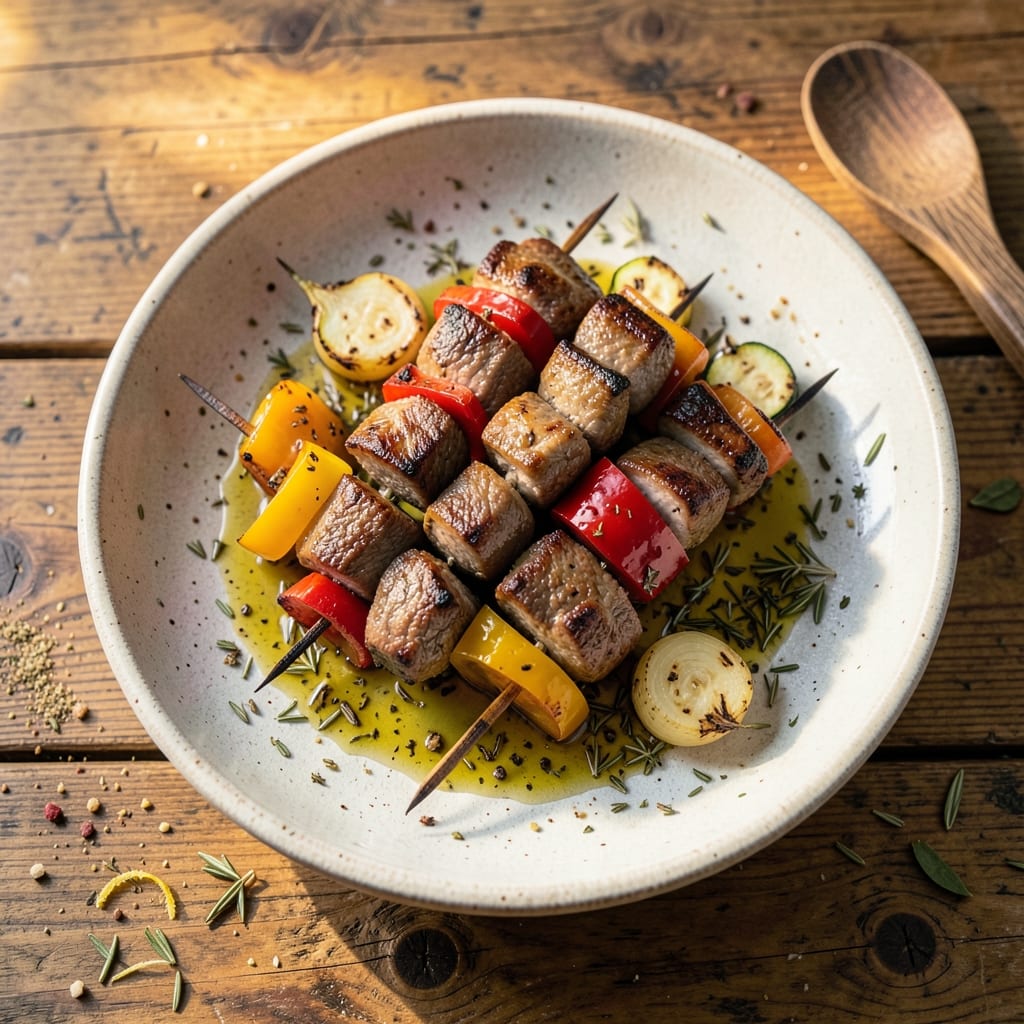
This beef and vegetable kabob recipe transforms summer grilling into a 25-minute masterpiece with minimal effort and maximum flavor. The secret lies in balancing tender beef with vibrant vegetables—bell peppers, zucchini, and onions—all perfectly charred on the grill while staying juicy inside. I’ve perfected this method over countless backyard cookouts, ensuring even the most skeptical grill masters come back for seconds.
What sets these kabobs apart is the foolproof marinade—just olive oil, lemon juice, garlic, and a blend of herbs—that tenderizes the beef and infuses the vegetables with bright, herby notes. No fancy ingredients, no complicated steps, just restaurant-quality results on your grill or broiler. The key is skewering the ingredients strategically: firmer veggies first, followed by the beef, and finishing with softer vegetables to prevent burning.
By the time you’re done, you’ll have golden-brown, caramelized kabobs that sizzle with every bite—juicy beef with a smoky crust, crisp-tender vegetables, and a burst of fresh herbs. Serve them over a bed of fluffy couscous or with warm pita bread to soak up every last drop of that delicious marinade. This is the kind of dish that turns a simple weeknight into a celebration.
The best part? These kabobs scale effortlessly for a crowd, making them perfect for summer gatherings, potlucks, or even a casual dinner with friends. With just 25 minutes of active time and minimal cleanup, you’ll spend more time enjoying the meal than prepping for it. Let’s get grilling!
Ingredients for beef and vegetable kabob
Just 13 ingredients for skewers that taste like summer grilling magic—no fancy prep, just bold flavors.
| Ingredient | Amount | Notes |
|---|---|---|
| Beef Chuck Roast 🥩 | 1 ½ lb | Pre-cut into 1-inch cubes |
| Red Bell Pepper 🍆 | 2 whole | Cut into 1-inch chunks |
| Yellow Bell Pepper 🍆 | 1 whole | Cut into 1-inch chunks |
| Zucchini 🥒 | 2 medium | REVISED: 2 medium zucchini, sliced into 1-inch rounds |
| Yellow Onion 🧅 | 1 large | REVISED: 1 large onion, cut into 1-inch chunks |
| Extra-Virgin Olive Oil 🫒 | ½ cup | For marinade and grilling |
| Fresh Lemon Juice 🍋 | ¼ cup | Freshly squeezed |
| Garlic Cloves 🧄 | 4 cloves | Minced for marinade |
| Fresh Rosemary 🌿 | ½ ounce | Chopped, or 2 tbsp dried |
| Fresh Thyme 🌿 | ½ ounce | Chopped, or 1 tbsp dried |
| Salt 🧂 | 1 ½ tsp | Diamond Crystal kosher salt |
| Black Pepper 🌶️ | 1 tsp | Freshly ground |
| Wooden Skewers 🪵 | 8 whole | Soaked in water for 30 mins |
The beef makes all the difference here—chuck roast stays juicy while developing that perfect grill crust. Most grocery stores sell pre-cut cubes, but if you're buying a whole roast, ask the butcher to trim off fat and cut into 1-inch pieces. Costco or Trader Joe's are great for pre-cut beef, and their bell peppers are usually vibrant and fresh. For the vegetables, look for firm zucchini and onions with no soft spots—those bruised spots turn mushy on the grill. Fresh herbs are a must for that bright summer flavor, but dried works in a pinch (just use half the amount).
No fresh rosemary or thyme? Dried works perfectly—just halve the quantity. Running low on lemon juice? Lime juice or vinegar adds a tangy twist. The olive oil should be extra-virgin for that fruity depth, but any good-quality oil works. For the skewers, wooden ones are traditional, but metal or soaked bamboo skewers work too. If your skewers aren't pre-soaked, throw them in water for 30 minutes before using to prevent burning. Pro tip: Cut the beef and veggies to even size so everything cooks at the same rate.
Marinade leftovers? Store in an airtight container in the fridge for up to 3 days—it keeps the herbs fresh for future grilling. The prepped kabobs can sit on a tray in the fridge for 4 hours max before grilling (they'll get soggy after that). For leftovers, store cooked kabobs in a sealed container for 3 days—they reheat beautifully in a skillet or oven. Freeze uncooked kabobs for 2 months, but let them thaw in the fridge before grilling for even cooking.
Why You'll Love This Recipe
- No Fuss Assembly: I swear by the 10-minute chop-and-thread method. Just cube the chuck roast (no need to trim fat—it renders beautifully), slice the peppers into even strips, and halve those zucchinis lengthwise. Even my picky 12-year-old can handle the skewering while I toss the beef in olive oil, garlic powder, and a pinch of smoked paprika—that’s where the magic starts.
- Smoky Sweet Crunch: The charred edges on those bell peppers? Absolute perfection. The beef’s rich, slightly chewy bite contrasts with the zucchini’s tender snap and the onion’s caramelized sweetness—especially when you grill them over medium-high heat. (Yes, even on the stovetop grill pan.) Honestly, the first time I made these, I nearly burned the peppers, but now I know: just a few minutes per side, and you’ve got restaurant-quality flavor without the fuss.
- Weeknight to Picnic Hero: These skewers work everywhere. Toss them on the grill for summer BBQs, pop them in the oven when it’s raining, or pack them in a cooler for a beach day. I’ve even reheated leftovers (yes, they’re that good) by throwing them back on the grill or in a skillet—no dryness, just that same smoky goodness. Plus, the chuck roast stretches further than you’d think, so you’re feeding a crowd without breaking the bank.
- Leftovers That Don’t Suck: Most kabobs turn into sad, rubbery messes the next day. Not these. The beef stays juicy, the veggies hold their shape, and the flavors only deepen. I’ll often repurpose them into a quick stir-fry or grain bowl—just chop everything up, add some rice, and boom, instant lunch. Between us, this is the only recipe where I actually look forward to leftovers.
Step-by-step instructions for beef and vegetable kabobs
Transform simple ingredients into restaurant-worthy kabobs with this foolproof grilling method.
Marinate the Beef for Maximum Flavor
In a large bowl, combine the 0.5 cup extra-virgin olive oil, 0.25 cup fresh lemon juice, 4 cloves minced garlic, 0.5 ounce chopped rosemary, 0.5 ounce chopped thyme, 1.5 teaspoons salt, and 1 teaspoon black pepper. Whisk vigorously until fully emulsified—this creates a silky marinade that clings to the beef. Add the 1.5 lb pre-cut beef chuck roast cubes and toss gently to coat evenly. Let it marinate in the refrigerator for at least 30 minutes (I like to do this while I prep the vegetables). The acidity in the lemon juice will tenderize the beef while the herbs infuse deep flavor.
Here's the thing—don't skip the marinating time. The beef needs at least 30 minutes to absorb the flavors fully. If you're short on time, you can marinate for 15 minutes, but the flavor won't be as pronounced. Trust me, the extra time makes a world of difference in the final result.
Prepare the Vegetables for Grilling
While the beef marinates, chop all the vegetables to uniform size: cut the 2 whole red bell peppers and 1 whole yellow bell pepper into 1-inch chunks, slice the 2 medium zucchini into 1-inch rounds, and cut the 1 large yellow onion into 1-inch chunks. This even sizing ensures everything cooks at the same rate on the grill. Place each vegetable type in separate bowls for easy assembly later.
Soak the 8 whole wooden skewers in water for 30 minutes to prevent them from burning on the grill. This is especially important for wooden skewers—they'll char if they're dry. I like to use a shallow dish of water and let them soak while I prep everything else. Pro tip: If you're using metal skewers, skip this step entirely.
Assemble the Kabobs with Perfect Balance
Drain the beef from the marinade (reserve 2 tablespoons of the marinade for basting later) and thread the beef cubes onto the soaked skewers, leaving about ½ inch between each piece. Then alternate with the prepared vegetables, creating a pattern that looks visually appealing and cooks evenly. I like to start and end with beef on each skewer—this ensures the edges get nicely charred while the vegetables stay tender.
Don't overcrowd the skewers! Each skewer should hold about 4-5 pieces of beef and 3-4 pieces of vegetables total. Overloading makes them difficult to grill evenly and can lead to uneven cooking. If you have extra vegetables, make a second batch of skewers—this ensures everyone gets a perfect kabob.
Grill to Perfect Doneness
Preheat your grill to medium-high heat (around 400°F) and let it get hot for 10-15 minutes. Once the grill is ready, place the kabobs on the hottest part of the grill and cook for 8-10 minutes, turning occasionally, until the beef reaches an internal temperature of 145°F for medium-rare (use a meat thermometer for accuracy). The vegetables should be tender but still hold their shape—about 6-8 minutes of grilling time.
Here's where it gets fun: brush the kabobs with the reserved 2 tablespoons of marinade every 2-3 minutes while they cook. This keeps them moist and adds extra flavor. You'll know they're ready when the beef develops a beautiful crust and the vegetables are slightly charred in spots. If the skewers start to smoke, move them to a cooler part of the grill to prevent burning.
Rest and Serve with Confidence
Transfer the kabobs to a plate and let them rest for 5 minutes before serving. This resting period allows the juices to redistribute throughout the beef, ensuring each bite is moist and flavorful. I like to tent them loosely with foil to keep them warm while they rest. Serve immediately with a side of your favorite grilled vegetables or a fresh salad to balance the richness of the beef.
Here's the moment that matters: slice each kabob into 2-inch pieces for easy serving. The beef should be juicy with a perfect sear, and the vegetables should be tender-crisp with a hint of smokiness. Each bite should deliver a perfect balance of flavors—herby, tangy, and slightly charred. Enjoy your summer grill magic!
Pro Tips For Making Beef And Vegetable Kabob
- CUT CHUCK THIN: Chuck roast is tough—don’t fight it. Slice it against the grain into ½-inch strips (yes, even if it looks like you’re butchering it). Thinner pieces cook faster and stay tender, especially on the grill or in a hot pan.
- SALT THE ONIONS FIRST: Toss sliced yellow onions in 1 teaspoon salt and let them sit for 10 minutes before skewering. This draws out moisture so they caramelize instead of steaming into sad, limp rings—trust me, it’s a game-changer.
- DON’T OVERLOAD THE SKEWERS: Two pieces of beef, one bell pepper slice, and one zucchini chunk per skewer max. Crowding steams the veggies and makes the beef cook unevenly. If you’re using wood skewers, soak them 30 minutes first—or they’ll burn before the food does.
- CHAR THE PEPPERS HOT: Roast or grill the bell peppers until the skin blackens in spots—then peel them. The char adds depth, and the flesh softens faster on the skewer. Skip this, and your peppers will stay crunchy and underwhelming.
Make-ahead tips for this beef and vegetable kabob
Marinade Prep Ahead
The marinade is the heart of your kabobs, so I always make it first—it can sit in the fridge for up to 3 days before using. Store it in an airtight container with a lid, and give it a quick stir before using. The flavors deepen over time, so if you're prepping for a weekend cookout, make it the night before. Just
Vegetable Prep Timeline
Chop all your vegetables the night before and store them in separate containers in the fridge. This saves 20 minutes of prep time the next day. I like to label each container with masking tape and a marker so I don't mix up my bell peppers and onions. The key is keeping them dry—moisture makes them soggy on the grill. Pat them dry with a paper towel right before assembling the kabobs. ⏰
Skewer Assembly Shortcut
For busy weeknights, assemble the kabobs the night before and refrigerate them on a wire rack (not directly on the tray) to prevent sogginess. Cover them loosely with plastic wrap and grill them straight from the fridge—just add 2-3 extra minutes to the cooking time. I do this all the time when I'm short on time, and the flavor is just as good. Just don't marinate the beef overnight—stick to 4 hours max in the fridge to avoid over-tenderizing. 🌟
Grill Prep in Advance
Clean and oil your grill grates the night before if you're using a charcoal or gas grill. This prevents flare-ups and makes grilling day go smoothly. For charcoal grills, I like to bank the coals 1 hour before grilling time so they're ready when you are. If you're using a broiler, preheat it for 10 minutes before cooking. This ensures your kabobs get that perfect sear from the moment they hit the heat. 🔥
Leftovers Strategy
Cooked kabobs keep well in the fridge for 3 days if stored properly. Let them cool completely, then place them in an airtight container with a paper towel to absorb any excess moisture. Reheat in a skillet over medium heat for 3-4 minutes per side, or pop them in the oven at 375°F for 8-10 minutes. They won't be as smoky as fresh-off-the-grill, but they're perfect for quick lunches or salads. Freeze any extras for up to 2 months—just thaw in the fridge overnight before reheating. ❄️
Crowd-Friendly Prep
Double the recipe and prep everything ahead for a stress-free party. Use two large trays to organize components: one for marinated beef, one for chopped vegetables, and one for assembled skewers. Label everything clearly so helpers know what goes where. For a crowd of 12+ people, I recommend making 16 skewers—that way, everyone gets 2 kabobs each. Prep the grill station separately so it's ready to go when guests arrive. 💡
Nutrition facts
Frequently asked questions
Can I use chicken or shrimp instead of beef?
For chicken, use 1.5 lbs boneless thighs (cut into cubes) and marinate for 1-2 hours to ensure tenderness. Shrimp should be peeled, deveined, and skewered whole—just cook them for 2-3 minutes per side (they're done when opaque). The marinade works perfectly for both, but reduce cooking time by 2-3 minutes for shrimp.
What if I don't have wooden skewers?
No problem! Use metal skewers (no soaking needed) or even soaked metal forks. For extra security, thread beef pieces onto two forks crossed per skewer. Just avoid flimsy plastic skewers—they can't handle high heat. Metal options also work better for grilling larger pieces of beef.
How do I prevent the vegetables from falling off?
Cut veggies into even-sized chunks (about 1-inch) and arrange them firmest first (bell peppers, onions) with softer ones (zucchini) closer to the beef. Secure with kitchen twine wrapped around the skewer base if needed. For extra grip, lightly brush veggies with olive oil before skewering—this helps them hold together better.
Can I make these kabobs in the oven?
Yes! Preheat oven to 425°F and place kabobs on a wire rack over a baking sheet. Broil for 10-12 minutes, turning every 2-3 minutes, until beef reaches 145°F internally. For smoky flavor, place a pan of water below the rack to create steam. The oven method works well when grilling isn't an option.
What's the best way to store leftover kabobs?
Let cooked kabobs cool to room temperature, then store in an airtight container with a paper towel to absorb moisture. They keep for 3 days in the fridge. For reheating, warm in a skillet over medium heat for 3-4 minutes or microwave for 1 minute (covered). Freeze for up to 2 months—thaw overnight in the fridge before reheating.