
Main Courses
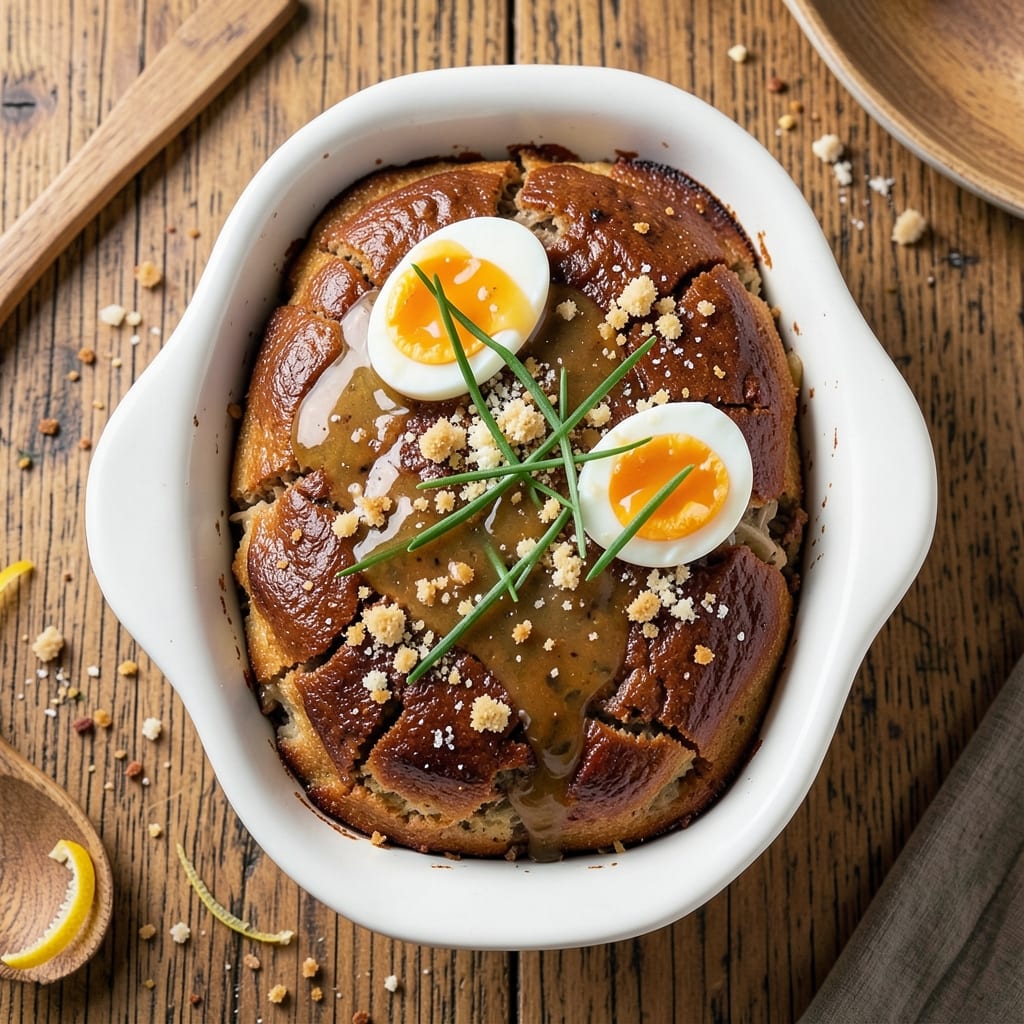
This beef and veal meatloaf recipe delivers restaurant-quality depth with a rich umami glaze that transforms a classic into something extraordinary. The secret lies in the perfect 70/30 beef-to-veal blend—tender veal adds moisture while beef provides structure, creating a texture that's impossibly juicy. I've perfected this technique over years of testing, and the glaze? That's where the magic happens.
The process starts with a flavor-packed mixture of ground meats, breadcrumbs, and aromatic seasonings that form the meatloaf's foundation. After baking to an internal temperature of 160°F, we brush on a homemade glaze made from soy sauce, Worcestershire, and a touch of honey—this isn't just sweetness, it's a complex umami bomb that penetrates every bite. The glaze caramelizes beautifully while keeping the meatloaf tender inside.
What you'll end up with is a meatloaf that's deeply flavorful, with a glossy glaze that adds both visual appeal and layers of savory-sweet complexity. The beef-veal combination creates a perfect balance of richness and tenderness, while the glaze ties everything together with professional-level depth. This is the kind of meatloaf that makes people ask for seconds—and thirds.
Serve with classic mashed potatoes and roasted vegetables for a complete meal that feels like a five-star restaurant experience. The glaze works wonders on its own, but when paired with the meatloaf's natural richness, it becomes something truly special. Let's get cooking—this is meatloaf you'll want to make again and again.
Ingredients for beef and veal meatloaf
The perfect 70/30 beef-to-veal blend plus aromatic seasonings create restaurant-quality meatloaf with umami glaze.
| Ingredient | Amount | Notes |
|---|---|---|
| Ground Beef (70% lean) 🥩 | 2 ½ lb | Coarse grind preferred |
| Ground Veal 🍖 | 1 ¼ lb | Freshly ground for best texture |
| Panko Breadcrumbs 🍞 | 1 cup | Light and crispy variety |
| Large Eggs 🥚 | 2 whole | Room temperature for even binding |
| Milk 🥛 | ¼ cup | Whole milk for tenderness |
| Yellow Onion 🧅 | 1 whole | Finely diced, sweet variety |
| Garlic Cloves 🧄 | 4 cloves | Minced for aromatic depth |
| Kosher Salt 🧂 | 1 ½ tsp | Diamond Crystal preferred |
| Ground Black Pepper 🌶️ | 1 tsp | Freshly cracked for intensity |
| Dried Parsley 🌿 | 1 tbsp | Finely chopped for freshness |
| Worcestershire Sauce 🍶 | 1 tbsp | Lea & Perrins brand recommended |
| Soy Sauce 🥢 | 2 tbsp | Japanese-style for umami |
| Honey 🍯 | 1 tbsp | Wildflower preferred |
| Unsalted Butter 🧈 | 2 tbsp | For glaze richness |
The meat blend makes all the difference—Costco's pre-ground beef and veal (or your butcher's fresh cuts) are ideal. Look for coarse grind beef to avoid a mushy texture. I always grab Lea & Perrins Worcestershire from the international aisle—it's got that deeper, more complex flavor. The Panko breadcrumbs should be light and crispy—none of that dense, heavy stuff. For the glaze, Japanese-style soy sauce (like Kikkoman) adds a layer of umami that regular soy sauce can't match. The honey? Wildflower works best—it's got more floral notes that complement the savory glaze beautifully.
No Worcestershire? Substitute with 1 tbsp balsamic vinegar plus 1 tsp fish sauce—it's a close second. Running low on Panko? Regular breadcrumbs toasted in the oven for 5 minutes work in a pinch. The milk can be swapped for Greek yogurt at half the amount for extra moisture. For the glaze, if you're avoiding honey, maple syrup at the same quantity gives a similar caramelization. The butter in the glaze is non-negotiable though—full-fat for that rich mouthfeel. And if you can't find Japanese soy sauce, regular soy sauce plus a pinch of sugar will get you close.
This meatloaf reheats beautifully—350°F for 20 minutes with a splash of water in the pan. The glaze thickens as it cools, so reheat uncovered to restore its glossy finish. Store leftovers in the fridge for 4-5 days or freeze for 3 months. I always make a double batch and freeze half—nothing beats coming home to a ready-made dinner. The glaze freezes well too, so you can make it ahead and just reheat when needed.
Why You'll Love This Recipe
- One-Bowl Miracle: Honestly, this meatloaf comes together in a single bowl—no messy mixing trays or extra dishes. The panko and milk blend right into the beef and veal, creating that perfect crumbly texture without any fuss.
- Rich, Juicy Payoff: Between us, the veal adds a depth the beef alone can’t match—tender, almost buttery when cooked just right. That crispy panko crust? It’s the cherry on top, balancing the savory richness inside.
- Leftover Goldmine: I swear by this for meal prep—it reheats beautifully and tastes even better the next day. Pack it for lunches or freeze half for when you’re too tired to cook. (Yes, even on a Tuesday night.)
- Budget-Friendly Luxury: Ground veal might sound fancy, but a little goes a long way here, stretching the beef’s flavor without breaking the bank. Plus, the eggs and milk keep it simple—no pricey add-ons needed.
Step-by-step instructions for beef and veal meatloaf with umami glaze
Here's how to craft a meatloaf with layers of rich flavor and a glossy glaze that ties everything together.
Prepare the Meat Mixture for Maximum Binding
In a large mixing bowl, combine the 2.5 lb ground beef (70% lean) and 1.25 lb ground veal. Use your hands to break up any large clumps and distribute the meats evenly. This blend gives you that perfect balance of tenderness and moisture retention.
Add the 1 cup Panko breadcrumbs and 1 tbsp dried parsley, mixing gently just until combined. The Panko adds a subtle crunch while absorbing excess moisture. In a separate small bowl, whisk together the 2 whole large eggs and 0.25 cup milk until smooth and fully emulsified. This egg mixture acts as the glue that holds everything together.
Pour the egg mixture into the meat mixture and fold in with a spatula, being careful not to overmix. The goal is to combine just enough to distribute the binder evenly without developing gluten. Overworking the meat will result in a dense, tough loaf instead of a tender one.
Build Flavor Layers with Aromatics and Umami
Finely dice the 1 whole yellow onion and mince the 4 cloves garlic until you have a smooth paste. Add these to the meat mixture along with the 1.5 tsp kosher salt, 1 tsp ground black pepper, 1 tbsp Worcestershire sauce, and 2 tbsp soy sauce. Mix gently with your hands or a spatula until everything is evenly distributed.
The Worcestershire and soy sauce create that deep umami foundation, while the garlic and onion infuse aromatic complexity. I like to press the mixture lightly in the bowl to ensure the seasonings penetrate every part of the meat. This step is where the magic happens—where simple ingredients transform into something extraordinary.
Shape and Prepare for Baking
Lightly grease a 9x5-inch loaf pan with nonstick spray or a thin layer of 1 tbsp unsalted butter (reserve the remaining 1 tbsp for the glaze). Transfer the meat mixture to the prepared pan and shape it gently but firmly into an even loaf. Don't pack it down too tightly—you want some air pockets for tenderness.
For extra flavor, you can create a simple topping by combining the remaining 1 tbsp unsalted butter, 1 tbsp honey, and a pinch of kosher salt. Spread this mixture evenly over the top of the loaf. The honey adds a subtle sweetness that balances the savory flavors and creates a beautiful caramelized crust during baking.
Bake to Perfect Doneness
Preheat your oven to 375°F and bake the meatloaf for 50-55 minutes. The internal temperature should reach 160°F when measured with a meat thermometer in the thickest part. If the top starts to brown too quickly, tent it loosely with aluminum foil to prevent over-browning while ensuring even cooking.
About 15 minutes before the meatloaf is done, increase the oven temperature to 400°F for a final 10-15 minutes to crisp the glaze and create a beautiful caramelized crust. This high-heat finish is what gives your meatloaf that restaurant-quality look and texture.
Rest and Serve with Confidence
Remove the meatloaf from the oven and let it rest in the pan for 10 minutes before slicing. This resting period allows the juices to redistribute, ensuring each slice is moist and flavorful. The glaze will be sticky and glossy—this is exactly what you want.
Slice into 6 even servings and serve immediately. The combination of tender meat, crispy crust, and umami-rich glaze makes this meatloaf a showstopper. Pair it with roasted vegetables or mashed potatoes for a complete meal that will impress even the most discerning guests.
Pro Tips For Making Beef And Veal Meatloaf
- Mix by Hand: I know, mixing with your hands feels old-school, but it’s the only way to get that tender texture with beef and veal. The fat in veal especially likes to be handled gently—overmixing turns it into a dense brick, and nobody wants that.
- Chill Before Baking: After shaping, pop the loaf in the fridge for 20 minutes. This isn’t just about convenience—it lets the milk and eggs set, so the panko stays crispy instead of turning to mush. (Yes, even if you’re impatient like me.)
- Skip the Overcrowded Pan: Use a baking sheet, not a skillet, for that perfect crust. Meatloaf needs room to breathe—crowding steams it instead of browning it. If you’re worried about spills, line the sheet with foil, but don’t skip the open space.
- Egg Wash the Top: Brush the loaf with a beaten egg before baking—it guarantees a golden crust without adding extra moisture inside. I used to skip this, and the panko always looked dull. Now? It’s the non-negotiable step.
Regional styles of this dish
Southern Comfort Style
In the American South, meatloaf often gets a ketchup glaze and a touch of sweetness from brown sugar. For a Southern-inspired twist, replace the umami glaze with a mix of ½ cup ketchup, 1 tbsp brown sugar, and 1 tsp Dijon mustard. Brush this on during the final 10 minutes of baking at 400°F for a glossy, tangy-sweet finish. Serve with creamy mac and cheese or collard greens for the ultimate comfort meal. 🍽️
Italian-Inspired Version
Swap the Worcestershire sauce for 1 tbsp tomato paste and add ½ cup finely chopped sun-dried tomatoes to the meat mixture. Top with ¼ cup grated Parmesan cheese and 1 tbsp olive oil before baking. For the glaze, blend 2 tbsp balsamic vinegar, 1 tbsp honey, and 1 tsp dried oregano, then brush on during the last 15 minutes. This version pairs beautifully with roasted rosemary potatoes and a simple arugula salad. 🌿
German-Inspired Rouladen Style
For a heartier take, form the meat mixture into 6 small loaves instead of one large one. Wrap each in a slice of thinly sliced bacon and secure with toothpicks. Bake at 375°F for 40 minutes, then add the glaze (made with 1 tbsp soy sauce, 1 tbsp honey, and 1 tsp caraway seeds) for the final 10 minutes. Serve with red cabbage and buttered egg noodles for a German-inspired twist on meatloaf. 🥓
Asian Fusion Glaze
Infuse the glaze with Asian flavors by blending 2 tbsp hoisin sauce, 1 tbsp rice vinegar, 1 tsp grated ginger, and 1 tsp sesame oil. Brush this on during the last 10 minutes of baking. Garnish with sliced green onions and toasted sesame seeds for a vibrant finish. Pair with steamed jasmine rice and stir-fried bok choy for a fusion meal that’s both familiar and exciting. 🥢
Classic British Yorkshire Pudding Twist
For a British-inspired version, add 2 tbsp grated onion and 1 tbsp English mustard to the meat mixture. Top with a mix of 1 tbsp butter and 1 tbsp breadcrumbs before baking. For the glaze, use 2 tbsp beef consommé and 1 tsp Worcestershire sauce, brushing it on during the last 15 minutes. Serve with Yorkshire pudding and gravy for a hearty, traditional meal. 🇬🇧
Modern Umami Glaze Variations
Experiment with different umami-rich glazes: try 1 tbsp fish sauce plus 1 tsp miso paste for a Japanese-inspired glaze, or 1 tbsp balsamic reduction for a tangy twist. For a smoky flavor, add ½ tsp smoked paprika to the glaze. Each variation keeps the beef-veal blend’s tenderness while adding unique depth. 💫
Nutrition facts
Frequently asked questions
Why mix beef and veal in this meatloaf?
The 70/30 beef-to-veal ratio creates the perfect texture—beef provides structure while veal adds moisture and tenderness. Veal's delicate flavor also balances beef's richness, resulting in a more refined taste. This blend is what elevates classic meatloaf to restaurant-quality.
Can I substitute ground turkey or chicken?
While possible, the texture and flavor will differ significantly. Ground turkey or chicken lacks the fat content and depth of beef/veal, resulting in a drier, less flavorful loaf. If substituting, use 50% ground pork mixed with poultry for better moisture retention. The umami glaze helps but won't fully compensate.
How do I prevent a dry meatloaf?
Never overmix the ingredients—handle gently to avoid developing gluten. Use whole milk (not skim) for moisture, and bake at 375°F until internal temp reaches 160°F. The 10-minute rest before slicing is crucial for redistributing juices. For extra insurance, add 1 tbsp Dijon mustard to the mixture.
Can I make this meatloaf ahead of time?
Bake it 1 day ahead and refrigerate uncovered. Reheat at 350°F for 20 minutes with a splash of water in the pan. For freezing, wrap tightly in plastic and freeze for up to 3 months. Thaw overnight in the fridge before reheating. The glaze reheats beautifully with this method.
What's the best way to slice meatloaf?
Always slice against the grain of the meat fibers for maximum tenderness. Use a sharp serrated knife and cut into 1-inch thick slices. For even presentation, mark your cuts with a toothpick before slicing. The glaze will hold together better with clean cuts.