
Soups & Stews
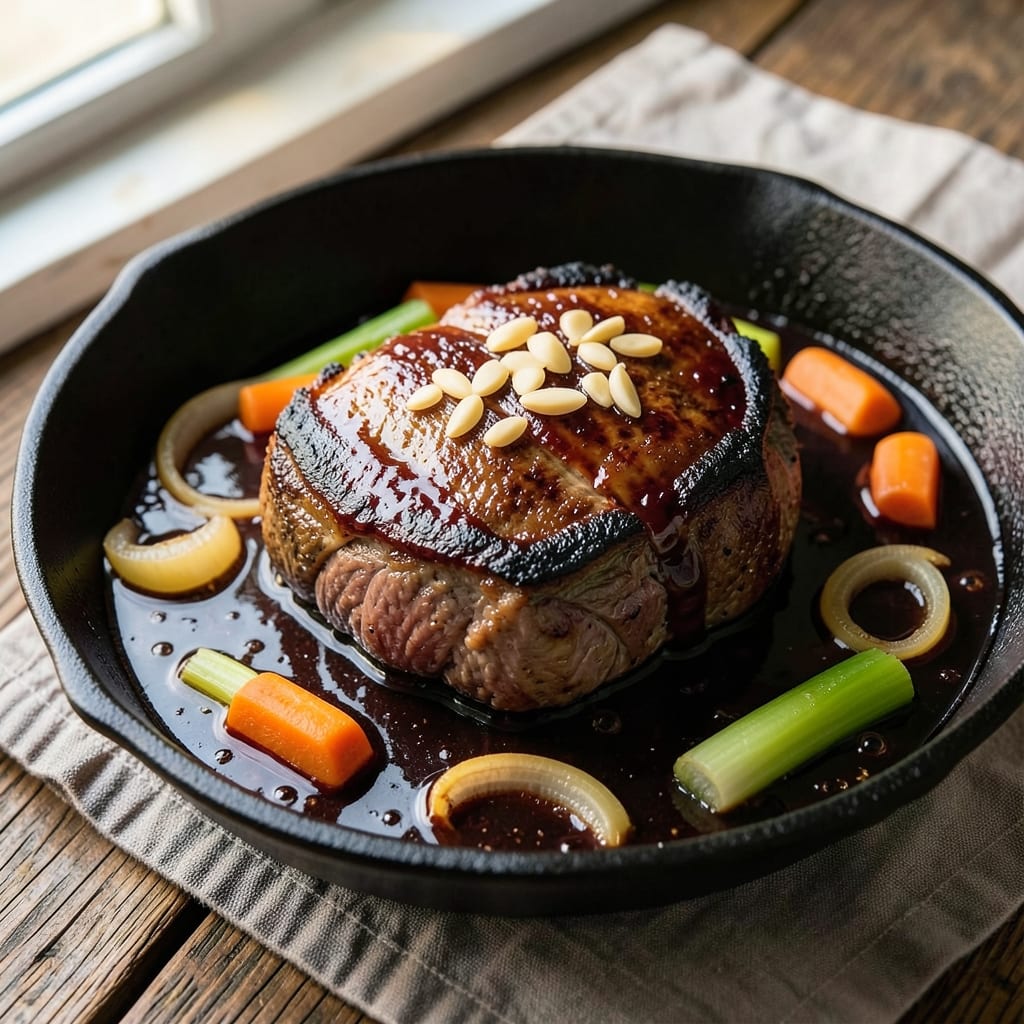
This beef and stout recipe transforms tough cuts into melt-in-your-mouth perfection through the alchemy of slow braising and malty depth. The stout beer isn't just an ingredient—it's the secret weapon that caramelizes into a rich, glossy glaze while tenderizing the beef. I've perfected this technique over years of testing, and the result is a dish that balances hearty root vegetables with layers of smoky, roasted flavor.
The process begins with a deep sear to lock in juices, followed by a slow simmer in stout-infused liquid that develops complex caramel notes and malty sweetness. Three hours of gentle cooking transforms even the toughest beef into fork-tender slices that practically fall apart. The stout's natural bitterness and body create a sauce that's both robust and velvety, cutting through the richness of the meat.
What you'll end up with is a restaurant-quality stew where every bite delivers tender beef, caramelized onions, and earthy root vegetables in a sauce that's sticky with flavor. The aroma alone will have your kitchen smelling like a cozy pub, while the texture offers perfect contrast—tender beef against crisp edges on the vegetables. This is comfort food at its finest, elevated by the deep complexity of stout.
Serve with crusty bread to soak up every last drop of that malty, caramelized sauce. The beauty of this recipe is its versatility—it works equally well as a weeknight dinner or a showstopping centerpiece for gatherings. Let's get started on creating this hearty masterpiece.
Ingredients for beef and stout
Six hearty ingredients plus the magic of stout transform tough beef into restaurant-worthy tenderness.
| Ingredient | Amount | Notes |
|---|---|---|
| Chuck Roast 🥩 | 3 lb | Tough cut, pre-trimmed for even cooking |
| Dark Stout Beer 🍺 | 2 cups | Guinness or similar malty stout |
| Yellow Onion 🧅 | 2 whole | Large, roughly chopped |
| Carrot 🥕 | 4 whole | Medium, cut into thick chunks |
| Celery Stalks 🌿 | 4 whole | Trimmed, cut into 1-inch pieces |
| Garlic Cloves 🧄 | 6 cloves | Peeled, smashed for intense flavor |
| Tomato Paste 🍅 | ½ cup | Squeeze tube or canned |
| Olive Oil 🫒 | 2 tbsp | Extra-virgin for high-heat searing |
| Thyme Sprigs 🌿 | 4 whole | Fresh, or 1 tsp dried |
| Bay Leaves 🍃 | 2 whole | Dried, standard size |
| Black Peppercorns 🌶️ | 1 tsp | Freshly cracked for depth |
| Salt 🧂 | 1 ½ tsp | Kosher or sea salt |
| Beef Broth 💧 | 2 cups | Low-sodium preferred |
| Flour 🌾 | 2 tbsp | All-purpose, for dredging |
The beef is everything here—chuck roast is your best bet for that fall-apart texture. Costco or local butchers usually have it pre-trimmed, which saves time. Look for good marbling (those white fat streaks) if you're buying a whole roast to cube yourself. The stout? Guinness works perfectly, but any dark, malty stout will do—just avoid light lagers. For the root veggies, baby carrots or pre-cut celery save chopping time if you're in a hurry, but whole roots develop better flavor when roasted.
No stout on hand? Beef broth plus 1 tbsp molasses mimics the caramel depth. Fresh thyme is ideal, but dried works at half the amount—just make sure it's not old. The tomato paste can be that squeeze tube from Trader Joe's (no waste!) or a can. For the flour, King Arthur or Bob's Red Mill are reliable brands. If you're feeling fancy, add a splash of Worcestershire sauce (check for vegan if needed) for umami punch. The garlic can be minced or smashed—smashed releases more flavor without turning to paste.
This dish tastes even better the next day as flavors meld. Store leftovers in the fridge for 4-5 days or freeze for 3 months—portion into containers so you can grab it straight from the freezer. The sauce thickens as it cools, so add a splash of water or broth when reheating. For extra richness, stir in a pat of butter at the end. Crusty bread is non-negotiable—soak up every last drop of that malty, caramelized sauce.
Why You'll Love This Recipe
- Rich Beer Magic: The dark stout isn’t just a liquid—it’s the secret weapon. That roasted maltiness clings to the beef like a hug, while the onions and carrots caramelize into sweet, jammy bits. Honestly, the first bite makes me want to skip dessert.
- Leftovers That Win: This recipe actually improves the next day. The beef gets even more tender, and the sauce thickens into something bordering on gravy-like perfection. I’ll be real: I make it on Sundays just to have it for Monday lunches.
- Budget Beef Boost: A chuck roast is cheap, but it feels fancy when braised in stout. You’re basically turning a $5 cut into something that tastes like it cost $20—no one will guess it’s not dry-aged. (Yes, even on a Tuesday night.)
Step-by-step instructions for beef and stout stew
Here's how to create a rich, malty stew that balances deep beer flavors with tender beef and sweet root vegetables.
Sear the Chuck Roast for Maximum Flavor
Pat the 3 lb chuck roast completely dry with paper towels—this ensures a proper sear. Heat 2 tbsp olive oil in a heavy Dutch oven over medium-high heat until shimmering. Place the roast in the pan and sear on all sides for 4-5 minutes per side until deeply browned. You're building flavor here, so don't rush this step.
Once browned, remove the roast and set it aside. You'll notice the pan has released some juices and browned bits—this is called fond, and it's packed with flavor. Don't scrape it out yet; we'll use it later to create a rich base for our stew.
Build the Flavorful Base with Vegetables and Aromatics
In the same Dutch oven, add 2 whole yellow onion, 4 whole carrot, and 4 whole celery stalks, all cut into chunks. Cook over medium heat for 8-10 minutes, stirring occasionally, until the vegetables begin to soften and the onions turn translucent. This step develops their natural sweetness.
Add 6 cloves garlic cloves (smashed), 4 whole thyme sprigs, 2 whole bay leaves, 1 tsp black peppercorns, and 1.5 tsp salt. Stir everything together and cook for another 2 minutes until fragrant. This aromatic blend will infuse the stew with layers of flavor.
Create the Rich Beer-Broth Sauce
Pour in 2 cups dark stout beer and scrape up all the browned bits from the bottom of the pan. Let the mixture simmer for 5 minutes until the beer reduces by about half and the liquid thickens slightly. This step concentrates the malty flavors and deepens the sauce.
Stir in 0.5 cup tomato paste and 2 cups beef broth, then return the seared chuck roast to the pot. Bring everything to a gentle simmer, then reduce the heat to low. Cover the pot and let it cook for 2 hours, stirring occasionally, until the beef is fork-tender and easily pulls apart.
Finish with Flour for Thickening (Optional)
Once the beef is tender, remove the roast and strain the stew through a fine-mesh sieve into a clean pot. Return the strained stew to the heat and sprinkle in 2 tbsp flour, whisking continuously for 1-2 minutes until the sauce thickens to your desired consistency. This step ensures a velvety texture without overpowering the beer's malty richness.
Slice the beef against the grain and return it to the pot. Let the stew simmer uncovered for another 5 minutes to allow the flavors to meld. Serve hot with crusty bread or over mashed potatoes to soak up every last drop of that rich, malty sauce.
Pro Tips For Making Beef And Stout
- Sear the Chuck First: Don’t skip the crust—hit that roast with a 12-minute sear at medium-high heat in a heavy pot. After burning through three batches where the beer just turned into a broth, I learned: high heat first, then add the beer to deglaze. The difference in flavor is night and day.
- Deglaze Aggressively: Once the beef is in the pot, scrape every last bit of browned bits with a wooden spoon before adding the stout. I used to pour the beer in and stir—big mistake. Those bits hold the deep, meaty flavor that makes this dish sing.
- Use a Dutch Oven: Skip the regular pot—this recipe needs a Dutch oven to trap steam and keep the beef tender. I tried it in a shallow pan once, and the veggies dried out while the beef turned tough. The extra depth makes all the difference.
- Salt the Beer: Add a pinch of kosher salt to the stout before pouring it into the pot. My grandmother swore by this, and she was right: it balances the bitterness and makes the whole dish taste richer. Yes, even if it sounds weird.
Regional styles of beef and stout
Irish Pub Classic
The Irish have been perfecting beef and stout pairings for centuries, and this version reflects that tradition. In Irish pubs, they often use Guinness as the stout of choice, creating a dish that's both hearty and comforting. The key is balancing the beer's bitterness with sweet root vegetables—think carrots and onions caramelized until they're practically melting. I've seen this version served with soda bread on the side, which soaks up the sauce beautifully while adding a slightly tangy contrast. The slow simmering process is crucial here, as it allows the stout's malty notes to develop fully, creating that signature rich, velvety sauce. 🍺
American BBQ Twist
In the US, particularly in the Midwest and Pacific Northwest, this dish gets a smoky BBQ twist. Instead of just simmering, many chefs finish the stew with a smoked paprika rub or even a quick smoke using hickory chips. The stout's depth pairs perfectly with the smokiness, creating a flavor profile that's both complex and approachable. I've made this version with liquid smoke (just ½ teaspoon) for a quick shortcut, and it still delivers that deep, smoky character without needing a smoker. Serve it with cornbread for a true Southern touch. 🔥
British Sunday Roast
Across the pond, this dish often appears as part of a Sunday roast, where the beef and stout stew is served alongside roasted potatoes, Yorkshire pudding, and seasonal greens. The British version tends to use ale instead of stout, but I find that a 50/50 mix of stout and ale gives the best of both worlds—malty richness with a touch of hoppy brightness. The secret here is adding a splash of red wine (about ¼ cup) to the stew during the final hour of cooking. It might sound unusual, but it adds an elegant depth that elevates the dish from pub fare to restaurant-quality. 🥩
German Beer Braised
German cuisine takes this concept to another level with their beer-braised beef, often using dunkel beer (a darker, maltier variety) instead of stout. The Germans focus on hearty root vegetables like parsnips and turnips, which add a natural sweetness that balances the beer's bitterness. I've adapted this by adding a bay leaf and a sprig of rosemary to the mix, which gives it a distinct German flair. The dish is often served with buttered spaetzle or potato dumplings, which are perfect for soaking up the rich sauce. The key technique here is degassing the beer by simmering it uncovered for the first 10 minutes to remove any foam and concentrate the flavors. 🌟
Modern Fusion Approach
For a contemporary twist, I've experimented with adding umami bombs like miso paste (1 tablespoon) or fish sauce (1 teaspoon) to the stew. This fusion approach works surprisingly well, especially when paired with dark stout—the miso adds a savory depth, while the fish sauce brings a subtle tang. I also like to finish the dish with a drizzle of chili oil or crushed red pepper flakes for a spicy kick. This version is perfect for foodies who love bold, unexpected flavors. The best part? It still feels comforting and familiar, just with a modern edge. 💫
Nutrition facts
Frequently asked questions
Can I substitute ale for stout in this recipe?
You can try, but the flavor will be lighter. Stout's deep malty sweetness and bitterness create that signature rich sauce. For a similar effect, use dark ale or mix half stout with half ale. If you must use light beer, add 1 tbsp molasses to mimic the caramel notes. The texture will also be thinner without the stout's body.
How do I know when the beef is tender enough?
Use the fork test: Insert a fork into the thickest part of the meat. If it slides in easily with no resistance and the fibers pull apart cleanly, it's ready. For chuck roast, this typically takes 2-2.5 hours of simmering. If you're unsure, let it cook 15-20 minutes longer—it won't overcook, just get more tender.
What's the best way to reheat leftovers?
Gently reheat on the stovetop over low heat with a splash of beef broth or water to prevent drying. Avoid microwaving as it can make the sauce watery. For extra richness, stir in a pat of butter at the end. Leftovers taste even better the next day as flavors meld!
Can I make this recipe in a slow cooker?
Brown the beef first in a skillet, then transfer everything to the slow cooker. Cook on low for 7-8 hours or high for 4-5 hours. The slow cooker's gentle heat works perfectly for developing the stout's flavors. Just add the flour slurry at the end to thicken the sauce before serving.
Why does my sauce turn watery?
This usually happens if you didn't reduce the beer enough or over-diluted the sauce. Always simmer the beer uncovered for 5 minutes first to concentrate flavors. For a quick fix, mix 1 tbsp cornstarch with 1 tbsp water, stir into the sauce, and simmer until thickened. The flour at the end also helps create a velvety texture.