
Soups & Stews
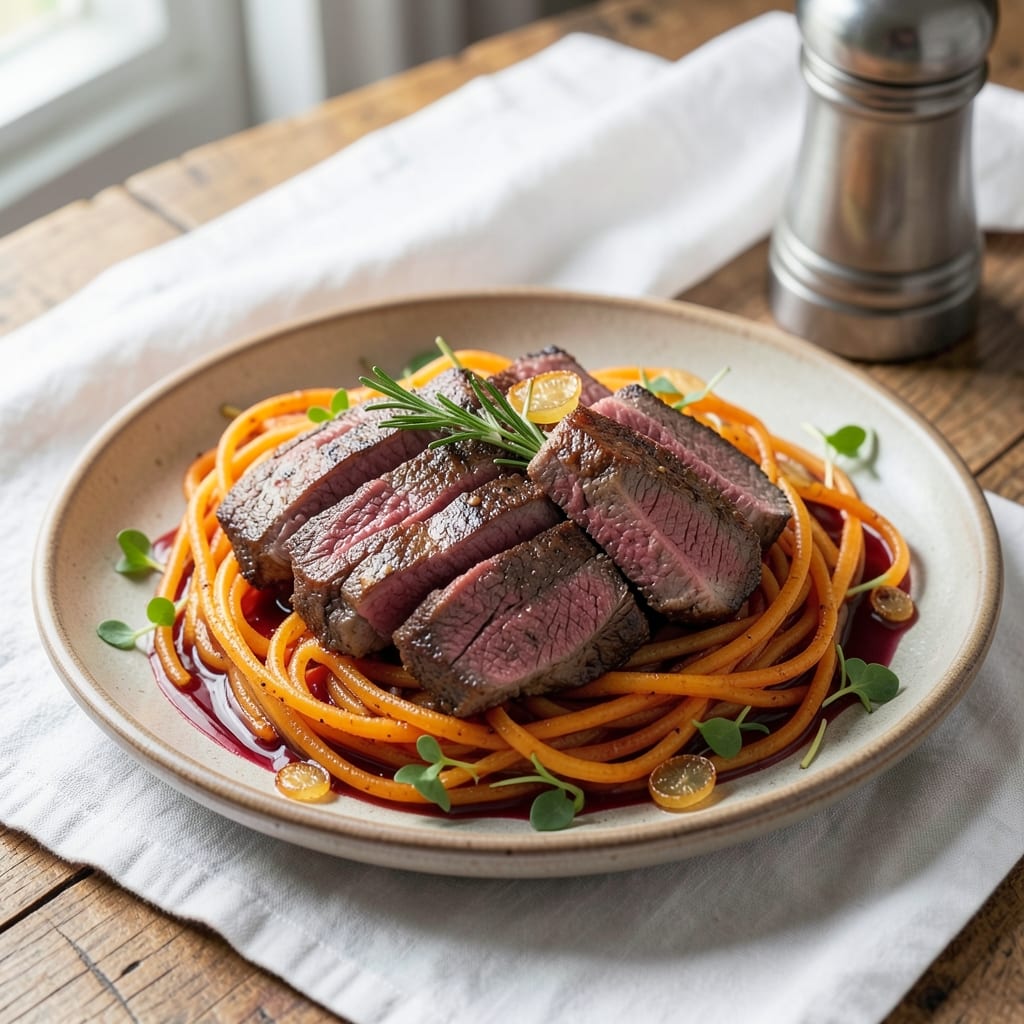
This beef and spaghetti squash recipe transforms a simple weeknight dinner into a hearty, restaurant-worthy meal with minimal effort. The secret lies in perfectly seared beef strips that stay tender while the spaghetti squash roasts into tender, noodle-like strands—no peeling required. What makes this dish truly special is how the rich, savory beef complements the natural sweetness of the squash, creating a balance that feels both comforting and elegant.
Begin by roasting the spaghetti squash until its flesh separates into delicate strands, then sear the beef in a hot pan to lock in juices and develop a caramelized crust. The combination of garlic, herbs, and a touch of red wine in the sauce elevates the flavors without overwhelming the dish. This recipe delivers a complete meal in one pan, making cleanup effortless while ensuring every bite is packed with depth.
When served warm, the tender beef rests atop the golden squash strands, creating a visually striking dish that’s just as impressive as it is delicious. The sauce ties everything together, adding richness and a hint of acidity that cuts through the richness of the beef. Whether you're feeding a family or treating yourself to a special meal, this recipe delivers restaurant-quality results with simple techniques.
Pair with a simple arugula salad or crusty bread to soak up any remaining sauce, and you’ve got a well-rounded dinner that’s both satisfying and nutritious. The best part? This dish comes together in under an hour, making it perfect for busy weeknights without sacrificing flavor or presentation.
Ingredients for beef and spaghetti squash
The perfect balance of tender beef and sweet spaghetti squash strands—simple ingredients, restaurant-quality results.
| Ingredient | Amount | Notes |
|---|---|---|
| Spaghetti Squash 🍠 | 1 whole | Medium-sized, halved lengthwise |
| Ribeye Steak 🥩 | 1 lb | Thinly sliced against grain |
| Garlic Cloves 🧄 | 4 cloves | Minced for sauce |
| Shallots 🧅 | 2 whole | Finely chopped |
| Red Wine 🍷 | ½ cup | Dry variety like Cabernet |
| Beef Broth 💧 | ½ cup | Low-sodium preferred |
| Tomato Paste 🍅 | 2 tbsp | Smooth, no sugar added |
| Fresh Thyme 🌿 | ¼ cup | Leaves only, chopped |
| Fresh Rosemary 🌿 | ¼ cup | Needles chopped |
| Olive Oil 🫒 | ¼ cup | Extra-virgin for richness |
| Salt 🧂 | 1 ½ tsp | Diamond Crystal preferred |
| Black Pepper 🌶️ | 1 tsp | Freshly ground |
| Balsamic Vinegar 🍶 | 1 tbsp | For finishing |
| Parmesan Cheese 🧀 | ¼ cup | Freshly grated |
The spaghetti squash is your canvas here. Medium-sized works best—smaller ones overcook, larger ones under-roast. Look for firm, heavy squash with no soft spots. Costco or Trader Joe's usually carry perfect ones year-round. Halve it lengthwise before roasting to ensure even cooking. The ribeye matters too—thinly slicing it against the grain guarantees tender bites. Butcher shops often have pre-sliced options if you're short on time, but slicing yourself gives you perfect control over thickness.
No red wine? Beef broth with a splash of balsamic keeps the depth of flavor. Fresh thyme and rosemary can be swapped for dried at one-third the amount, but fresh has that restaurant-quality punch. The tomato paste is non-negotiable—no-sugar-added versions prevent a sweet aftertaste. Olive oil quality matters here: California extra-virgin brands like Corto or Bertolli elevate the dish. For the beef, sirloin works in a pinch, but ribeye's marbling gives that rich, caramelized crust when seared. Prefer a sweeter squash? Roast it slightly longer until the strands are more golden.
Roasted squash keeps 3-4 days in the fridge—reheat gently in the microwave with a splash of water. The beef sauce freezes beautifully for up to 3 months—portion into ice cube trays for perfect single servings. For make-ahead meals, roast the squash and slice the beef a day ahead, then reheat everything together. The dish reheats best when warmed through in a skillet with a little extra olive oil—revives that restaurant-fresh texture. Store the Parmesan in its original packaging with a slice of bread to absorb moisture—keeps for weeks.
Why You'll Love This Recipe
- I swear by this trick: roast the squash and sear the steak on the same tray. No extra pots, no messy cleanup—just slide everything into the oven, walk away, and come back to actual dinner. (Yes, even on a Tuesday night.)
- One-Pan Magic: I swear by this trick: roast the squash and sear the steak on the same tray. No extra pots, no messy cleanup—just slide everything into the oven, walk away, and come back to actual dinner. (Yes, even on a Tuesday night.)
- Wine-Infused Richness: That red wine reduction clinging to the ribeye? It’s not just fancy—it’s deep. The shallots caramelize into sweet little pockets while the garlic sizzles, turning this into something that tastes like a restaurant’s steakhouse special, not a weeknight shortcut.
- Steakhouse at Home: Between us, this is my go-to for date nights or when my in-laws ask what’s for dinner. The squash’s natural strands mimic pasta, but the beef’s buttery, wine-kissed crust makes it feel like a splurge. (Spoiler: it’s not.)
Step-by-step instructions for beef and spaghetti squash
Here's the method for creating rich, savory beef over tender spaghetti squash strands.
🔥 Step 1: Roast the Spaghetti Squash Until Tender
Preheat your oven to 400°F. Place the halved spaghetti squash cut-side down on a parchment-lined baking sheet. Drizzle the cut sides with 1 tablespoon of the olive oil and sprinkle with ½ teaspoon of the salt. Roast for 35-40 minutes until the flesh is easily pierced with a fork and the edges are golden brown.
Here's the thing—I like to check for doneness by gently pressing the squash with a fork. When it yields slightly and the strands pull away cleanly, it's ready. The squash should be tender but not mushy. Once done, carefully remove it from the oven and let it rest for 5 minutes before scraping out the strands with a fork. You'll want to work quickly to prevent the strands from sticking together.
🍳 Step 2: Sear the Ribeye Steak to Perfect Medium-Rare
While the squash roasts, heat 1 tablespoon of the olive oil in a large skillet over high heat until shimmering. Season the ribeye steak generously with 1 teaspoon of the salt and ½ teaspoon of the black pepper on both sides. Add the steak to the pan and sear for 2-3 minutes per side for medium-rare, until it develops a deep brown crust.
Don't walk away during this step. You'll know it's ready when it releases easily from the pan and reaches an internal temperature of 130-135°F at its thickest point. Transfer the steak to a cutting board, tent loosely with foil, and let it rest for 5-7 minutes before slicing. This resting period allows the juices to redistribute, ensuring each slice remains juicy and flavorful.
👨🍳 Step 3: Build the Rich Red Wine Sauce
In the same skillet (no need to clean it—the browned bits add flavor), reduce the heat to medium and add 1 tablespoon of the olive oil. Add the finely chopped shallots and cook for 3-4 minutes until softened and translucent. Stir in the minced garlic cloves and cook for 30 seconds until fragrant, being careful not to let it brown.
Pour in the 0.5 cup of red wine and scrape up any browned bits from the bottom of the pan. Let the wine simmer for 3-4 minutes until reduced by half. Stir in the 0.5 cup of beef broth, 2 tablespoons of tomato paste, 0.25 cup of chopped fresh thyme, and 0.25 cup of chopped fresh rosemary. Simmer for 5-6 minutes until the sauce has thickened slightly and the flavors have melded together.
🥘 Step 4: Assemble and Finish the Dish
Slice the rested ribeye steak thinly against the grain into ¼-inch thick strips. In a large serving bowl, combine the scraped spaghetti squash strands with the steak slices. Pour the red wine sauce over the top and toss gently to coat everything evenly. The strands should absorb the sauce beautifully, creating a harmonious blend of flavors.
Finish with a drizzle of the 1 tablespoon of balsamic vinegar and the 0.25 cup of freshly grated parmesan cheese. Taste and adjust the seasoning with additional salt and pepper if needed. Serve immediately while the squash is still warm and the sauce is rich and vibrant. The combination of tender squash strands, perfectly seared beef, and robust red wine sauce creates a dish that's both elegant and satisfying.
Pro Tips For Making Beef And Spaghetti Squash
- Roast Squash Cut-Side Down: Cut the spaghetti squash in half lengthwise, then scoop out the seeds—but leave the cut sides flat on the baking sheet. This keeps the flesh from collapsing into a mushy mess while roasting, so you end up with those perfect, noodle-like strands instead of a sad, waterlogged pile.
- Sear Steak in Batches: A crowded pan steals heat, and ribeye turns out greasy instead of crusty. Cook the steaks in a single layer over high heat—no overlapping—and resist the urge to move them until they’ve released a deep golden crust. If your pan’s too small, work in two batches. Trust me, the wait is worth it.
- Deglaze with Wine Early: Don’t let those shallot and garlic bits burn while you’re searing the steak. After the meat’s out of the pan, immediately pour in the red wine and scrape up every last bit of fond. That browned goodness is where the flavor lives, and skipping it means a dish that tastes more like boiled beef than anything else.
- Rest Squash Before Scraping: I used to rush this and end up with a pile of squash gnocchi instead of delicate strands. Let the roasted squash cool for 5 minutes under foil—just until it’s warm to the touch—before scraping with a fork. The strands will hold together better, and you’ll avoid a mushy, gluey disaster. (Yes, even if you’re impatient like me.)
Storing and reheating this recipe
Refrigerator Storage
Store the roasted spaghetti squash in an airtight container with a paper towel pressed on top to absorb excess moisture. It keeps well for 3-4 days in the fridge, but I recommend reheating within 2 days for best texture. The beef strips can be stored separately in the same container, but I find they reheat better when combined with the squash strands. 🥗
For the red wine sauce, let it cool completely before transferring to a glass jar with a tight-sealing lid. It’ll last 3-4 days in the fridge, though the flavors deepen after the first day. I like to reheat it separately and toss it with the squash and beef just before serving.
Freezer Prep
Roasted spaghetti squash freezes beautifully for up to 3 months if you blanch it first. After scraping the strands, spread them on a tray to freeze solid, then transfer to a freezer bag. Thaw overnight in the fridge before reheating. The beef strips can be frozen raw in a single layer before bagging, then cooked from frozen in the sauce. 🧊
For the sauce, freeze it in ice cube trays—just pop out what you need and reheat. I’ve found that freezing the sauce separately preserves its texture better than freezing the entire dish together. Label everything with dates to track freshness.
Reheating Methods
My favorite way to reheat this dish is in a skillet over medium-low heat with a splash of olive oil and beef broth. Stir gently until everything is warmed through—about 5-7 minutes. This method revives the crispiness of the squash strands and keeps the beef tender. 🔥
For microwave reheating, cover the dish with a damp paper towel and heat in 1-minute intervals on 50% power. Stir between intervals to distribute heat evenly. Add a splash of water if the strands look dry. I avoid microwaving the beef alone—it always turns out tough.
Make-Ahead Tips
Prep the squash and beef a day ahead if you’re short on time. Roast the squash, slice the beef, and store both components separately in the fridge. When ready to serve, simply reheat everything together in the sauce. This shortcut saves 30 minutes of active cooking time. ⏰
For meal prep, divide the dish into portion-sized containers with the sauce on top. When reheating, microwave or stovetop methods work equally well. I’ve even taken this dish to picnics—just pack the components separately and assemble when you arrive.
Nutrition facts
Frequently asked questions
Can I substitute sirloin for ribeye in this recipe?
Yes, sirloin works perfectly—just slice it ¼-inch thick against the grain to ensure tenderness. Ribeye's fat content gives it extra richness, but sirloin stays juicy when seared properly. For best results, pat it dry before cooking to get that perfect crust.
How do I know when the spaghetti squash is done roasting?
The squash is ready when it yields slightly to gentle pressure and the edges are golden brown. Test with a fork—strands should pull away cleanly. Overcooking turns them mushy, so aim for 35-40 minutes at 400°F. If it's not done, return it to the oven for 5-10 minutes more.
What if I don't have red wine for the sauce?
No problem! Replace it with ½ cup beef broth + 1 tbsp balsamic vinegar for depth. The key is the tomato paste and herbs—they carry the umami. For extra richness, add 1 tsp soy sauce or a pinch of smoked paprika. The sauce will still taste complex!
Can I make this dish ahead of time?
Roast the squash and slice the beef 1 day ahead, then store separately. Reheat everything together in the sauce—stovetop works best. The flavors actually improve overnight. For freezing, portion the sauce in ice cube trays and store the squash/beef separately for up to 3 months.
Why does my beef turn out tough when reheating?
Microwaving beef alone dries it out. Always reheat it with the squash strands and sauce in a skillet over low heat with a splash of broth. The moisture keeps it tender. For extra insurance, slice the beef thinner (¼-inch max) and avoid high heat—it's about gentle warmth, not speed.