
Soups & Stews
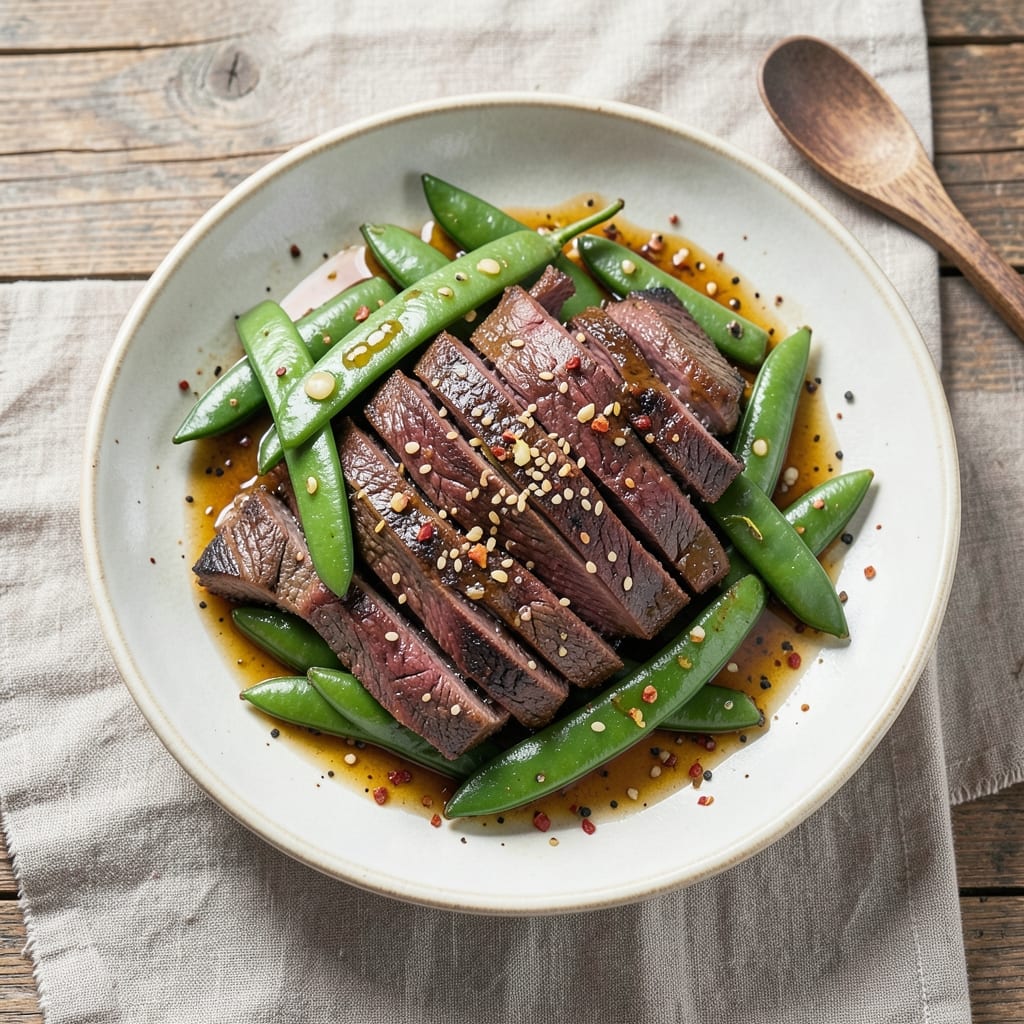
This beef and snap peas recipe delivers the perfect balance of wok-hei crispy beef and bright, crunchy snap peas—a dish that transforms a simple weeknight meal into something restaurant-worthy. The secret lies in high-heat searing for the beef, which creates a caramelized crust while keeping the interior tender, paired with snap peas that stay vibrant and crisp. I developed this recipe after years of perfecting stir-fry techniques, ensuring every bite delivers that satisfying contrast of textures and flavors.
The beauty of this dish is its versatility—it works as a quick weeknight dinner or as an impressive dish for special occasions. The beef is marinated in a simple yet flavorful blend of soy sauce, garlic, and ginger, while the snap peas are quickly sautéed to maintain their natural crunch. The result is a dish that’s both restaurant-quality and foolproof, with minimal prep and active cooking time. This recipe also scales effortlessly, making it ideal for feeding a crowd or meal prepping for the week.
By the time you’re done, you’ll have perfectly crispy beef strips with a glossy sheen and snap peas that retain their bright green color and satisfying crunch. The aroma alone—smoky, savory, and slightly sweet—will have everyone at the table anticipating the first bite. The dish is best served over steamed rice or noodles, with optional garnishes like sesame seeds or fresh herbs to elevate the presentation.
What sets this recipe apart is the balance of technique and simplicity. No fancy ingredients or complicated steps are required—just a hot wok or skillet, proper timing, and attention to heat control. Whether you're a seasoned home cook or just starting out, this dish will become a staple in your rotation. Let’s get cooking!
Ingredients for beef and snap peas
Restaurant-worthy crispy beef and vibrant snap peas—just 14 ingredients for a weeknight masterpiece.
| Ingredient | Amount | Notes |
|---|---|---|
| Flank Steak 🥩 | 1 lb | Thinly sliced against grain |
| Snap Peas 🌿 | 2 cups | Fresh or frozen, trimmed |
| Low-Sodium Soy Sauce 🥄 | ⅓ cup | For marinade and sauce |
| Garlic Cloves 🧄 | 6 cloves | Minced, fresh preferred |
| Fresh Ginger 🌿 | 1 tbsp | Grated, peeled |
| Sesame Oil 🫒 | 1 tbsp | Toasted, for aroma |
| Neutral Oil 🫒 | 2 tbsp | Avocado or vegetable oil |
| Cornstarch 🌾 | 1 tbsp | For tenderizing beef |
| Honey 🍯 | 1 tbsp | For glaze, optional |
| Green Onions 🧅 | 3 whole | Sliced, for garnish |
| Toasted Sesame Seeds 🌾 | 1 tsp | For garnish |
| White Pepper 🌶️ | ½ tsp | Freshly ground |
| Diamond Crystal Kosher Salt 🧂 | ½ tsp | For seasoning |
| Jasmine Rice 🍚 | 1 ½ cups | Uncooked, for serving |
The flank steak is non-negotiable for this dish—its lean yet tender texture becomes perfectly crispy when sliced thinly against the grain. Ask your butcher to slice it if you're unsure, or do it yourself with a sharp knife. For the best flavor, source from a trusted supplier like Whole Foods or your local butcher shop where they can recommend well-marbled cuts. The snap peas should be bright green and crisp; Trader Joe's often carries the best pre-trimmed frozen variety, which works just as well as fresh. Avoid wilted or yellowing peas—they'll turn mushy during cooking.
No low-sodium soy sauce? Regular soy sauce with half the amount of salt works, but reduce the kosher salt in the recipe by half to balance flavors. Substituting garlic? Garlic powder at one-third the amount is fine, but fresh is ideal for that aromatic punch. If sesame oil isn't available, toasted peanut oil adds a similar nutty depth. For the cornstarch, don't skip it—it's what creates that signature wok-hei texture. The honey glaze is optional but recommended; if you're avoiding sugar, maple syrup at a 1:1 ratio delivers a similar caramelized finish. Green onions can be swapped for scallions or chives, but the mild onion flavor pairs perfectly with the dish's bold profile.
This recipe reheats beautifully—simply stir-fry again with a splash of water or soy sauce to restore moisture. Store leftovers in an airtight container for up to 3 days in the fridge, or freeze for 2 months in a sealed bag. For meal prep, cook the beef and snap peas separately, then combine when ready to serve. The jasmine rice should be cooked ahead and kept warm in a rice cooker; steamed basmati works too, but jasmine's floral notes complement the dish beautifully. Garnish with sesame seeds just before serving—they add crunch and visual appeal that elevates the restaurant-quality presentation.
Why You'll Love This Recipe
- One-Pan Magic: I swear by this recipe when I’m too tired to wash a million dishes. The flank steak and snap peas hit the same pan—no extra pots, no fuss—just sear, stir, and simmer. Honestly, the only cleanup is wiping the counter after one spatula.
- Umami Bomb: That low-sodium soy sauce and fresh ginger? Chef’s kiss. The snap peas stay crisp while the beef gets this perfect char, and the sauce clings like it’s been marinating for hours. Between us, it’s the kind of flavor that makes you pause mid-bite.
- Lunchbox Hero: I double the batch every Sunday because it’s ridiculously good cold. Pack the leftovers for work—flank steak holds up like a champ, and the snap peas? Still snappy. My coworkers think I’m a meal-prep genius. (Spoiler: I’m not. It’s just this recipe.)
- Budget Power Move: Flank steak stretches far, and snap peas are cheaper than their fancier green bean cousins. I feed four people for under $15, and we’re all happy. Plus, the leftovers taste just as good reheated—no sad, dry meat here.
Step-by-step instructions for wok-hei crispy beef with bright snap peas
Master this technique and you'll achieve restaurant-quality wok-hei—smoky, crispy beef with vibrant snap peas.
Tenderize and Marinate the Flank Steak
Place the 1 lb flank steak between two sheets of plastic wrap and pound it to an even ¼-inch thickness using a meat mallet. This ensures even cooking and maximum tenderness. Cut against the grain into ¼-inch thick slices, then transfer to a bowl.
In a small bowl, whisk together 0.33 cup low-sodium soy sauce, 1 tbsp cornstarch, 1 tbsp honey, 1 tbsp sesame oil, 0.5 tsp white pepper, and 0.5 tsp Diamond Crystal kosher salt. Pour this marinade over the sliced steak and toss to coat evenly. Let it marinate for at least 20 minutes—this tenderizes the meat and builds flavor. I like to marinate for up to 1 hour if time allows, as the cornstarch begins breaking down the muscle fibers.
Prepare the Snap Peas and Aromatics
Trim the ends from the 2 cups snap peas if using fresh, or thaw frozen peas completely. Blanch fresh peas in boiling water for 1 minute, then immediately plunge into ice water to shock. This preserves their bright green color and crisp texture. Drain well and set aside.
While the peas cool, prepare the aromatics: Mince the 6 cloves garlic cloves and grate the 1 tbsp fresh ginger, peeling the skin first. Slice the 3 whole green onions into ¼-inch pieces, reserving the tops for garnish. These aromatics form the flavor base for the wok-hei technique, so don't skip the fresh ginger—it adds depth that powdered can't match.
Cook the Jasmine Rice
Rinse the 1.5 cups jasmine rice under cold water until the water runs clear, then drain. Cook the rice according to package instructions—typically a 1:1.5 rice-to-water ratio simmered for 15 minutes after boiling. Fluff with a fork and keep warm covered. Perfectly cooked rice should be tender but still have a slight bite. This forms the neutral canvas that lets the beef and snap peas shine.
While the rice cooks, heat a wok or large skillet over high heat until smoking. Add 2 tbsp neutral oil and swirl to coat the surface. The oil should shimmer but not smoke excessively—this is your signal the pan is ready. If you're using a non-stick pan, reduce heat slightly to medium-high to prevent warping.
Achieve Wok-Hei Crispy Beef
Working in batches if needed, add half the marinated beef to the hot wok. Stir-fry for 1-2 minutes until the edges become deep golden brown and crispy. This is where the wok-hei magic happens—the high heat creates that characteristic smoky aroma and crisp texture. Don't overcrowd the pan, or the beef will steam instead of sear.
Remove the beef to a plate and repeat with the remaining beef. Then, add 1 tbsp neutral oil to the wok and stir-fry the blanched snap peas for 1-2 minutes until they're bright green and just tender-crisp. Add the minced garlic and ginger, cooking for 30 seconds until fragrant. Pour in any accumulated juices from the beef, scraping up the browned bits from the bottom of the pan—this adds umami depth to the dish.
Combine and Finish
Return the beef to the wok and toss everything together for 1 minute to combine. The residual heat will finish cooking the beef while keeping it tender. Taste and adjust seasoning if needed—you might need a splash more soy sauce for balance. Garnish with sliced green onions and 1 tsp toasted sesame seeds for texture and aroma.
Serve immediately over the cooked jasmine rice. The beef should be crispy on the edges with a tender center, while the snap peas maintain their bright green color and crunch. Each bite should deliver that smoky wok-hei flavor with a perfect balance of sweet, salty, and umami notes. For best results, serve while the beef is still crispy—it softens quickly as it cools.
Pro Tips For Making Beef And Snap Peas
- SEAR THE STEAK HOT: Throw that flank steak in a screaming-hot pan with just a drizzle of oil—no crowding. I learned this the hard way after walking away too soon and ending up with gray, chewy meat instead of a caramelized crust. Two minutes per side max, then pull it out while it’s still fighting you.
- SLICE STEAK AGAINST THE GRAIN: Flank steak’s muscle fibers run diagonally, so cutting perpendicular to the grain turns each bite into tender, fork-friendly strips. If you’re unsure which way is "against," look for the natural grain lines—slice at a 45-degree angle to them. (Yes, even if you’re impatient like me.)
- BLANCH THE SNAP PEAS: Toss snap peas in boiling water for 30 seconds before stir-frying—this keeps them bright green and crisp. I used to skip this step and ended up with sad, limp peas that disappeared into the sauce. A quick ice bath afterward stops the cooking, so they stay snappy.
- USE GINGER JUICE, NOT PASTE: Fresh ginger’s zest and sharpness shine when you grate it fine and squeeze out the liquid—about 1 teaspoon of juice from a 1-inch knob. Paste is convenient, but it’s watery and dulls the flavor. (Your future self will notice the difference.)
Pro cooking tips for this dish
Wok-Hei Heat Control
The key to crispy beef is achieving wok-hei, that smoky, charred flavor from ultra-high heat. Start by heating your wok or skillet over high heat for 5 minutes until it’s smoking—this preheats the pan to 500°F+. Use a carbon steel wok like Made In wok for best results, but a heavy stainless steel skillet works too. If your pan isn’t hot enough, the beef will steam instead of sear. Test readiness by flicking a drop of water—it should sizzle instantly. 🔥
Batch Cooking Beef
Never overcrowd the pan—cook the beef in two batches to maintain high heat. Use ½ the beef per batch and spread it evenly in a single layer. Stir-fry for 1-2 minutes until the edges are deep golden brown and crispy. If you rush this step, the beef will turn tough. Let the beef rest on a plate while you cook the snap peas—the residual heat keeps it warm without overcooking. 💡
Blanching Snap Peas
Fresh snap peas need a 1-minute blanch in boiling water followed by an ice bath to lock in their vibrant green color and crisp texture. Skip this step with frozen peas, but don’t overcook them—1-2 minutes in the wok is all they need. Overcooking turns them mushy, which defeats the purpose of their bright, crunchy contrast to the beef. 🌿
Cornstarch Magic
The 1 tbsp cornstarch in the marinade isn’t just for thickening—it tenderizes the beef by breaking down muscle fibers during marinating. Don’t substitute with flour; cornstarch creates a glossy, crispy crust when seared. For extra tenderness, marinate the beef for at least 20 minutes (up to 1 hour). This step is non-negotiable for that signature wok-hei texture. ✨
Residual Heat Finish
After cooking the beef and snap peas separately, return the beef to the wok to reheat for 1 minute—this ensures it stays crispy while combining flavors. The residual heat from the pan finishes cooking the beef without overcooking it. Taste and adjust seasoning with a splash of low-sodium soy sauce if needed. Garnish with sesame seeds right before serving for maximum crunch. 💫
Nutrition facts
Frequently asked questions
Can I substitute flank steak with another cut of beef?
Yes, but choose lean cuts that slice thinly against the grain. Sirloin or ribeye work well, but avoid fatty cuts like ribeye that won't achieve the same crispy texture. For best results, pound the meat to ¼-inch thickness regardless of cut. Flank steak remains ideal due to its lean texture and natural tenderness.
How do I keep the snap peas bright green and crisp?
Blanching fresh peas in boiling water for 1 minute followed by an ice bath preserves their color and crunch. For frozen peas, skip blanching but cook them for only 1-2 minutes in the wok. Overcooking turns them mushy—aim for tender-crisp texture. Add them to the wok just before combining with the beef to maintain freshness.
What's the best way to reheat leftovers?
Reheat in a wok or skillet over medium-high heat with 1 tsp neutral oil and 1 tbsp water for 2-3 minutes. The residual moisture prevents drying while the oil restores crispiness. Avoid microwaving—it makes the beef rubbery. Store leftovers in an airtight container for up to 3 days or freeze for 2 months.
Can I make this dish in a regular skillet?
While a wok is ideal, a heavy stainless steel or cast iron skillet works perfectly. Preheat it over high heat for 5 minutes until smoking to achieve wok-hei. Avoid non-stick pans—they can't maintain the required high heat for proper searing. Use 2 tbsp oil total (1 tbsp per batch) to prevent sticking.
Why is my beef tough instead of tender?
Overcooking or skipping the marinade are the most common causes. Sear beef for only 1-2 minutes per batch and marinate for at least 20 minutes (the cornstarch tenderizes). Also, ensure you slice against the grain—this cuts through muscle fibers for maximum tenderness. If using a thicker cut, reduce cooking time slightly.