
Soups & Stews
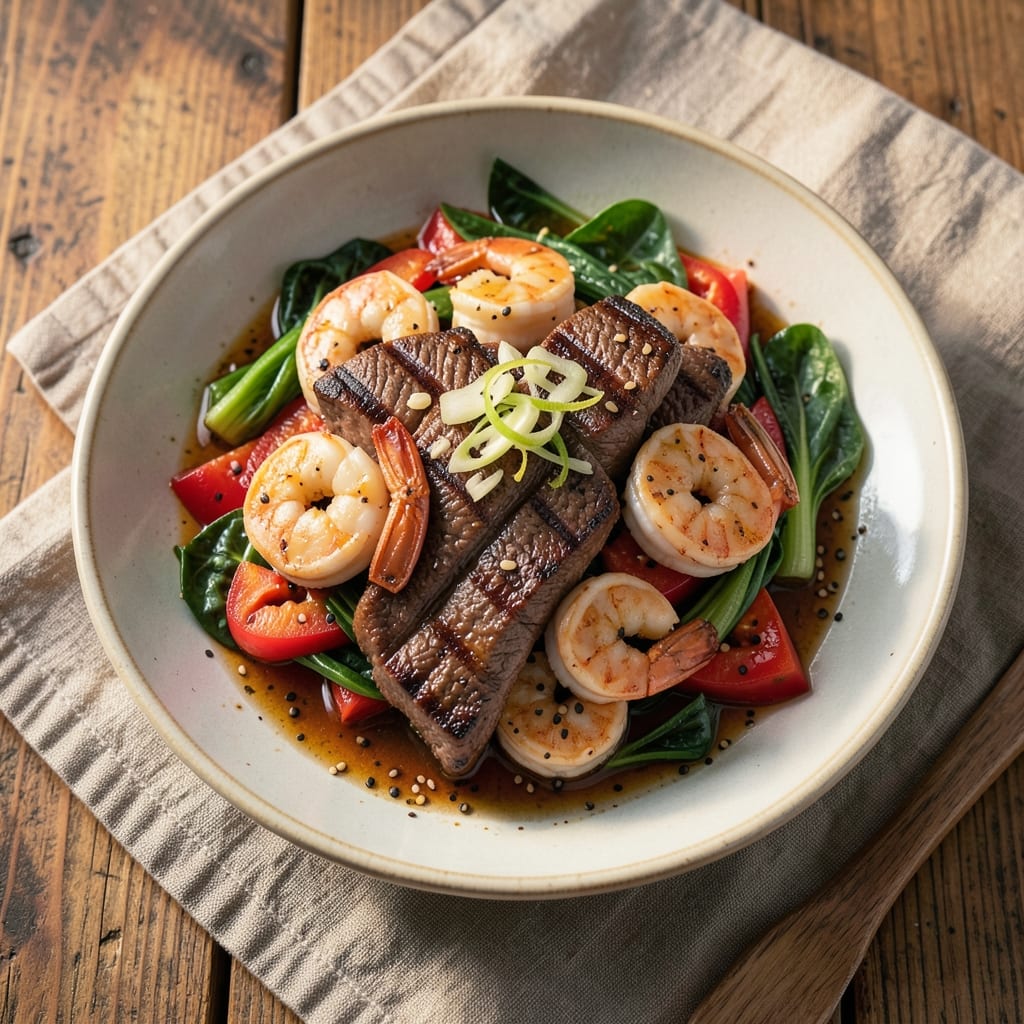
This beef and shrimp recipe delivers bold flavors in a one-pot wonder that balances rich beef with delicate shrimp. The secret lies in marinating the beef with soy and garlic while keeping the shrimp fresh until the final moment—creating layers of umami and spicy tang that harmonize perfectly. Whether you're feeding a crowd or treating yourself to a restaurant-quality meal, this dish comes together in under 45 minutes with minimal cleanup.
The beef develops deep, caramelized edges from a quick sear, while the shrimp stay tender and sweet by joining just as the sauce reaches its peak. A touch of chili paste adds heat, but the sweetness of honey and tang of rice vinegar keeps everything balanced. The one-pot method ensures every bite is infused with the same rich, aromatic sauce—no separate pans, no missed flavors.
What you’ll end up with is a dish that’s restaurant-worthy but simple enough for weeknight dinners: tender beef slices, plump shrimp, and a glossy sauce that clings to every bite. Serve it over steamed jasmine rice to soak up every last drop, or pair with crusty bread for dipping. The aroma alone will have everyone at the table asking for seconds.
This recipe works equally well as a main course or part of a larger spread—scale it up for parties or halve it for a cozy meal. The key is patience with the beef marinade and timing the shrimp perfectly, but once you master it, you’ll never go back to separate proteins. Let’s make this one-pot masterpiece.
Ingredients for beef and shrimp
Bold flavors start with just 14 ingredients—no shortcuts, no compromises.
| Ingredient | Amount | Notes |
|---|---|---|
| Flank Steak 🥩 | 1 ¼ lb | Thinly sliced against grain |
| Large Shrimp 🦐 | 1 lb | Peeled, deveined, tails on |
| Low Sodium Soy Sauce 🍶 | ⅓ cup | Kikkoman preferred for depth |
| Sesame Oil 🫒 | 1 tbsp | Toasted for aroma |
| Garlic Cloves 🧄 | 6 cloves | Minced, fresh preferred |
| Fresh Ginger 🌿 | 2 tbsp | Finely grated, peeled |
| Red Chili Paste 🌶️ | 1 tbsp | Maesri or similar |
| Honey 🍯 | 1 ½ tbsp | Wildflower preferred |
| Rice Vinegar 🍶 | ¼ cup | Seasoned preferred |
| Vegetable Oil 🫒 | 2 tbsp | High smoke point |
| Green Onions 🧅 | ¼ cup | Sliced, white and green |
| Kosher Salt 🧂 | 1 ½ tsp | Diamond Crystal preferred |
| Black Pepper 🌶️ | ½ tsp | Freshly cracked |
| Jasmine Rice 🍚 | 1 ½ cups | Uncooked, long grain |
The flank steak is your workhorse here—look for well-marbled cuts at the meat counter, not the pre-sliced packages. Costco or Whole Foods have the best quality, but your local butcher will know exactly what to grab. Shrimp size matters too: 16-20 count per pound gives you that perfect plumpness. If you can't find fresh ginger, substitute with 1 tbsp ground ginger, but trust me, fresh makes all the difference. The red chili paste? Maesri from Thai markets is the gold standard, but any good-quality paste will work—just taste it first. That's the secret to balancing the heat.
No low-sodium soy sauce? Regular soy sauce plus half the salt works, but you'll need to taste as you go. Sesame oil giving you sticker shock? Toast it in a dry pan first—it intensifies the aroma without needing much. The honey should be wildflower or clover for that floral depth, but any liquid honey will do. Rice vinegar? Seasoned vinegar adds a touch of saltiness that cuts through the richness. Can't find jasmine rice? Basmati or even sushi rice will work, but jasmine has that signature floral note. And if you're feeling fancy, swap the green onions for scallions—same thing, different name.
This sauce gets better the next day, so make extra if you're feeding a crowd. Store leftovers in airtight containers for 3-4 days in the fridge, or freeze for 3 months—the flavors only deepen over time. The rice? Cook it ahead and reheat with a splash of water if needed. And if you're prepping for a party, marinate the beef overnight—it makes all the difference. Just don't add the shrimp to the marinade until you're ready to cook, or they'll turn rubbery.
Why You'll Love This Recipe
- One-Pan Magic: I swear by this—just toss everything on a single sheet pan, flip once, and walk away. The flank steak and shrimp cook together while you chop veggies (or open a bottle of wine) because the sesame oil and garlic cloves work their flavor magic without babysitting.
- Umami Bomb: That low-sodium soy sauce? It’s the secret weapon here. The beef stays juicy with a deep, savory bite, while the shrimp soak up just enough to be addictive—not salty, not bland, but exactly right. Honestly, I’ve made this for people who "don’t like soy sauce," and they still ask for seconds.
- Weeknight to Dinner Party: Between us, this is my lazy night and my "impress the in-laws" dish. For weeknights, I serve it over rice with a quick stir-fry. For company, I plate it with a drizzle of sesame oil and steamed bok choy—same effort, totally different vibe. The flank steak holds up beautifully, so no stress if your guests linger.
- Leftovers That Don’t Suck: Most beef-and-shrimp dishes turn into sad, dry meals the next day. Not this one. The garlic and soy sauce keep everything tender, so I meal-prep it all the time—just reheat with a splash of water, and it’s like it was just made. Even my picky teenage son grabs it from the fridge. (Yes, even on a Tuesday night.)
Step-by-step instructions for spicy-tangy beef and shrimp one-pot
This dish comes together in one pan—minimal cleanup, maximum flavor.
Prepare the Flank Steak and Marinade Base
Slice the 1.25 lb flank steak thinly against the grain into ¼-inch strips. I like to work quickly here—thin slices ensure tender bites. In a large bowl, combine the 0.33 cup low sodium soy sauce, 1 tbsp sesame oil, 1 tbsp red chili paste, 1.5 tbsp honey, and 0.25 cup rice vinegar. Whisk until the honey dissolves completely—this creates the flavor foundation.
Add the sliced flank steak to the marinade and toss gently to coat evenly. Let it sit for 15 minutes while you prep the rest. This short marinade infuses the beef with just enough flavor without making it mushy. Don't skip this step—it makes all the difference in balancing the bold flavors later.
Cook the Jasmine Rice
Rinse the 1.5 cups jasmine rice under cold water until the water runs clear. This removes excess starch that can make the rice gummy. In a separate pot, combine the rinsed rice with 2.25 cups water (or follow your rice's package instructions for a 1:1.5 rice-to-water ratio). Bring to a boil, then reduce heat to low, cover, and simmer for 15 minutes. Let it steam off heat for 5 minutes before fluffing with a fork.
I always cook the rice first because it takes the longest. While it's simmering, you can prep the shrimp and aromatics without worrying about timing. The rice should be tender but still have a slight bite—this ensures it doesn't turn mushy when combined with the beef and shrimp later.
Sauté Aromatics and Cook the Shrimp
Heat 2 tablespoons vegetable oil in a large skillet or wok over medium-high heat until shimmering. Add the 6 cloves minced garlic and 2 tablespoons finely grated fresh ginger, cooking for 30 seconds until fragrant—this prevents the garlic from burning. Push the aromatics to one side and add the 1 lb large shrimp, cooking for 1-2 minutes per side until they turn pink and opaque.
Remove the shrimp with a slotted spoon and set aside. Here's where it gets good—leave those garlic and ginger bits in the pan. They're packed with flavor that will infuse into the beef. If the shrimp release easily from the pan without sticking, you're golden. If they stick, your oil wasn't hot enough—next time, wait until it's properly shimmering before adding them.
Cook the Beef and Combine Everything
Return the skillet to medium heat and add the marinated flank steak strips. Cook for 2-3 minutes, stirring occasionally, until the beef is no longer pink in the center. The marinade should be reduced and slightly thickened by now—this creates a glossy sauce that coats everything beautifully.
Add the cooked jasmine rice to the skillet and stir gently to combine. Pour in any remaining marinade from the bowl, then add the 0.25 cup sliced green onions, 1.5 teaspoons kosher salt, and 0.5 teaspoon black pepper. Toss everything together until the rice is evenly coated and heated through. The shrimp should warm through in just 1-2 minutes of this final toss.
Rest and Serve with Tangy Garnish
Remove from heat and let the one-pot sit covered for 5 minutes. This resting period allows all the flavors to meld together perfectly. The rice will absorb any remaining juices, and the shrimp will stay warm without overcooking. Give it a final taste and adjust seasoning if needed—sometimes the rice vinegar needs a touch more salt to balance the sweetness.
Serve immediately, garnished with extra green onions if you're feeling fancy. The dish should have a perfect balance of spicy, tangy, and umami flavors in every bite. The beef should be tender, the shrimp perfectly cooked, and the rice infused with all the amazing sauce. This one-pot wonder is ready to impress your dinner guests with minimal effort!
Pro Tips For Making Beef And Shrimp
- SEAR STEAK FIRST, SHRIMP LATER: Flank steak needs that deep crust, so hit it with high heat in a dry pan for 2-3 minutes per side before touching the shrimp. I used to add shrimp too early and ended up steaming them—now I sear the beef first, then toss in shrimp at the end for just 1-2 minutes. The steak stays juicy, and shrimp stay tender.
- PEEL SHRIMP LAST MINUTE: Those tails are for show, but shrimp lose moisture fast. Peel and devein them right before cooking, not hours ahead—even if it’s messy. I learned this after a batch turned rubbery because I prepped them too early. Keep them cold in a bowl of water with lemon juice until you’re ready to cook.
- DON’T OVERCROWD THE PAN: Shrimp release water when cooked, and a packed pan turns your stir-fry into soup. Cook them in batches if needed—2-3 minutes per side max. I once tried to rush it and ended up with soggy shrimp. Trust me, a little patience keeps them crisp and flavorful.
- MINCE GARLIC FINE, TOAST IT: Whole garlic cloves won’t infuse—smash them into a paste with a pinch of salt first. Then, toast in sesame oil for 30 seconds until fragrant. This isn’t just flavor; it’s the base that carries the soy sauce. Skipping this step means your dish tastes like it’s missing something.
Dietary considerations for this beef and shrimp
Gluten-Free Adaptations
This recipe is naturally gluten-free, thanks to the fresh ingredients and simple sauce base. The low-sodium soy sauce is key here—opt for certified gluten-free brands like Kikkoman Gluten-Free Tamari if you're sensitive. The rice vinegar and honey also add depth without gluten. Just double-check your red chili paste label, as some brands contain wheat. 💛
Shellfish Allergies
If shrimp allergies are a concern, this recipe can easily be adapted into a beef-only version. Skip the shrimp entirely and use the extra space in your skillet to add bell peppers and snap peas for a veggie-packed alternative. The beef marinade and sauce will still shine, offering rich umami without the seafood. For a different protein swap, try chicken thighs instead—they hold up well to the tangy sauce.
Dairy-Free Considerations
This dish is naturally dairy-free, but if you're serving it with sides, be mindful of hidden dairy in garnishes. Skip the butter when serving with bread, and opt for olive oil instead. The sesame oil in the marinade adds nutty depth without dairy, and the honey balances the spicy kick perfectly. For extra richness, drizzle with a touch of avocado oil instead of butter.
Low-Carb Options
To make this recipe low-carb, replace the jasmine rice with cauliflower rice—just cook it for 5-7 minutes until tender. The beef and shrimp will still star in the show, but the sauce will cling beautifully to the cauliflower. For extra flavor, stir in 1 tbsp toasted sesame seeds at the end. The dish stays satisfying while cutting carbs dramatically.
Spice Sensitivity
Adjust the heat level by reducing the red chili paste to ½ tbsp or omitting it entirely. The honey and rice vinegar already provide sweet and tangy balance, so the dish remains flavorful. For a milder kick, add ½ tsp sweet paprika instead—it adds warmth without heat. Taste as you go, and you’ll find the perfect balance for your crowd.
Protein Swaps
If you prefer to avoid beef, swap the flank steak for chicken thighs or pork tenderloin. Both hold up well to the marinade and cook quickly. For a vegetarian option, use extra-firm tofu pressed and sliced into strips—it absorbs the marinade beautifully. Just increase the cooking time by 2-3 minutes** to ensure it’s fully tender. 🌟
Nutrition facts
Frequently asked questions
Can I use frozen shrimp instead of fresh?
Thaw the shrimp overnight in the fridge before using. For best texture, pat them completely dry and season lightly with salt and pepper before cooking. Frozen shrimp work just as well in this recipe—they're already deveined and peeled, saving you prep time. Just avoid thawing at room temperature to prevent bacterial growth.
How do I prevent the beef from getting chewy?
Slice the flank steak thinly against the grain—this is critical for tenderness. Also, don't overcook it! The beef should reach 145°F internally (about 2-3 minutes in the pan). The quick marinade and high heat help keep it juicy. For extra insurance, let it rest 5 minutes before serving.
Can I make this recipe without rice?
Yes! Serve it over quinoa, cauliflower rice, or even zucchini noodles for a low-carb option. The sauce will still cling beautifully to any base. For a heartier meal, try it with roasted potatoes or crusty bread to soak up the flavors. The dish works as a filling bowl or plate on its own.
What's the best way to reheat leftovers?
Reheat gently in a skillet over medium-low heat with a splash of water or broth to prevent drying. Stir frequently and keep the temperature below 300°F to avoid overcooking the shrimp. The rice will absorb the extra liquid, keeping everything moist. Leftovers taste even better the next day!
How can I adjust the spice level?
Reduce the red chili paste to ½ tbsp for mild heat or omit it completely. For extra flavor without spice, add ½ tsp sweet paprika or 1 tsp fish sauce instead. Taste the sauce before adding shrimp—you can always adjust at the end. The honey and vinegar balance everything naturally.