
Soups & Stews
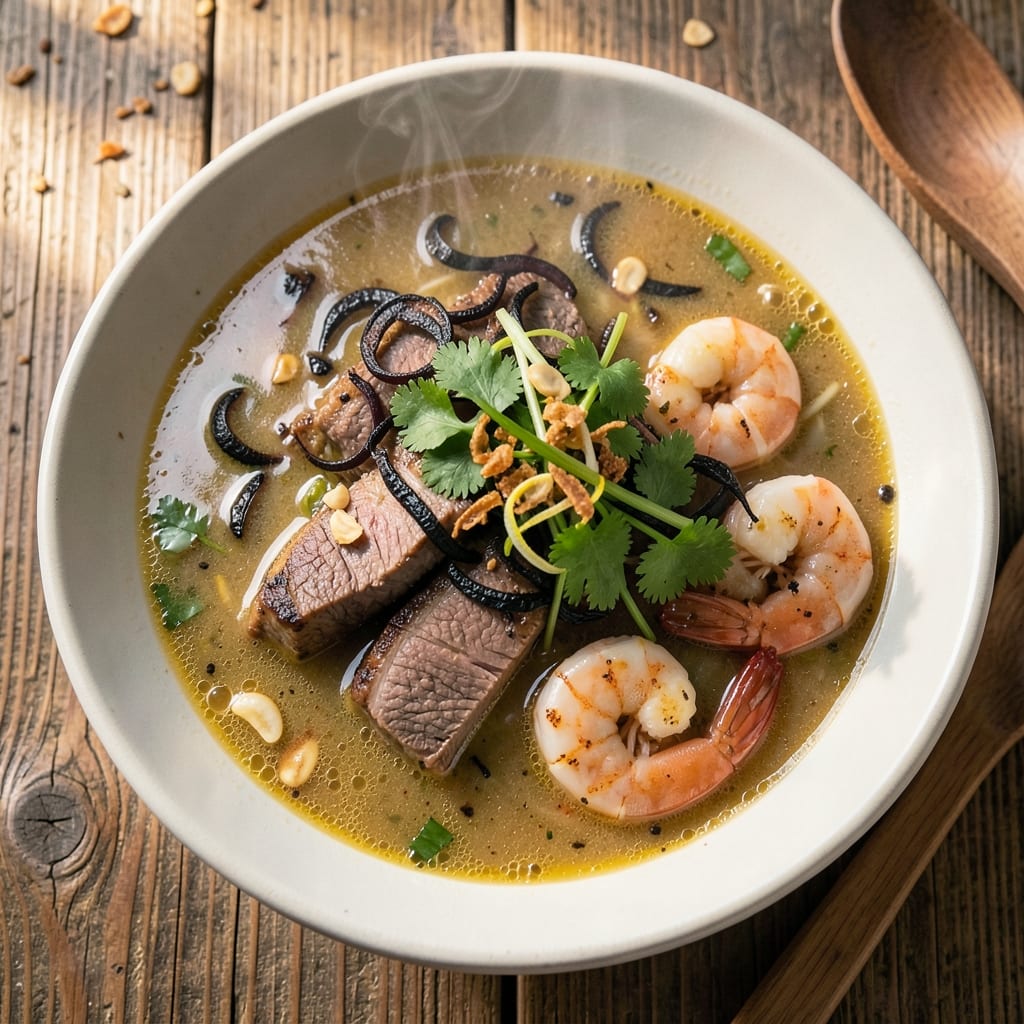
This beef and shrimp pho recipe delivers aromatic, restaurant-quality broth that simmers with star anise and cinnamon for hours. The secret lies in properly charring the aromatics and simmering the broth low and slow—transforming simple ingredients into a deeply flavorful foundation. I've refined this version to balance traditional techniques with modern shortcuts, ensuring you get authentic taste without spending all day in the kitchen.
What sets this recipe apart is the layered approach: a rich beef broth infused with spices, tender slices of beef and shrimp cooked separately for optimal texture, and rice noodles that soak up the fragrant broth perfectly. The garnishes—thinly sliced onions, fresh herbs, and lime—add brightness and freshness to every bowl. This version includes a pressure cooker adaptation for those short on time, but the traditional stovetop method yields the most complex flavors.
By the time you serve this pho, your kitchen will smell like a bustling Vietnamese street market, and each spoonful will deliver tender beef, sweet shrimp, and noodles swimming in that fragrant, spiced broth. The combination of textures—slippery noodles, tender meat, and crisp herbs—makes this more than just soup; it's a complete, satisfying meal. Perfect for a cozy weeknight dinner or a special occasion, this recipe serves 4-6 and can be easily doubled for a crowd.
For those looking to adapt this recipe, the beef can be replaced with mushrooms for a vegetarian version, while the shrimp adds a luxurious touch for pescatarians. The broth itself is versatile—use it as a base for other dishes or freeze for future meals. Let's get started on creating this fragrant, comforting bowl of pho.
Ingredients for beef and shrimp pho
Sixteen ingredients transform into a fragrant, restaurant-quality pho bowl with layers of aroma and texture.
| Ingredient | Amount | Notes |
|---|---|---|
| Beef Chuck Roast 🥩 | 2 lb | Thinly sliced against grain |
| Large Shrimp 🦐 | 1 ½ lb | Peeled, deveined, tail-on |
| Fresh Ginger Root 🧅 | 4 oz | Peeled, sliced into 1-inch pieces |
| Onions 🧅 | 2 whole | Yellow or white, halved lengthwise |
| Garlic Cloves 🧄 | 12 cloves | Whole, smashed lightly |
| Star Anise Pods 🌶️ | 4 whole | Whole, lightly crushed |
| Cinnamon Sticks 🌿 | 2 whole | 2-inch pieces |
| Cardamom Pods 🌿 | 6 whole | Lightly crushed |
| Cloves 🌶️ | 6 whole | Whole, lightly crushed |
| Coriander Seeds 🌿 | 2 tbsp | Toasted lightly |
| Fish Sauce 🍶 | 3 tbsp | Red Boat preferred |
| Soy Sauce 🍶 | 2 tbsp | Light or regular |
| Rice Vinegar 🍶 | 2 tbsp | White or seasoned |
| White Peppercorns 🌶️ | 1 tsp | Crushed |
| Black Peppercorns 🌶️ | 1 tsp | Crushed |
| Rice Noodles 🍜 | 12 oz | Flat, medium-width |
| Thai Basil Leaves 🌿 | ½ cup | Fresh, loosely packed |
| Cilantro Leaves 🌿 | ½ cup | Fresh, loosely packed |
| Lime Wedges 🍋 | 4 whole | Cut into 6 wedges each |
| Bean Sprouts 🌱 | 2 cups | Fresh, rinsed |
| Jalapeño 🌶️ | 1 whole | Thinly sliced, optional |
The spices are where the magic begins. Star anise, cinnamon, and cardamom need to be whole and high-quality—Penzeys or local Asian markets carry the best. Toast the whole spices lightly in a dry pan before adding to the broth to deepen their flavor. The beef should be chuck roast for tenderness, and slicing it against the grain is non-negotiable. For shrimp, large, 51/60 count from the seafood counter ensures they stay plump. Ginger and garlic should be fresh—no powdered substitutes here. The onions get charred for depth, so grab a couple of yellow or white from the grocery store's fresh produce section.
No star anise? Anise seeds work in a pinch, but the flavor won't be identical. Short on fish sauce? Soy sauce plus a splash of Worcestershire gets you close, though it lacks the umami punch. The coriander seeds can be skipped if you're in a hurry, but toasting them in a dry pan for 1-2 minutes brings out their nutty aroma. For the noodles, rice noodles labeled 'pho' are ideal, but any flat rice noodles work. If you can't find Thai basil, regular basil plus a pinch of cinnamon mimics the flavor. The lime wedges should be freshly cut—Mexican or Persian limes add extra zing.
Store the broth base in the fridge for up to 5 days or freeze it for 3 months in airtight containers. The shrimp and beef should be cooked fresh, but you can prep the aromatics and spices ahead. Fresh herbs like Thai basil and cilantro keep best in the fridge, wrapped in damp paper towels for 3-4 days. The bean sprouts and jalapeños stay crisp in a sealed container for 1 week. Prep the garnishes separately so they stay fresh until serving—this pho is all about that final burst of color and texture.
Why You'll Love This Recipe
- I swear by this trick: slice the beef chuck thin (freezer-friendly if prepped ahead) and the shrimp once—just peel and devein. The onions? One big char in the pot, then a quick pulse in the blender. That’s it. Even my "I can’t boil water" friend nailed it.
- No-Chop Shortcut: I swear by this trick: slice the beef chuck thin (freezer-friendly if prepped ahead) and the shrimp once—just peel and devein. The onions? One big char in the pot, then a quick pulse in the blender. That’s it. Even my "I can’t boil water" friend nailed it.
- Umami Bomb: The beef chuck roast develops layers—tender, caramelized edges that melt in your mouth—while the shrimp add a bright, clean finish. Between us, the ginger and garlic? They’re the secret weapons here. Simmer them low and slow, and the broth becomes dangerously addictive.
- Leftover Hero: This pho begs to be made in batches. The broth gets better overnight, and the beef stays juicy for days. Pack it in jars for lunches, or freeze portions for those "I’m too tired to cook" nights. Honestly, I’ve lived off this for a week straight—and still crave it.
Step-by-step instructions for beef and shrimp pho
Master this aromatic broth technique and you'll create restaurant-quality pho with deep, complex flavors.
Prepare the Charred Aromatics and Spices
Heat a dry skillet over medium-high heat and add the 2 whole onions, cut side down. Char for 8-10 minutes until deeply blackened in spots and fragrant. Remove and set aside. In the same pan, add the 12 cloves garlic cloves and toast for 1 minute until golden. Transfer to a bowl.
Next, add the 4 oz fresh ginger root (sliced) to the same pan and toast for 2 minutes until fragrant and slightly charred. Remove and combine with the garlic. In a separate bowl, lightly crush the 4 whole star anise pods, 6 whole cardamom pods, 6 whole cloves, and 2 whole cinnamon sticks using a mortar and pestle or rolling pin. Toast the 2 tbsp coriander seeds in the same pan for 30 seconds until aromatic, then crush lightly.
Build the Spiced Broth
In a large stockpot, combine 6 quarts water with the charred onions, toasted ginger, garlic, and all the crushed spices. Bring to a boil over high heat, then reduce to a simmer for 30 minutes. Skim off any foam that rises to the surface.
Add the 2 lb beef chuck roast (thinly sliced against the grain) and simmer for 1 hour, skimming occasionally. The broth should develop a deep amber color and rich aroma from the spices. This slow simmering extracts maximum flavor from both the beef and spices.
Season and Finish the Broth
Strain the broth through a fine-mesh sieve into a clean pot, pressing on the solids to extract maximum flavor. Return the broth to heat and add 3 tbsp fish sauce, 2 tbsp soy sauce, 2 tbsp rice vinegar, 1 tsp crushed white peppercorns, and 1 tsp crushed black peppercorns. Taste and adjust seasoning - you want a balance of salty, sweet, and umami.
Keep the broth simmering at 185-195°F - this gentle heat maintains the aromatic oils without breaking the delicate flavors. The broth should be clear with just a hint of cloudiness from the spices.
Cook the Shrimp and Prepare Noodles
While the broth simmers, bring a separate pot of water to a boil and cook the 12 oz rice noodles according to package directions (typically 4-5 minutes). Drain and rinse briefly with cold water to stop cooking. Keep covered and warm.
In a separate pan, heat 1 tbsp neutral oil over medium-high heat and add the 1.5 lb large shrimp. Cook for 1-2 minutes per side until just opaque and pink. Remove and set aside.
Assemble and Serve
Divide the cooked noodles among bowls. Ladle the hot broth over the noodles until just covered. Top with the cooked shrimp, 2 cups bean sprouts, 0.5 cup Thai basil leaves, and 0.5 cup cilantro leaves. Add 6 lime wedges (from the 4 whole lime wedges) and thinly sliced jalapeño if desired.
Serve immediately with extra bean sprouts, herbs, and lime on the side. Each bowl should be fragrant with star anise and cinnamon, with perfectly balanced flavors of beefy richness, shrimp sweetness, and bright citrus notes. The noodles should be al dente with the broth clinging to them beautifully.
Pro Tips For Making Beef And Shrimp Pho
- CHAR THE ONIONS RIGHT: Don’t rush this step—slow-cook the onions and garlic in the broth until they’re deep golden, almost caramelized. I used to skip this, and the broth tasted flat; now I let them simmer for 15-20 minutes, stirring occasionally, until they’re soft and sweet.
- PEEL SHRIMP LAST MINUTE: Leave the shrimp in their shells until you’re ready to add them to the broth—this keeps them from curling up and ensures they release flavor into the soup. If you peel them early, they’ll overcook faster and lose texture.
- BRING BROTH TO A ROLL: After simmering the beef, skim off any foam, then bring the broth to a full boil before adding the shrimp. This guarantees they cook through in 2-3 minutes without turning rubbery—no one likes mushy shrimp in pho.
- GINGER SLICES, NOT MINCE: Use thick (½-inch) slices of ginger instead of grating it—this prevents bitterness and lets the broth absorb the flavor without overpowering it. I learned this the hard way after burning my tongue on a too-strong ginger broth.
Common mistakes when making your beef and shrimp pho
Overcooking Shrimp
Shrimp cooks in a flash—1-2 minutes per side is all it takes to go from raw to perfectly tender. I’ve ruined shrimp by leaving it in the pan too long, turning it rubbery and tough. Keep a timer handy and watch for that opaque pink color. Remove them immediately when they’re done, or they’ll dry out faster than you can say "pho." 🦐
Skipping the Char
Charred onions and ginger are the soul of pho broth. If you skip this step, you’ll miss that deep, smoky complexity that makes the broth sing. I’ve made the mistake of adding raw onions and ginger directly to the broth—it’s noticeable, and the flavor falls flat. Take your time here; 8-10 minutes of charring is worth it for that caramelized depth.
Underseasoning Broth
The broth needs balance: salty, sweet, umami. I’ve tasted pho that was bland because I didn’t taste as I went. Add the fish sauce, soy sauce, and vinegar gradually, then taste and adjust. Don’t be afraid to add more—just remember that the spices and beef contribute too. The goal is a broth that’s rich but not overpowering.
Using Thick Noodles
Pho noodles should be flat and medium-width—they’re designed to soak up broth like a sponge. I’ve used thick udon noodles by mistake, and they turned mushy before the broth could cling to them. Stick to rice noodles labeled "pho" or any flat rice noodles. Cook them just until tender—4-5 minutes—then rinse briefly to stop the cooking process.
Straining Too Aggressively
When you strain the broth, don’t press too hard on the solids—you’ll squeeze out bitter compounds from the charred onions and spices. Press gently with a spoon to extract flavor, but leave some of the aromatic bits behind. I’ve made the mistake of pressing like I’m making apple cider, and the broth ended up bitter. A light touch keeps the balance just right. ✨
Serving Without Garnishes
Garnishes aren’t just decoration—they’re the final layer of flavor and texture. I’ve served pho without the Thai basil, cilantro, bean sprouts, or lime, and it felt incomplete. These elements add brightness, crunch, and acidity that cut through the richness of the broth. Always have them on hand to assemble bowls fresh at the table.
Nutrition facts
Frequently asked questions
Can I make this pho recipe without shrimp?
Replace the shrimp with 1.5 lb mushrooms (shiitake or oyster work best) for a vegetarian version. Sauté them with a splash of soy sauce and a pinch of sugar until golden. For extra umami, add 1 tbsp miso paste to the broth when seasoning.
How do I store leftover pho broth?
Let the broth cool completely, then store in airtight containers in the fridge for up to 5 days or freeze for 3 months. Reheat gently on low heat—never microwave from frozen. For best flavor, reheat just until steaming, then adjust seasoning with a splash of fish sauce or lime.
Why does my broth taste bitter?
Bitterness usually comes from over-charred onions or pressing too hard when straining. For next time, char onions just until fragrant (not completely black) and press solids gently with a spoon—not your hand. If it's already bitter, balance it with 1 tsp sugar or a splash of rice vinegar.
Can I use an Instant Pot for this recipe?
Yes! Sauté onions, garlic, and ginger in the Instant Pot, then add spices and water. Cook beef on high pressure for 30 minutes instead of simmering. Strain and finish with seasonings as directed. The pressure method cuts time by 2 hours, though stovetop creates deeper flavor.
What's the best way to reheat pho?
Reheat broth gently on the stove over low heat—never boil. For noodles, add them to hot broth for 1-2 minutes to warm through. Shrimp should be cooked fresh each time (they don't reheat well). Garnishes add best when fresh, so assemble bowls just before serving.