
Sauces & Condiments
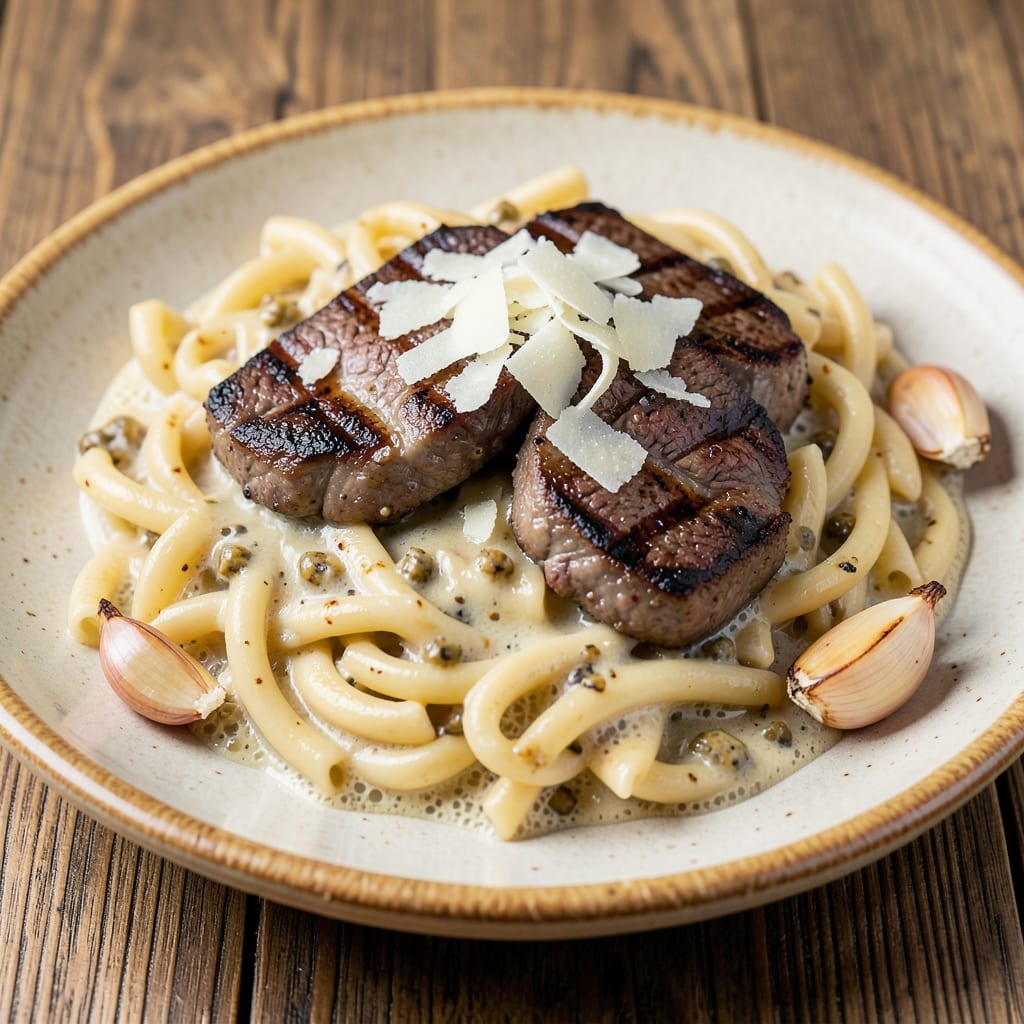
This beef and rotini in garlic parmesan sauce recipe delivers restaurant-quality comfort in a single pan. The secret lies in perfectly seared beef strips that melt into a velvety garlic-parmesan sauce, coating al dente rotini with every bite. I developed this method after years of testing one-pan pasta dishes, and it consistently delivers rich, cheesy flavors without the mess of multiple pots.
The magic happens when you brown the beef first, creating deep flavor that infuses the sauce. A simple blend of garlic, butter, and cream forms the base, while grated parmesan transforms it into something luxurious. The rotini absorbs all that rich sauce while maintaining its perfect bite—no mushy pasta here. This dish is designed for weeknights but feels special enough for company.
By the time you serve it, you'll have tender beef strips swimming in a creamy, garlicky parmesan sauce that clings perfectly to each rotini strand. The aroma alone will have everyone gathering at the table. It's the kind of meal that tastes like you spent hours cooking, even though it comes together in under 30 minutes with minimal cleanup.
The best part? This recipe scales effortlessly—double it for a crowd or halve it for leftovers. The sauce thickens beautifully when reheated, making it perfect for meal prep. Let's create this one-pan masterpiece that combines the best of Italian comfort food with modern convenience.
Ingredients for beef and rotini in garlic parmesan sauce
Perfectly seared beef and al dente rotini bathed in creamy garlic-parmesan sauce—this one-pan dish delivers restaurant magic.
| Ingredient | Amount | Notes |
|---|---|---|
| Flank Steak 🥩 | 1 ½ lb | Thinly sliced against grain |
| Rotini Pasta 🍝 | 12 oz | Uncooked, star-shaped |
| Unsalted Butter 🧈 | ½ cup | Full-fat for richness |
| Garlic Cloves 🧄 | 6 cloves | Freshly minced, vibrant |
| Heavy Cream 🥛 | 1 cup | Full-fat preferred |
| Parmesan Cheese 🧀 | 1 cup | Freshly grated, block |
| Extra-Virgin Olive Oil 🫒 | 2 tbsp | For searing beef |
| Diamond Crystal Kosher Salt 🧂 | 1 ½ tsp | Fine grain preferred |
| Freshly Ground Black Pepper 🌶️ | 1 tsp | Cracked peppercorns |
| Dried Thyme 🌿 | ½ tsp | Or 1 tbsp fresh |
| Red Pepper Flakes 🔥 | ¼ tsp | Optional for heat |
| Vegetable Oil 🫒 | 1 tbsp | For pasta cooking |
| Reserved Pasta Water 💧 | ½ cup | From cooking pasta |
The flank steak is your flavor anchor—thinly sliced against the grain ensures tender bites. Grab it from the butcher counter if possible, or use pre-sliced steak from the meat department (look for good marbling). I always ask for it to be cut thin—about 1/4-inch thick—so it cooks fast and stays juicy. Costco or Whole Foods have great cuts, but the regular supermarket meat section works too. Pro tip: Pat the slices dry before searing to get that perfect crust. The rotini? Barilla or De Cecco are my go-tos—they hold up better to the sauce than store-brand stuff.
No fresh thyme? Dried works at one-third the amount—just crush it between your palms first to wake up the flavor. Running low on heavy cream? Half-and-half or whole milk stretches it out (add 1 tbsp cornstarch to thicken). The Parmesan makes or breaks this—grate it yourself from a wedge (pre-grated has anti-caking agents that ruin the texture). For the garlic, peel and smash the cloves with the flat side of your knife before mincing—releases more flavor. And that reserved pasta water? Don't skip it—it's liquid gold for emulsifying the sauce. If you're out, a splash of beef broth works in a pinch.
This sauce gets better as it sits—make extra and freeze portions for future weeknights. The beef reheats beautifully, though I prefer to serve it fresh off the pan. Store leftovers in an airtight container for 3-4 days, or freeze for up to 3 months. The pasta stays al dente longer if you shock it with ice water after cooking, but that's optional. For meal prep, I portion the sauce separately and toss it with fresh pasta when reheating—keeps everything perfect. The aroma alone will have everyone rushing to the table, so save some for last-minute garnish if you're feeling fancy.
Why You'll Love This Recipe
- One-Pan Magic: I swear by this—just sear the flank steak, toss in the rotini, and let the garlic-parmesan sauce do all the work. No chopping, no fussing, and one pan to scrub afterward.
- Creamy Garlic Bliss: That first bite? The tender beef with the rich, buttery garlic-parmesan sauce clinging to every strand of rotini? It’s the kind of flavor that makes you close your eyes and savor it.
- Meal Prep MVP: Make a double batch, and you’ve got lunch for three days. The sauce thickens beautifully when reheated, so it’s just as good cold or warm—perfect for busy mornings.
- Budget-Friendly Feast: Flank steak stretches far, and the rotini is cheap, but the heavy cream and butter make it feel like a restaurant dish. Honestly, it’s my go-to when I want comfort without breaking the bank.
Step-by-step instructions for beef and rotini in garlic parmesan sauce
This one-pan wonder delivers restaurant-quality flavor with minimal effort and maximum cheesy satisfaction.
Sear the Flank Steak to Perfection
Heat a large skillet over medium-high heat and add the 2 tablespoons extra-virgin olive oil. Once shimmering, add the 1.5 lb flank steak sliced thinly against the grain. Sear for 3-4 minutes per side until beautifully browned and just cooked through—you want it tender but still slightly firm to the touch.
Here's the thing—don't overcrowd the pan. Work in batches if needed so the steak sizzles freely. As it cooks, sprinkle with 1 teaspoon freshly ground black pepper and ½ teaspoon dried thyme. Remove the steak and set aside on a plate, keeping it warm.
Cook the Rotini Pasta Al Dente
In the same skillet (no need to clean it—those browned bits are flavor gold), add 1 tablespoon vegetable oil and bring to a boil. Add the 12 oz rotini pasta and 1½ teaspoons diamond crystal kosher salt, then cook according to package directions until 1 minute shy of al dente. Reserve ½ cup pasta water before draining.
Real talk: Rotini tends to stick, so stir occasionally with a wooden spoon. The pasta should have a slight bite—it'll finish cooking in the sauce. Drain the pasta but leave it in the skillet for now; we're keeping everything together.
Build the Garlic Parmesan Sauce
Reduce heat to medium-low and add the ½ cup unsalted butter to the skillet. Let it melt completely, then add the 6 cloves freshly minced garlic and ¼ teaspoon red pepper flakes. Cook for 1-2 minutes until fragrant but not browned—you want garlic flavor, not garlic bits.
Pour in the 1 cup heavy cream and let it simmer for 3 minutes until slightly thickened. Sprinkle in the 1 cup parmesan cheese and stir until fully melted and smooth. If the sauce looks too thick, add 2-3 tablespoons reserved pasta water to reach your desired consistency.
Combine and Finish with Cheesy Magic
Return the cooked steak to the skillet and gently toss everything together. The residual heat will warm through the steak while coating it in that luscious garlic parmesan sauce. Taste and adjust seasoning—you might need a pinch more salt or pepper to balance the flavors.
For the ultimate finish, sprinkle with additional parmesan cheese and freshly ground black pepper. Let it sit for 1-2 minutes off the heat so the sauce thickens slightly and the flavors meld together perfectly. Serve immediately while hot and bubbly!
Pro Tips For Making Beef And Rotini In Garlic Parmesan Sauce
- Slice Steak Against Grain: I learned this the hard way—cutting flank steak with the grain makes it chewy. Slice thinly against the grain after cooking, then toss it into the sauce while it’s still warm. The strands will separate cleanly, and your pasta won’t feel like you’re eating shoe leather.
- Mince Garlic Like You Mean It: Skip the press—smash those cloves with the flat side of your knife first, then finely chop. You want a paste, not just diced bits, because this sauce isn’t forgiving. If you’re lazy like me, freeze the minced garlic in an ice cube tray with a splash of water—just pop one in later when needed.
- Salt the Pasta Water Hard: Yes, even if your rotini is labeled “enriched.” Use the full 1–2 tablespoons of salt (or more if you’re serving four hungry people). The pasta will absorb flavor like a sponge, and the sauce will taste flat if you skimp. Trust me, you’ll notice the difference when you taste the first bite.
- Deglaze Before Adding Cream: Let the garlic-brown bits (fond) build up in the pan for 2–3 minutes—it’s the flavor base. Hit it with a splash of pasta water or white wine first, then scrape every last bit off the bottom before stirring in the heavy cream. This isn’t the prettiest method, but it’s the tastiest, and it keeps the sauce from tasting thin or one-dimensional.
Wine and beer pairings for this dish
Italian White Wines
The creamy richness of this garlic parmesan sauce pairs beautifully with crisp Italian whites that cut through the fat while complementing the garlic and cheese. I always reach for a Pinot Grigio from Alto Adige—its bright acidity and citrus notes cleanse your palate between each garlicky, cheesy bite. Vermentino from Sardinia is another fantastic choice, offering herbal undertones that enhance the thyme in the dish. 🍷
Full-Bodied Reds
For those who prefer red wine, a Chianti Classico or Sangiovese from Tuscany stands up to the beef's richness without overpowering the sauce. Look for wines with moderate tannins and bright acidity—these balance the creaminess while enhancing the garlic's depth. A 2018 Chianti from Ruffino or Banfi always delivers that perfect balance.
Crisp Lager Pairings
If you're serving this with beer, a Peroni or Moretti Italian lager provides the perfect crisp contrast. The effervescence helps cut through the sauce's richness, while the light maltiness complements the parmesan. For a craft option, try a Belgian witbier like Hoegaarden—its coriander and citrus notes create an unexpected but delightful pairing. 🍺
Dessert Wine Finish
Save a small glass of Moscato d'Asti for dessert—its sweetness and bubbles provide a refreshing contrast to the savory meal. The light effervescence and floral notes cleanse your palate and leave you craving another bite of that cheesy, garlicky goodness.
Non-Alcoholic Options
For non-drinkers, a sparkling blood orange soda like San Pellegrino Aranciata Rossa mirrors the citrus notes in Pinot Grigio while adding a refreshing fizz. Alternatively, a ginger beer with a splash of lime enhances the garlic and thyme flavors without alcohol. 💛
Nutrition facts
Frequently asked questions
Can I use a different type of pasta instead of rotini?
While rotini's star shape holds the sauce beautifully, try penne, farfalle, or fettuccine for similar results. Avoid long pasta like spaghetti—it won't coat as well in the sauce. For a fun twist, use chicken tenders or shrimp instead of beef and adjust cooking times accordingly. The sauce recipe remains the same!
How do I prevent the sauce from getting too thick?
Start with the ½ cup reserved pasta water and add more as needed—it's your secret weapon for perfect consistency. If the sauce thickens too much after combining everything, simply add 1-2 tablespoons warm water or milk and stir until smooth. The key is to keep the heat at medium-low while stirring occasionally to prevent sticking.
Can I make this dish ahead of time?
Yes! Prepare the sauce and beef up to 2 days ahead—store in an airtight container in the fridge. When ready to serve, reheat gently in a skillet with a splash of water or milk. For best texture, cook the pasta fresh and toss it with the reheated sauce just before serving. The flavors actually improve overnight as they meld together!
What's the best way to slice flank steak for this recipe?
Slice the flank steak thinly against the grain—about ¼-inch thick—for maximum tenderness. Ask your butcher to slice it for you, or use a sharp knife and make 45-degree cuts first to create thinner strips. The grain runs diagonally across the steak, so look for the muscle fibers and cut perpendicular to them. This shortens the fibers, making each bite more tender.
Can I make this dish gluten-free?
Yes! Swap the rotini for gluten-free pasta like brown rice rotini or chickpea pasta. Use a dedicated gluten-free flour blend to thicken the sauce if needed (about 1 tbsp per cup of sauce). Check that your parmesan is gluten-free certified, and use tamari instead of soy sauce if adding any. The flavor profile remains identical—just ensure all ingredients are certified gluten-free.