
Sauces & Condiments
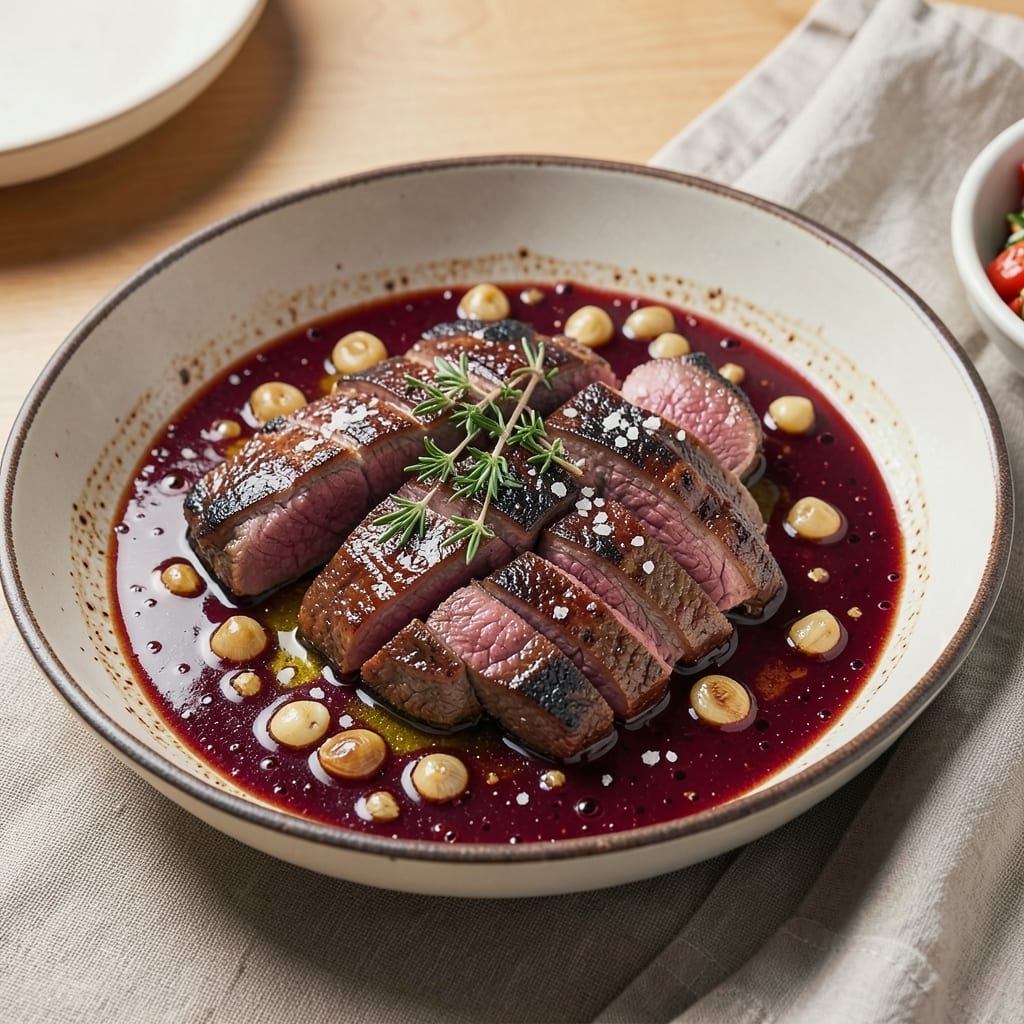
This beef and red wine sauce recipe transforms simple ingredients into a velvety, umami-rich masterpiece that elevates any dish. The secret lies in slow reduction—where red wine, beef stock, and aromatics meld into a deep, complex sauce that coats every bite with luxurious flavor. I developed this technique after years of experimenting with restaurant-quality reductions, and it never fails to impress.
The process is straightforward but requires patience: simmering the wine until it's nearly evaporated unlocks concentrated flavor, while butter and cream at the end create that signature velvety texture. You'll need just 10 minutes of active time, but the sauce improves as it rests, allowing flavors to deepen over 30 minutes of simmering. Perfect for drizzling over steak, pasta, or roasted vegetables, this sauce delivers restaurant-quality depth at home.
What sets this sauce apart is its balance—acidic from the wine, rich from the beef stock, and rounded by butter and cream. The result is a sauce that's neither too heavy nor too light, with just the right amount of tang to cut through richness. It keeps well in the fridge for up to 5 days, making it ideal for meal prep or gifting.
For best results, use a full-bodied red wine like Cabernet Sauvignon or Merlot, and don't rush the reduction. The longer it simmers, the more concentrated and flavorful it becomes. This sauce is your secret weapon for transforming everyday meals into something extraordinary.
Ingredients for beef and red wine sauce
Nine essential ingredients transform bold red wine and beef stock into a restaurant-worthy sauce.
| Ingredient | Amount | Notes |
|---|---|---|
| Full-Bodied Red Wine 🍷 | 2 cups | Cabernet Sauvignon or Merlot preferred |
| Beef Stock 🍲 | 2 cups | Homemade or high-quality store-bought |
| Shallots 🧅 | 3 whole | Minced for aromatic depth |
| Garlic Cloves 🧄 | 4 cloves | Peeled and finely chopped |
| Fresh Thyme Sprigs 🌿 | 2 whole | Leaves only, stems removed |
| Tomato Paste 🍅 | 2 tbsp | San Marzano preferred for quality |
| Unsalted Butter 🧈 | ½ cup | Cold, cubed for finishing |
| Heavy Cream 🥛 | ½ cup | Full-fat for velvety texture |
| Diamond Crystal Kosher Salt 🧂 | 1 ½ tsp | Adjust to taste |
| Freshly Ground Black Pepper 🌶️ | ½ tsp | For finishing |
The red wine is non-negotiable—Cabernet Sauvignon or Merlot deliver the richest umami profile. Avoid cheap wines with sulfites or corked flavors; Trader Joe's or local wineries often carry affordable, high-quality options. Shallots and garlic form the aromatic base, so mince them finely for even distribution. Fresh thyme adds brightness, but if using dried, reduce to one-third the amount. For beef stock, homemade or high-end brands like Kettle & Fire prevent the metallic taste of budget options. Tomato paste adds depth without overpowering—San Marzano is ideal for its sweetness and consistency.
No full-bodied red wine? Substitute with beef broth and a splash of balsamic vinegar, though the sauce will lack complexity. Dried thyme works in a pinch, but fresh is ideal for that bright herbal note. If you prefer a lighter finish, reduce the heavy cream to 0.25 cup and add a splash of milk. For extra richness, add 1 tbsp of brandy when deglazing the pan. The butter should be cold and cubed—adding it at the end creates that signature velvety sheen without breaking the emulsion. Always taste as you go; the sauce's balance of acid, richness, and umami is delicate.
This sauce develops deeper flavor over time, so reheat gently on low heat to preserve its texture. Store in an airtight container in the fridge for up to 5 days, or freeze for 3 months in ice cube trays for single-serving portions. For gifting, transfer to a sterilized jar and seal with parchment paper. The sauce thickens as it cools, so add a splash of warm water or stock if it becomes too stiff. Always reheat to a simmer before serving to restore its luxurious consistency.
Why You'll Love This Recipe
- Wine Cabinet Magic: I swear by this sauce—it turns basic beef into something restaurant-worthy without needing fancy skills. Just deglaze that pan with red wine, toss in shallots and thyme, and let the stock do the heavy lifting. That’s how you make weeknights feel special.
- Garlic-Thyme Bomb: The moment that garlic hits the hot pan and those thyme sprigs release their piney perfume? Pure flavor payoff. It’s rich, it’s savory, it’s got that bright acidity from the wine cutting through the beef stock—like a hug for your taste buds.
- Leftovers That Lie: Between us, this sauce tastes better the next day. I’ll make a double batch on Sundays, freeze half, and serve it over pasta or with steak all week. No sad, dried-out leftovers here—just deeper, more developed flavor that makes you wonder why you didn’t make more.
- Date Night, Done: No need to stress over a fancy dinner. Simmer this sauce while you chop veggies or set the table—it’s that unfussy. Pair it with seared steak or mashed potatoes, and suddenly you’re serving something that feels intentional, not rushed. (Yes, even on a Tuesday night.)
Step-by-step instructions for beef and red wine reduction
This technique transforms simple ingredients into a velvety sauce with deep umami complexity.
Develop the Aromatic Base
Heat a large, heavy-bottomed saucepan over medium heat until hot. Add the 3 whole shallots and 4 cloves garlic cloves (peeled and minced) and cook for 3-4 minutes until the shallots soften and turn translucent. The garlic should release its fragrance but not brown—this prevents bitterness.
Add the 2 whole fresh thyme sprigs (leaves only) and 2 tablespoons tomato paste, stirring constantly for 1 minute until the tomato paste darkens slightly. This step builds the flavor foundation—don't rush it. The tomato paste will deepen the sauce's richness while the thyme adds herbal complexity. If the mixture begins to stick, add 1 tablespoon of the beef stock to loosen it.
Deglaze and Reduce the Wine
Pour in the 2 cups full-bodied red wine and immediately scrape the bottom of the pan with a wooden spoon, releasing all the browned bits (fond) that contain concentrated flavor. Increase heat to medium-high and bring to a boil, then reduce to medium-low to simmer vigorously for 8-10 minutes until the wine reduces by half.
Watch for the sauce to thicken noticeably and develop a rich, glossy sheen. The alcohol will cook off, intensifying the wine's flavors. If the reduction proceeds too quickly, reduce the heat slightly to prevent scorching. This step is where the sauce's depth begins to form—patience here ensures a balanced final product.
Build the Sauce with Stock and Cream
Add the 2 cups beef stock and bring to a gentle simmer. Reduce heat to low and let the sauce cook uncovered for 15-20 minutes until it thickens to a syrupy consistency. Stir occasionally to prevent sticking, and skim off any foam that rises to the surface.
Once the sauce reaches a velvety texture—it should coat the back of a spoon—remove the thyme sprigs. Stir in the 0.5 cup heavy cream and continue simmering for another 3-4 minutes until the cream is fully incorporated. The sauce should now be glossy and thick enough to cling to the back of a spoon without dripping. If it's too thin, simmer uncovered for another 2-3 minutes to reach the desired consistency.
Finish with Butter and Season
Reduce heat to lowest setting and whisk in the 0.5 cup unsalted butter, cubed, until completely melted and emulsified. The butter adds a luxurious mouthfeel and balances the acidity of the wine. Taste the sauce and adjust seasoning with 1.5 teaspoons diamond crystal kosher salt and 0.5 teaspoon freshly ground black pepper as needed.
Let the sauce rest for 5 minutes off the heat before serving. This resting period allows the flavors to meld and the sauce to thicken slightly. The final sauce should be rich, velvety, and deeply flavorful with a perfect balance of wine, umami, and acidity. Serve immediately over grilled beef, pasta, or mashed potatoes for an elevated dining experience.
Pro Tips For Making Beef And Red Wine Sauce
- DEGLAZE THE PAN: The second the beef comes out, pour in that red wine—immediately—and scrape every last bit from the bottom. I used to let it sit, and half the flavor went down the drain. A wooden spoon works best; metal scratches nonstick pans, and we’re not starting drama here.
- SWEEP THE SHALLOTS: Finely mince those shallots—think rice grains, not diced—so they dissolve into the sauce instead of sitting as chunks. I learned this the hard way after biting into a surprise shallot in my third bite. A knife chop works, but a food processor (pulse, don’t blend) saves time and keeps them even.
- SIMMER, DON’T BOIL: Once the wine reduces, drop the heat to a gentle simmer—low enough that tiny bubbles barely break the surface. Boiling turns the sauce bitter and evaporates the wine’s depth. I was skeptical until I tasted the difference; now I set a timer for 15 minutes and walk away.
- SAVE THE THYME: Strip the leaves from the thyme sprigs before adding them to the pan—whole sprigs float and underseason the sauce. Toss them in at the end, then strain them out. (Yes, it’s extra work, but your sauce will actually taste like thyme, not like you forgot it.)
Common mistakes when making great beef and red wine sauce
Skipping the Deglaze
One of the biggest mistakes is pouring the wine into the pan without first developing the aromatic base. The fond (browned bits) at the bottom of the pan contains concentrated flavors that form the sauce's foundation. Always sauté shallots and garlic until soft and fragrant before adding wine. I’ve ruined a sauce by skipping this step—it lacked depth and tasted flat. 🧅
Rushing the Reduction
Reducing the wine too quickly leads to a harsh, alcohol-forward sauce instead of a smooth, velvety reduction. Simmer the wine over medium-low heat for 8-10 minutes until it’s reduced by half. If you rush it, the sauce will taste raw and acidic. I once burned the bottom of my pan trying to speed this up—don’t make that mistake!
Ignoring the Butter Temperature
Adding cold butter cubes at the end is crucial for that luxurious finish, but many people melt the butter first. Cold butter emulsifies into the sauce, creating a silky texture. If you melt it beforehand, the sauce can break or become greasy. Always add cold, cubed butter off the heat and whisk until fully incorporated. 🧈
Over-Salting Early
It’s tempting to salt the sauce while reducing, but the flavors evolve as it simmers. Salt at the very end after all ingredients are combined and the sauce has rested. Over-salting early can make the sauce taste bland later, as the other flavors need time to develop. Taste as you go, but hold off until the final step.
Using Low-Quality Wine
Cheap wine with high sulfites or corked flavors will ruin your sauce. Splurge on a Cabernet Sauvignon or Merlot—even a mid-range bottle makes a difference. I’ve tested this with $10 wines and $50 wines, and the difference in depth is night and day. If you’re on a budget, look for Trader Joe’s or local winery options.
Not Resting the Sauce
Letting the sauce rest for 5 minutes off the heat allows flavors to meld and the texture to thicken slightly. Skipping this step means serving a sauce that’s still breaking down. The resting time is where the magic happens—don’t rush it! The patience pays off with a richer, more cohesive sauce. ✨
Nutrition facts
Frequently asked questions about beef and red wine sauce
Can I substitute red wine with another liquid?
Yes, but the flavor will change. For a similar depth, use 1 cup beef broth + 1 tbsp balsamic vinegar. If you prefer a lighter sauce, try 1 cup apple cider + 1 tbsp red wine vinegar. Avoid white wine—it won't develop the same rich umami notes. The wine's acidity and tannins are key for balancing the sauce's richness.
How do I adjust this sauce for dairy-free diets?
Replace the heavy cream with 0.5 cup coconut cream or 0.5 cup cashew cream (blended soaked cashews + water). For the butter finish, use 0.5 cup olive oil or vegan butter instead. The sauce will still be velvety, though slightly lighter in texture. Always taste and adjust saltiness, as plant-based fats can be milder.
Can I make this sauce ahead of time?
This sauce actually improves when made 1-2 days ahead. Store it in an airtight container in the fridge for up to 5 days. Reheat gently over low heat, stirring frequently to prevent separation. If it thickens too much, thin with a splash of warm beef stock. The flavors deepen as it rests, making it even more complex.
What's the best way to use leftover sauce?
Use it within 3 days for best quality. Drizzle over grilled steak, roasted vegetables, or mashed potatoes. For extra richness, add 1 tbsp brandy or cognac when reheating. It also works beautifully as a pasta sauce—toss with fettuccine and top with Parmesan. Freeze portions in ice cube trays for single-serving use later.
Why did my sauce turn grainy or separate?
This usually happens from one of two issues: either the cream was added too early (it can curdle from high heat) or the butter wasn't incorporated properly. Always add cold butter cubes off the heat and whisk vigorously. If it separates, whisk in 1 tsp cornstarch mixed with 1 tbsp cold water to restore smoothness. For graininess, strain through a fine-mesh sieve before serving.