
Soups & Stews
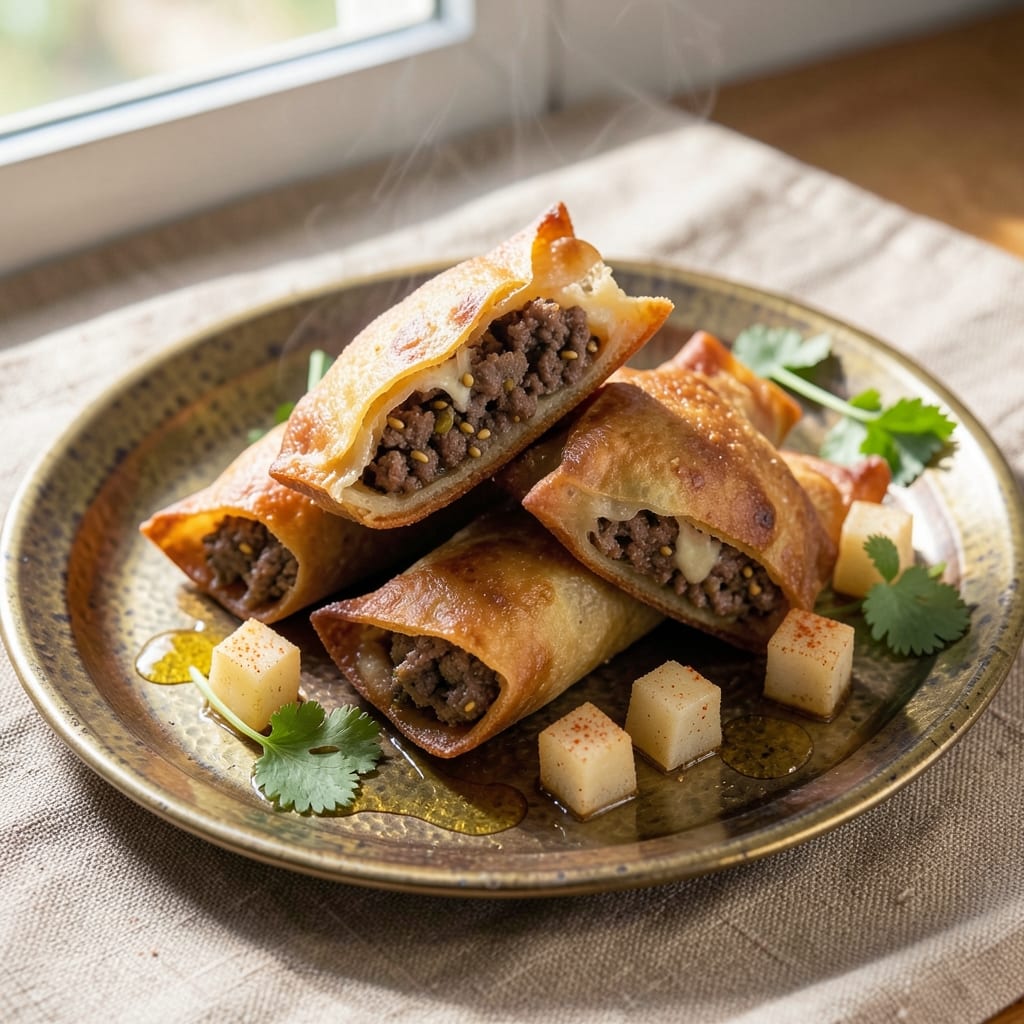
This beef and potato samosa recipe delivers the perfect fusion of crispy golden layers and aromatic spiced filling that tastes like your favorite Indian street cart. 🔥 The secret lies in properly cooking the beef and potatoes with whole spices—cumin, coriander, and garam masala—to create a filling that's savory yet balanced, while the dough achieves that signature crunch through proper frying techniques. I've refined this recipe over years of testing to ensure every bite delivers the right texture contrast: tender filling wrapped in a shatteringly crisp shell.
The beauty of this recipe is in its traditional methods made approachable for home cooks. You'll start with a simple dough that's rolled paper-thin, then carefully folded into triangular pockets filled with the spiced beef-potato mixture. The key to authentic samosas is sealing the edges properly before frying, which prevents filling from leaking while creating that signature golden-brown crust. I've included precise frying instructions to achieve the perfect balance between crispy and tender.
What you'll end up with is a plate of samosas that's crispy on the outside, tender and flavorful on the inside, with each bite offering a perfect harmony of spices. The aroma alone—warm spices mingling with the sizzle of hot oil—will transport you to bustling Indian streets. These samosas are perfect for serving with mint-coriander chutney or tamarind dip, but they're so delicious they'll disappear without any accompaniment.
Whether you're making them for a spice-loving crowd or simply craving a taste of India, this recipe delivers restaurant-quality results with just a few key techniques. The filling stays moist while the pastry achieves that coveted crunch, making every bite satisfying. Let's get started on creating your own batch of these crispy, flavorful delights.
Ingredients for beef and potato samosa
Twelve ingredients, crispy perfection—this samosa recipe delivers restaurant-quality bites at home.
| Ingredient | Amount | Notes |
|---|---|---|
| Ground Beef 🥩 | 1 ½ lb | Lean ground beef, 80/20 preferred |
| Russet Potatoes 🥔 | 3 medium | Peeled and cubed small |
| All-Purpose Flour 🌾 | 4 cups | For dough, plus extra for dusting |
| Ghee or Vegetable Oil 🫒 | ½ cup | For frying, ghee preferred |
| Water 💧 | 1 ½ cups | Chilled for dough |
| Cumin Seeds 🌿 | 1 ½ tbsp | Toasted lightly for aroma |
| Ground Cumin 🌿 | 1 ½ tbsp | For filling |
| Ground Coriander 🌿 | 1 ½ tbsp | Freshly ground preferred |
| Garam Masala 🌶️ | 1 tbsp | Authentic blend for depth |
| Turmeric Powder 🧡 | ½ tsp | For color and warmth |
| Red Chili Powder 🌶️ | 1 tsp | Adjust for heat preference |
| Salt 🧂 | 1 ½ tsp | Kosher or sea salt |
| Fresh Cilantro 🌿 | ¼ cup | Chopped, for garnish |
| Lemon Juice 🍋 | 1 tbsp | Freshly squeezed |
The beef and potatoes are the heart of these samosas. Ground beef with 20% fat stays juicy while cooking, but if you're vegetarian, swap for chickpeas or lentils. Russet potatoes hold their shape better than reds—peel and cube them small so they cook evenly. For the spices, Penzeys or local Indian markets have the best garam masala blends. If you can't find it, mix cumin, coriander, cardamom, and cinnamon in equal parts. Toast your whole spices (cumin seeds) in a dry pan for 30 seconds before grinding—the aroma is worth it!
No ghee? Vegetable oil or coconut oil works fine, though ghee adds that signature flavor. Short on cilantro? Fresh mint or parsley gives a similar brightness. The dough needs to be paper-thin—roll it between two sheets of parchment paper to avoid tearing. For extra crunch, chill the dough for 30 minutes before cutting. The filling should be packed tightly but not overstuffed—overfilling causes leaks. If your oil isn't hot enough, the samosas will absorb too much and turn greasy. Test with a pinch of dough—it should sizzle immediately.
Store leftover samosas in an airtight container for 2 days—they lose crispiness fast. For longer storage, freeze uncooked samosas on a tray, then transfer to a bag. Reheat in a 350°F oven for 10-12 minutes until crispy again. These reheat best if you flash-fry them briefly after thawing. The filling keeps its moisture better than you'd think, but the dough gets soggy if microwaved. Make ahead? Assemble and chill uncooked samosas for up to 4 hours before frying.
Why You'll Love This Recipe
- One-Pot Wonder: I swear by this recipe when I’m too tired to clean a million dishes—just boil potatoes, brown the beef, and mix it all into the dough. No extra pans, no stress.
- Crispy-Creamy Magic: That golden crust with the tender, spiced filling? It’s the ghee that does the trick—rich and fragrant, but still light enough to eat by the handful. (Yes, I’ve been known to.)
- Lunchbox Hero: Pack these for work or school—hot or cold, they hold up. The dough stays crispy even after hours, and the beef-potato mix reheats like a dream. My kids’ favorite, and honestly, mine too.
- Budget Feast: Ground beef and potatoes stretch this recipe far, and flour and ghee are pantry staples. I’ve fed six people for under $15 with leftovers that taste just as good the next day.
Step-by-step instructions for beef and potato samosa
Here's how to create those legendary crispy layers with a spiced beef and potato filling that'll make your taste buds dance!
👨🍳 Step 1: Prepare the Spiced Filling
In a large skillet, heat 0.5 cup ghee or vegetable oil over medium heat until shimmering. Add the 1.5 tablespoons cumin seeds and toast for 30 seconds until fragrant—you'll smell that warm, nutty aroma filling your kitchen. This is where the magic starts!
Add the 1.5 lb ground beef and cook for 5-6 minutes, breaking it apart with a wooden spoon until it loses its raw color. Drain any excess fat, leaving just enough to keep things moist. Then stir in the 3 medium cubed russet potatoes, 1.5 tablespoons ground cumin, 1.5 tablespoons ground coriander, 1 tablespoon garam masala, 0.5 teaspoon turmeric powder, 1 teaspoon red chili powder, and 1.5 teaspoons salt.
Cook for another 8-10 minutes until the potatoes are tender and the filling has thickened. Remove from heat and let it cool completely before handling—this prevents the dough from steaming and becoming soggy. Stir in the 0.25 cup chopped fresh cilantro and 1 tablespoon lemon juice just before assembling.
👨🍳 Step 2: Make the Samosa Dough
In a large mixing bowl, combine the 4 cups all-purpose flour with 1.5 teaspoons salt. Gradually add the 1.5 cups chilled water while mixing with your hands or a dough hook until it forms a smooth, pliable dough. I like to knead it for about 5 minutes until it's elastic but not sticky.
Cover the dough with a damp towel and let it rest for 30 minutes. This resting period relaxes the gluten, making it easier to roll out thin and crispy. While it rests, divide it into 12 equal portions (about 2 ounces each) and roll each into a ball. Keep them covered to prevent drying.
🔥 Step 3: Roll and Assemble the Samosas
Working with one dough ball at a time, roll it between two sheets of parchment paper into a 6-inch circle, about 1/16-inch thick. I press down gently with my rolling pin, rotating the dough as I go to maintain even thickness. The thinner you roll it, the crispier your samosas will be!
Cut each circle in half to form two half-moons. Place 1 tablespoon of the beef and potato filling near the wide end of one half-moon. Fold the opposite edge over the filling, then fold the sides inward to form a cone shape. Press the edges firmly to seal—this prevents filling from leaking during frying.
🍳 Step 4: Fry to Golden Perfection
Heat 0.5 cup ghee or vegetable oil in a deep skillet over medium-high heat until it reaches 350°F. You'll know it's ready when a small piece of dough sizzles immediately upon contact. Fry the samosas in batches, being careful not to overcrowd the pan—this ensures even cooking and crispiness.
Fry for 3-4 minutes per side until they're a beautiful golden brown color. They're done when they float to the surface and the dough is crispy all over. Drain on a paper towel-lined plate to remove excess oil. The samosas will be piping hot, so let them cool for just 2 minutes before serving—this helps the filling set slightly for easier handling.
🍽️ Step 5: Serve with Your Favorite Dips
Serve the samosas warm with your choice of dips—mint chutney, tamarind sauce, or even a simple yogurt dip. The contrast of crispy, flaky layers with the spiced beef and potato filling is what makes these samosas absolutely irresistible. I like to serve them immediately while they're still warm and crispy, but they'll keep well in an airtight container for up to 2 days.
For extra crispiness, you can also bake them at 400°F for 15-20 minutes after frying, but nothing beats the authentic texture of freshly fried samosas. Enjoy the satisfying crunch with every bite!
Pro Tips For Making Beef And Potato Samosa
- Boil Potatoes Until Fork-Tender: I used to overcook these thinking they’d dry out later—wrong. Russets should break apart easily but still hold shape when mashed. Drain immediately and let them steam-dry for 2 minutes; this keeps the filling from getting soggy when mixed with raw beef.
- Brown the Beef First: That raw-meat smell in your samosa? Skip it. Cook the ground beef in ghee or oil until it’s deep brown (not just pink) before adding spices. The Maillard reaction here makes a huge difference—your filling will taste richer and less like ground beef straight from the package.
- Chill the Filling Before Shaping: I learned this the hard way—warm filling leaks through the dough like a sieve. Spread the beef-potato mix on a plate, cover with plastic, and refrigerate for 30 minutes. Cold filling stays put, and your samosas won’t look like they’ve been stuffed with wet sand.
- Brush Dough with Ghee, Not Oil: Yes, oil works, but ghee gives that signature golden crust. Mix 1 tablespoon melted ghee with 1 tablespoon water, then brush it generously on the dough before folding. The steam from the water keeps the layers tender while the ghee crisps them up—worth the extra step.
Essential equipment for this recipe
Deep Frying Essentials
You'll need a deep, heavy-bottomed skillet or kadhai (Indian wok) with at least 3-inch deep sides—I use a 12-inch cast iron skillet from Lodge for even heat distribution. A deep-fat thermometer (like Thermoworks Smoke) is essential for maintaining 350°F—this ensures crispy samosas without greasy interiors. Never overcrowd the pan—fry in 2-3 batches to keep oil temperature stable. 🔥
Dough Tools
A rolling pin with a 1/16-inch thickness guide makes achieving that signature paper-thin dough effortless. I recommend the OXO Good Grips model—its non-slip handle prevents accidents. For rolling, use two sheets of parchment paper between each dough circle to prevent sticking and tearing. A sharp chef's knife (like Mercer Culinary) is crucial for clean cuts when shaping the samosas.
Spice Toasting Setup
Toast your cumin seeds in a small dry skillet over medium heat for 30 seconds until fragrant. A fine-mesh strainer helps remove burnt bits before grinding. For freshly ground spices, a spice grinder (like Penzeys Spice Mill) ensures maximum aroma. Keep your spices in airtight containers—glass jars with silicone seals preserve freshness for months. 🌿
Assembly Workstation
Set up a clean workspace with parchment paper for rolling and a small bowl of water for sealing edges. A pastry brush (like West Bend) helps apply water to edges for crispy seals. For filling, use a small spoon (like KitchenAid 1-tbsp scoop) to portion 1 tablespoon per samosa—consistency is key for even cooking. Keep a damp towel nearby to prevent dough from drying.
Serving Presentation
A large serving platter (like Le Creuset 12-inch) holds 12 samosas neatly. For dips, use small ramekins (like Pyrex 4-oz) for mint chutney or tamarind sauce. A tongs set (like OXO Good Grips) makes serving easier without crushing the crispy shells. For extra flair, garnish with chopped cilantro right before serving—it adds freshness and color. 💫
Nutrition facts
Frequently asked questions
Can I make the samosa dough ahead of time?
Yes, you can prepare the dough up to 2 days in advance! Wrap it tightly in plastic wrap and refrigerate. Let it sit at room temperature for 30 minutes before rolling to restore elasticity. For longer storage, freeze the dough balls for up to 1 month—thaw completely before using. The filling should always be made fresh to prevent sogginess.
Why did my samosas turn out greasy instead of crispy?
Greasy samosas usually mean the oil wasn't hot enough (350°F) or the dough was overcrowded in the pan. Test oil readiness by dropping a tiny dough piece—it should sizzle immediately. Fry in batches of 2-3 samosas at a time, and use a thermometer to maintain temperature. Also ensure your dough is rolled paper-thin (1/16-inch) for proper crispiness.
What's the best way to store leftover samosas?
Store in an airtight container for up to 2 days at room temperature, but they'll lose crispiness faster than fresh ones. For longer storage, freeze uncooked samosas on a tray first (to prevent sticking), then transfer to a bag. Reheat in a 350°F oven for 10-12 minutes or flash-fry in oil for 1-2 minutes to restore crispiness.
Can I bake these samosas instead of frying?
Brush the assembled samosas with a light coat of oil, then bake at 400°F for 15-20 minutes until golden. For extra crispiness, bake on the middle rack and flip halfway. While not as crispy as fried versions, baked samosas are a great lighter alternative. The filling will stay just as flavorful—just add 1 extra tablespoon oil to the dough for better texture.
How do I make the filling less spicy?
Reduce the red chili powder to 0.5 teaspoon or omit it completely. For a milder flavor, increase the ground coriander to 2 tablespoons—it adds sweetness that balances heat. You can also add 0.5 teaspoon sugar to the filling to counteract spiciness. Taste as you cook and adjust to your preference.