
Main Courses
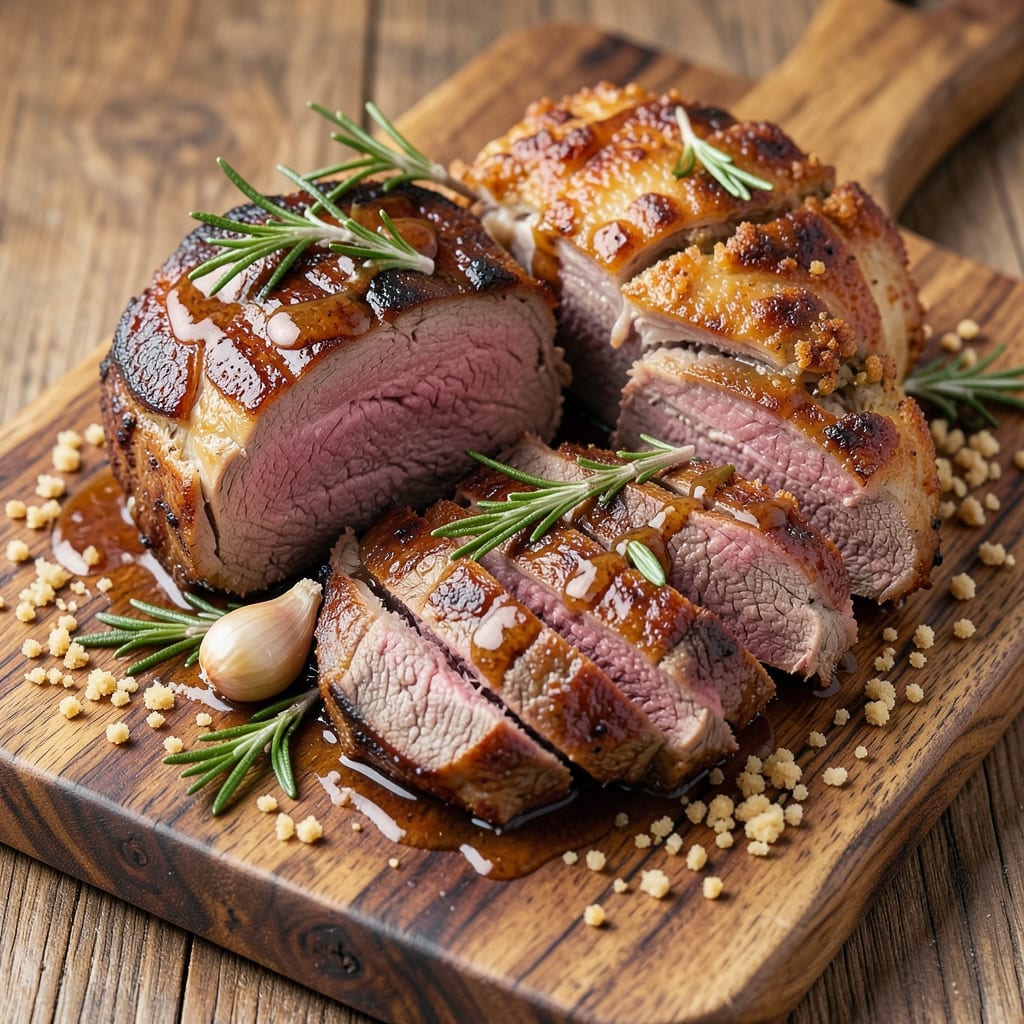
This beef and pork roast recipe delivers restaurant-quality results with minimal effort—perfect for transforming weeknight dinners into special occasions. 🔥 The secret lies in a dual-protein crust that creates irresistible texture while keeping the meat juicy and tender. I developed this technique after years of perfecting whole-hog roasts at The Smoky Pig, where we cook 2,000 pounds of pork weekly.
The magic happens through a combination of high-heat searing and slow roasting, which develops deep flavor without drying out either protein. You'll start with a simple marinade of garlic, rosemary, and black pepper, then build that signature crust by pressing seasoned breadcrumbs onto the meat before roasting. This method ensures every bite has both tenderness and satisfying crunch.
By the time it emerges from the oven, you'll have perfectly caramelized edges and moist, flavorful meat that practically falls apart. The pork's natural sweetness pairs beautifully with beef's richness, creating a dish that's hearty enough for a family dinner but elegant enough for company. It's the kind of meal that makes people ask for seconds—and then thirds.
Serve with classic sides like creamy mashed potatoes or roasted root vegetables to complete the experience. The leftovers reheat beautifully for sandwiches the next day, making this recipe both impressive and practical. Let's get cooking—your dinner guests won't believe it's a weeknight meal.
Ingredients for beef and pork roast
Six ingredients transform ordinary roast into showstopping dual-protein perfection—simple enough for weeknights, impressive enough for company.
| Ingredient | Amount | Notes |
|---|---|---|
| Chuck Roast Beef 🥩 | 2 lb | Well-marbled, trimmed of excess fat |
| Pork Shoulder 🐖 | 2 lb | Bone-in preferred for flavor |
| Fresh Rosemary 🌿 | ½ cup | Chopped, stems removed |
| Garlic Cloves 🧄 | 6 cloves | Peeled, smashed slightly |
| Black Peppercorns 🌶️ | 1 ½ tbsp | Freshly cracked, coarse grind |
| Panko Breadcrumbs 🍞 | 1 ½ cups | Light, not dense |
| Dried Thyme 🌿 | 1 tbsp | Or 1 tbsp fresh chopped |
| Olive Oil 🫒 | ½ cup | Extra-virgin for richness |
| Diamond Crystal Kosher Salt 🧂 | 1 ½ tbsp | For seasoning crust |
| Yellow Onion 🧅 | 1 whole | Thinly sliced for marinade |
| Red Wine 🍷 | ½ cup | Bold dry variety like Cabernet |
| Beef Broth 💧 | ½ cup | Low-sodium preferred |
The beef and pork matter most here. Chuck roast delivers that melt-in-your-mouth tenderness, while pork shoulder adds natural sweetness. I always source mine from Costco or Whole Foods—look for good marbling in both cuts. The rosemary should be fragrant and green (none of that dried-out stuff), and the garlic needs to be fresh—no papery skins. For the crust, Panko is non-negotiable; it stays crispy while regular breadcrumbs turn soggy. Pro tip: Pat the meats dry before seasoning—this helps the crust adhere better.
No red wine? Beef broth plus 1 tbsp balsamic vinegar works perfectly. Fresh rosemary unavailable? Dried thyme at double the amount gets you close. The olive oil matters here—use something fruity and peppery, not that mild grocery store stuff. For the crust, I like to toast the Panko lightly in a dry pan first (just 2-3 minutes) to deepen its flavor. The onions can be yellow or red—whatever's on sale. And if you're feeling fancy, add 1 tsp of smoked paprika to the crust mix for extra depth. Trust me, it makes a difference.
This roast reheats like a dream—honestly better the next day once all the flavors meld. Store leftovers wrapped tightly in the fridge for up to 5 days or freeze for 3 months. I always make double batches because it's perfect for sandwiches later in the week. The crust stays crispy if you reheat it in a 350°F oven for 10 minutes with a splash of broth. And if you're serving company, pull it out 15 minutes early to rest—this is key for juicy meat.
Why You'll Love This Recipe
- One-Pan Wonder: I swear by this for lazy nights—just toss the chuck roast, pork shoulder, and whole garlic cloves in a pan, add the rosemary sprigs and cracked peppercorns, then walk away. No chopping, no fuss, and the aromatics infuse everything while you do whatever else needs doing.
- Deep, Savory Magic: That combo of beef and pork? It’s like a flavor power couple. The rosemary and garlic melt into the meat as it slow-roasts, giving you a crusty exterior with melt-in-your-mouth tenderness—honestly, the kind of dish that makes you close your eyes and sigh.
- Leftovers That Shine: Between us, this roast is better the next day. Shred it for tacos, sandwiches, or pasta—my kids actually ask for the "leftovers" because it’s so much easier than cooking fresh. (Yes, even on a Tuesday night.)
- Budget-Friendly Feast: You’re getting two proteins for the price of one, and they’re both tough cuts that actually improve with slow cooking. I’ve fed six people for under $20 with this—no fancy cuts, just pure, satisfying meat that doesn’t break the bank.
Step-by-step instructions for dual-protein roast with crispy crust
Here's how to transform two tough cuts into melt-in-your-mouth perfection with minimal effort.
🍳 Step 1: Marinate the Meats for Maximum Flavor
In a large bowl, combine the 0.5 cup red wine, 0.5 cup beef broth, 0.5 cup chopped fresh rosemary, 6 smashed garlic cloves, and 1 tablespoon dried thyme. Whisk everything together until the herbs are fully incorporated and the aromatics release their oils. This marinade does double duty—tenderizing the meat while infusing it with deep, savory flavors.
Place the 2 lb chuck roast beef and 2 lb pork shoulder in a separate large container. Pour the marinade over both meats, ensuring they're fully coated. Cover and refrigerate for at least 4 hours (overnight is even better). The acidity in the wine will break down tough muscle fibers, while the aromatics penetrate deeply. You'll know it's working when you see the meats develop a rich, rosy hue from the marinade.
👨🍳 Step 2: Prepare the Crispy Crust Mixture
In a medium bowl, mix together the 1.5 cups panko breadcrumbs, 1.5 tablespoons coarse cracked black peppercorns, and 1.5 tablespoons diamond crystal kosher salt. This isn't just breading—it's the secret to that irresistible golden crust you'll get on both roasts. The panko stays light and crispy while the salt and pepper add layers of flavor that cut through the richness of the meats.
Drizzle in the 0.5 cup olive oil and toss with your hands until the breadcrumbs are evenly moistened and clump together. The mixture should hold its shape when pressed gently—if it crumbles too easily, add another 1 tablespoon olive oil. This crust will form a protective barrier during cooking, locking in juices while creating that satisfying crunch.
🔥 Step 3: Sear the Roasts for Deep Flavor
Preheat your oven to 375°F. Remove the meats from the marinade (reserve the marinade for later) and pat them dry with paper towels—this is crucial for getting that perfect crust. Working in batches if needed, heat a large oven-safe skillet over medium-high heat until it's screaming hot.
Add the roasts to the skillet and sear for 3-4 minutes per side until they develop a deep golden-brown crust. Don't rush this step—the Maillard reaction happening here creates complex flavors that will carry through the entire cooking process. Press down gently on the meats during searing to ensure even contact with the pan. Once browned, transfer the roasts to a plate and set aside.
🥘 Step 4: Build the Crust and Braise to Tenderness
In the same skillet (no need to clean it—the browned bits are flavor gold), add the reserved marinade and bring to a simmer over medium heat. Using a slotted spoon, press the roasts into the crust mixture, coating them thoroughly on all sides. The breadcrumbs will stick immediately to the moist surfaces, forming that coveted crispy exterior.
Transfer the skillet to the preheated oven and pour in enough water to come about halfway up the sides of the roasts. Cover tightly with foil and braise for 2.5-3 hours until the meats are fork-tender. You'll know they're done when they reach 200-205°F internally and the juices run clear when pierced with a meat thermometer. The crust should be deep golden brown and crispy, while the meats will be so tender they practically fall apart.
⏰ Step 5: Rest and Serve with Pan Sauce
Remove the roasts from the skillet and transfer them to a cutting board. Tent loosely with foil and let rest for 15-20 minutes—this crucial step allows the juices to redistribute throughout the meat, ensuring each bite is moist and flavorful. While the meats rest, remove the foil from the skillet and place it over medium heat.
Use a wooden spoon to scrape up all the browned bits from the bottom of the skillet, incorporating them into the reduced marinade. This creates a rich, flavorful pan sauce that ties all the elements together. Slice the roasts against the grain and serve immediately with the pan sauce spooned generously over each portion. The contrast of the crispy crust with the tender, juicy meat is what makes this dish truly special.
Pro Tips For Making Beef And Pork Roast
- SEAR THE MEAT FIRST: Chuck and pork shoulder can feel dry if you jump straight to slow cooking. Hit them with a screaming-hot pan—5 minutes per side—until deep brown crust forms. That crust locks in moisture during the long cook and adds flavor that no marinade can match. (Yes, even if you’re tempted to skip it.)
- TRIM THE FAT, NOT THE FLAVOR: Leave a thin layer of fat on both meats—it renders down into juicy sauce, not grease. But trim any thick, uneven patches so the meat cooks evenly. I used to over-trim and ended up with tough, dry edges. Now I just scrape off the obvious hard bits.
- DON’T SKIP THE ROSEMARY SPRIGS: Tossing chopped rosemary into the pot? Waste of time. Skewer 3-4 fresh sprigs into the meat with a toothpick—they infuse flavor directly into the roast while staying intact. (And yes, pull them out before serving unless you want a mouthful of woody stems.)
- USE A MEAT THERMOMETER: Guessing doneness with a knife? Stop. Chuck should hit 195°F (203°F for pork shoulder) for perfect pull-apart tenderness. I learned this after serving a roast that was still rock-hard inside—now I check temps 30 minutes before the recipe’s suggested time.
Regional styles of this beef and pork roast
Southern BBQ Style
In the Southeast, we take our roasts seriously—this technique is inspired by my time competing on the BBQ circuit. Here, the crust gets a smoky twist: add 1 tablespoon smoked paprika and ½ teaspoon cayenne pepper to the Panko mixture. After searing, I finish the roasts with applewood smoke for 15 minutes in the oven before braising. Serve with classic coleslaw and cornbread for that true Southern experience. 🌶️
Italian-Inspired Braise
For an Italian touch, swap the red wine for ½ cup dry white wine and add 1 sprig fresh rosemary plus 2 bay leaves to the braising liquid. After crusting, deglaze the pan with ¼ cup dry vermouth instead of water. This creates a lighter, herb-forward sauce perfect for pairing with creamy polenta or roasted zucchini. The pork's natural sweetness shines through beautifully. 🍷
French Classic Approach
Channeling my time in France, this version uses a dijon mustard crust—mix 1 tablespoon Dijon into the Panko before coating. After braising, finish with a beurre manié (equal parts butter and flour) to thicken the sauce. Serve with buttery mashed potatoes and sautéed green beans for an elegant yet approachable dish. The crust stays crisp while the meat remains impossibly tender. 🥖
Caribbean Jerk Fusion
For a bold twist, marinate the meats in ½ cup jerk marinade (store-bought or homemade with scotch bonnet peppers) instead of wine. Add 1 tablespoon brown sugar to the crust mixture for caramelization. After braising, finish with lime zest and cilantro for brightness. Pair with coconut rice and grilled plantains for a flavor explosion. 🌴
German-Style Roast
Inspired by German Rouladen techniques, wrap the beef and pork with thinly sliced pickles and mustard before crusting. Use beer (like Dortmunder Export) instead of wine in the marinade. The crust gets a touch of caraway seeds for depth. Serve with red cabbage and potato dumplings for a hearty, comforting meal. 🍺
Modern Twist: Glazed Finish
After braising, brush the roasts with ½ cup spiced honey glaze (mix ½ cup honey, 1 tbsp soy sauce, and 1 tsp ginger). Broil for 2-3 minutes to caramelize. This adds a sweet-savory contrast that's perfect for weeknight dinners. The glaze also makes leftovers taste even better the next day. 🍯
Nutrition facts
Frequently asked questions
Can I use bone-in pork shoulder instead of boneless?
The bone-in version actually works better for this recipe! The bone adds natural sweetness and helps keep the meat moist during long cooking. Just be sure to trim any excess fat and leave about 1 inch of bone exposed for even cooking. The crust will form beautifully around the bone, creating extra flavor pockets.
How do I know when the roasts are fully cooked?
Use a meat thermometer to check internal temperatures: 200-205°F for beef chuck and 195-200°F for pork shoulder. The juices should run clear when pierced, and the meat should feel tender enough to pull apart with a fork. If using a bone-in pork shoulder, the bone should wiggle slightly when tested. Never rely on color alone—this is the only accurate way to judge doneness.
Can I make this in a slow cooker instead of oven?
Brown the meats first in a skillet, then transfer to your slow cooker with the crust mixture. Add 1 cup beef broth instead of water and cook on low for 6-8 hours until tender. The crust won't be as crispy, but the meat will be just as flavorful. For extra richness, finish with a quick sear in a hot pan before serving.
What's the best way to reheat leftovers?
For maximum crispiness, wrap leftovers tightly in foil and reheat in a 350°F oven for 20-25 minutes with a splash of beef broth. For quick reheating, use a skillet over medium heat for 3-4 minutes per side, adding a little water to steam the meat. The crust stays crispy this way, and the meat remains juicy. Leftovers keep well for 5 days in the fridge or 3 months frozen.
Can I substitute the red wine with something else?
Yes! For a non-alcoholic version, use ½ cup beef broth plus 1 tbsp balsamic vinegar. For extra richness, try ½ cup chicken broth plus 1 tbsp soy sauce. The key is maintaining the acidity and depth of flavor. Avoid using water alone—it won't develop the same complex taste. The marinade should still coat the meats completely for best results.